Quick Crowd Pleasing Sangria Recipes for Every Season
Party-ready pitchers made with fresh fruit and wine, fast and budget-friendly. Seasonal swaps, tips, and zero bartender skills required.
If you can slice an orange and open a bottle, you can own the party. Sangria turns simple wine into a headliner, and the fruit does half the work while you “busy” yourself with compliments. Forget $15 cocktails—one pitcher beats a bar tab and leaves everyone asking for the recipe. Want maximum flavor with minimum effort? You’re in the right kitchen.
What Makes This Recipe Awesome
- Fast prep: You’ll be chilling in under 10 minutes; the fridge handles the rest.
- Big-batch friendly: Scale up for a crowd without needing a degree in mixology.
- Budget wins: Use good-but-not-fancy wine and humble fruit for premium-tasting results.
- Seasonal flexibility: Swap fruit by season: citrus in winter, berries in spring, stone fruit in summer.
- Balanced flavor: Wine, fruit, and a touch of spirit—no sugar bomb here, just clean, juicy sips.
- Make-ahead: Build flavor in the fridge; serve when the doorbell rings.
- Customizable sweetness: Sugar, honey, agave, or fruit juice—choose your vibe.
- Impresses with zero stress: It looks gorgeous, tastes bright, and doesn’t require bartender magic.
Shopping List – Ingredients
- 1 bottle dry red wine (750 ml): Tempranillo, Garnacha, Rioja, or Merlot.
- 1 orange: Sliced into rounds or half-moons.
- 1 lemon: Sliced; remove large seeds so nobody gets a surprise crunch.
- 1 apple: Crisp varieties like Gala or Honeycrisp, diced.
- 1 cup mixed berries: Strawberries, blueberries, raspberries (fresh or thawed frozen).
- 1/3 cup brandy: Spanish brandy or Cognac; optional but recommended.
- 2–3 tablespoons orange liqueur: Cointreau or triple sec for citrus pop.
- 2–4 tablespoons sweetener: Sugar, simple syrup, honey, or agave—adjust to taste.
- 1–2 cups sparkling water or club soda: For lift right before serving.
- Ice: Enough to fill serving glasses (not the whole pitcher).
- Optional aromatics: 1 cinnamon stick, a few mint sprigs, or a strip of orange zest.
- Optional boosts: 1/2 cup fruit juice (orange, pineapple, or cranberry) for extra body.
Cooking Instructions
- Prep the fruit: Wash, slice the citrus, and dice the apple. Keep peels on for flavor and color.
- Macerate: In a large pitcher, add fruit, brandy, orange liqueur, and sweetener. Stir until sugar dissolves. Let sit 10 minutes to draw out juices.
- Add wine: Pour in the bottle of red wine. Stir gently to combine without bruising the fruit.
- Chill: Cover and refrigerate for 2–4 hours (overnight is even better). This is when the magic happens.
- Taste and adjust: Try a sip. Add a splash of juice or a touch more sweetener if needed. Keep it balanced, not dessert.
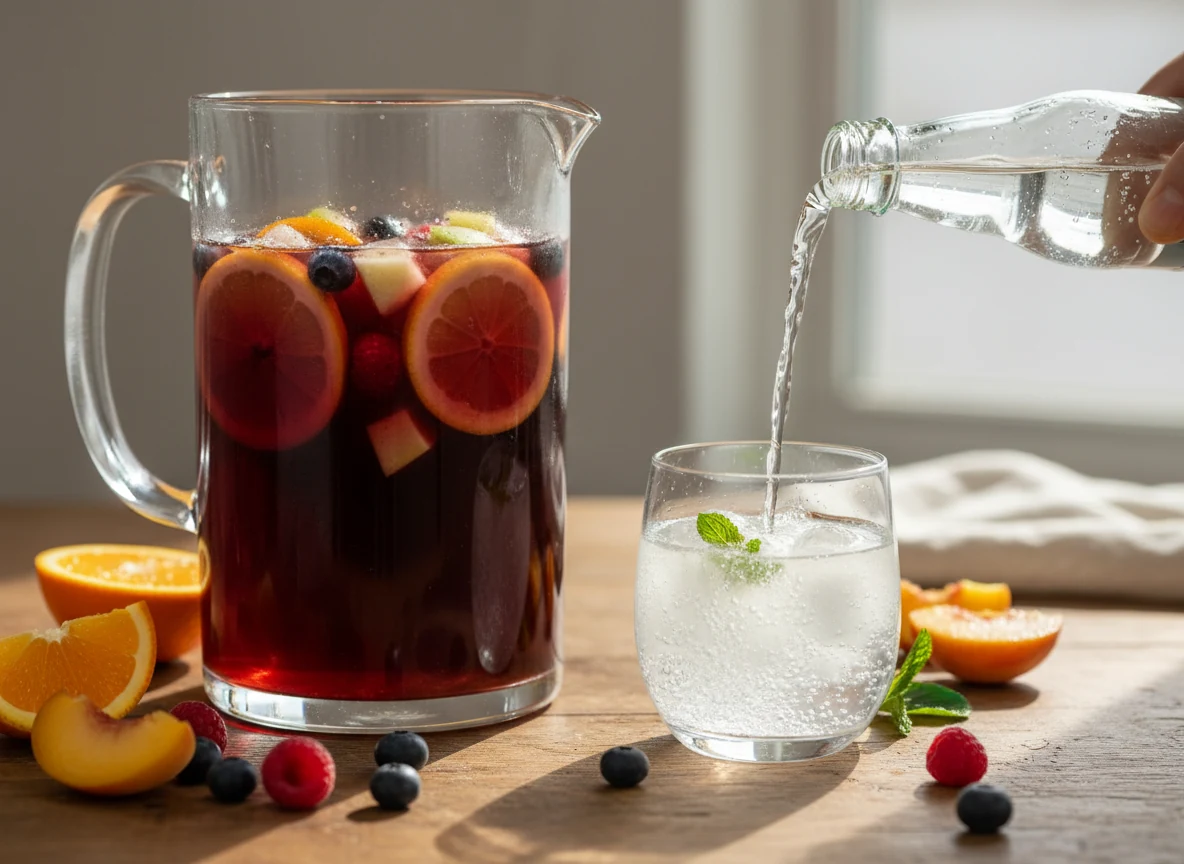
- Finish with bubbles: Right before serving, top with sparkling water for light fizz. Stir once.
- Serve smart: Add ice to glasses (not the pitcher), spoon in fruit, then pour sangria over.
- Garnish: Add a small mint sprig or citrus wheel for a “I-wake-up-like-this” moment.
- Refill strategy: Keep extra chilled wine and bubbles ready; top off the pitcher as needed.
Keeping It Fresh
Refrigerate sangria in a covered pitcher for up to 48 hours. The flavor deepens, but the fruit eventually softens—charming for some, mushy for others. IMO, day one and day two are peak.
Add bubbles right before serving to preserve fizz. If you’re hosting, keep a bottle of sparkling water beside the pitcher for instant top-ups.
Worried about soggy fruit? Strain after 24 hours and add fresh sliced fruit before serving. It looks brand-new, and your guests won’t know the difference.
Keep ice in the glasses, not the pitcher. Dilution is real, and nobody asked for fruit soup. FYI, large-format ice cubes melt slower for cleaner pours.
What’s Great About This
- Low skill, high payoff: Simple steps, fancy results.
- Flexible formula: Wine + fruit + spirit + sweetener + bubbles = success across seasons.
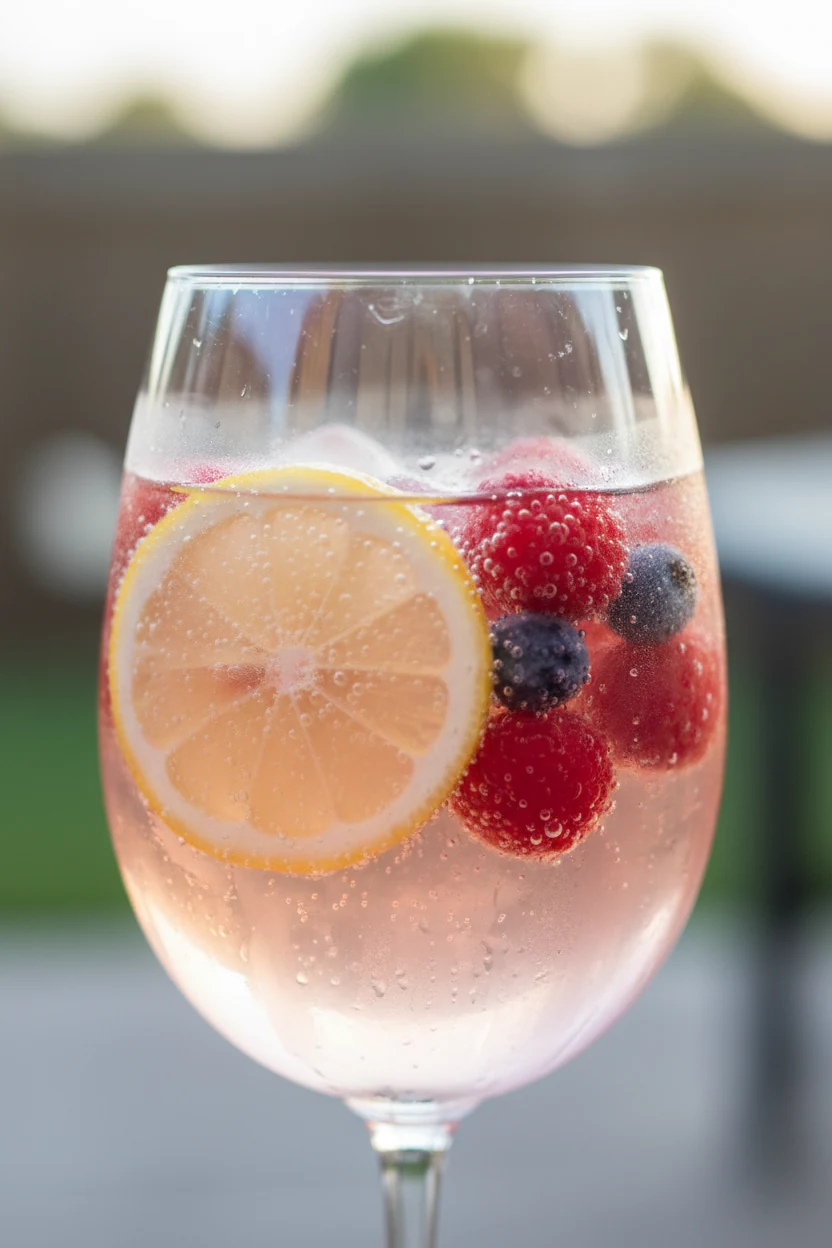
- Visual appeal: Colorful fruit turns every pour into a mini centerpiece.
- Meal-friendly: Plays well with tapas, BBQ, tacos, salads—basically anything not shy around flavor.
- Budget-friendly: A crowd-pleasing pitcher for less than a couple cocktails at the bar.
- Customizable strength: Go lighter with more bubbles or stronger with a touch more brandy.
Avoid These Mistakes
- Using expensive wine: Save the top-shelf bottle. Use solid, drinkable wine that’s not precious.
- Adding bubbles too early: Fizz disappears in the fridge. Top at the last minute for lift.
- Oversweetening: Fruit already adds sugar. Start modestly and taste after chilling.
- Skipping the chill: Warm sangria tastes flat. Let it rest to blend flavors; patience pays.
- Fruit overload: Don’t cram the pitcher. Leave space for wine and movement; balance matters.
- Ignoring dilution: Ice belongs in glasses, not the pitcher. Keep flavor tight.
- Leaving pith and seeds: Big citrus seeds and thick pith can add bitterness. Remove obvious offenders.
- Too much hard liquor: Brandy boosts flavor, not domination. You want sangria, not knockout punch.
- Flat flavors: No acid? Add lemon juice. No body? Add a splash of fruit juice. Fix it like a pro.
- Rough fruit cuts: Uniform slices look better and release flavor evenly. This is a pitcher, not a fruit graveyard.
Variations You Can Try
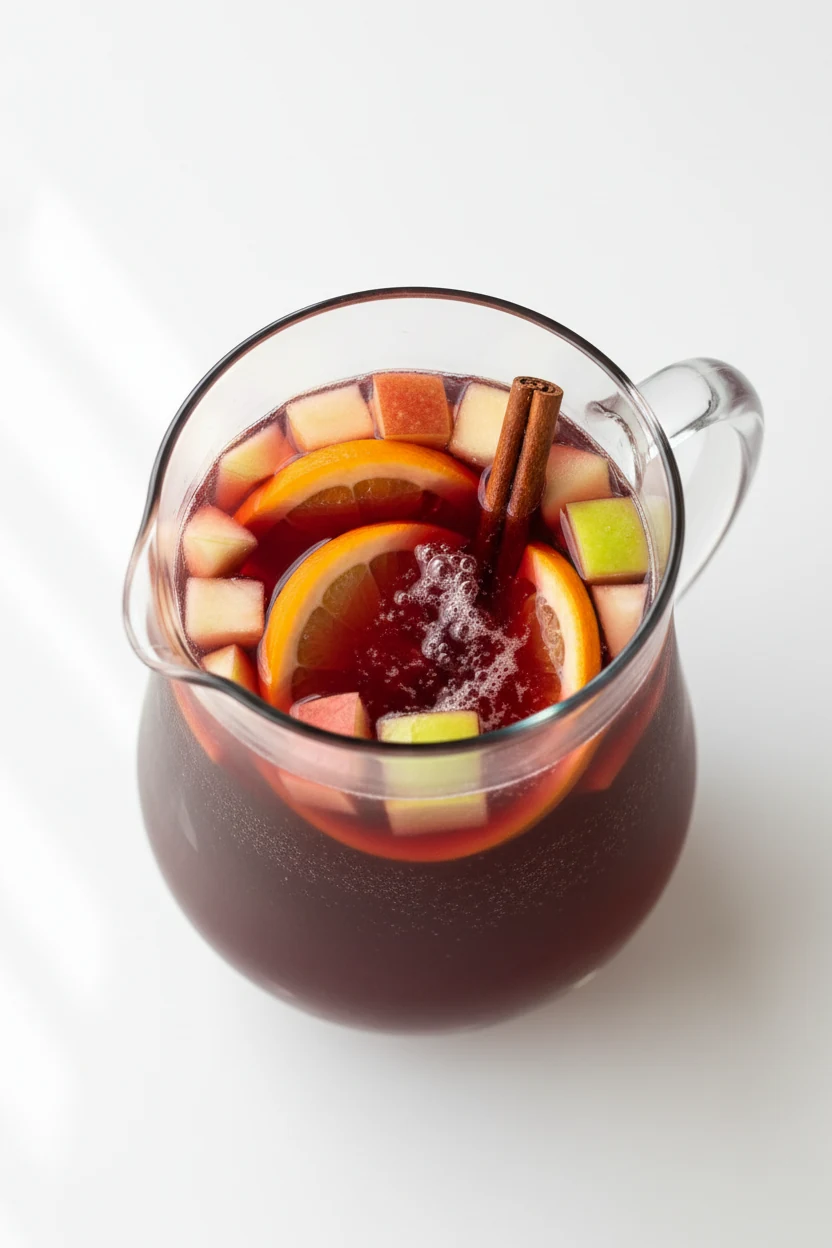
Classic Spanish Red
- Dry Spanish red (Tempranillo or Garnacha)
- Orange and lemon slices
- Diced apple
- Brandy + triple sec
- 2–3 tbsp sugar or simple syrup
- Sparkling water to finish
Build as in the main recipe. Keep sweetness restrained and let the wine speak. Add a cinnamon stick for a subtle, warm aroma.
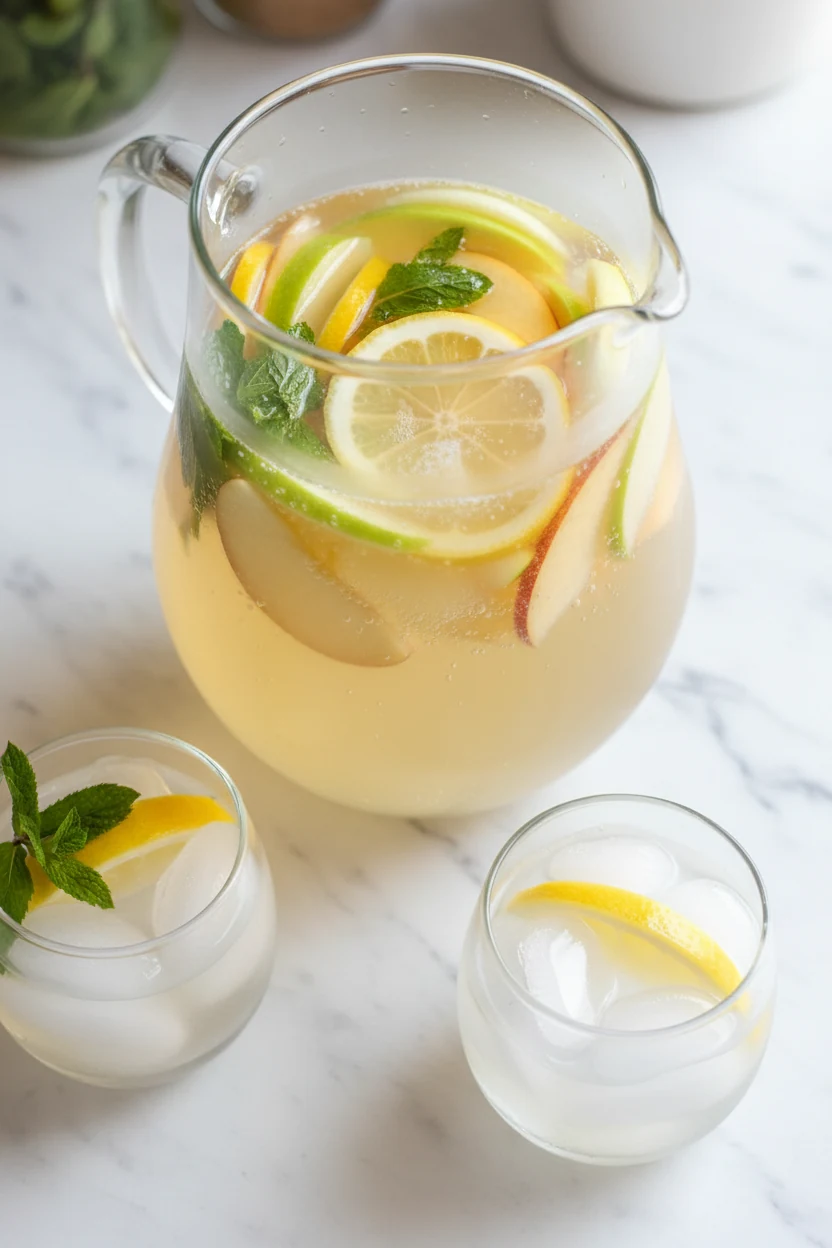
Crisp White Peach
- Dry white wine (Albariño, Sauvignon Blanc)
- Peach slices + green apple
- Lemon wheels
- Peach schnapps or brandy
- Honey or agave to taste
- Lemon seltzer to finish
Gorgeous in summer. Chill well, and don’t over-sweeten—peaches do the heavy lifting. Add mint if you’re feeling fancy.
Rosé Berry Lemonade
- Dry rosé
- Strawberries, raspberries, blueberries
- Lemon slices
- Triple sec
- Simple syrup (light hand)
- Sparkling lemonade to finish
Rosé makes this blushing and bright. Keep lemon slices thin for a crisp edge. It’s Instagram bait—no filter needed.
Tropical Pineapple Mango
- Dry white wine (Pinot Grigio)
- Pineapple chunks + mango slices
- Orange wheels
- Light rum
- Pineapple juice
- Club soda to finish
Sunshine in a glass. Rum adds vacation vibes; pineapple juice adds body. Serve with crushed ice for tiki energy.
Autumn Spiced Cranberry Apple
- Medium-bodied red (Merlot)
- Apple and pear slices
- Orange slices
- Brandy
- Cranberry juice (unsweetened preferred)
- 1 cinnamon stick + 2 cloves (remove before serving)
Cozy, tart, and crowd-pleasing. Cranberry keeps it sharp; spices add warmth. Finish with plain soda water for balance.
Zero-Proof Mocktail Sangria
- Purple grape juice + pomegranate juice (1:1)
- Citrus slices and diced apple
- Splash of orange juice
- 1 tsp apple cider vinegar (for wine-like acidity)
- Honey or agave to taste
- Sparkling water to finish
All the fun without alcohol. ACV adds complexity, not “salad dressing,” promise. TBH, nobody will miss the booze.
Winter Citrus Pomegranate
- Dry red (Rioja) or bold rosé
- Blood orange, grapefruit, and lemon slices
- Pomegranate arils
- Brandy or orange liqueur
- Maple syrup (light)
- Sparkling mineral water
Big citrus energy with jewel-toned pomegranate bits. Maple brings a whisper of richness. Gorgeous for holiday tables.
Spicy Jalapeño Watermelon
- Dry rosé
- Watermelon cubes
- Lime wheels
- Silver tequila
- Jalapeño slices (2–3 rounds; remove seeds for gentler heat)
- Lime seltzer
Sweet, spicy, and very repeatable. Infuse jalapeño for 15 minutes, taste, then remove so you don’t light up the whole party.
Frozen Sangria Slush
- Red or rosé wine (frozen in ice cube trays)
- Frozen berries or peaches
- Orange juice
- Sweetener to taste
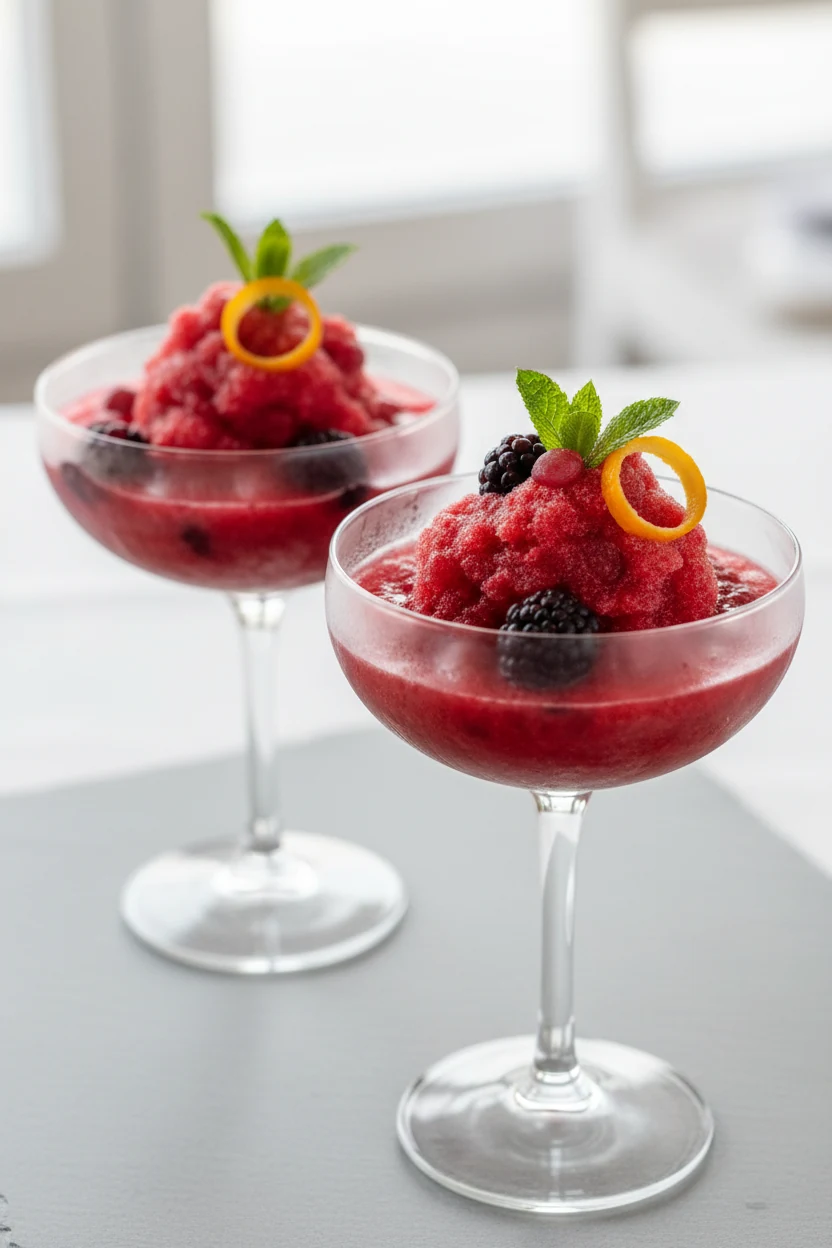
Blend until just smooth, then pulse in a splash of club soda. It’s adult slushie nirvana—don’t overblend or you’ll lose texture.
FAQ
What’s the best wine for sangria?
Use a dry, fruit-forward wine you’d happily drink solo. Spanish reds like Tempranillo or Garnacha are classic for red; Sauvignon Blanc or Albariño work for white; non-sweet rosé shines for pink. Skip oaky, high-tannin bottles; they can fight the fruit.
How long should I chill sangria?
Chill for 2–4 hours for full fruit infusion. Overnight works too, but strain and add fresh fruit before serving if texture matters. Don’t add bubbles until the very end.
Can I make sangria without alcohol?
Yes! Use grape juice + pomegranate juice, add citrus and apple, a splash of orange juice, and a teaspoon of apple cider vinegar for wine-like acidity. Finish with sparkling water. It’s legit.
How do I keep sangria from getting too sweet?
Start with 2 tablespoons sweetener, chill, then taste. Add acid (lemon juice) if it’s flabby, or dilute with sparkling water. Fruit adds sugar naturally, so restraint wins.
Can I use boxed wine?
Absolutely. Quality boxed wines are perfect for big batches and budget-friendly pours. Choose dry options and treat them like any other bottle.
How many servings does one pitcher make?
One 750 ml bottle yields 6–8 servings, depending on glass size and ice. For a party, plan one bottle per 4 guests if you’re serving other drinks too.
Should I peel the fruit?
Keep peels on for flavor and color, especially citrus and apples. Remove thick pith and obvious seeds to avoid bitterness or crunch. Uniform slices look better and release flavor evenly.
Can I add herbs?
Yes—mint, basil, or rosemary (sparingly) add lift. Bruise herbs gently and remove before serving so they don’t take over. A little goes a long way.
How long does sangria last in the fridge?
It stays great for up to 48 hours. After that, fruit gets soft and the balance drifts. Refresh with new fruit and a splash of fresh wine if you’re stretching it.
What sweetener is best?
Simple syrup dissolves instantly; honey adds floral notes; agave blends easily and tastes clean. Start small and build—this isn’t a dessert cart.
Wrapping Up
Sangria turns regular wine into a shareable moment—fast to make, fun to serve, and easy to customize. Pick a base, stack in seasonal fruit, chill, and add bubbles at the finish line. Keep it balanced, keep it cold, and let the pitcher do the flexing. Your guests get the “wow,” and you get the win—glass in hand, stress offline.
Printable Recipe Card
Want just the essential recipe details without scrolling through the article? Get our printable recipe card with just the ingredients and instructions.