Couscous Recipes You’ll Crave Every Week
Quick, flavorful meals ready in under 30 minutes—packed with nutrients and endless customization for everyday dining.
If you think couscous is just a bland side dish, you’re about to have your culinary mind blown. This tiny, humble grain has the power to be your go-to meal base when time is tight and taste buds demand excitement. Forget expensive takeout—couscous can turn pantry scraps into a plate worthy of a chef’s Instagram. The best part? You’ll feel like you cheated the system by making something this good, this fast. Sure, pasta gets all the glory, but couscous is here to steal the spotlight. Ready to upgrade your weeknight game? Let’s go.
Why You’ll Love This Recipe
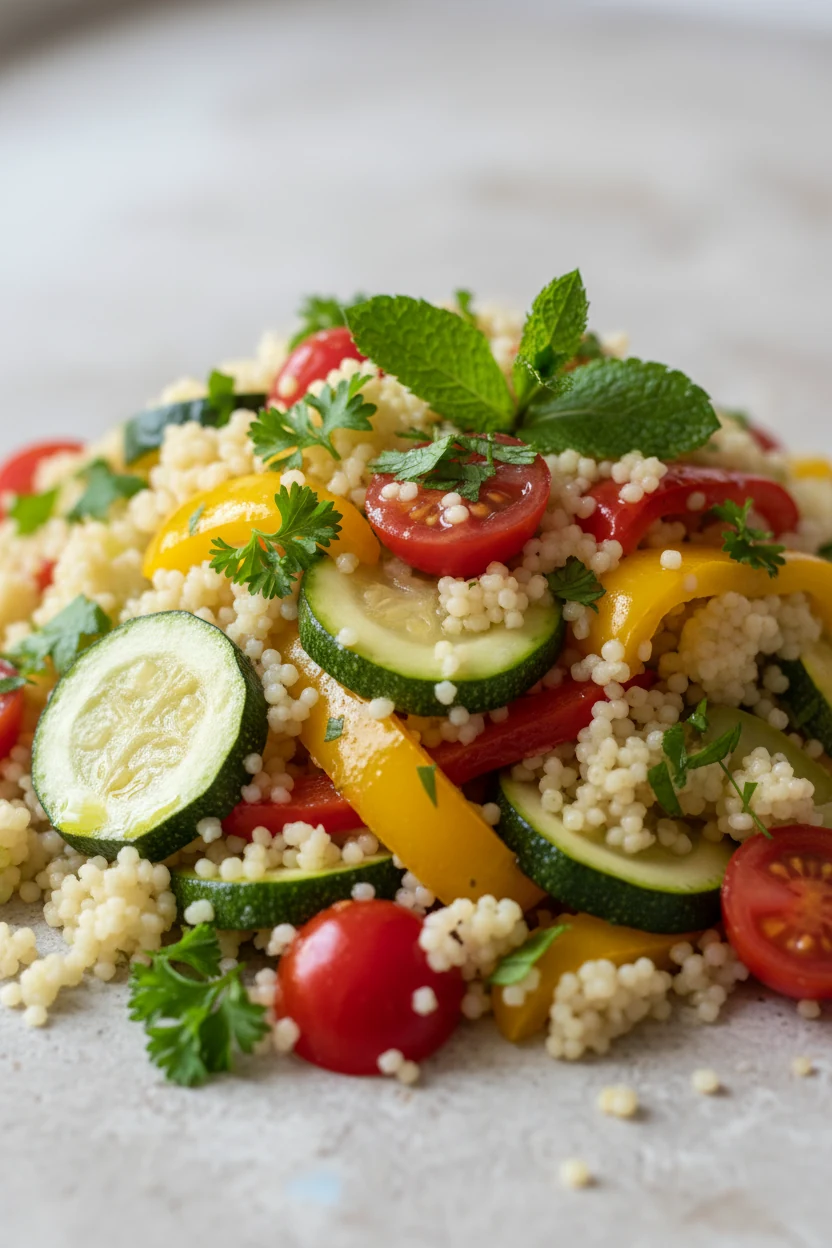
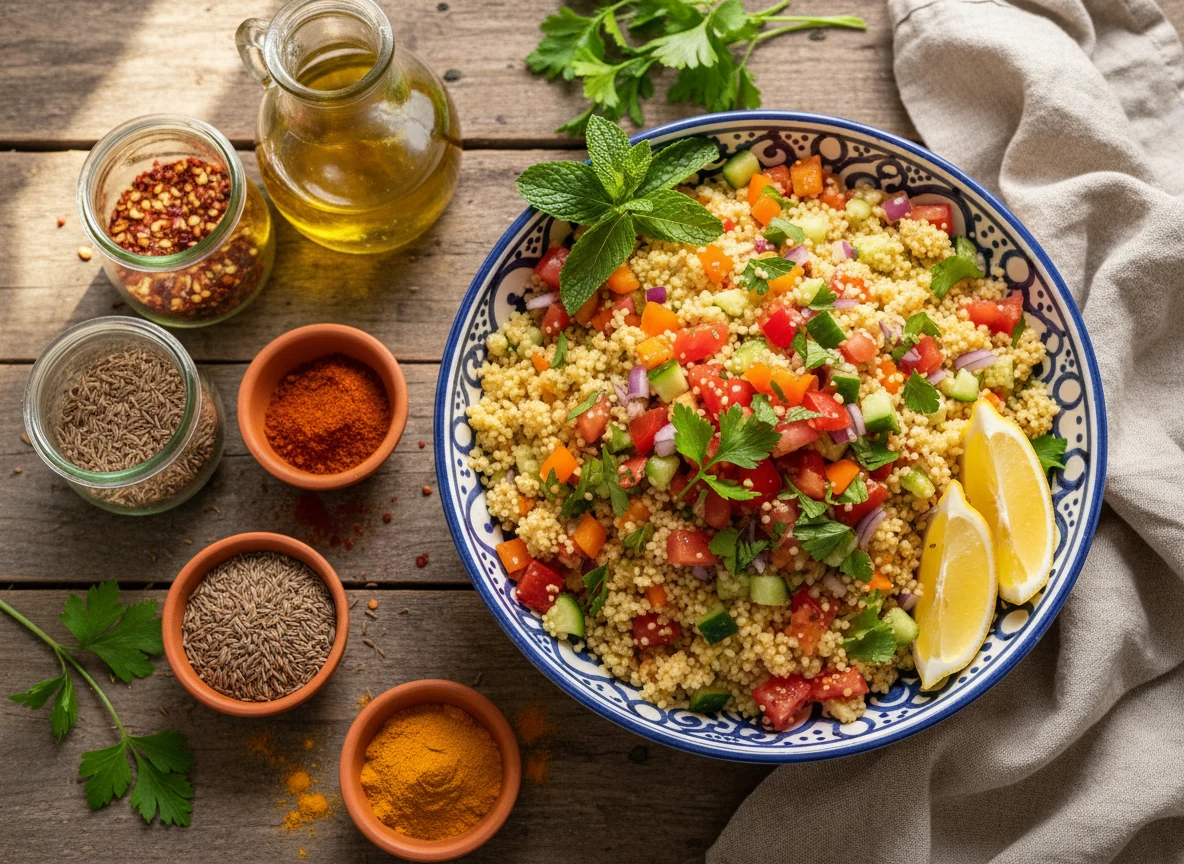
Think of couscous as the empty canvas in your kitchen—quick to cook, adaptable, and quietly brilliant. It absorbs flavors like a sponge, meaning that whatever sauce, spice, or protein you throw its way skyrockets to star status. Plus, it’s light enough to keep you from post-meal sluggishness, yet filling enough to power you through the afternoon. You can dress it up for guests or keep it casual for your Tuesday lunch. Basically, it’s the multitasker in the grain aisle you didn’t know you needed.
What Goes Into This Recipe – Ingredients
- Instant couscous – 1 cup
- Olive oil – 2 tablespoons
- Boiling water or vegetable broth – 1 cup
- Salt – 1/2 teaspoon
- Black pepper – 1/4 teaspoon
- Lemon juice – 1 tablespoon
- Fresh herbs (parsley, cilantro, mint) – 2 tablespoons chopped
- Vegetables (bell peppers, zucchini, cherry tomatoes) – 1 cup, diced
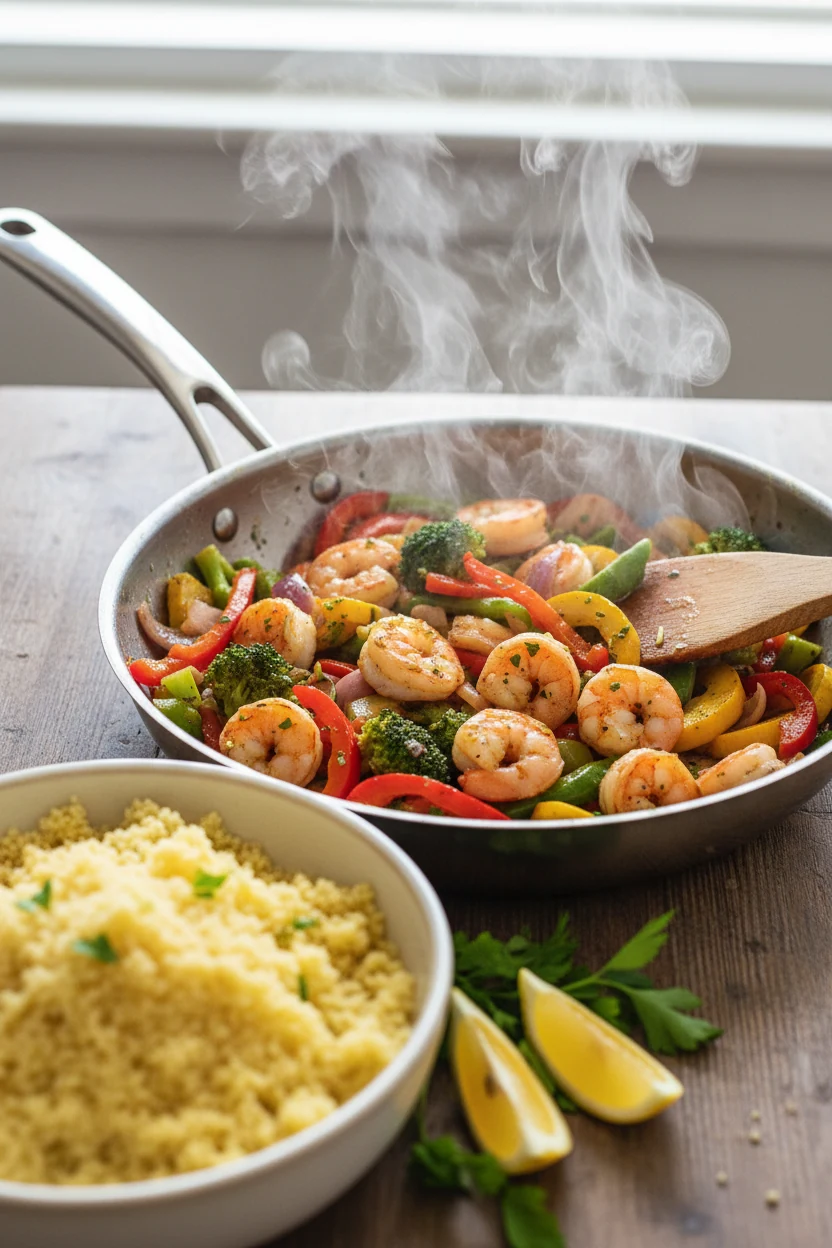
- Optional protein (chicken strips, chickpeas, shrimp) – 1 cup
- Spices of choice (paprika, cumin, turmeric) – 1 teaspoon total
Cooking Instructions
- Place couscous in a large heatproof bowl.
- Add olive oil, salt, and spices—mix to coat the grains evenly.
- Pour in boiling water or broth, stir briefly, and cover with a lid or plate.
- Let sit for 5 minutes to absorb liquid.
- Fluff with a fork to separate grains (no one likes clumpy couscous, IMO).
- Sautée vegetables and optional protein in a skillet until tender.
- Mix vegetables and protein into couscous.
- Drizzle with lemon juice and sprinkle with fresh herbs.
- Serve immediately while it’s light and fluffy.
Preservation Guide
Couscous stores surprisingly well for short periods. Keep leftovers in an airtight container in the fridge for up to 3 days. If you plan ahead, cook the grains plain and store them separately from the veggies and proteins—this stops moisture from turning your fluffy masterpiece into soggy sadness. Reheat by steaming in a microwave with a splash of water or broth to restore texture. Avoid freezing if possible; the ice crystals mess with that delicate grain structure.
Why This is Good for You
Couscous is low in fat and a solid source of plant-based proteins, especially if paired with beans or legumes. Whole wheat couscous brings more fiber, keeping your digestion on track and hunger at bay. The quick cooking time means nutrients from added veggies stay intact rather than boiling away into oblivion. And let’s be real—it’s satisfying without sending you into a carb coma. This makes it ideal for busy health-conscious eaters.
Pitfalls to Watch Out For
- Overwatering: Too much liquid equals mush. Stick to the ratio.
- Skipping the fluff stage: You’ll end up with sad, sticky lumps.
- Under-seasoning: Couscous is neutral by nature; amp up the flavor.
- Forgetting to rest covered: Steam is your friend—it finishes the cooking.
- Mixing too early: Let it fluff before adding heavy toppings or it compacts.
Recipe Variations
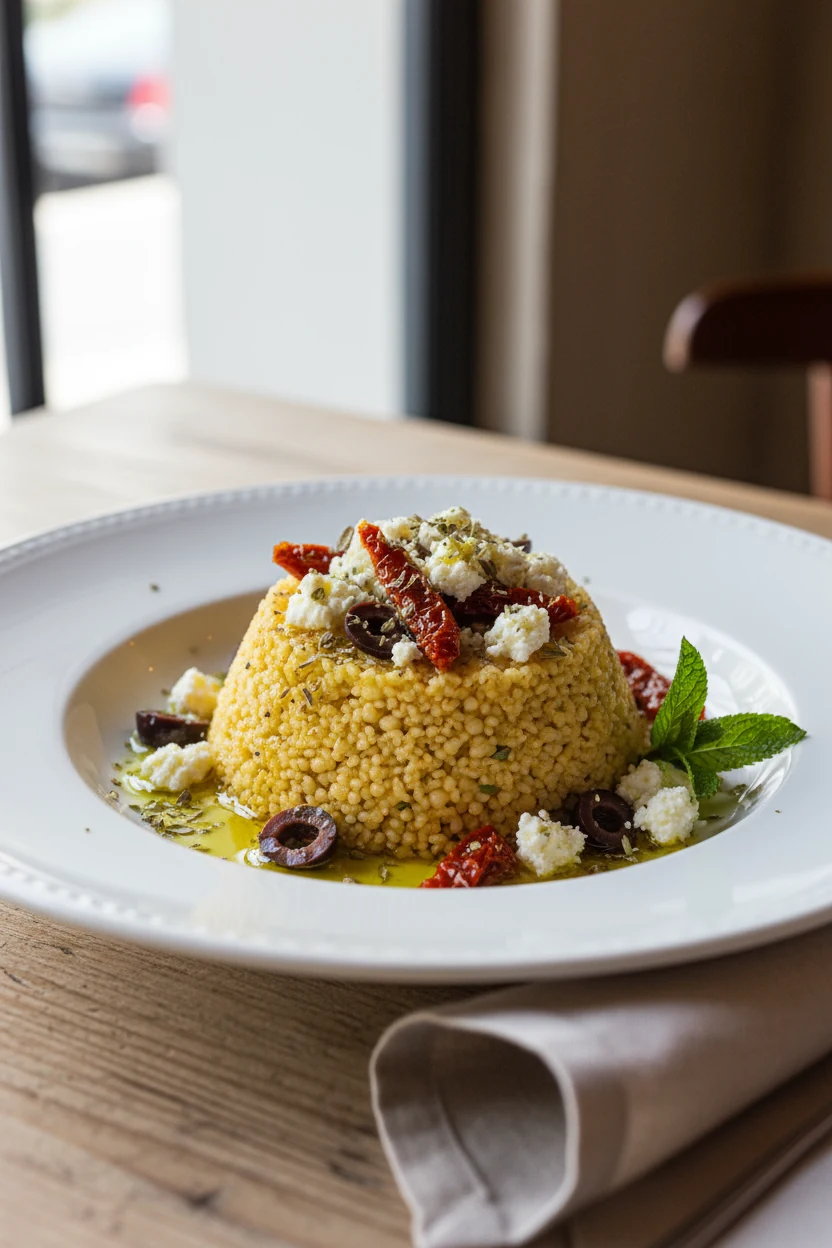
- Mediterranean style: Add feta, olives, sun-dried tomatoes, and oregano.
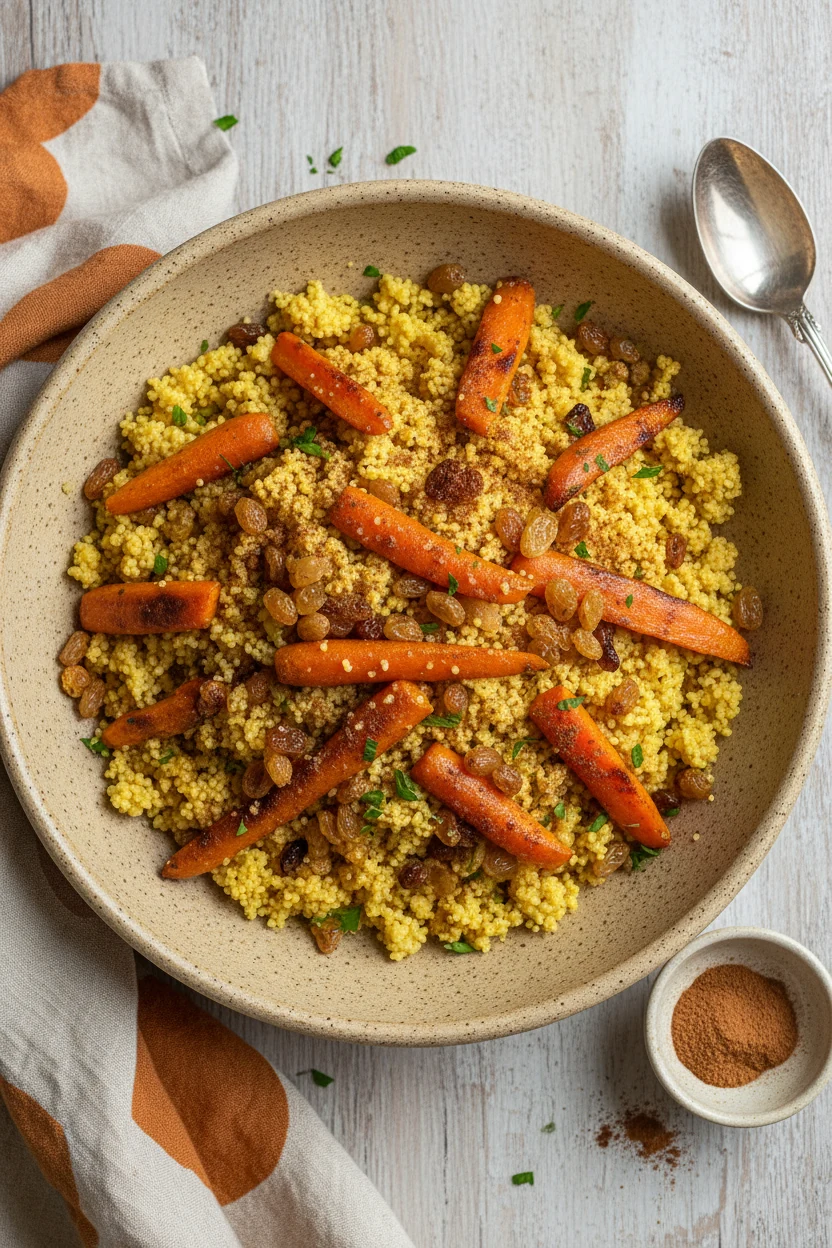
- Moroccan-inspired: Throw in raisins, cinnamon, and roasted carrots.
- Protein boost: Combine with grilled salmon or seasoned tofu strips.
- Spicy kick: Use harissa paste or chili flakes for heat seekers.
- Breakfast couscous: Sweeten with honey, berries, and a sprinkle of nuts.
FAQ
Can I use whole wheat couscous?
Absolutely. Whole wheat couscous has more fiber and a nuttier flavor—great for digestion and for adding character to the dish.
Is couscous gluten-free?
Nope. Couscous is made from durum wheat semolina, so it does contain gluten. For a GF option, try quinoa or millet instead.
Can I make it without olive oil?
Yes, but olive oil adds a silky texture and boosts flavor. Without it, couscous may taste dry. You can swap in butter or avocado oil.
How do I get fluffy couscous every time?
Use the correct water ratio, cover while resting, and fluff gently with a fork before mixing in extras. No shortcuts—it’s worth the minute of patience.
Can I serve couscous cold?
Sure thing. It works perfectly in chilled salads. Just store cooked couscous in the fridge, toss with fresh veggies, dressing, and herbs before serving.
The Bottom Line
Couscous might look humble, but it’s a powerhouse of speed, flavor, and versatility. It offers an instant fix for “what’s for dinner?” moments and adapts to any flavor profile you throw at it. Once you master the basics, you’ll be swapping ingredients like a seasoned pro—creating dishes that impress without breaking a sweat or your budget. Now that you know the tricks, this could easily become your weekly favorite.
Printable Recipe Card
Want just the essential recipe details without scrolling through the article? Get our printable recipe card with just the ingredients and instructions.