Kale Recipes You’ll Crave Even if You Hate Salads
From crispy chips to smoothie boosts, these ideas turn greens into your next obsession for busy weekdays or fancy weekend feasts.
Let’s be real: kale gets a bad rap. People joke about it being rabbit food, but behind that leafy exterior lies a flavor powerhouse waiting to flex. Forget bland salads — this stuff can go crispy, creamy, or undercover in your morning smoothie without you noticing. The best part? You’ll look like a health guru while secretly enjoying your food. Think of it as the leafy trickster in your kitchen toolbox, ready to surprise everyone at dinner.
What Makes This Recipe Awesome
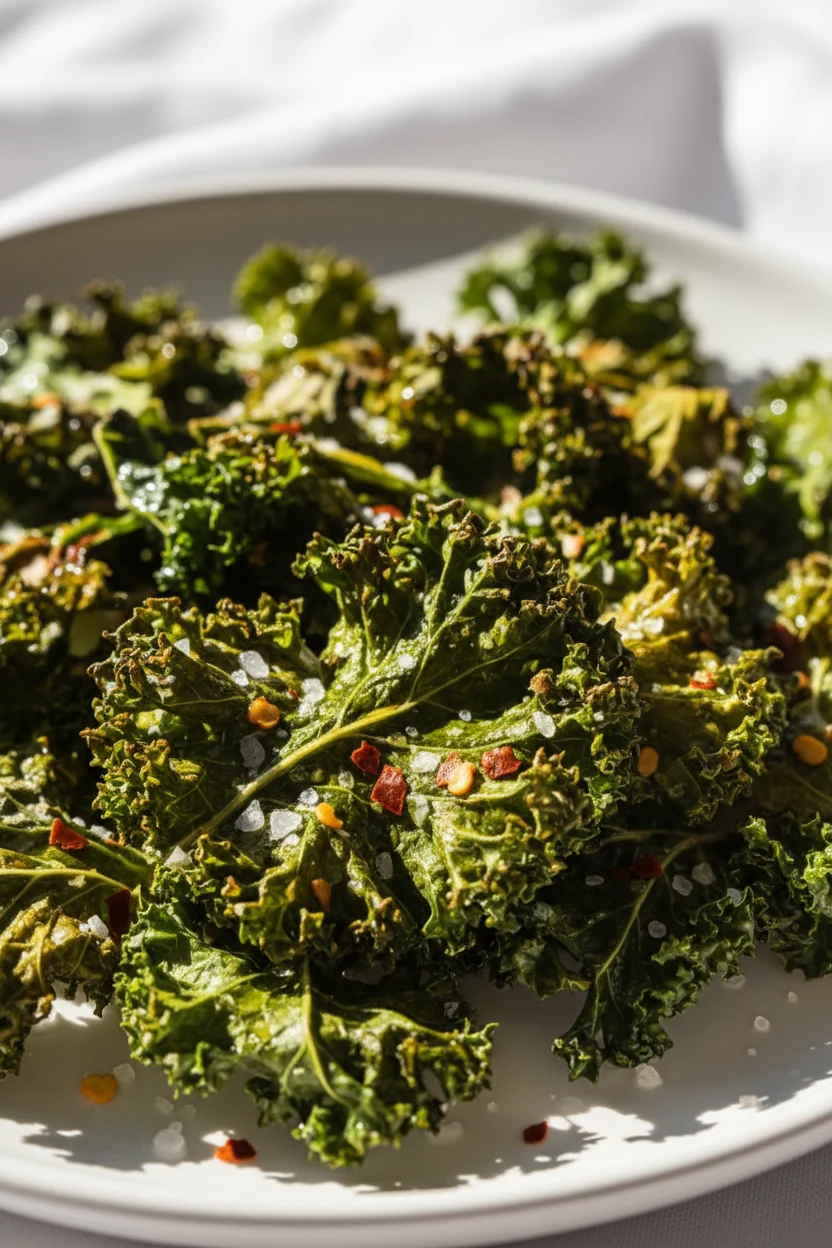
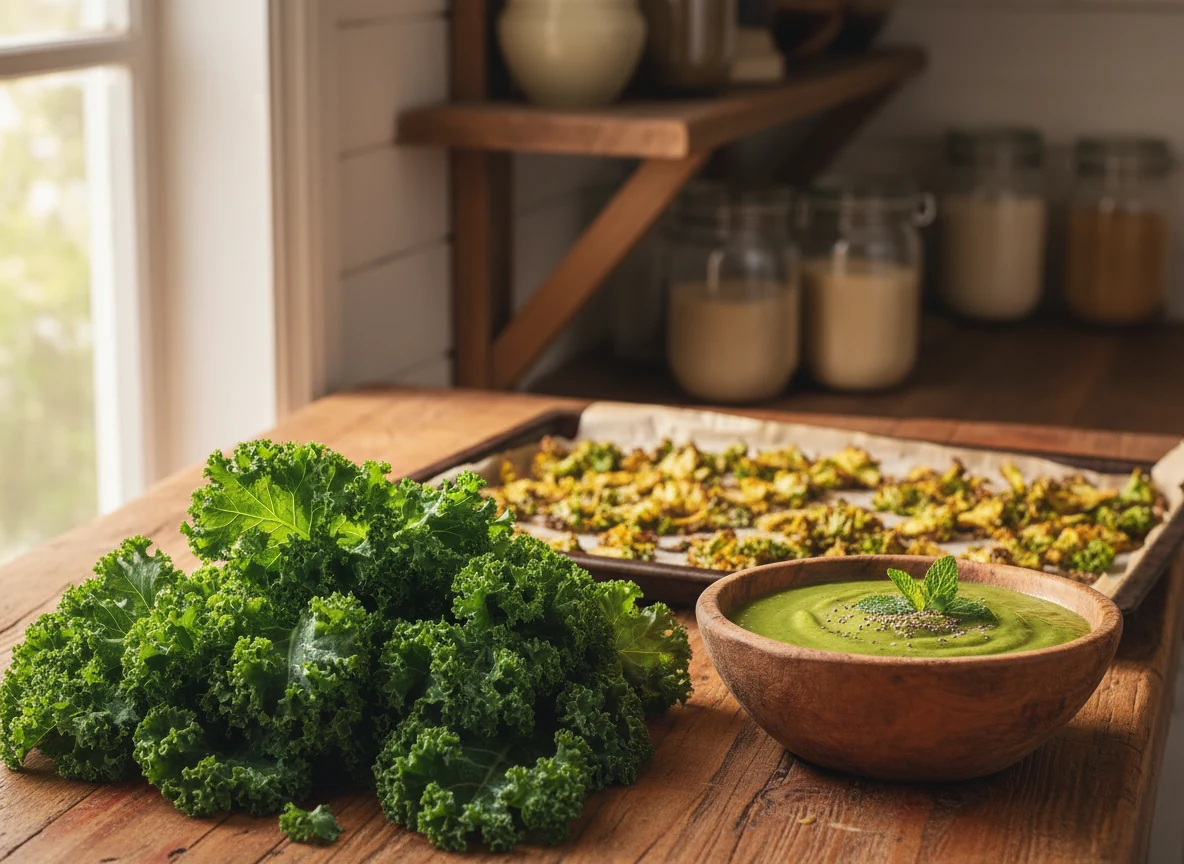
This isn’t just another “throw kale in a bowl” kind of situation. We’re talking dishes that make kale shine for both flavor and texture. Whether it’s paired with tangy lemon and garlic, blended into soups for richness, or baked into chips for crunch, these recipes have one mission: destroy the stereotype that healthy equals boring. Plus, kale’s versatility means you’ve got options whether you’re vegan, keto, or just hungry.
What Goes Into This Recipe – Ingredients
- Fresh kale leaves (curly or lacinato)
- Olive oil or avocado oil
- Sea salt
- Garlic cloves
- Lemon juice
- Parmesan cheese or nutritional yeast
- Red pepper flakes
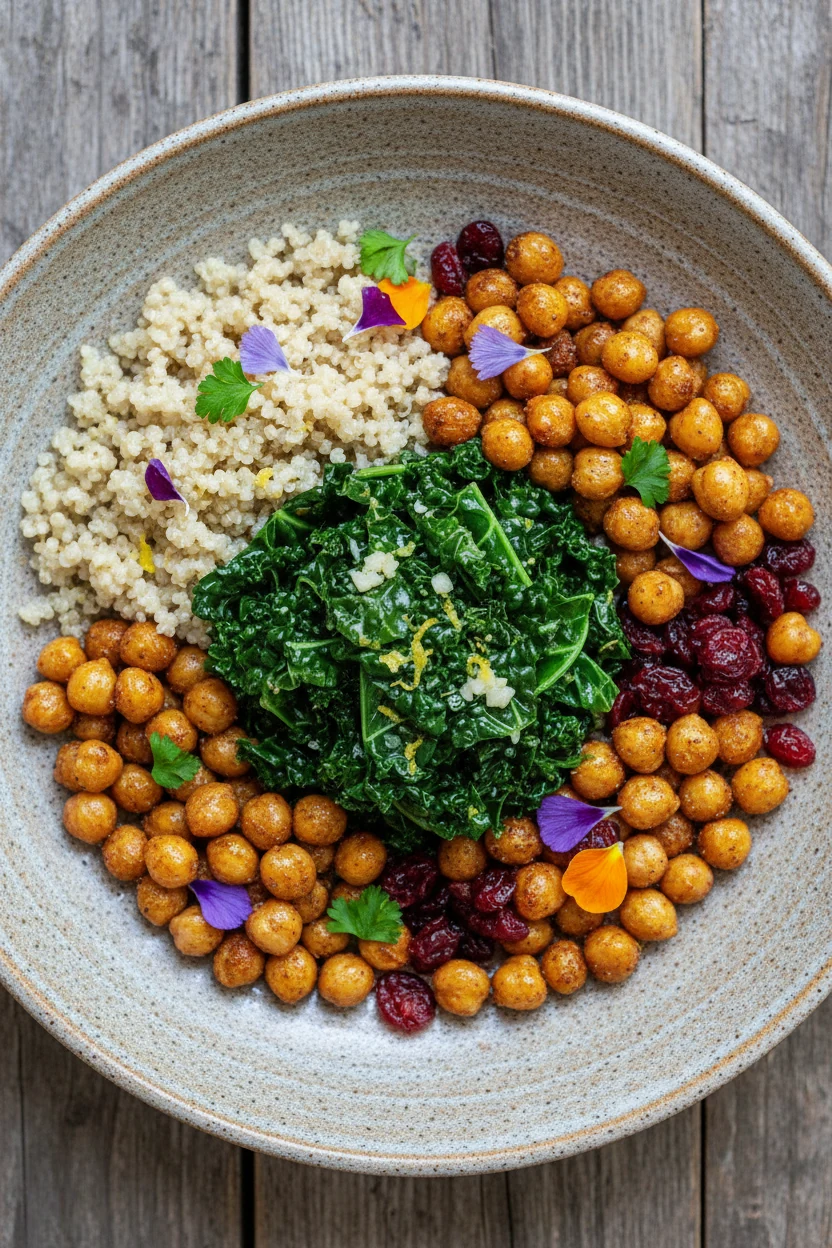
- Optional extras: chickpeas, cooked quinoa, nuts, dried cranberries
Step-by-Step Instructions
- Wash and prep the kale: Remove tough stems, tear leaves into bite-sized pieces, and dry thoroughly.
- Add oil and season: Toss with olive oil, salt, and preferred spices until evenly coated.
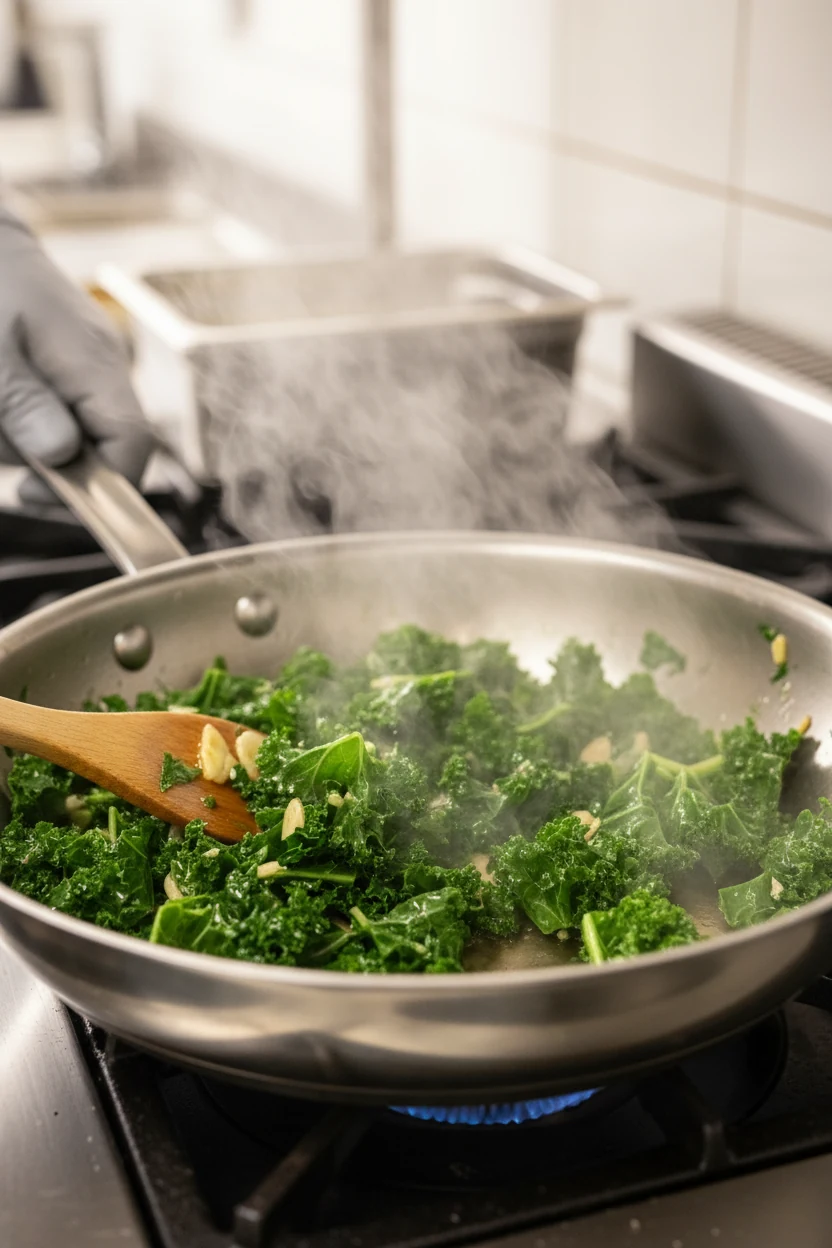
- Cook or bake: Depending on your recipe — sauté for a few minutes, roast at 350°F for chips, or blend into soups.
- Flavor boost: Add lemon juice and garlic once heat is off to keep it zesty.
- Serve creatively: As a base for grain bowls, a topping for pasta, or a crunchy snack with hummus.
Keeping It Fresh
Kale’s a hardy green, but even superheroes need care. Store unwashed leaves in a breathable bag in the fridge to maintain crispness. For prepped kale, keep it in an airtight container with a paper towel to absorb moisture. Avoid overstuffing the container — it’s not a clown car, and overcrowding will make it wilt faster.
Nutritional Perks
Kale’s like nature’s multivitamin. It’s loaded with vitamin K for bone health, vitamin C for immunity, and antioxidants to keep free radicals in check. Oh, and it packs fiber — your gut will thank you later. Low in calories yet high in nutrient density, it’s basically the ultimate cheat code for eating smart without sacrificing flavor.
Common Mistakes to Avoid
- Skipping the massage: Yes, kale likes a good rub; massaging softens tough fibers and improves taste.
- Overcooking: Don’t turn it into green mush — a few minutes is enough.
- Under-seasoning: Kale’s bold, so match that energy with seasoning.
- Buying limp leaves: Freshness matters; limp kale tastes like regret.
Mix It Up
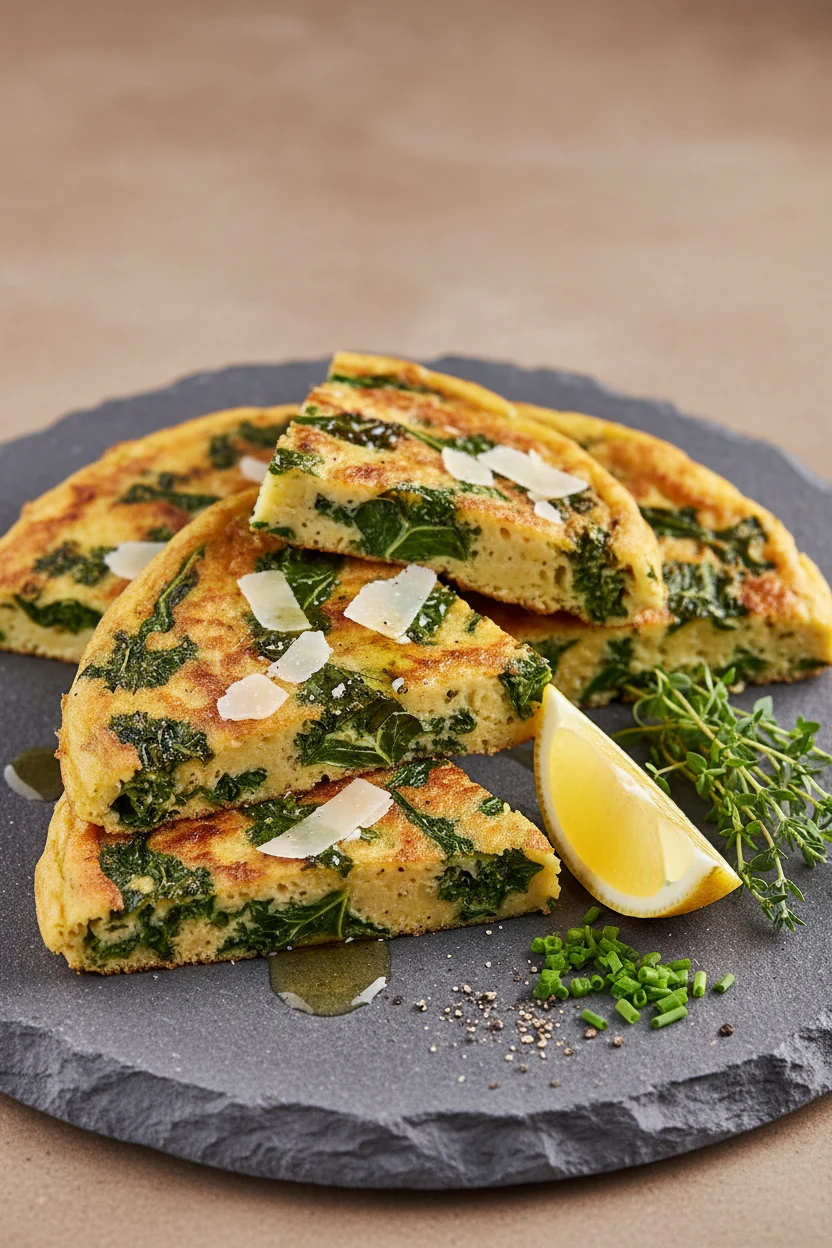
Don’t get stuck in a “kale salad forever” rut. Toss it into a stir-fry with sesame oil, bake into cheesy frittatas, or blend into pesto for a bright twist. For a mood shift, roast kale with sweet potatoes for a hearty, color-packed side. Or, if you’re feeling bold, try kale in smoothies with pineapple — yes, it works, and yes, it tastes good.
FAQ
Can I freeze kale?
Absolutely. Wash, chop, and blanch it first to lock in color and nutrients. After that, store in freezer bags for up to six months.
Is raw kale safe to eat?
Yes, but massaging with oil or lemon helps make it easier to chew and digest.
What’s the best oil for kale chips?
Olive oil is classic, but avocado oil gives a richer flavor and handles higher heat better.
Why does my sautéed kale turn bitter?
Overcooking releases bitterness, so keep it quick and use enough seasoning to balance the flavors.
Can I eat kale stems?
You can! Chop them finely and cook a bit longer than the leaves, or add them to soups and stews.
In Conclusion
Kale recipes aren’t about forcing yourself to “eat your greens” — they’re about unlocking killer flavors and textures that happen to be healthy. So whether you’re whipping up crispy chips, tossing it in pasta, or sneaking it into smoothies, kale earns its spot in your kitchen. Next time someone calls it rabbit food, just smile and serve them a plate. Bet they’ll be chewing their words… along with your kale.
Printable Recipe Card
Want just the essential recipe details without scrolling through the article? Get our printable recipe card with just the ingredients and instructions.