Epic Salad Dressing Recipes to Instantly Elevate Your Greens
Discover versatile homemade dressings that turn plain salads into unforgettable meals, with fresh flavors for any occasion.
Ever felt betrayed by a sad, lifeless salad? You know, the kind that looks like it came straight from an airline meal tray. The problem isn’t the lettuce—it’s the dressing. That golden drizzle is what gives a salad personality, attitude, and a reason for you to actually finish it. Skip the store-bought bottles with unpronounceable ingredients; they’re basically flavor imposters. Here’s the secret: once you make your own, you’ll never go back. And yes, your taste buds will send you thank-you notes.
Why You’ll Love This Recipe
These recipes are quick, inexpensive, and ridiculously adaptable. You can batch them up on Sunday and still enjoy them by Friday without them losing flair. They’re customizable for any dietary preference—vegan, keto, gluten-free, you name it. Plus, they actually make you want to eat more greens. That’s basically a nutritional win-win, IMO.
Ingredients Breakdown
- Olive oil: The base of many dressings, adding richness and smooth texture.
- Vinegar: Choose balsamic, apple cider, or rice vinegar for different flavor profiles.
- Mustard: Adds tang and helps emulsify the dressing.
- Honey or maple syrup: Balances acidity with natural sweetness.
- Garlic: Crushed or minced for a bold kick.
- Lemon juice: Fresh zest and juice for brightness.
- Salt and pepper: The non-negotiables for seasoning.
- Herbs: Fresh dill, parsley, basil, or dried Italian mix for depth.
Step-by-Step Instructions

- Measure the base: Start with 3 parts olive oil to 1 part vinegar or citrus juice.
- Add flavor agents: Mix in mustard, garlic, and sweetener of choice.
- Season smart: Add salt and pepper, tasting as you go—don’t blindly trust measurements.
- Herb it up: Toss in fresh herbs for that “I actually tried” vibe.
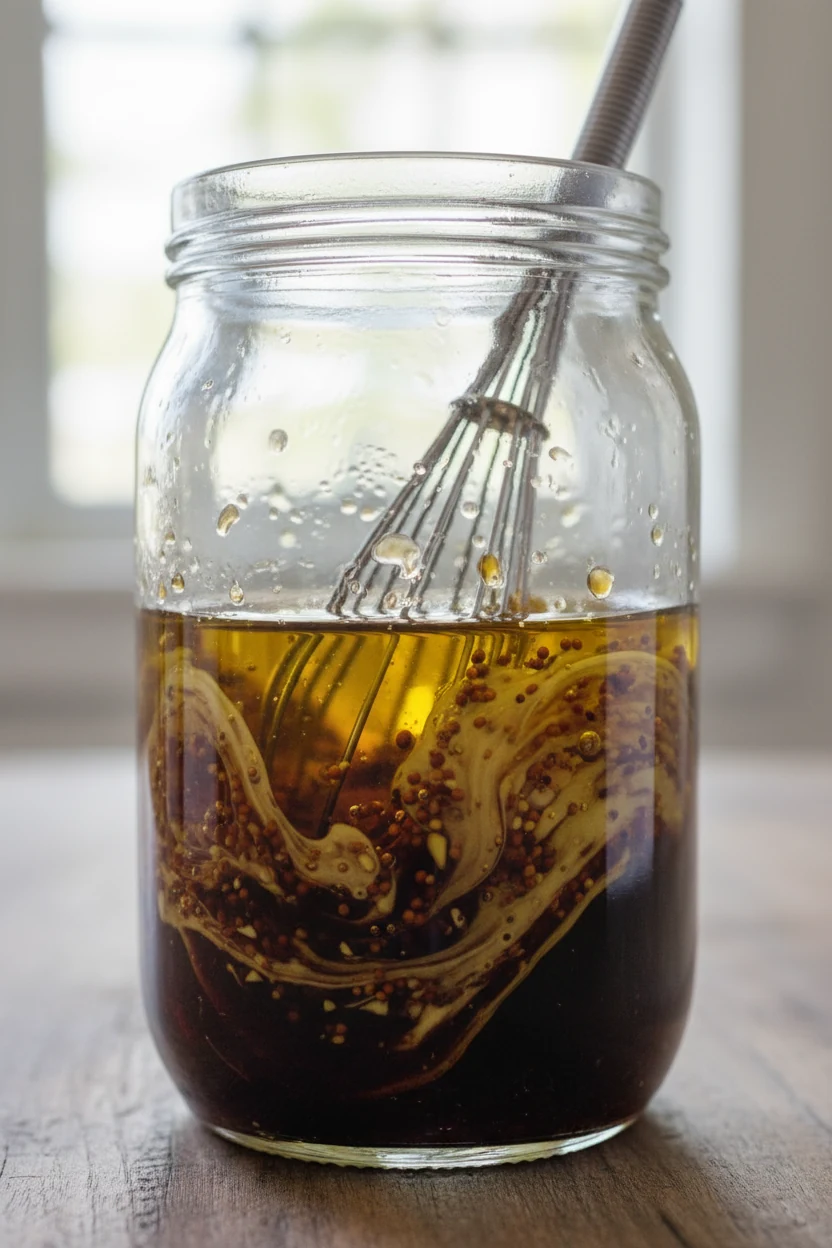
- Whisk or shake: Use a whisk in a bowl or shake vigorously in a jar for 20–30 seconds.
- Adjust to taste: If it bites too hard, add more sweetener; if it’s too mellow, up the acid.
- Serve immediately: Drizzle over your salad for peak flavor impact.
How to Store
Pour into an airtight jar or bottle and keep in the fridge. Most oil-based dressings last up to a week, though citrus-heavy versions are best within 3–4 days. If the oil solidifies in the cold, let it sit at room temperature for 15 minutes before shaking it back to life. Pro tip: label with the date so you don’t accidentally taste last month’s science experiment.
What’s Great About This
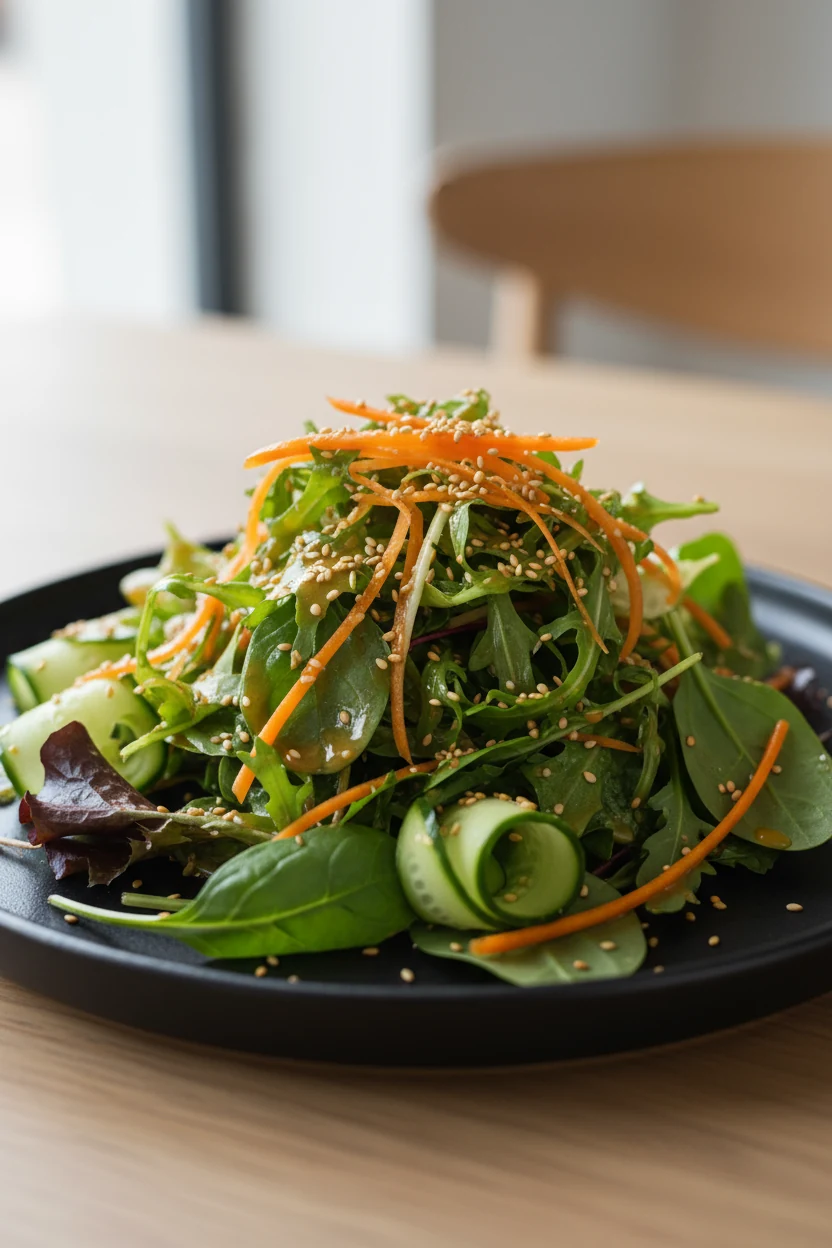
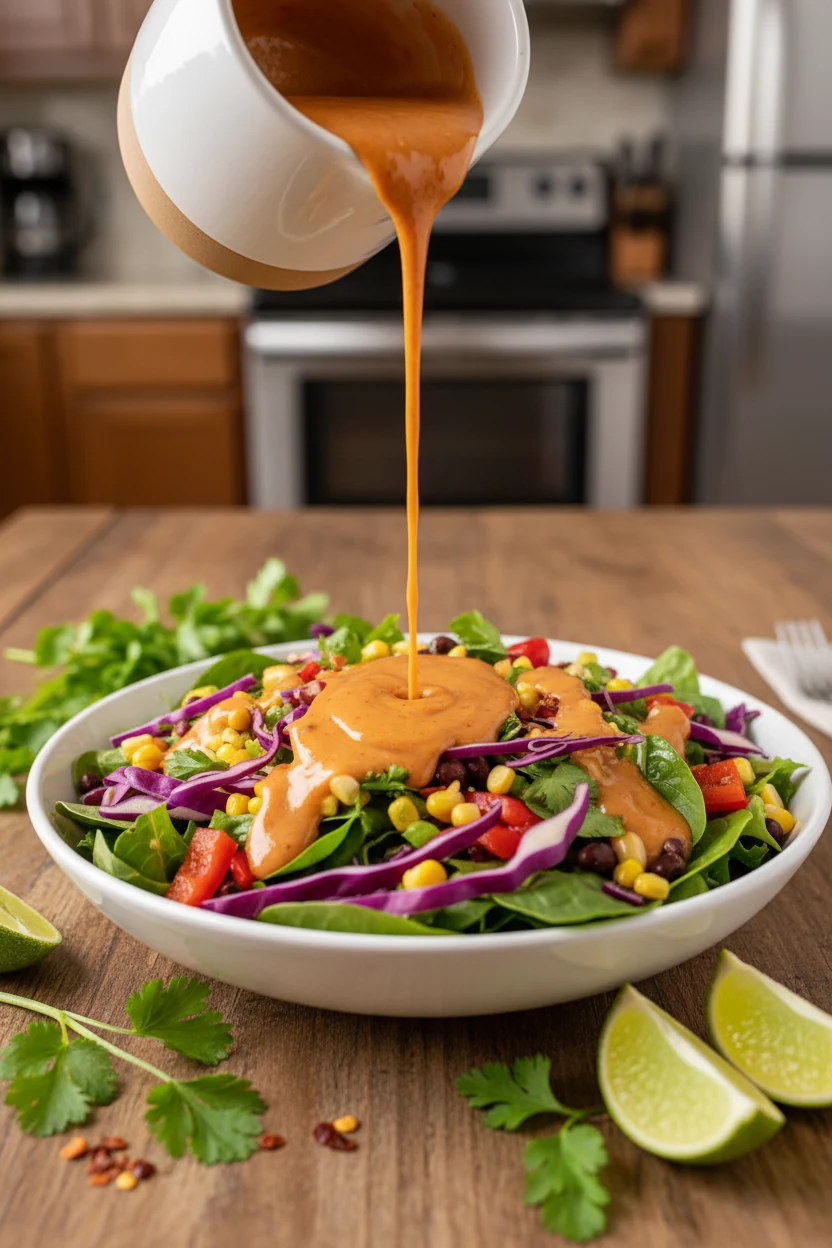
You control every ingredient. That means no weird preservatives or secret sugar bombs lurking in there. You can make flavors that fit exactly what you’re serving—spicy for taco night, mellow for brunch, punchy for dinner parties. Also, you’ll impress guests with phrases like “Oh, I just whipped this up,” as if you’re some laid-back culinary genius.
Avoid These Mistakes
- Over-salting: Salt intensifies over time, so be conservative upfront.
- Skipping the emulsifier: Without mustard or egg yolk, oil and vinegar may split into a sad separation.
- Too much acid: Unless you’re going for Sour Patch Salad, balance it with sweetness.
- Using old oil: Rancid olive oil equals instant culinary failure.
- Neglecting taste tests: Always sample before serving—guesswork belongs in art, not cooking.
Different Ways to Make This
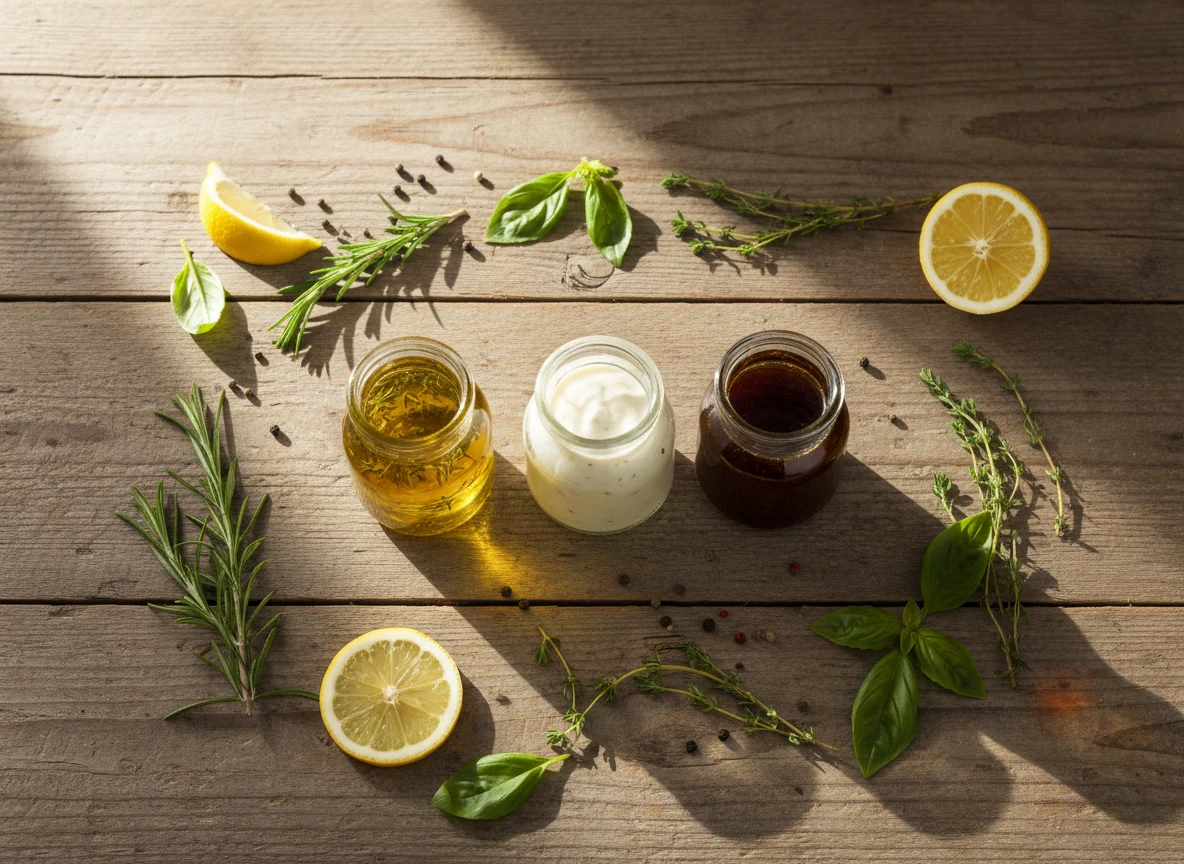
- Classic vinaigrette: Olive oil, red wine vinegar, Dijon mustard, garlic, salt, pepper.
- Asian sesame dressing: Sesame oil, rice vinegar, soy sauce, honey, ginger.
- Creamy ranch: Greek yogurt, garlic powder, onion powder, parsley, dill.
- Spicy chipotle: Olive oil, lime juice, chipotle peppers, honey.
- Tahini lemon: Tahini, lemon juice, olive oil, garlic, turmeric.
FAQ
Can I make salad dressing without oil?
Yes! Try blending avocado, hummus, or yogurt for creaminess without traditional oils. The texture stays rich and satisfying.
What’s the best vinegar for salads?
Balsamic is rich and sweet, apple cider has tangy health benefits, and rice vinegar is delicate for lighter flavor balance.
How can I make my dressing creamy?
Add Greek yogurt, mayo, tahini, or blended nuts. Creaminess also comes from vigorous whisking to emulsify ingredients.
Do homemade dressings go bad quickly?
Oil-based versions last about a week, while dairy-based ones should be consumed within 3–4 days for safety and taste.
Can I freeze salad dressing?
Not recommended for oil-based dressings—they separate when thawed. Dairy-based can sometimes freeze, but texture changes.
My Take
I’ve made enough dressings to know that the “secret ingredient” is usually confidence—in flavor balance and in creativity. Making your own isn’t just about taste, it’s about that subtle pleasure of knowing exactly what’s in your food. And let’s be real, a killer dressing can convince even the most salad-skeptical friend to grab a fork. Homemade beats bottled every single time—and it takes less time than scrolling for a recipe online.
Printable Recipe Card
Want just the essential recipe details without scrolling through the article? Get our printable recipe card with just the ingredients and instructions.