Pork Loin Recipes That Wow: Easy, Juicy, Weeknight Wins
From fast weeknight roasts to crowd-pleasing sliders, learn the simplest way to keep pork ultra-juicy, flavorful, and stress-free.
You know that roast that looks fancy but costs less than takeout? That’s this pork loin. It’s the “big flavor, small effort” move that feeds six, crushes meal prep, and still tastes like you spent Saturday at culinary school. The trick isn’t mystery spice blends or expensive gadgets—it’s a few small steps done right. Nail those, and you’ll get tender slices and a glossy pan sauce that makes people ask for seconds. And if you like leftovers (who doesn’t?), this is the gift that keeps on giving.
Why You’ll Love This Recipe
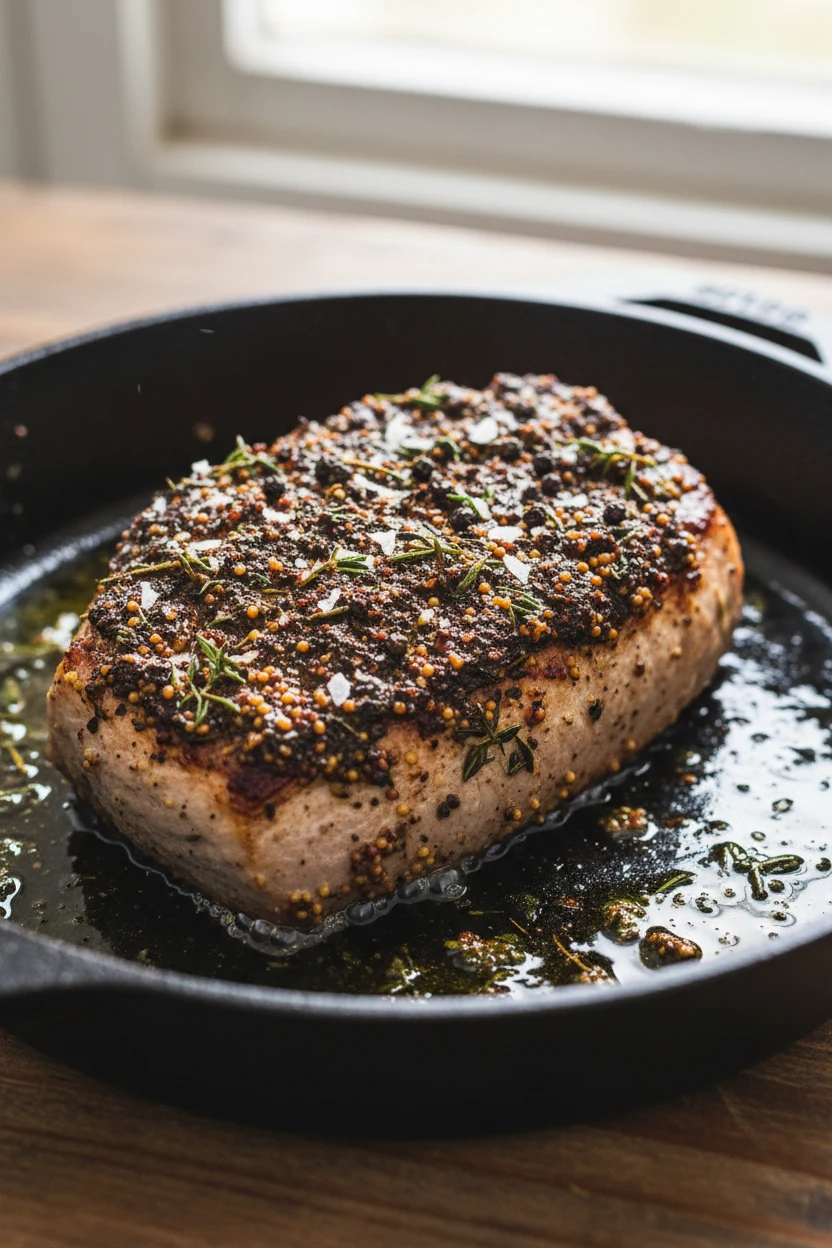
Think “restaurant-quality” without the chef drama. This pork comes out tender, sliceable, and juicy—no dry wedges pretending to be dinner. It’s seasoned with a garlicky herb crust, seared for big flavor, and finished in the oven to the perfect internal temp.
- Reliable juiciness: Pull it at 140–145°F, rest, and enjoy perfect slices.
- Fast and flexible: Weeknight-friendly, yet impressive for guests and holidays.
- Budget-friendly protein: A large roast feeds a crowd for less than steaks.
- One pan, big payoff: Sear, roast, then swipe the fond into an easy skillet sauce.
What Goes Into This Recipe – Ingredients
Serves 6–8
- 1 boneless pork loin (3–4 lb), trimmed
- 2 tsp kosher salt (plus more to taste)
- 1 tsp freshly ground black pepper
- 4 cloves garlic, minced (or 2 tsp garlic powder)
- 2 tsp onion powder
- 1 tbsp Dijon mustard
- 2 tbsp olive oil
- 1 tsp dried thyme (or 1 tbsp fresh, chopped)
- 1 tsp dried rosemary (or 1 tbsp fresh, chopped)
- 1/2 tsp smoked paprika
- 1/4 tsp crushed red pepper (optional, for heat)
For the quick pan sauce:
- 1 cup low-sodium chicken stock
- 2 tbsp unsalted butter
- 1 tsp soy sauce or Worcestershire
- 1 tsp lemon juice (or apple cider vinegar)
- 1 tsp cornstarch mixed with 1 tsp water (optional, for light thickening)
Cooking Instructions
- Prep the loin: Pat the pork dry. If one end is much thinner, tie the roast with kitchen twine every 2 inches for even cooking. Season all over with salt and pepper, then let it sit 20–60 minutes (or refrigerate up to 24 hours for a dry brine).
- Heat the oven: Preheat to 425°F. You’ll start hot for color, then lower for tenderness.
- Make the flavor paste: In a small bowl, mix garlic, onion powder, thyme, rosemary, smoked paprika, Dijon, and olive oil. Rub the paste all over the pork.
- Sear for crust: Heat a large oven-safe skillet over medium-high. Add a splash of oil and sear the pork 2–3 minutes per side until deep golden. Crust = flavor. FYI, don’t skip this.
- Roast smart: Transfer the skillet to the oven. Roast 10–12 minutes at 425°F, then reduce to 350°F and continue 15–25 minutes, until a probe thermometer in the center reads 140–145°F.
- Rest like a pro: Move the pork to a cutting board and tent loosely with foil. Rest 10–15 minutes so the juices redistribute. Slice later; thank yourself now.
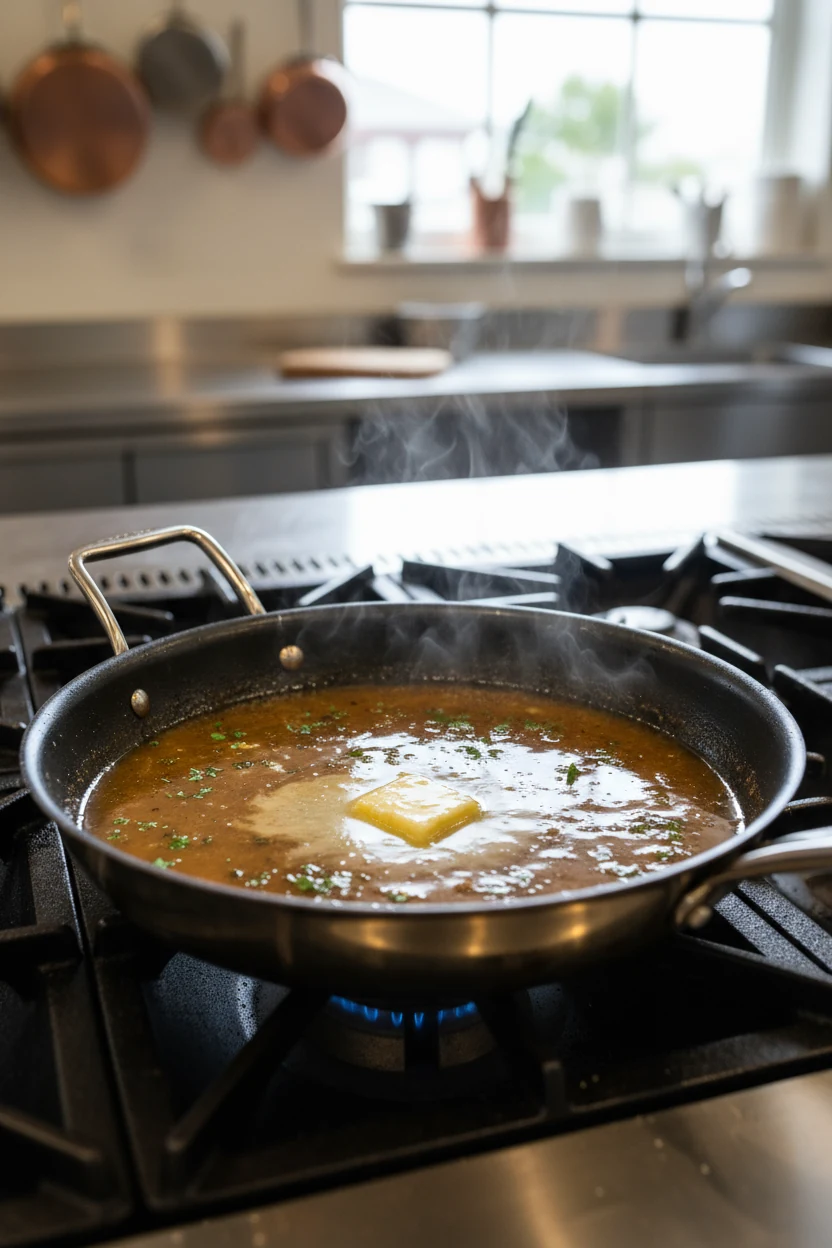
- Make the sauce: Place the skillet back over medium heat. Add stock, soy or Worcestershire, and lemon juice. Scrape up the browned bits. Simmer 2–3 minutes, swirl in butter, and thicken lightly with cornstarch slurry if you like. Taste and adjust salt.
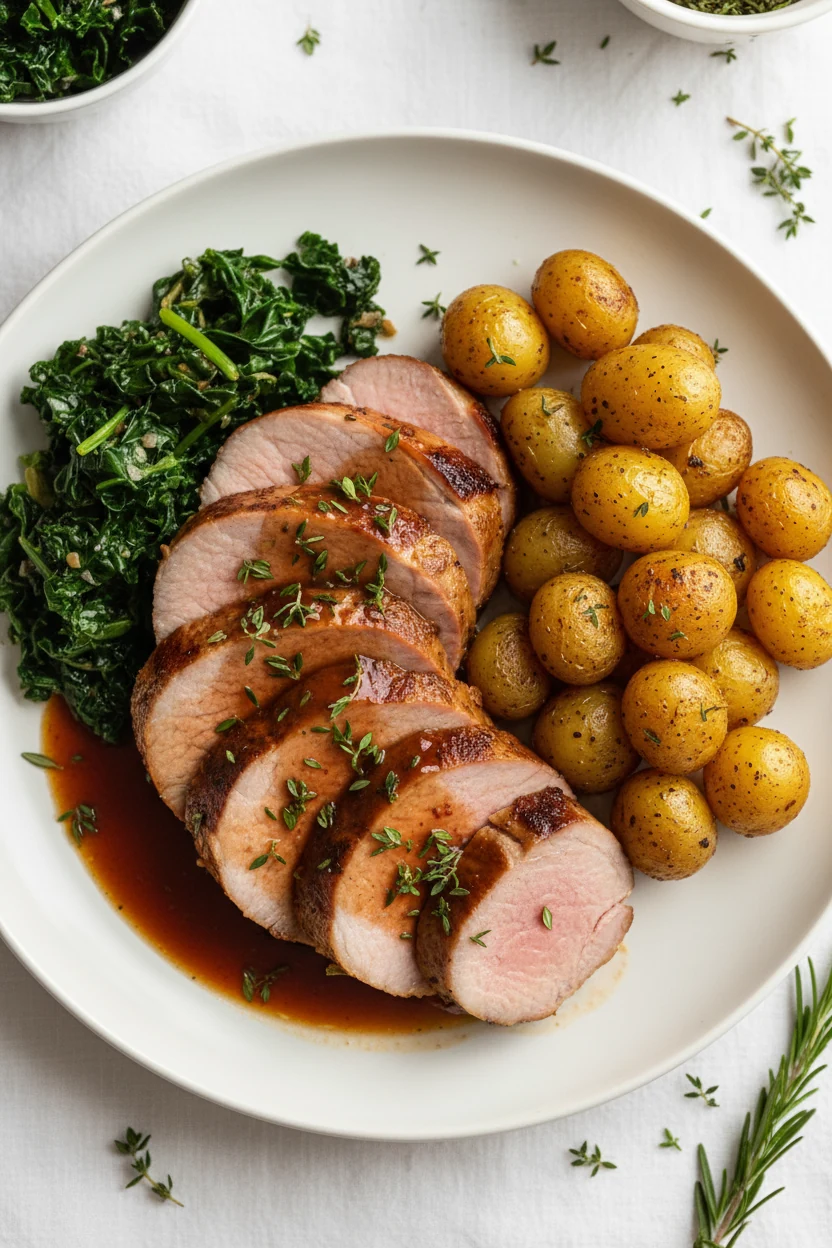
- Slice and serve: Cut the pork against the grain into 1/2-inch slices. Spoon sauce over the top and serve with potatoes, greens, or rice.
Preservation Guide
- Cooling: Let the sliced pork cool to room temp for 20–30 minutes. Don’t park it out longer than 2 hours.
- Fridge: Store in an airtight container with a little sauce to keep it moist. Keeps 3–4 days.
- Freezer: Wrap slices in foil or vacuum-seal for best quality. Freeze up to 3 months. Thaw overnight in the fridge.
- Reheat without drying: Add a splash of stock and warm, covered, at 275°F for 15–20 minutes or in a skillet over low heat. For elite leftovers, reheat sous vide at 135°F for 45–60 minutes, then quick-sear.
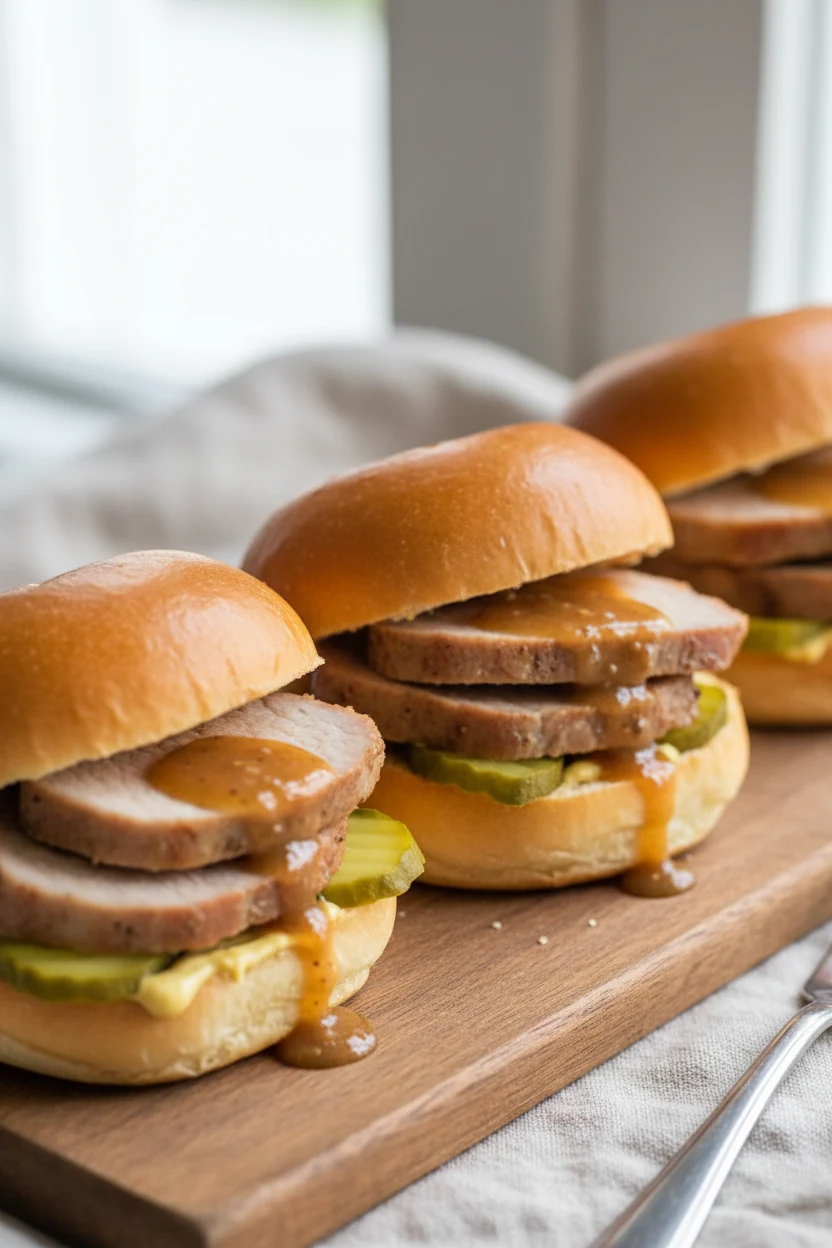
- Leftover ideas: Make Cuban-style mojo sandwiches, fried rice, ramen bowls, tacos, or chop for grain bowls with chimichurri. IMO, sliders with pickles and mustard are undefeated.
Nutritional Perks
Lean pork loin brings high-value protein with minimal fuss. It’s rich in B vitamins (B6 and B12) for energy, plus selenium and zinc for immune support. You’ll also get iron and niacin, making it a smart pick for active lifestyles.
Approximate nutrition per 6 oz cooked serving (with sauce): 280 calories, 35g protein, 12g fat, 2g carbs. Numbers vary based on trimming, sauces, and portion size—common sense applies.
Don’t Make These Errors
- Overcooking past 150°F: That’s how you get dry slices. Pull at 140–145°F, and trust the rest.
- Skipping the rest: If you slice immediately, the juices run out. Rest 10–15 minutes.
- Using the wrong cut: Tenderloin is smaller and cooks faster. Pork loin is wide and needs different timing.
- Searing in a cold pan: Warm pan = gray meat. Hot pan = crispy, flavorful crust.
- Under-seasoning: Loin is lean and mild. Salt it properly and use a bold rub.
- Guessing doneness: A thermometer isn’t optional. It’s the easiest win in the kitchen.
- Slicing too thin: Paper-thin slices cool fast and feel dry. Go for 1/2-inch slices for juicy bites.
- Cranking heat the whole time: Start high, finish moderate. All-high heat = scorched outside, dry inside.
Different Ways to Make This
- Air Fryer: Rub as instructed. Cook at 360°F for 25–35 minutes, flipping halfway. Pull at 140–145°F, rest, slice.
- Slow Cooker: Sear first, then set on onions and a splash of stock. Cook on LOW 4–5 hours. Sauce the juices with butter and lemon.
- Pressure Cooker: Sear, add 3/4 cup stock, cook 20–25 minutes at high pressure. Natural release 10 minutes. Reduce the liquid for sauce.
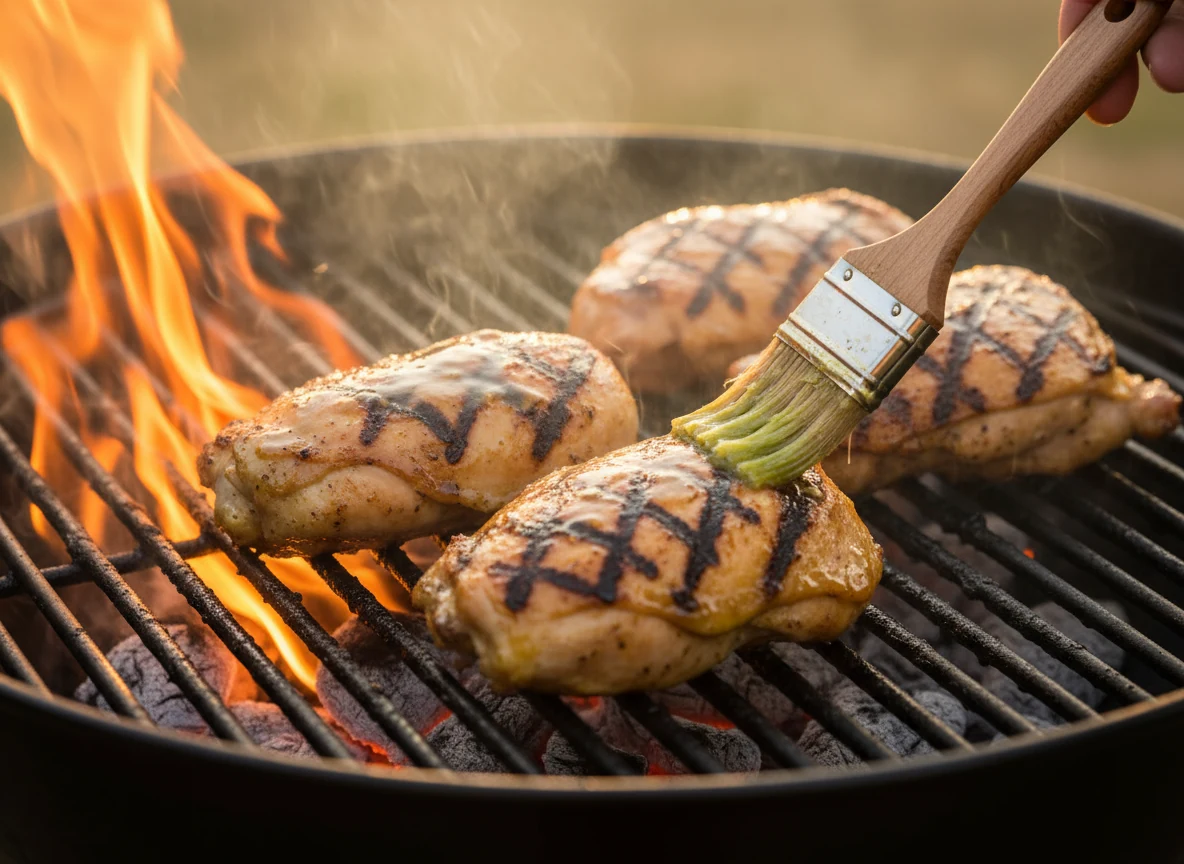
- Grill (two-zone): Sear over direct heat 2–3 minutes per side, then move to indirect at 350–375°F until 140–145°F.
- Smoked: Rub with the paste and smoke at 225°F with apple or cherry wood until 140°F. Finish with a quick sear for texture.
- Sous Vide: Bag with herbs and a bit of oil. Cook at 135°F for 2–3 hours, chill slightly, then hard-sear all sides.
- Stuffed Loin: Butterfly, fill with spinach, feta, and roasted peppers. Roll, tie, and roast to temp. Fancy without pain.
- Glazed: Brush with maple-mustard or honey-garlic during the last 10 minutes. Sweet glaze + savory herbs = chef vibes.
- Mojo Marinade: Citrus, garlic, oregano, and olive oil. Marinate 4–8 hours, then roast. Fresh, punchy, summer-friendly.
- Char Siu-Inspired: Soy, hoisin, honey, five-spice. Roast and baste, then broil briefly for lacquered edges. Not strictly traditional, but seriously delicious.
FAQ
What’s the difference between pork loin and tenderloin?
Pork loin is a large, wide roast that slices like boneless prime rib. Tenderloin is a smaller, skinny cut that cooks fast and needs different timing. Use the right method for the right cut, and your dinner won’t complain.
How do I keep it juicy every time?
Season properly, sear for crust, and cook to 140–145°F, then rest. Use a thermometer and don’t rush the slice. A little sauce over the top doesn’t hurt either—chef’s insurance policy.
Can I cook it from frozen?
You can, but it’s not ideal. If you must, roast at 325°F and expect longer cook times. Season lightly at first, then add a rub once it’s thawed enough to stick. Better move: thaw overnight in the fridge.
What spices play best with pork?
Garlic, thyme, rosemary, paprika, mustard, and black pepper are classics. For a twist, try cumin, fennel, five-spice, or smoked chili. Pork is a flavor sponge—be generous.
How long do I cook per pound?
After the initial sear or high-heat blast, plan roughly 18–22 minutes per pound at 350°F. Still, time is a guideline. Temperature is the truth, so rely on a thermometer.
Is it safe to eat slightly pink pork?
Yes. Modern guidelines consider pork safe at 145°F with a 3-minute rest. Slight pink is normal and means you didn’t overcook it. Your taste buds will applaud.
Do I need to brine?
Not required, but a simple dry brine (salt 12–24 hours ahead) boosts tenderness and seasoning. Wet brines work too, though they can mute the crust. If you’re short on time, season generously and carry on.
How do I know it’s done without a thermometer?
Short answer: you don’t. Long answer: you can poke for springiness and check the juices, but it’s guesswork. A basic digital probe costs less than a good steak and saves you from dry roasts—worth it, IMO.
In Conclusion
This pork loin delivers max payoff with minimal hassle. Season boldly, sear hard, and pull at the right temp—then let the sauce do the flexing. It’s weeknight-easy, dinner party-ready, and perfect for leftovers. Make it once, and you’ll wonder why you waited so long.
Printable Recipe Card
Want just the essential recipe details without scrolling through the article? Get our printable recipe card with just the ingredients and instructions.