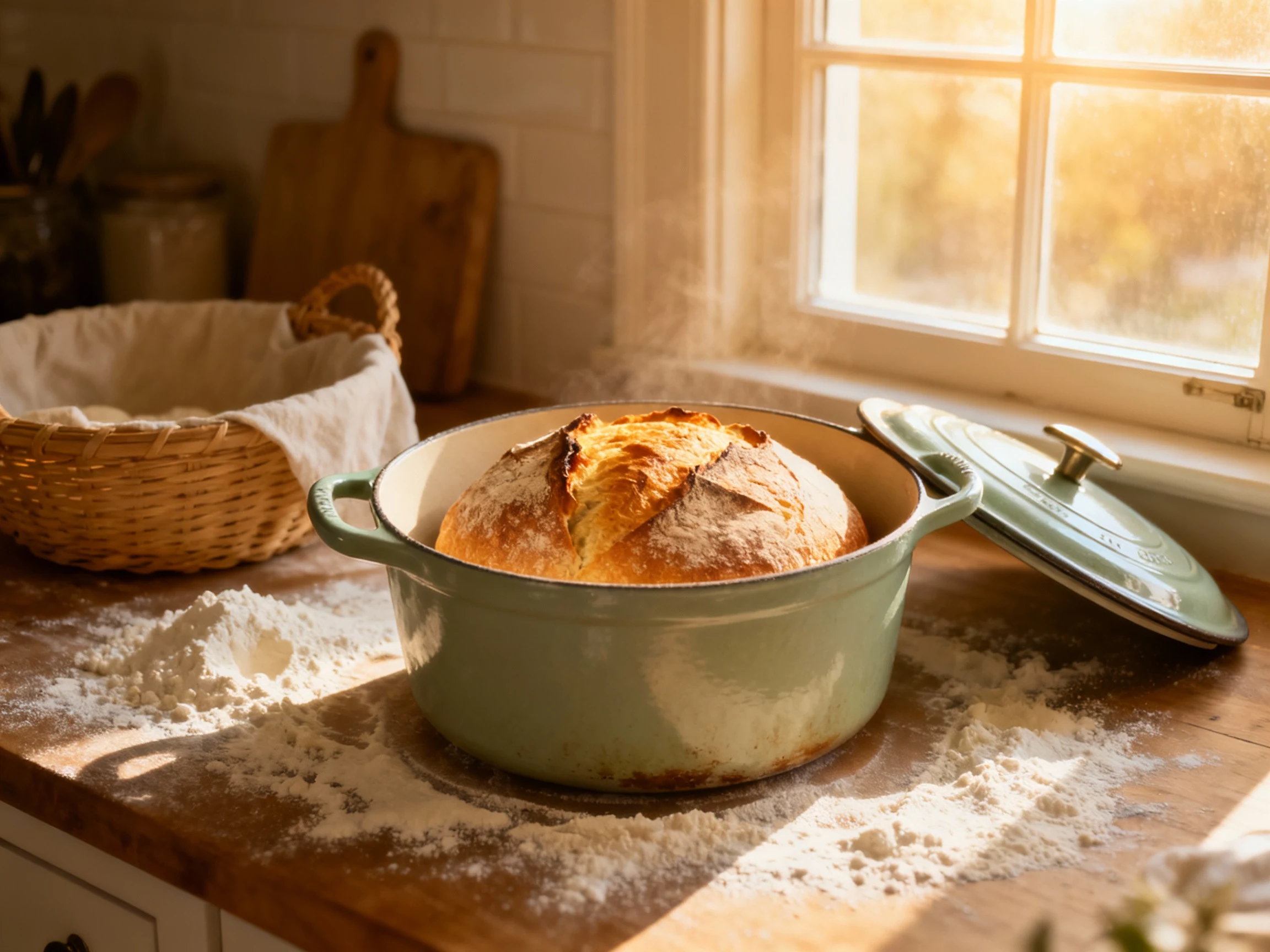
Unlock Flavor and Fun With Irresistible Sourdough Recipes
Perfect for weekend baking sessions, these creative ideas deliver rich flavor, crunchy crusts, and bakery-level results at home.
Ever wonder why some bread makes your taste buds dance while others feel like chewing cardboard? That’s sourdough’s magic—layers of tang, crunch, and chew that make your kitchen smell like a Parisian bakery. Forget bland, factory-made loaves; with the right approach, your homemade creations can slap harder than your favorite food truck’s secret sandwich. It’s not rocket science—it’s fermentation hijacking flavor, and you’re the pilot. And yes, there’s serious satisfaction in slicing into a warm loaf you made from scratch. Ready to make carbs your superpower? Let’s roll.
Why This Recipe Works
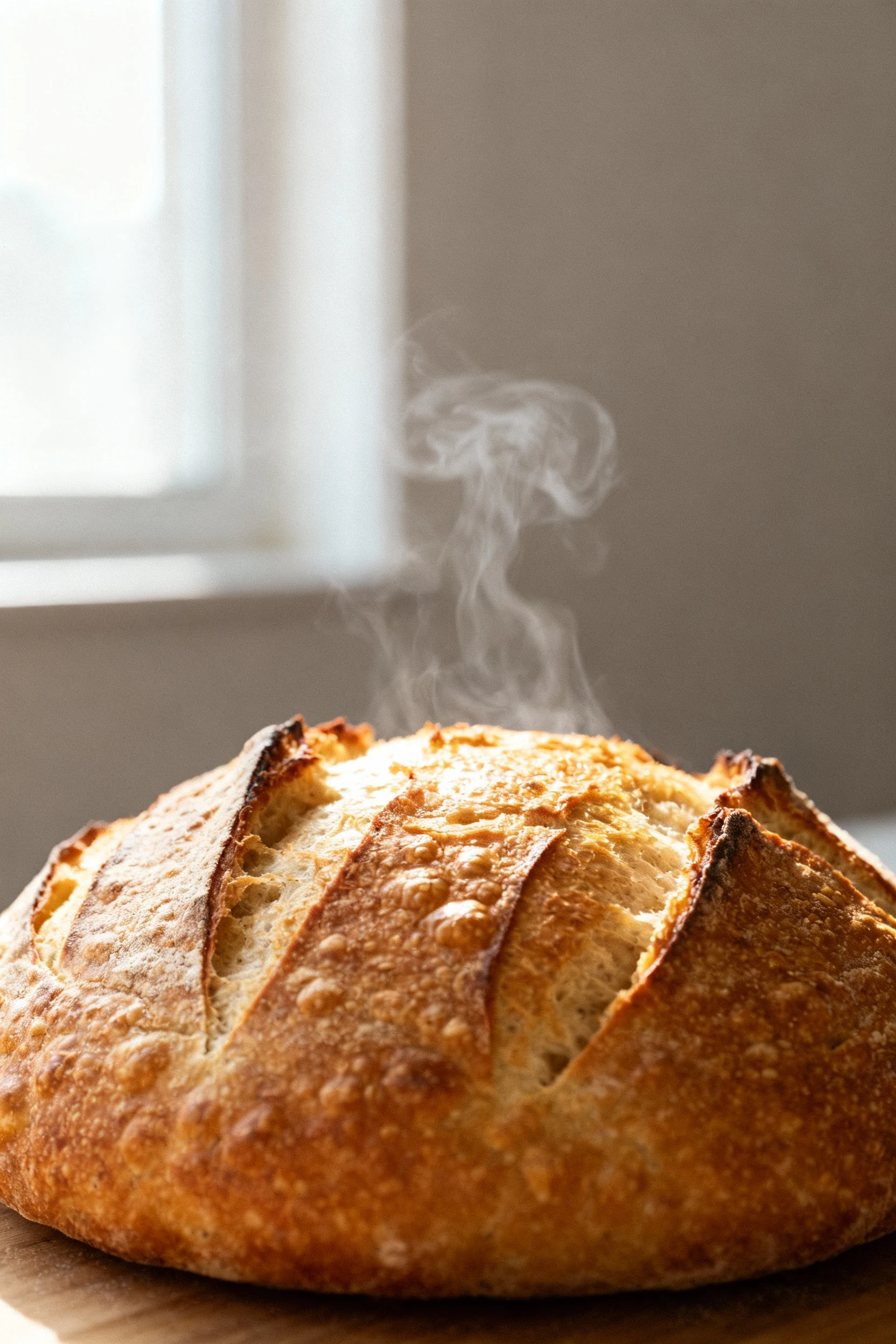
Sourdough blends naturally occurring yeast with lactic acid bacteria in a way commercial yeast just can’t match. That fermentation builds complex flavors while the slow rise develops the texture everyone raves about. Plus, extended proofing gently breaks down gluten, making it easier to digest. The crust? Golden, blistered, and utterly addictive—thanks to high-heat baking and steam magic. Simply put, this method delivers artisan quality without a culinary degree.
What Goes Into This Recipe – Ingredients
- 500g bread flour
- 350g water (room temperature)
- 100g active sourdough starter
- 10g sea salt
- Optional: herbs, seeds, or dried fruit for flavor variations
Cooking Instructions
- Feed your starter: Ensure it’s bubbly and active before you begin—no tired starter allowed.
- Mix the dough: Combine flour and water, let rest for 30 minutes (autolyse), then add starter and salt.
- Bulk fermentation: Let dough rise at room temp for 4–6 hours, folding it gently every 30 minutes for the first 2 hours.
- Shape: Turn dough onto a floured surface, shape into a tight ball, and place in a proofing basket.
- Second rise: Cover and refrigerate overnight for flavor depth.
- Preheat oven: Set to 250°C (480°F) with Dutch oven inside for at least 30 minutes.
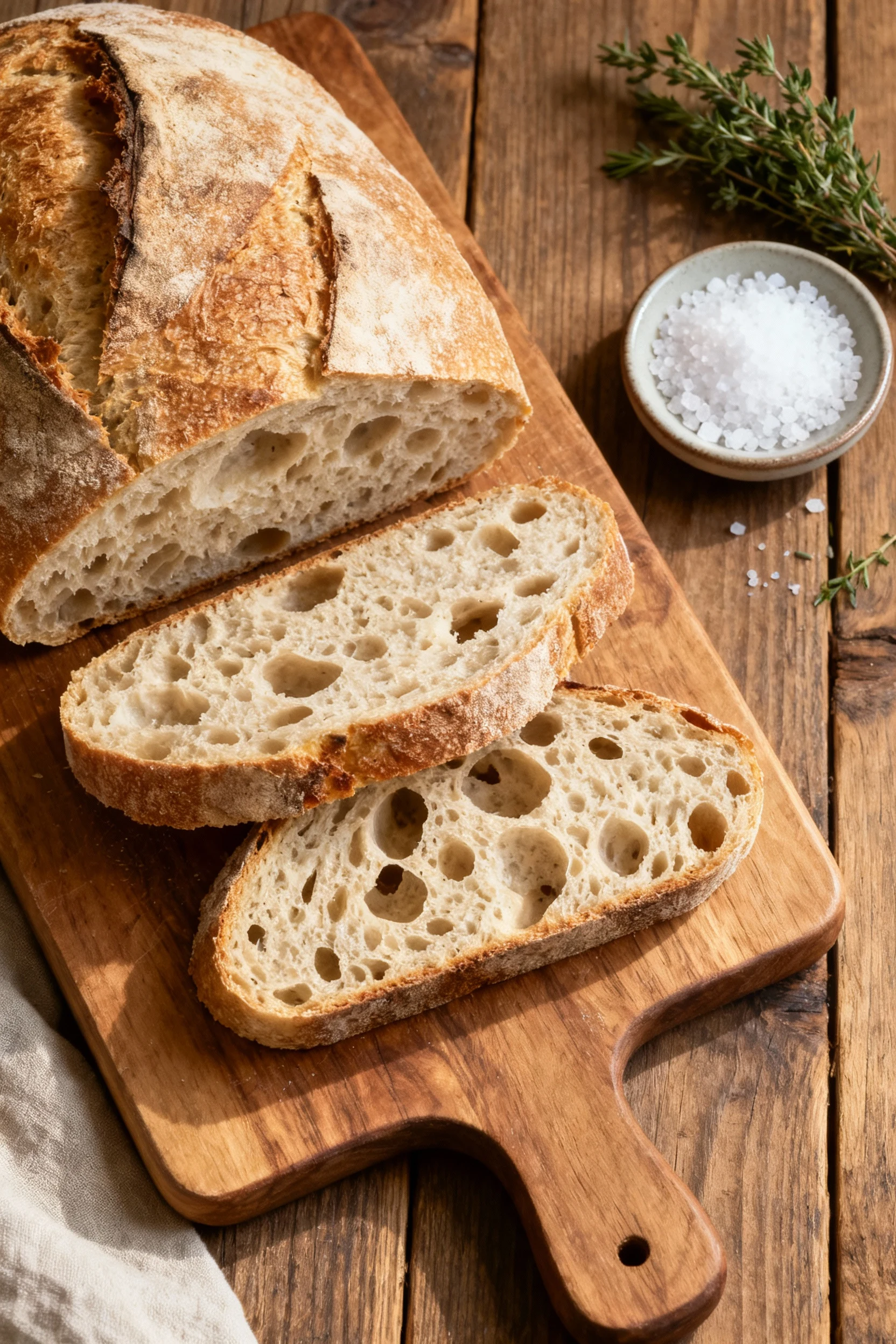
- Score and bake: Slash the top, pop it into the preheated pot, bake 20 minutes covered, then 20–25 minutes uncovered.
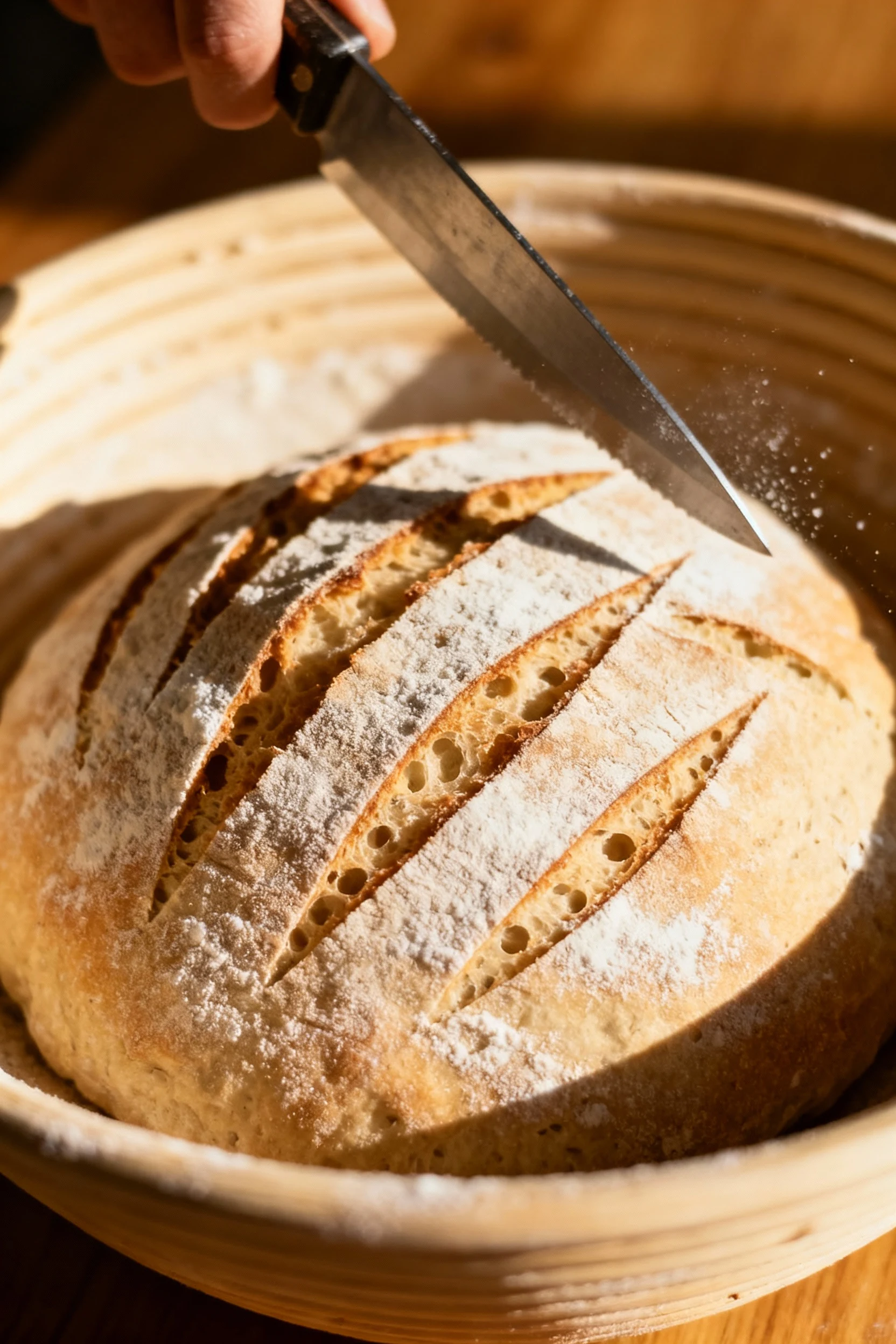
- Cool: Resist cutting for at least 1 hour—your future sandwiches will thank you.
Storage Instructions
Wrap cooled bread in a clean tea towel and store cut-side down on a board for 1–2 days. For longer storage, place in a paper bag inside an airtight container to prevent drying out. Freeze slices by wrapping them in foil, then placing in a zip bag—reheat straight from frozen in the toaster.
Health Benefits
Sourdough’s long fermentation process boosts nutrient absorption—minerals like magnesium and zinc become more bioavailable. Its lower glycemic index means steadier energy without the quick crash of white bread. The lactic acid bacteria act as prebiotics, supporting gut health. Plus, IMO, bread this tasty counts as mental health therapy.
Avoid These Mistakes
- Don’t rush proofing—patience is flavor’s BFF.
- A weak starter means weak bread—keep it fed and lively.
- Skipping steam? Say goodbye to that crispy crust.
- Cutting too soon will squash your crumb—wait it out.
- Using cold flour or water slows down fermentation—room temp is the key.
Variations You Can Try
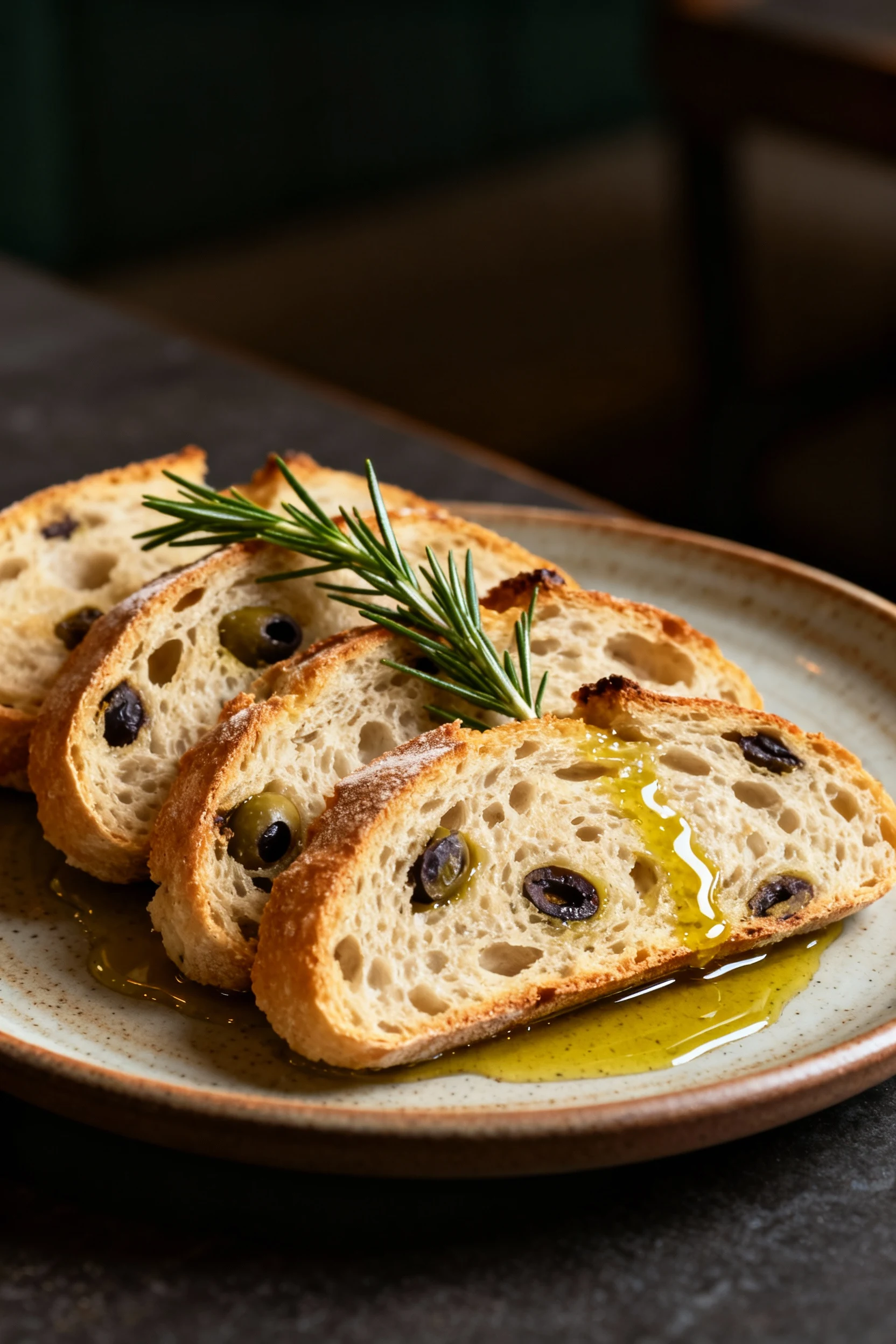
- Olive & Rosemary: Add chopped olives and fresh rosemary during shaping.
- Seeded Loaf: Roll shaped dough in sesame, sunflower, or poppy seeds before final proof.
- Cinnamon Raisin: Fold in raisins and a swirl of cinnamon sugar just after bulk fermentation.
- Cheddar Jalapeño: Add shredded cheddar and thinly sliced jalapeño for a savory kick.
- Whole Wheat Blend: Swap up to 50% bread flour for whole wheat for a nuttier loaf.
FAQ
How do I know if my starter is ready?
It should double in size 4–6 hours after feeding, smell pleasantly fruity, and be full of bubbles. Drop a bit in water—if it floats, it’s good to go.
Can I make sourdough without a Dutch oven?
Yes. Bake on a preheated stone or tray, adding a pan of hot water to the oven for steam. The crust won’t be identical, but still delicious.
Why is my bread dense?
Likely reasons include under-proofing, weak starter, or insufficient gluten development. Give the fermentation process time to work its magic.
What’s the best flour for sourdough?
Bread flour gives the strongest gluten network, but mixing in whole grain flours adds flavor and nutrition. Just adjust hydration if you experiment.
Can I speed up proofing?
You can use a warmer environment to shorten the rise. Just note that quicker fermentation may sacrifice depth of flavor—your call.
The Bottom Line
Sourdough rewards patience with unmatched flavor, texture, and health perks. With these steps, you can produce bread so good your friends will think you secretly hired a baker. The secret? Consistent starter care, respect for fermentation time, and a little creative flair. Once you nail the basics, the variations are endless—and frankly, your only problem will be finding enough willing taste testers.
Printable Recipe Card
Want just the essential recipe details without scrolling through the article? Get our printable recipe card with just the ingredients and instructions.