Instant Pot Recipes That Save Dinner in 30 Minutes Flat
From pantry staples to crowd-pleasers, these pressure-cooker meals deliver bold flavors fast—minimal chopping, weeknight timing, zero drama.
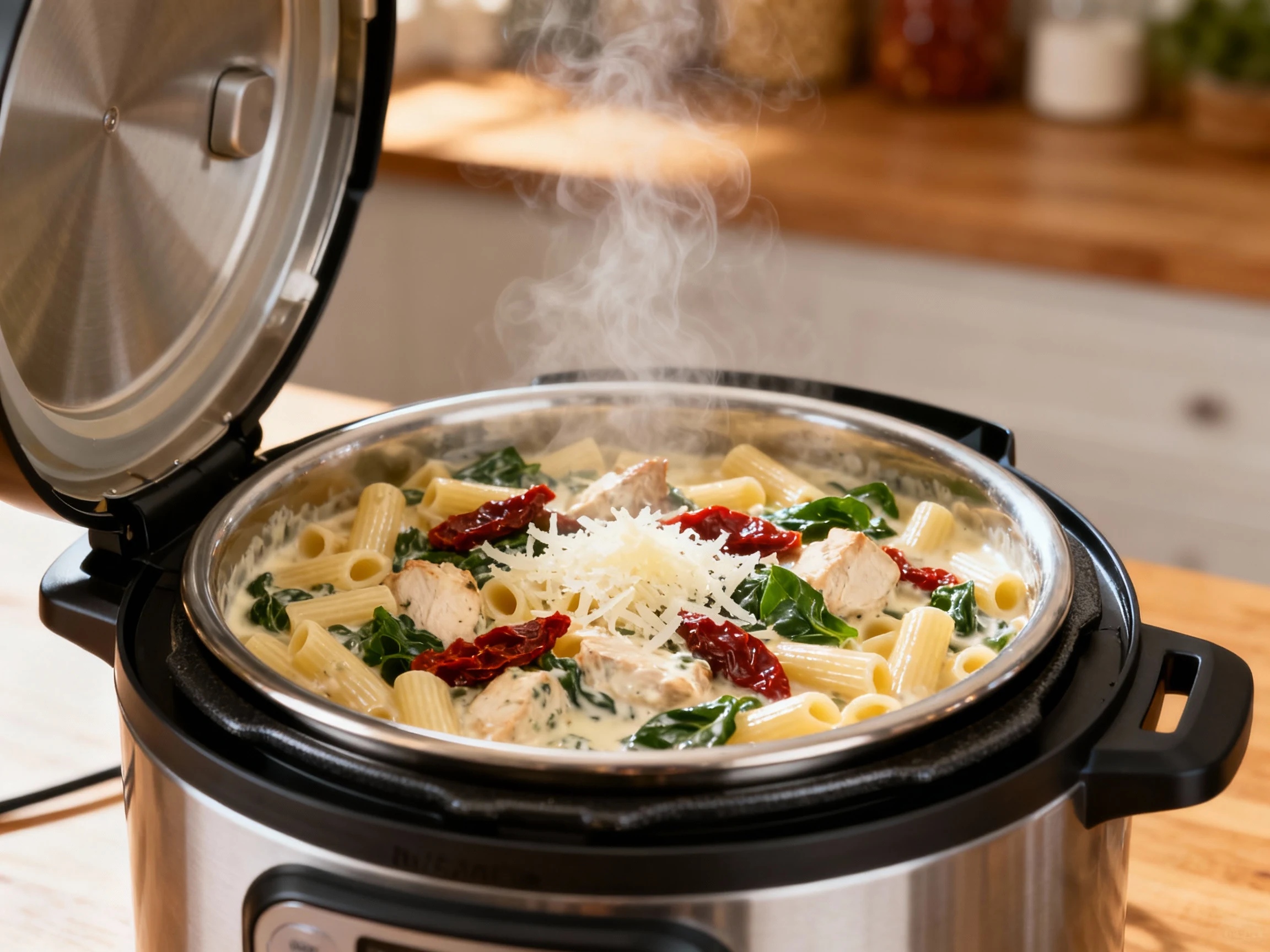
You could scroll food videos for an hour or you could put dinner on the table in 30 minutes that people actually cheer for. Your call. The play today: a creamy, ultra-savory Tuscan chicken pasta that nails the trifecta—fast, affordable, addictive. It’s the kind of meal that turns “What’s for dinner?” into “Please make that again.” You’ll use simple stuff, push one button, and get restaurant-level payoff with zero sink full of pots. If that doesn’t win Tuesday, what does?
What Makes This Recipe So Good
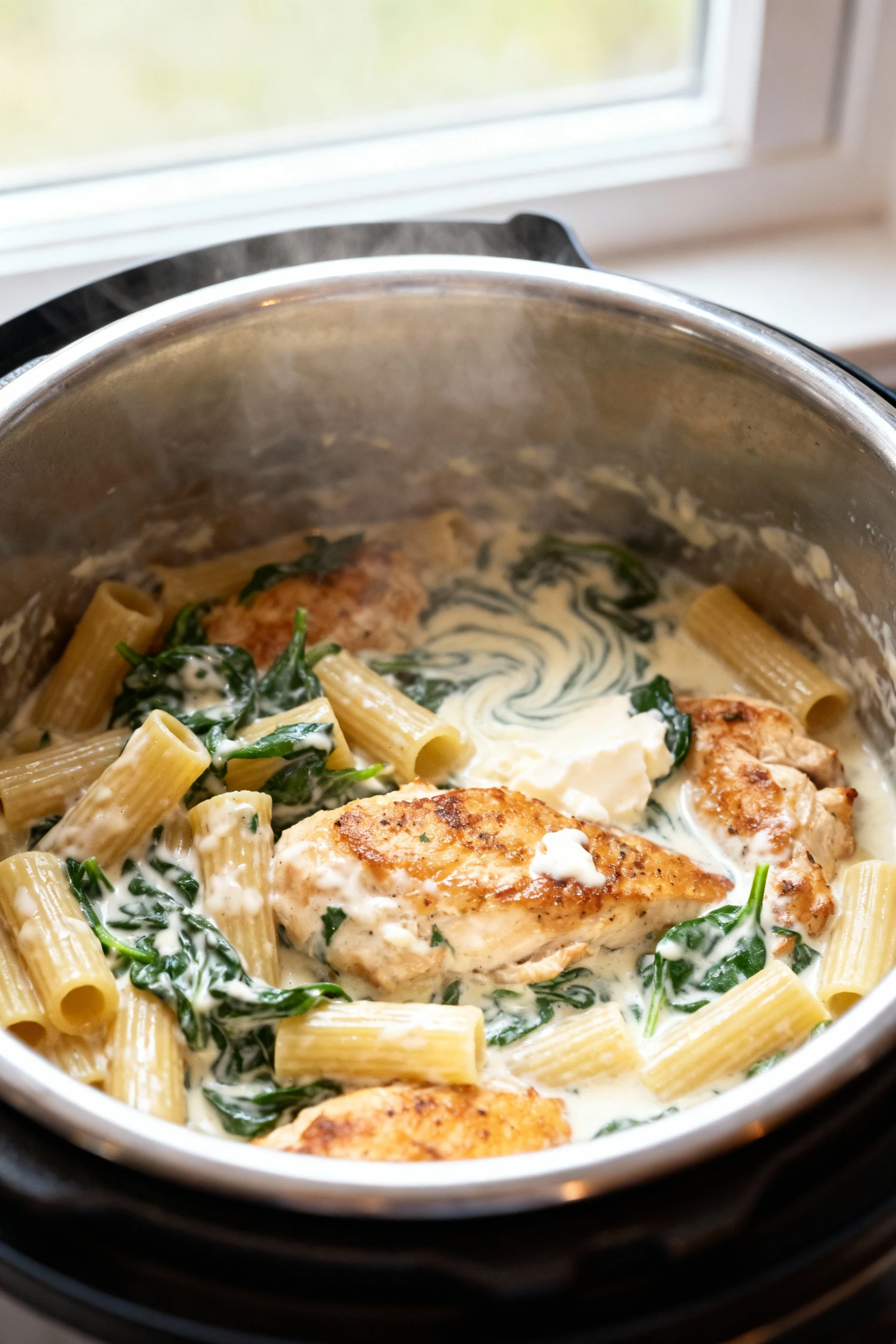
- True weeknight fast: From sauté to serving in about 30 minutes, including the time it takes to come to pressure.
- One-pot convenience: Pasta, chicken, and sauce all cook in the same pot. Translation: fewer dishes, more couch time.
- Wildly creamy without babysitting: No simmering forever. The pressure does the heavy lifting, you swirl in dairy at the end for instant silk.
- Flexible and forgiving: Swap the pasta shape, choose thighs over breasts, add mushrooms or broccoli—this recipe says “yes.”
- Flavor you can taste: Garlic, sun-dried tomatoes, Italian herbs, a pop of lemon, and Parmesan bring big, layered taste.
- Pantry-friendly: Uses shelf-stable or easy-to-grab ingredients, so you’re not chasing a unicorn at 6 p.m.
- Kid-approved, adult-worthy: Creamy and familiar for the picky eaters, nuanced and hearty for the grown-ups.
What Goes Into This Recipe – Ingredients
- 1.5 pounds boneless, skinless chicken breasts, cut into 1-inch pieces (thighs work, too)
- 2 teaspoons kosher salt, divided
- 1 teaspoon freshly ground black pepper
- 1 teaspoon paprika
- 1 teaspoon Italian seasoning (or 1/2 tsp dried oregano + 1/2 tsp dried basil)
- 2 tablespoons olive oil
- 4 cloves garlic, minced
- 1/2 cup oil-packed sun-dried tomatoes, drained and chopped
- 3.5 cups low-sodium chicken broth
- 12 ounces short pasta (penne, rotini, or rigatoni)
- 3 ounces cream cheese, cut into small cubes
- 1/2 cup heavy cream (or half-and-half)
- 2 cups baby spinach, roughly chopped
- 1/2 cup freshly grated Parmesan cheese, plus more to serve
- Juice of 1/2 lemon
- 1/4 teaspoon red pepper flakes (optional, for heat)
- Fresh basil, chopped, for garnish (optional)
FYI: Keep the dairy (cream cheese, cream, Parmesan) out of the pot until after pressure cooking to avoid the dreaded burn notice.
Step-by-Step Instructions
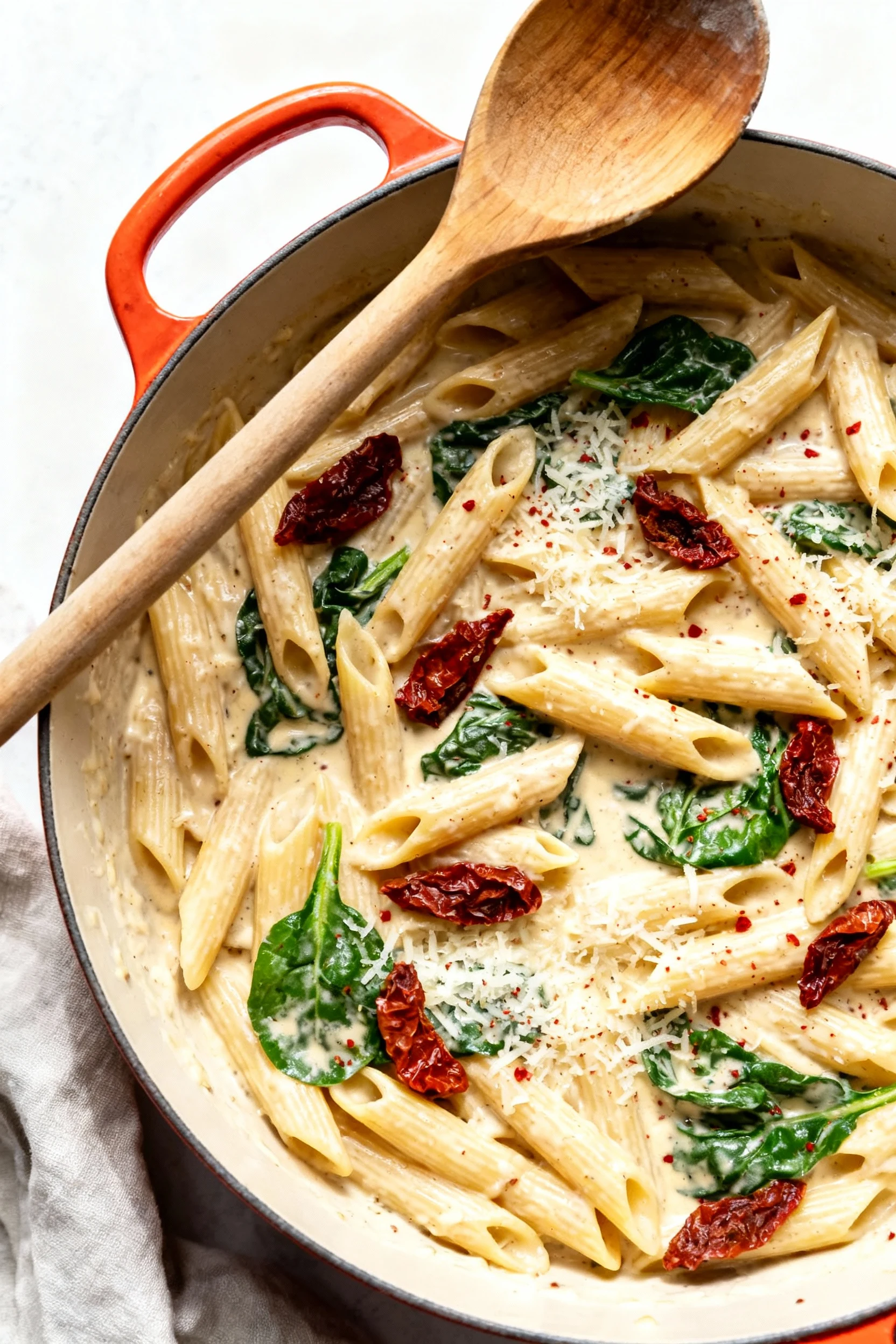
- Season the chicken. In a bowl, toss chicken with 1 teaspoon salt, pepper, paprika, and Italian seasoning. Coat evenly.
- Sauté. Set the pot to Sauté (High). Add olive oil. When it shimmers, add chicken in an even layer. Cook 3–4 minutes, stirring once, until lightly browned (no need to cook through).
- Add aromatics briefly. Stir in garlic and sun-dried tomatoes; cook 30 seconds until fragrant. Don’t let the garlic brown.
- Deglaze like you mean it. Pour in 1/2 cup of the broth and scrape up any browned bits with a wooden spoon. This step prevents burn warnings—don’t skip it.
- Add pasta and remaining broth. Pour in the remaining 3 cups broth. Add pasta and press to submerge. Do not stir beyond pressing the pasta under the liquid.
- Pressure cook. Lock the lid, set valve to Sealing, and cook on High Pressure for 5 minutes.
- Quick release. Carefully switch the valve to Venting for a quick release. When the pin drops, open the lid away from your face (steam facial = not the vibe).
- Finish the sauce. Switch back to Sauté (Low). Stir in cream cheese until melted, then add heavy cream, Parmesan, and spinach. Cook 1–2 minutes until the spinach wilts and the sauce turns glossy and thick. If it looks too tight, splash in extra broth or a bit of hot water.
- Brighten and season. Stir in lemon juice and red pepper flakes if using. Taste and adjust with the remaining 1 teaspoon salt (or to preference).
- Rest and serve. Let it sit 2 minutes to set up. Garnish with basil and extra Parmesan. Devour immediately.
Pro tip: Pasta continues to absorb sauce as it sits. If it thickens too much, loosen with warm broth or milk before serving.
Keeping It Fresh
Store leftovers in an airtight container in the fridge for up to 4 days. The sauce thickens in the cold, which is normal. For reheating, add a splash of broth or milk and warm gently on the stove over low heat or in the microwave at 50% power, stirring every minute until creamy again.
Freezer note: Creamy pasta can be frozen for up to 2 months, but the sauce may separate slightly when thawed. If you freeze it, thaw overnight in the fridge and reheat with extra cream or broth to restore silkiness. IMO, this one shines brightest fresh or as a next-day lunch.
Why This is Good for You
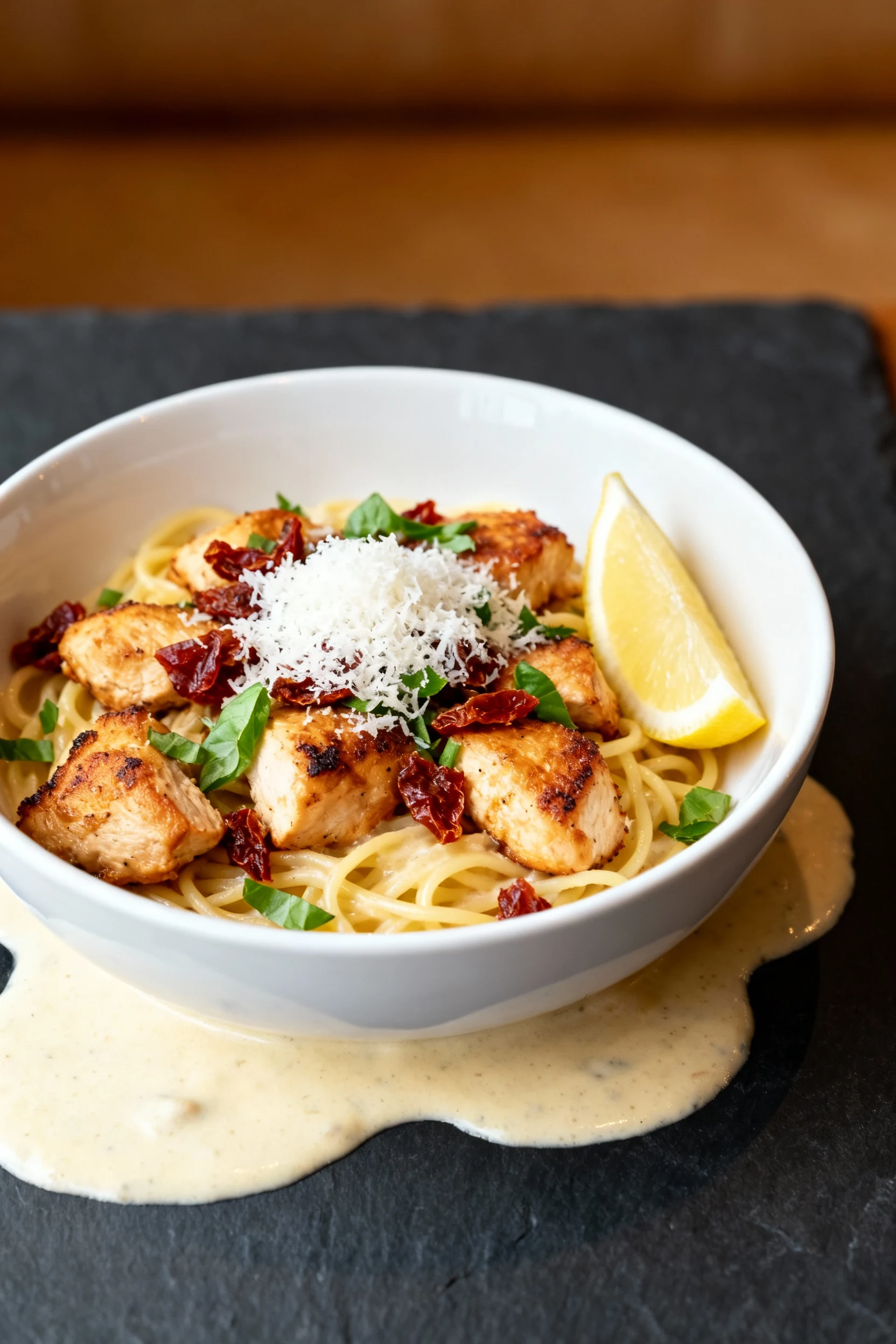
This bowl sneaks in solid nutrition while tasting like a treat. You’re getting lean protein from chicken for muscle repair and satiety. Spinach and sun-dried tomatoes bring vitamins A, K, and C, plus potassium and antioxidants like lycopene.
Because the broth absorbs directly into the pasta, flavors are concentrated, so you can keep overall sodium reasonable—especially if you use low-sodium broth and salt intentionally at the end. Want it lighter? Swap half the heavy cream for milk, use Neufchâtel (reduced-fat) cream cheese, or stir in a little Greek yogurt off heat (temper first with hot sauce from the pot).
And yes, carbs have a job: they’re your quick energy. Pairing them with protein and fat (hello, dairy) creates a balanced meal that keeps you full longer and helps avoid late-night snack raids. Science and comfort food can be friends.
Pitfalls to Watch Out For
- Burn notice terror: Usually from stuck-on bits. Deglaze thoroughly after sautéing, and don’t add dairy until after pressure cooking.
- Overcooked pasta: Stick to 5 minutes at high pressure with a quick release. Whole wheat or gluten-free need adjustments (see FAQ).
- Watery sauce: Let it sauté on Low 1–2 extra minutes to reduce, or add a few more Parmesan shavings. It thickens as it rests.
- Bland results: Season the chicken upfront and finish with lemon juice and salt to taste. Under-salting is the silent flavor killer.
- Curdled dairy: Add cream and cheese after pressure cooking and keep the heat low. Boiling dairy is a drama we don’t need.
- Sticky clumps of pasta: Press pasta under the liquid, but don’t stir heavily before cooking. After cooking, toss well to separate.
- Overfilled pot: Don’t exceed your pot’s max fill when using liquids and pasta. If doubling, see FAQ before you YOLO it.
Alternatives
- Protein swaps: Use boneless, skinless chicken thighs (same method), or try sliced Italian sausage (brown well). For shrimp, cook pasta first, then stir in shrimp on Sauté for 2–3 minutes until pink.
- Vegetarian version: Skip the chicken, add a can of rinsed chickpeas and 8 ounces sliced mushrooms. Use vegetable broth. Same timing.
- Dairy-free creamy: Swap cream and cream cheese for full-fat coconut milk and 2 tablespoons nutritional yeast. Add a dash of lemon to brighten.
- Gluten-free pasta: Use GF short pasta. Cook 3–4 minutes at high pressure (not 5), then quick release. Stir gently; GF pasta is delicate.
- Different flavor path: Go Cajun (use Cajun spice + andouille), Pesto (stir in pesto after pressure cooking instead of sun-dried tomatoes), or Buffalo (finish with hot sauce + blue cheese).
- Veg add-ins: Toss in broccoli florets or peas after pressure cooking and let them steam in the residual heat for 2–3 minutes.
FAQ
Can I use frozen chicken?
Yes, but keep pieces small. Skip the sauté, add frozen chicken pieces on the bottom, then pasta and broth. Increase pressure cook time to 7 minutes, quick release, then finish with dairy. Check that chicken hits 165°F. IRL, thawed cooks and browns better.
How do I adapt for whole wheat or gluten-free pasta?
Whole wheat pasta often needs the same or +1 minute; check after quick release and add a 1-minute simmer if needed. For gluten-free, reduce to 3–4 minutes at pressure and quick release to prevent mush. Always keep the pasta shape short and sturdy.
Can I double the recipe?
Yes, in a 6- or 8-quart pot, but don’t exceed the max fill line. Double all ingredients except liquid: use about 6.5–7 cups broth (not a full 2x) because pasta releases starch. Keep the pressure time the same; it will just take longer to come to pressure.
What if I don’t have sun-dried tomatoes?
Use 1 cup halved cherry tomatoes added after pressure cooking, or 1/2 cup diced roasted red peppers. You’ll lose that tangy sweetness, so bump up lemon and Parmesan to compensate.
How do I avoid the burn message?
Scrape the pot bottom clean after sautéing, keep dairy out until the end, and don’t stir heavily once the pasta and broth are in. If your pot is sensitive, add the sun-dried tomatoes on top of the pasta (not touching the bottom) before sealing.
Can I make this lighter?
Absolutely. Use half-and-half instead of heavy cream, Neufchâtel instead of full-fat cream cheese, and add extra spinach. You can also stir in 1/2 cup Greek yogurt off heat—temper first with hot sauce from the pot to prevent curdling.
Will chicken thighs work better than breasts?
Thighs are juicier and harder to overcook, so they’re an excellent choice. Trim excess fat, cut into 1-inch pieces, and follow the recipe as written. The flavor will be a touch richer.
My Take
There are meals you cook because you have to, and there are meals you cook because you want to—this one hits both. It’s fast enough for a hectic weeknight, plush enough for company, and flexible enough to suit whoever’s at your table. The key moves—season early, deglaze well, add dairy late—turn a basic pressure-cooker dish into a “where has this been all my life?” situation. Make it once and you’ll memorize it. Make it twice and it becomes your weeknight cheat code.
Printable Recipe Card
Want just the essential recipe details without scrolling through the article? Get our printable recipe card with just the ingredients and instructions.