10 Irresistible Bread Recipes to Level up Your Baking Game
From crisp crusts to pillowy centers, discover loaves that wow guests and make your kitchen smell like pure delight.
Let’s be honest—average bread is everywhere, and it’s boring. But the bread that makes people stop mid-bite and ask for the recipe? That’s gold. You don’t need a culinary degree or a wood-fired oven to turn flour and water into something legendary. All you need are the right methods, the right flavors, and a pinch of timing magic. In fact, once you get these bakes on the table, you’ll wonder why you ever bought loaves wrapped in plastic. Ready to turn a humble pantry item into your personal superpower?
The Secret Behind This Recipe
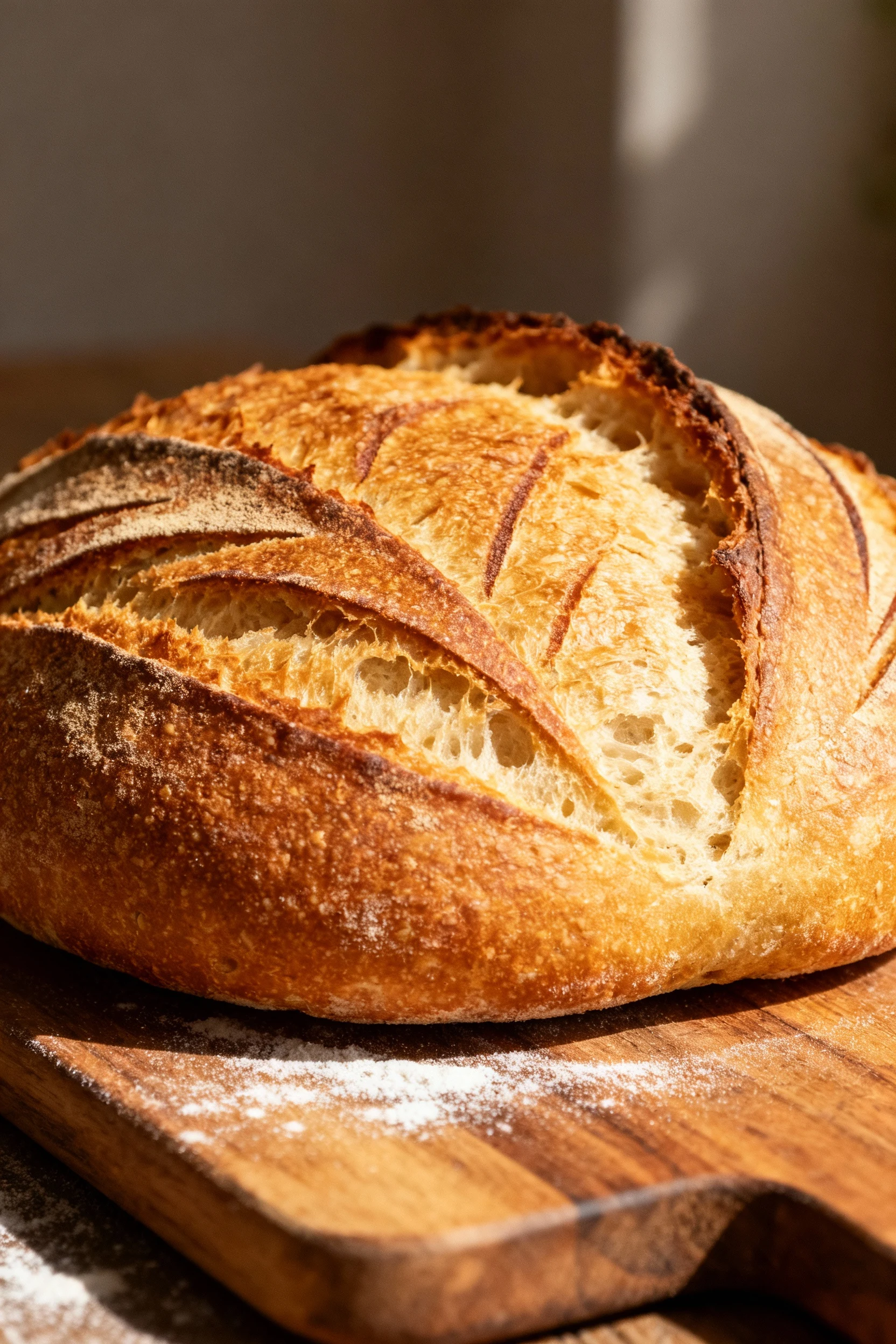
Great bread isn’t just about flour, water, yeast, and salt—it’s about patience and precision. The secret sauce? Proper gluten development, controlled fermentation, and understanding when your dough is ready to move on to the next step. Think of it like raising a pet: your bread dough needs feeding, warmth, and the occasional gentle poke. The more you respect the process, the better your results. And trust me, your first perfectly proofed dough feels like winning the baking lottery.
What Goes Into This Recipe – Ingredients
- 4 cups all-purpose or bread flour
- 1 and ½ cups warm water (about 105°F)
- 2 and ¼ teaspoons active dry yeast
- 2 tablespoons sugar or honey
- 1 and ½ teaspoons salt
- 2 tablespoons olive oil or melted butter
- Optional: seeds, herbs, or spices for flavor variation
How to Make It – Instructions
- Activate the yeast: Mix warm water with sugar or honey, then sprinkle in the yeast. Let it foam for 5–10 minutes.
- Mix the dough: Combine flour and salt in a bowl, then add activated yeast mixture and oil. Stir until shaggy dough forms.
- Knead: Turn onto a floured surface and knead 8–10 minutes until smooth and elastic.
- First rise: Place dough in an oiled bowl, cover, and let sit in a warm spot until doubled in size (about 1 hour).
- Shape: Punch down the dough, shape into a loaf or desired form, and place on a baking sheet or pan.
- Second rise: Cover and let rest until puffy (30–45 minutes).
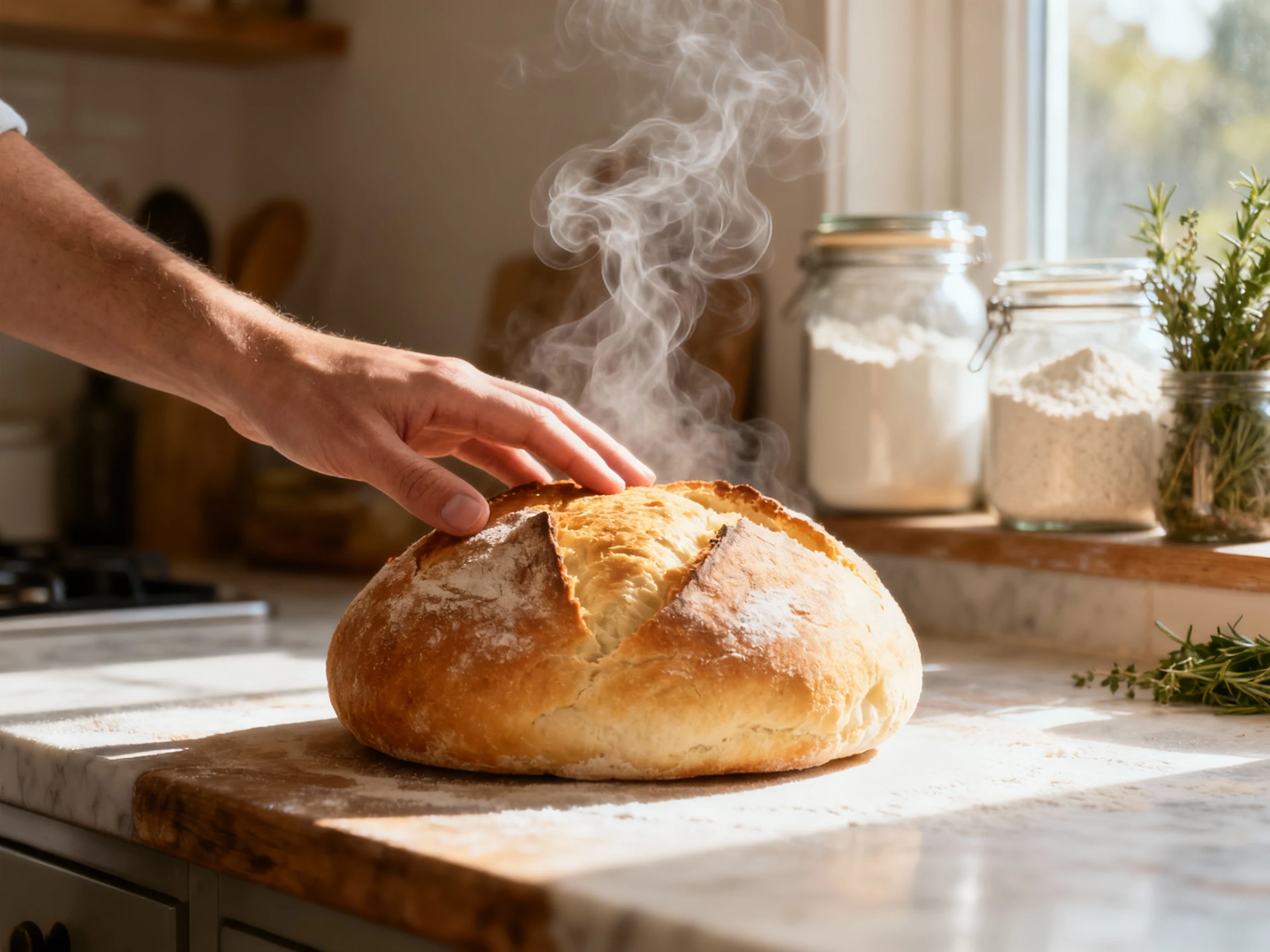
- Bake: Preheat oven to 375°F and bake 25–30 minutes until golden brown and hollow-sounding when tapped.
- Cool: Transfer to a wire rack before slicing to keep the crumb perfect.
Preservation Guide
Fresh bread has that annoying habit of disappearing fast—but if you manage to save some, here’s how you keep it fresh. Store in a paper bag inside a bread box for up to 3 days at room temperature. Avoid the fridge (unless you like sad, dry carbs). For longer storage, wrap tightly in foil or plastic wrap and freeze. Slice before freezing so you can pop individual pieces in the toaster whenever you like.
Health Benefits
Depending on your flour choice, bread can be a solid source of complex carbs, fiber, and even protein. Whole grain versions bring along minerals like magnesium and iron. By making it yourself, you skip the preservatives and weird additives hiding in store-bought loaves. Plus, baking at home can be surprisingly therapeutic—looking at you, kneading-as-stress-relief fans.
Avoid These Mistakes
- Too much flour: Leads to brick-like bread. Sticky dough is okay—it’s supposed to be a little messy.
- Rushing the rise: Yeast needs time to do its thing; cutting proofing short kills the flavor.
- Skipping proper scoring: Without it, your loaf might split in random, less attractive ways.
- Cutting too soon: Hot bread smells irresistible, but slicing right away squashes the crumb.
Variations You Can Try
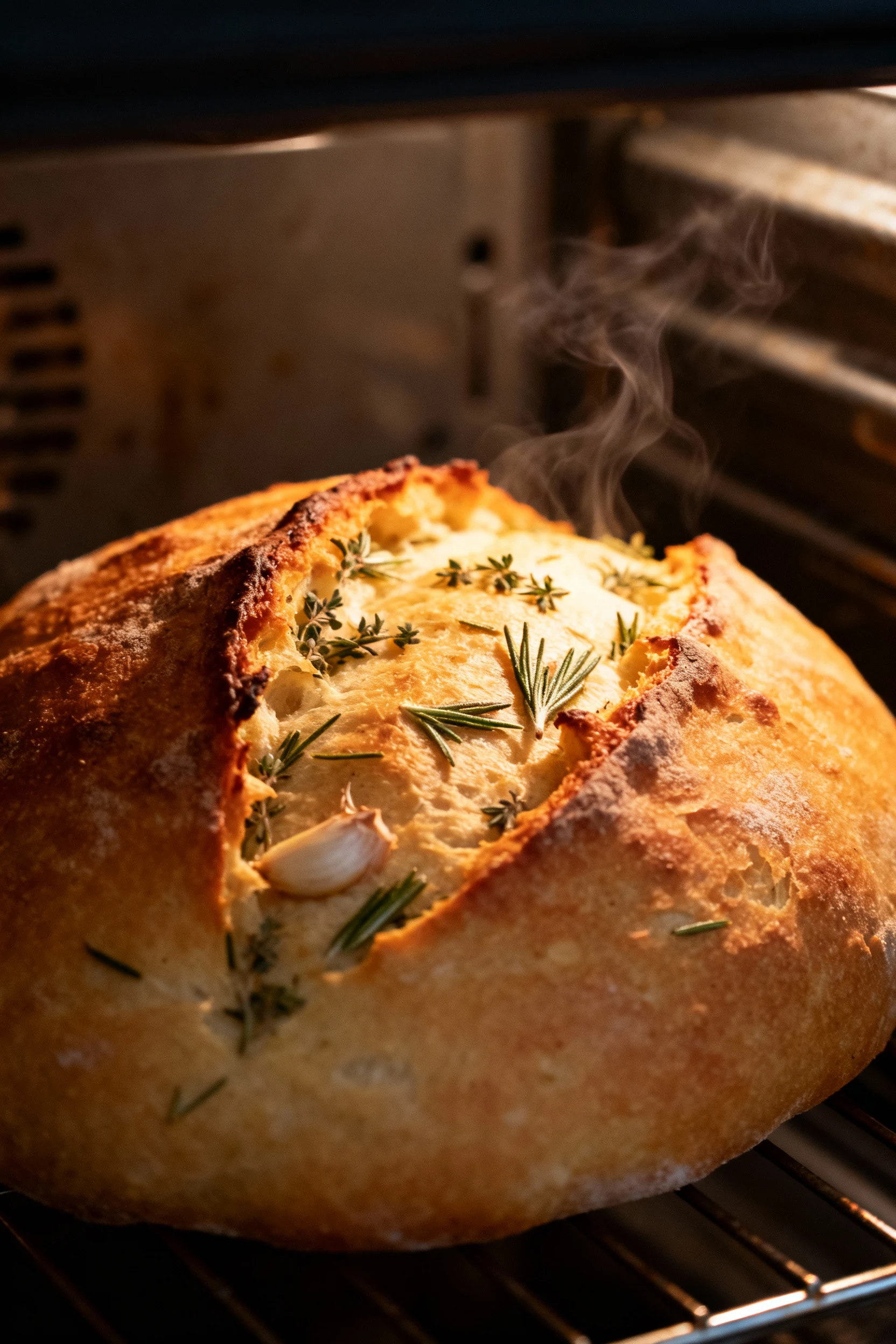
- Herb & Garlic Loaf: Add minced garlic and mixed herbs to the dough for an aromatic twist.
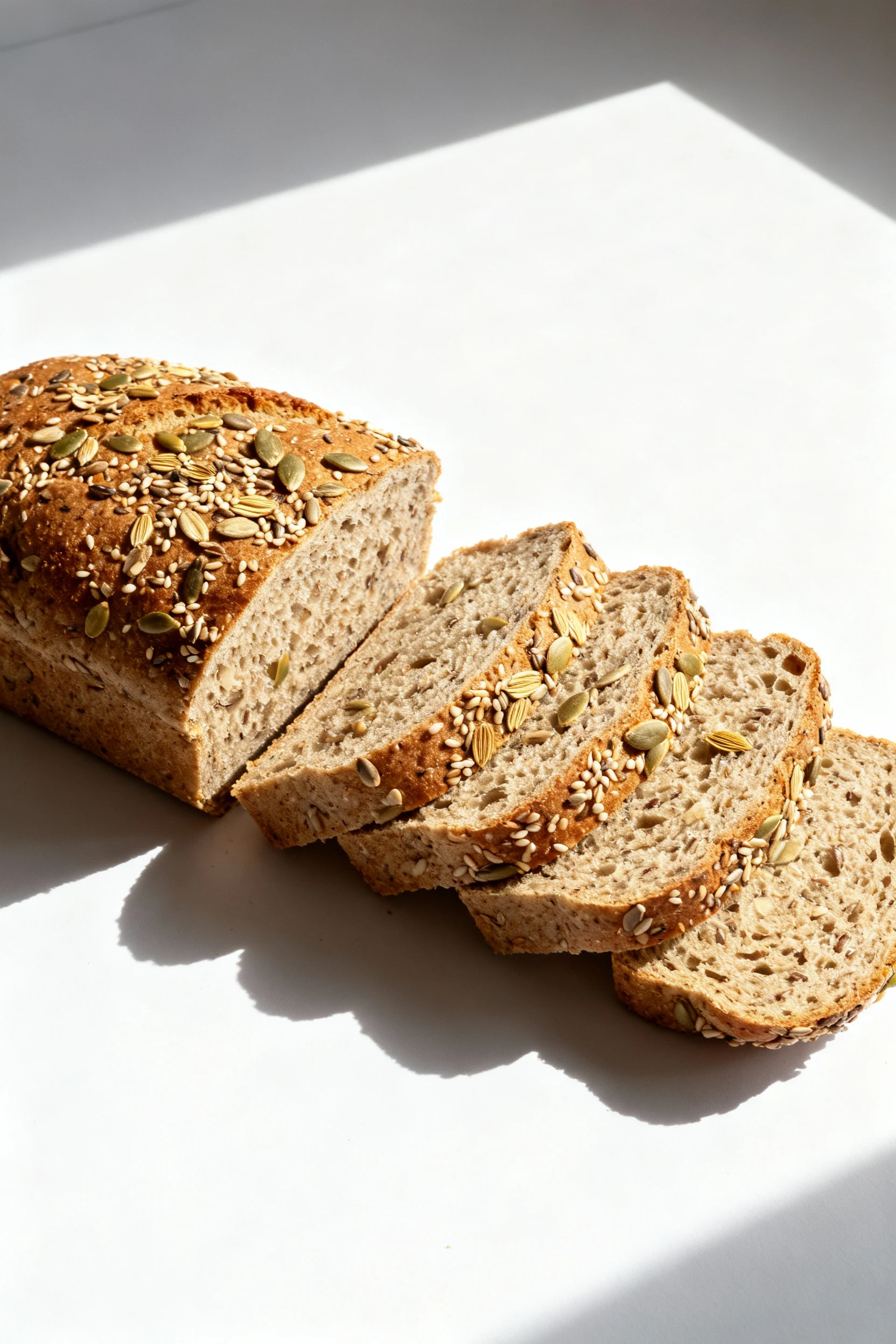
- Seeded Multigrain: Swap half the flour with whole grain varieties and toss in sunflower or sesame seeds.
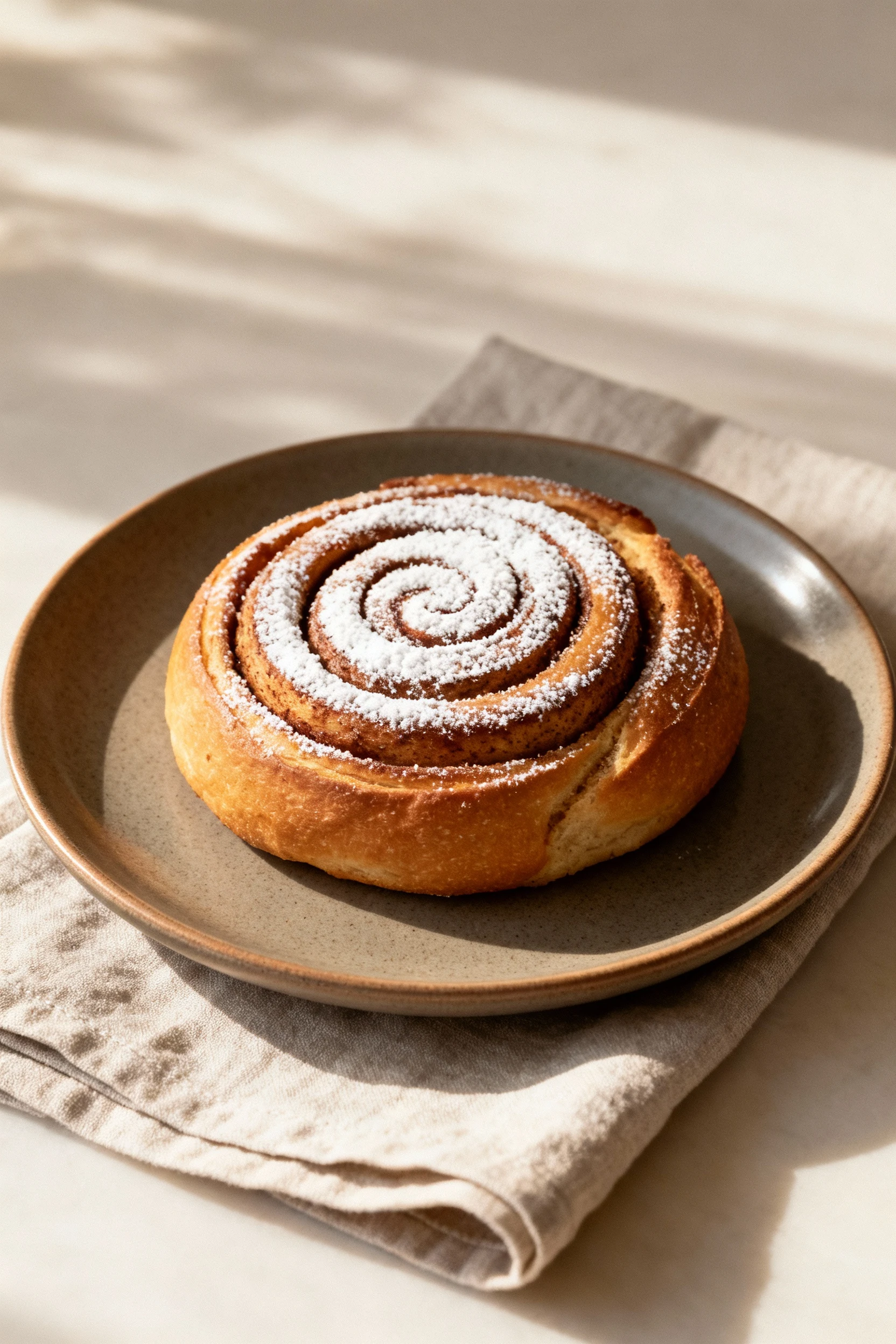
- Cinnamon Swirl: Roll dough with a cinnamon-sugar mixture before baking for a sweet treat.
- Stuffed Bread: Fill with cheese, olives, or cooked spinach before the final rise.
FAQ
Can I use instant yeast instead of active dry yeast?
Yes, you can. Instant yeast doesn’t need to be activated in water—just mix it directly with the flour. However, I still like blooming it for flavor and peace of mind.
Why is my bread dense?
This often happens from adding too much flour or underproofing your dough. Give your yeast enough time to produce gas and keep that dough hydrated.
How do I get a crunchier crust?
Bake with steam during the first 10 minutes by placing a tray of hot water in the oven. Alternatively, spritz water onto the loaf just before baking.
What’s the best flour to use?
Bread flour has more protein, which means more gluten strength and better chew. All-purpose works fine for a softer loaf, though.
Can I make this dairy-free?
Completely. Just stick to olive oil instead of butter, and you’re set. The bread will still taste amazing.
The Bottom Line
Making bread at home isn’t some mystical art reserved for baking influencers—it’s a skill you can master faster than you think. Once you pull that first golden loaf from the oven, the smell alone will ruin store-bought for you forever. With the right techniques, ingredients, and a bit of patience, you’ll not only fill your home with mouthwatering aromas, but you’ll turn a simple recipe into an everyday joy. And honestly, isn’t that worth firing up the oven?
Printable Recipe Card
Want just the essential recipe details without scrolling through the article? Get our printable recipe card with just the ingredients and instructions.