Lebanese Recipes That Turn Ordinary Dinners Into Feasts
Discover fragrant spices, fresh herbs, and rich flavors perfect for impressing guests or upgrading your weeknight meals.
Ever sat at a table where the aroma alone makes you feel like you’ve traveled halfway across the world? That’s the magic of Lebanese cuisine — it’s an edible passport stamp. The food bursts with fresh herbs, citrusy brightness, and that comforting depth of slow-cooked perfection. This isn’t your “add salt and hope for the best” kind of cooking; this is a bold, flavor-loaded rollercoaster for your taste buds. Friends will think you hired a personal chef, but nope — it’s just you, a few ingredients, and knowing the right moves. Ready to make your kitchen smell like a street market in Beirut?
What Makes This Recipe So Good

It’s a triple threat: flavor, texture, and aroma. Lebanese dishes master the art of layering — tangy lemon balances creamy tahini, fresh parsley cuts through rich lamb, and toasty spices fill your home with irresistible warmth. Plus, the recipes tend to revolve around fresh produce and lean proteins, meaning they’re as wholesome as they are indulgent. The kicker? You can make these dishes without spending hours chained to the stove.
Shopping List – Ingredients
- Olive oil – the base of many Lebanese dishes
- Fresh parsley – for garnish and flavor balance
- Mint leaves – adds a cooling freshness
- Garlic cloves – aromatic powerhouse
- Onions – sharp sweetness when sautéed
- Ripe tomatoes – juicy and tangy
- Cucumber – crisp and hydrating
- Lemon juice – for brightness
- Ground lamb or beef – protein centerpiece
- Chickpeas – nutty base for dishes like hummus
- Tahini – creamy sesame paste
- Bulgar wheat – staple for tabbouleh and kibbeh
- Sumac – tangy, slightly fruity spice
- Allspice – warm, aromatic seasoning
- Salt and pepper – essentials
Let’s Get Cooking – Instructions

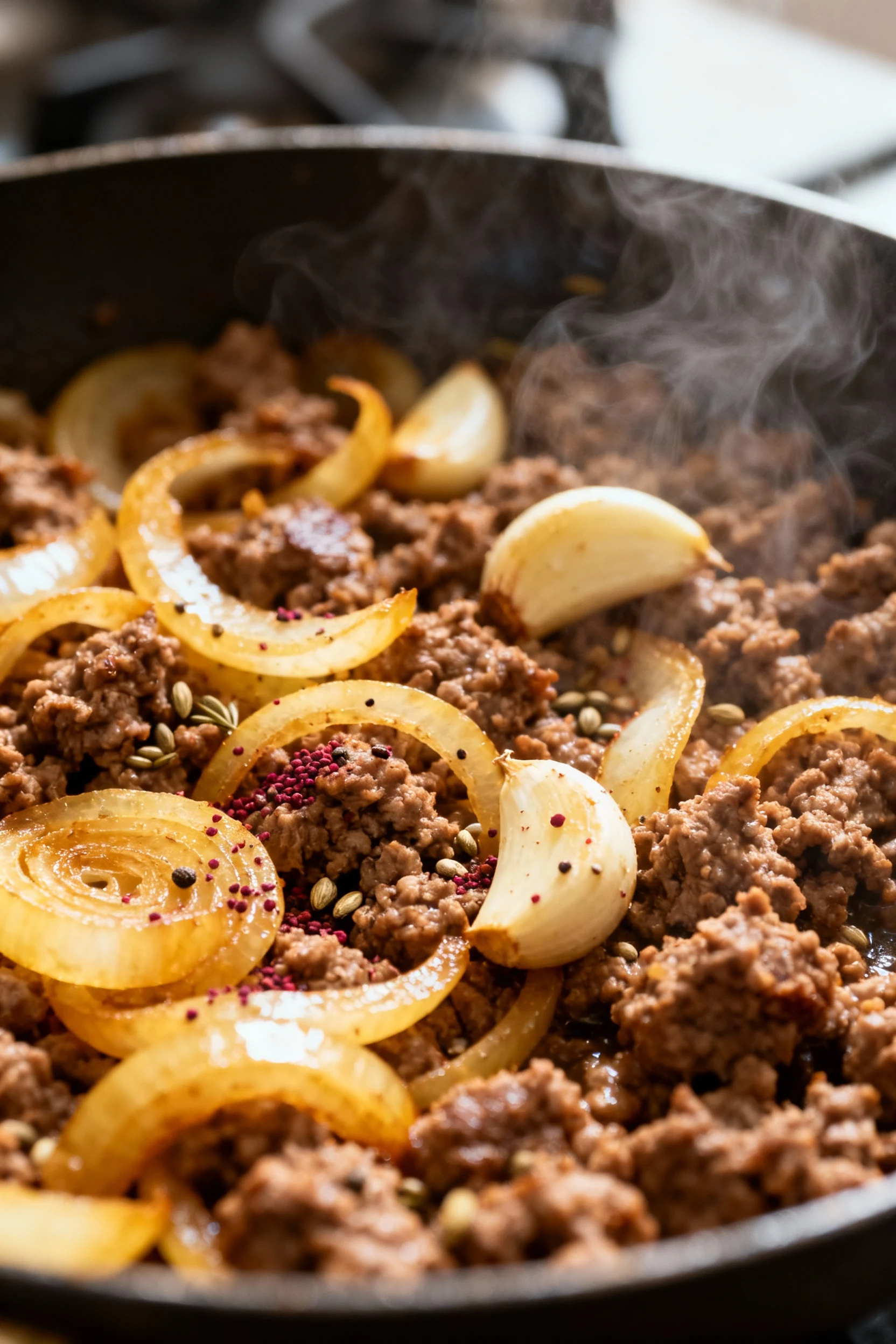
- Heat olive oil in a large pan over medium heat.
- Add chopped onions and garlic; sauté until fragrant and golden.
- Stir in ground meat, cooking until browned and crumbly.
- Season with sumac, allspice, salt, and pepper — hello, flavor!
- Fold in diced tomatoes and cook until they soften.
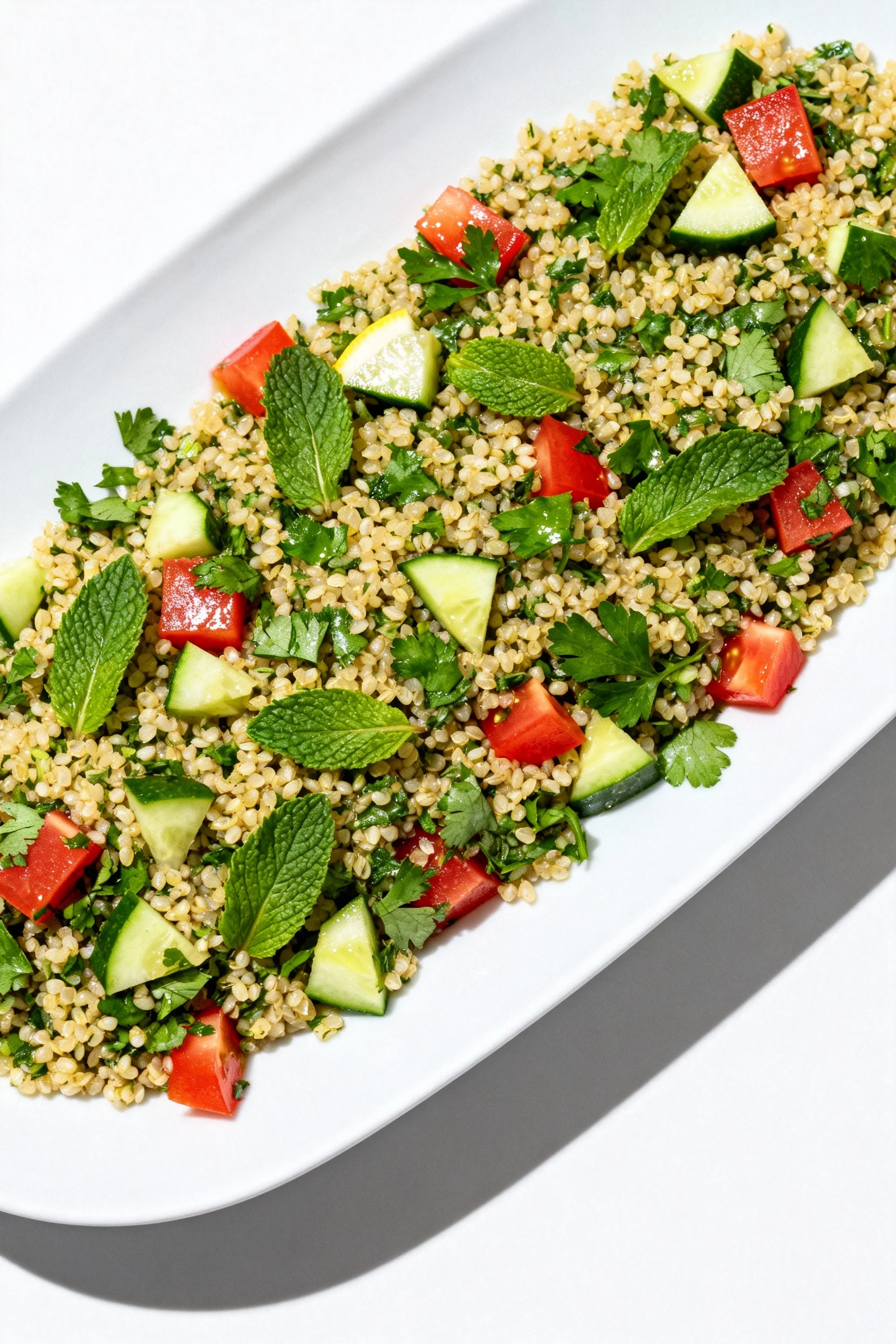
- Prepare bulgar wheat (soak in hot water until tender); fluff with a fork.
- Toss bulgar with parsley, mint, cucumber, and a splash of lemon juice for a vibrant salad.
- For hummus, blend chickpeas, tahini, lemon juice, and garlic until smooth.
- Serve meat alongside tabbouleh and hummus. Arrange beautifully — we eat with our eyes first.
Keeping It Fresh
Store your cooked meat and salads separately in airtight containers. Tabbouleh tastes best the first day, but you can stretch it by refreshing it with a squeeze of lemon and a pinch of parsley. Hummus keeps like a champ in the fridge for 3–4 days — just stir before serving. FYI, don’t store tomatoes in the fridge if you want to keep that summer sweetness; room temp is their happy place.
Benefits of This Recipe
- Heart-healthy – olive oil and fresh veggies do wonders
- Rich in fiber thanks to bulgar wheat and chickpeas
- Packed with plant-based protein in the hummus
- Low in processed sugars (your blood sugar will thank you)
- Customizable for vegetarians and carnivores alike
Pitfalls to Watch Out For
- Overcooking bulgar wheat — mushy grains ruin texture
- Using bitter tahini — always taste before mixing
- Skipping fresh herbs — dried parsley is NOT the same, trust me
- Heavy-handed seasoning — sumac and allspice are potent, balance is key
Recipe Variations
- Swap lamb for grilled chicken marinated in garlic and lemon
- Go vegetarian with roasted eggplant in place of meat
- Add pomegranate seeds to tabbouleh for sweetness and crunch
- Blend roasted red peppers into hummus for extra depth
FAQ
Can I make this ahead of time?
Absolutely. Prep the meat and bulgar separately up to a day ahead. Assemble salads fresh to keep textures lively.
Is it gluten-free?
Traditional bulgar wheat isn’t, but you can swap it for quinoa or millet without losing much authenticity.
Do I need a food processor for hummus?
Not strictly — you can mash chickpeas by hand — but be ready for a chunkier, rustic texture.
How spicy is Lebanese food?
Usually, it’s mild with aromatic spices rather than heat. If you want more fire, toss in a pinch of chili.
What’s the best olive oil type for this?
Extra virgin brings the richest flavor; cold-pressed if you’re feeling fancy. Avoid cheap blends — they dull the magic.
My Take
Lebanese cooking feels like a celebration. Every ingredient has a role, and the way they play together is pure artistry. IMO, once you make these dishes at home, you’ll find yourself casually sprinkling sumac on salads and whisking tahini dressing for even the most basic meals. It’s the kind of cuisine that makes you slow down, savor every bite, and secretly judge bland food forever after.
Printable Recipe Card
Want just the essential recipe details without scrolling through the article? Get our printable recipe card with just the ingredients and instructions.