Pork Loin Recipes Oven That Wow: Juicy Quick Foolproof
Roast a tender, juicy center with a crisp crust in under an hour—minimal prep, one pan, and foolproof temps for weeknights.
You want a dinner that looks fancy, tastes ridiculous, and doesn’t chain you to the stove. Here it is. Most people nuke pork loin into hockey pucks; you’re not most people. You’ll use science, salt, and a smart oven game plan to get restaurant-level results at home. Bonus: it feeds a crowd for the price of takeout wings.
The Secret Behind This Recipe
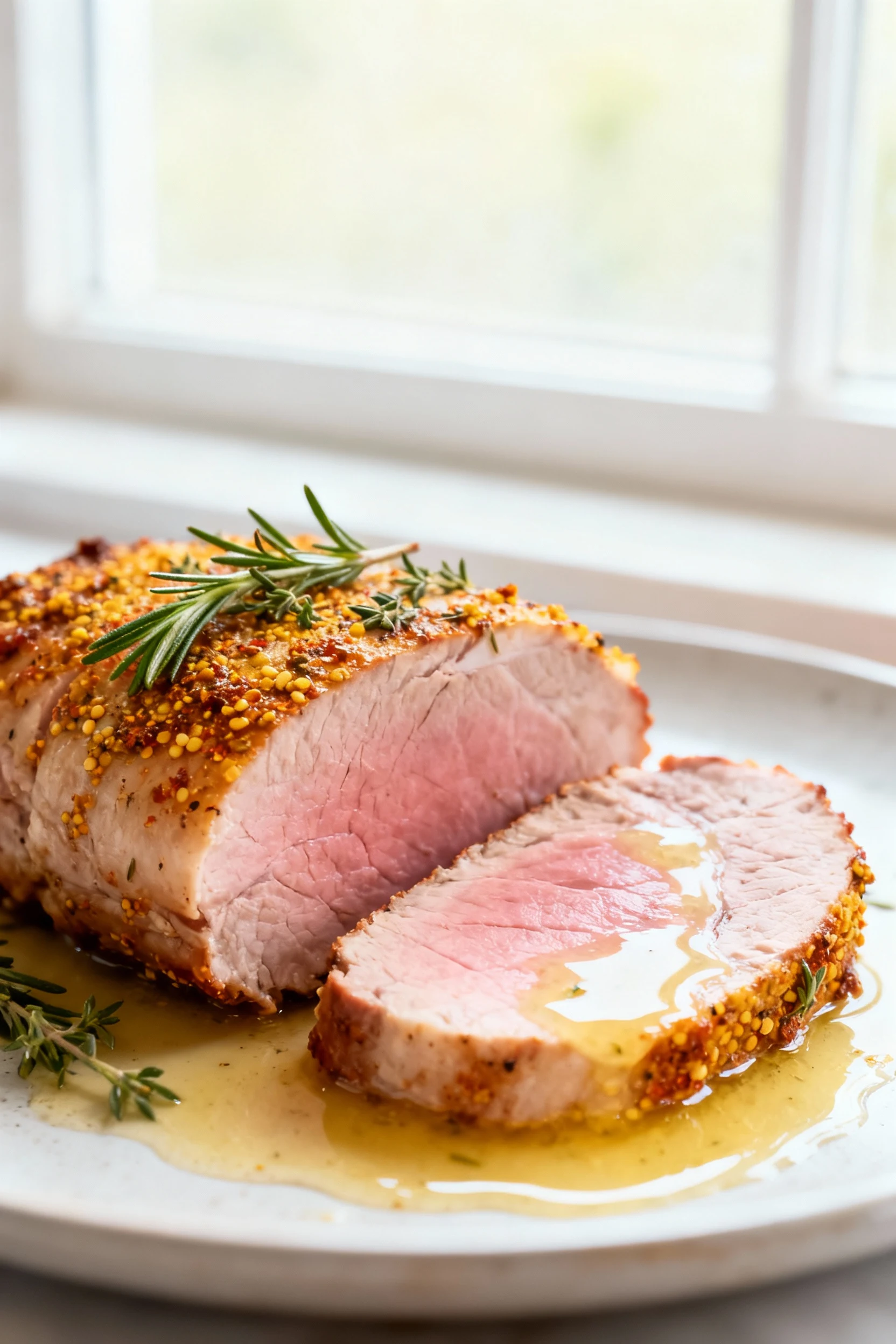
The difference between bland and “whoa” is simple: dry brine + two-stage heat + rest. Salt the roast ahead to let it absorb seasoning and retain moisture. Start hot to set a crisp crust, then finish at a moderate temp so the inside stays blush and juicy. Pull at 135°F and rest until it coasts to 145°F—that’s the sweet spot where safe meets succulent.
A quick rub with Dijon, herbs, and spices sticks flavor to the fat cap and builds that golden bark. A roasting rack or a bed of veggies keeps air circulating and prevents soggy bottoms (no thanks). FYI, a reliable instant-read thermometer is your best friend here—guessing is how pork gets a bad reputation.
Ingredients
- 1 boneless pork loin roast, 2 to 3 lb (not tenderloin), fat cap on
- 2 to 2.5 tsp kosher salt (Diamond Crystal); use about 1/2 tsp per lb if using Morton’s
- 1.5 tsp freshly ground black pepper
- 1 tbsp brown sugar
- 2 tsp garlic powder
- 1 tsp onion powder
- 2 tsp smoked paprika (or sweet paprika)
- 2 tbsp Dijon mustard
- 2 tbsp olive oil
- 1 tbsp fresh rosemary, finely chopped (or 1 tsp dried)
- 1 tbsp fresh thyme leaves (or 1 tsp dried)
- 1 tbsp apple cider vinegar (for sauce and brightness)
- 1 cup low-sodium chicken broth (for pan sauce)
- 2 tbsp unsalted butter (to finish the sauce)
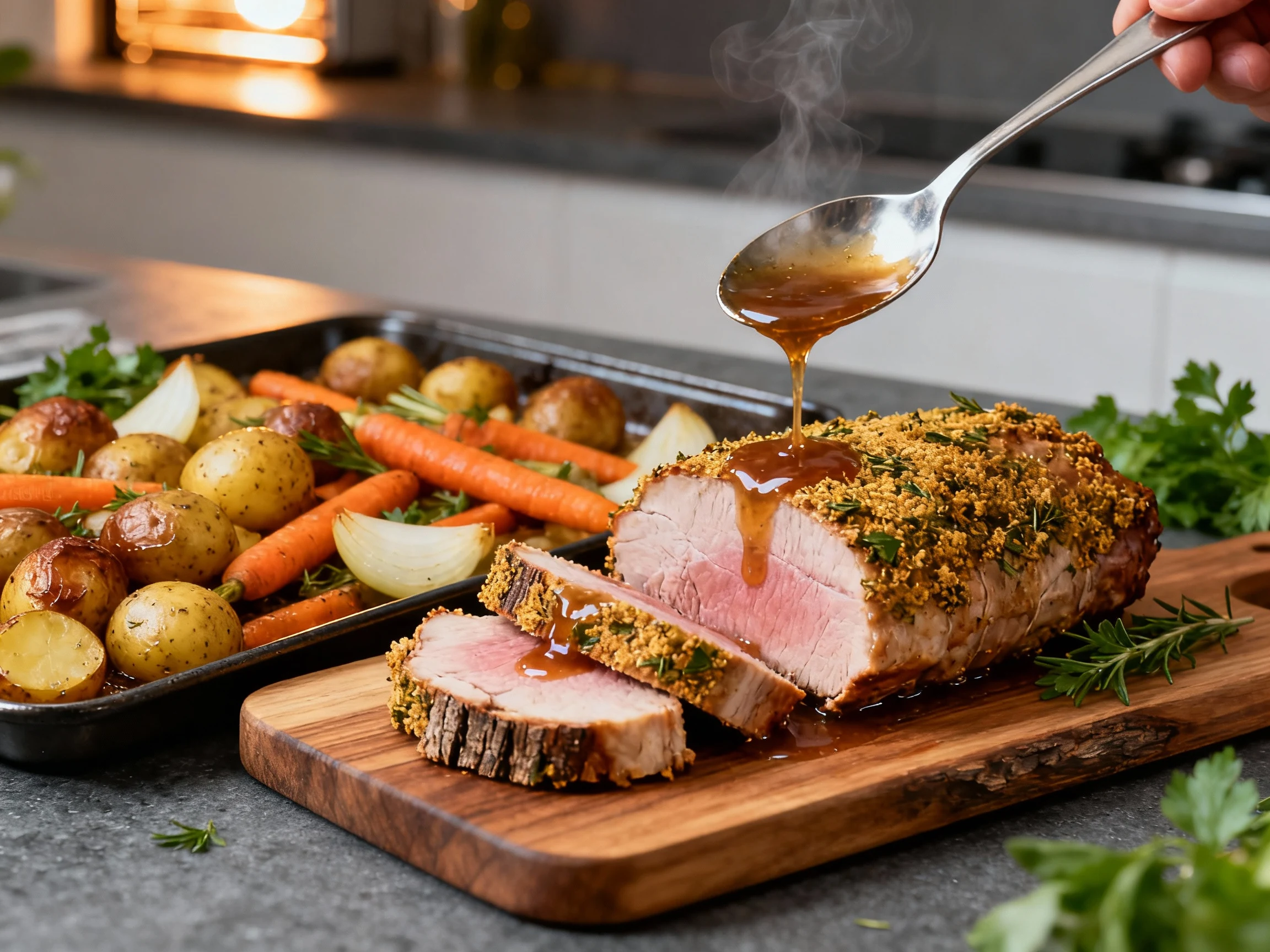
- Optional veggies for a sheet-pan roast: 1 lb baby potatoes, 3 carrots (chunked), 1 large yellow onion (wedged)
- Kitchen twine (optional, for even cooking)
Let’s Get Cooking – Instructions
- Dry brine (fast or overnight): Pat the pork loin dry. Sprinkle all over with kosher salt (aim for an even coating). Chill uncovered on a rack for 30 minutes to 24 hours. The longer window yields deeper seasoning and juicier meat.
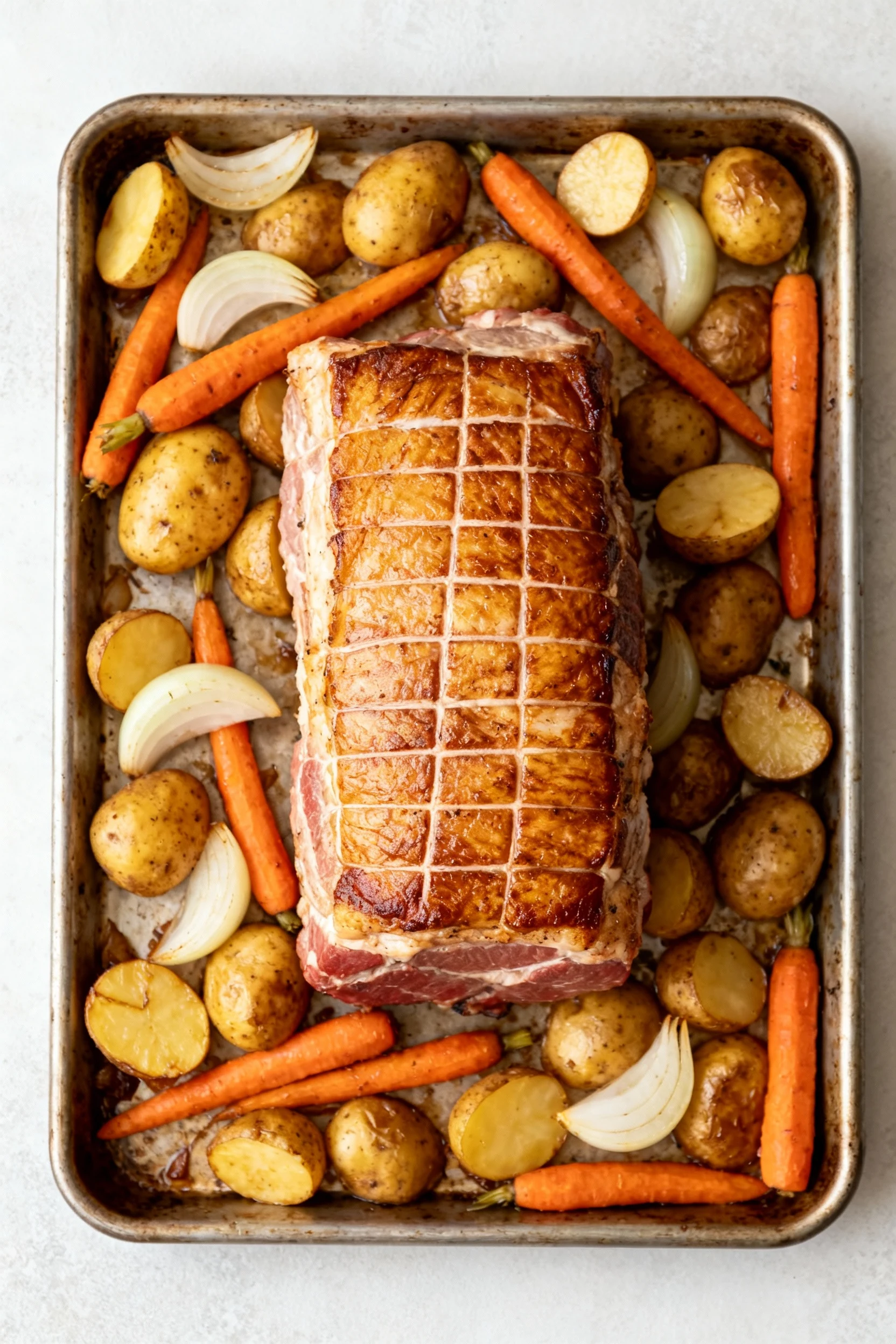
- Preheat and prep: Set your oven to 450°F with the rack in the center. If using veggies, toss them with a little oil, salt, and pepper on a rimmed sheet pan. Place a rack over the veggies if you have one; if not, nestle the roast on top.
- Mix the flavor glue: In a small bowl, combine Dijon and olive oil. In a second bowl, mix pepper, brown sugar, garlic powder, onion powder, smoked paprika, rosemary, and thyme.
- Score and tie (optional but clutch): Lightly score the fat cap in a crosshatch (don’t cut into the meat). Tie the loin with twine every 1.5 inches for a rounder, more even roast.
- Season: Brush the pork with the Dijon-oil mixture. Sprinkle and pat on the spice-herb blend so it sticks. Place the roast fat side up on your pan or in an oven-safe skillet.
- Initial high-heat blast: Roast at 450°F for 15 minutes to jump-start browning and crust formation.
- Finish at moderate heat: Reduce the oven to 350°F (don’t open the door yet). Continue roasting until the thickest part hits 135°F. Estimate about 20–25 minutes per pound after the initial blast. A 2 lb roast often finishes in roughly 45–55 minutes total.
- Rest like you mean it: Transfer the roast to a cutting board and tent loosely with foil. Rest 10–15 minutes so carryover brings it to 145°F and juices redistribute. Slice too early and the board will drink your dinner.
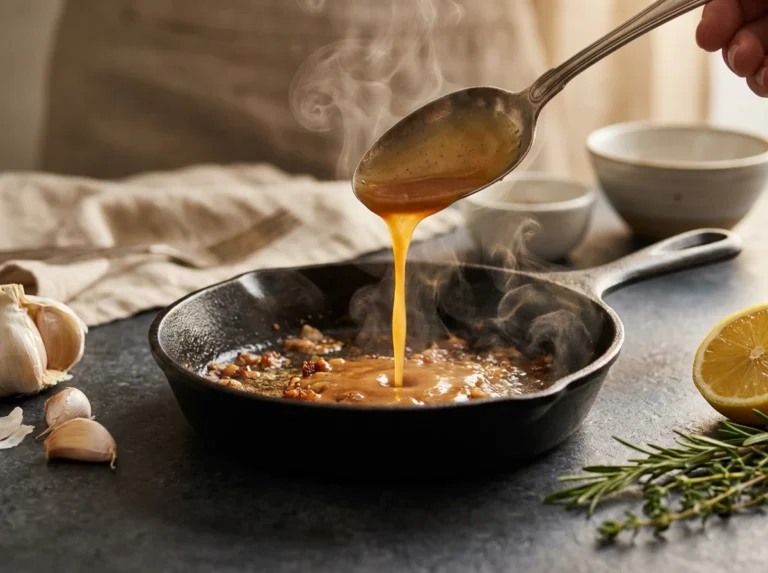
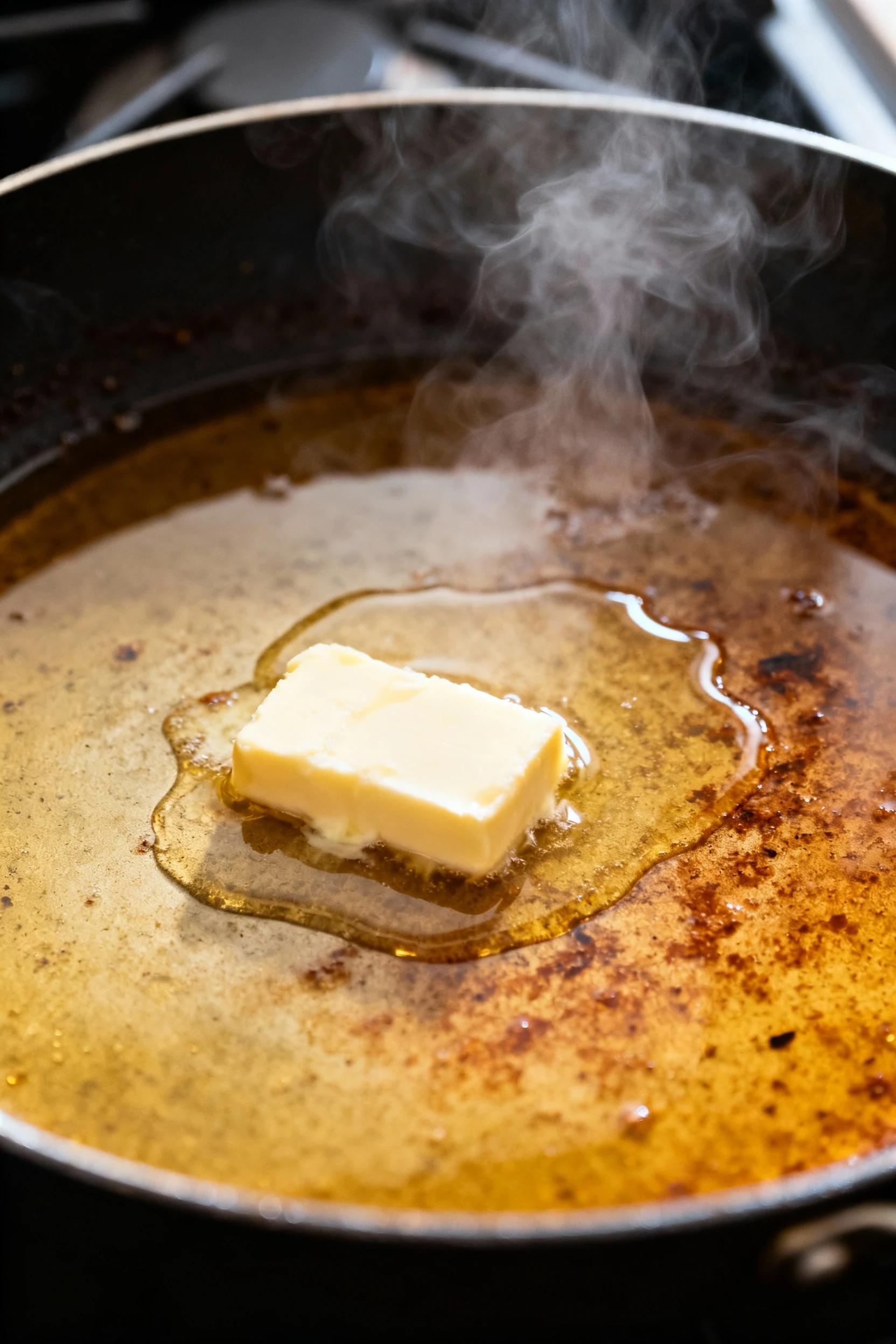
- Make a quick pan sauce: Set the roasting pan or skillet over medium heat. Add chicken broth and a splash of apple cider vinegar; scrape up the browned bits. Simmer 3–5 minutes to reduce, then whisk in 2 tbsp butter. Adjust salt and pepper. For extra zip, whisk in 1 tsp Dijon.
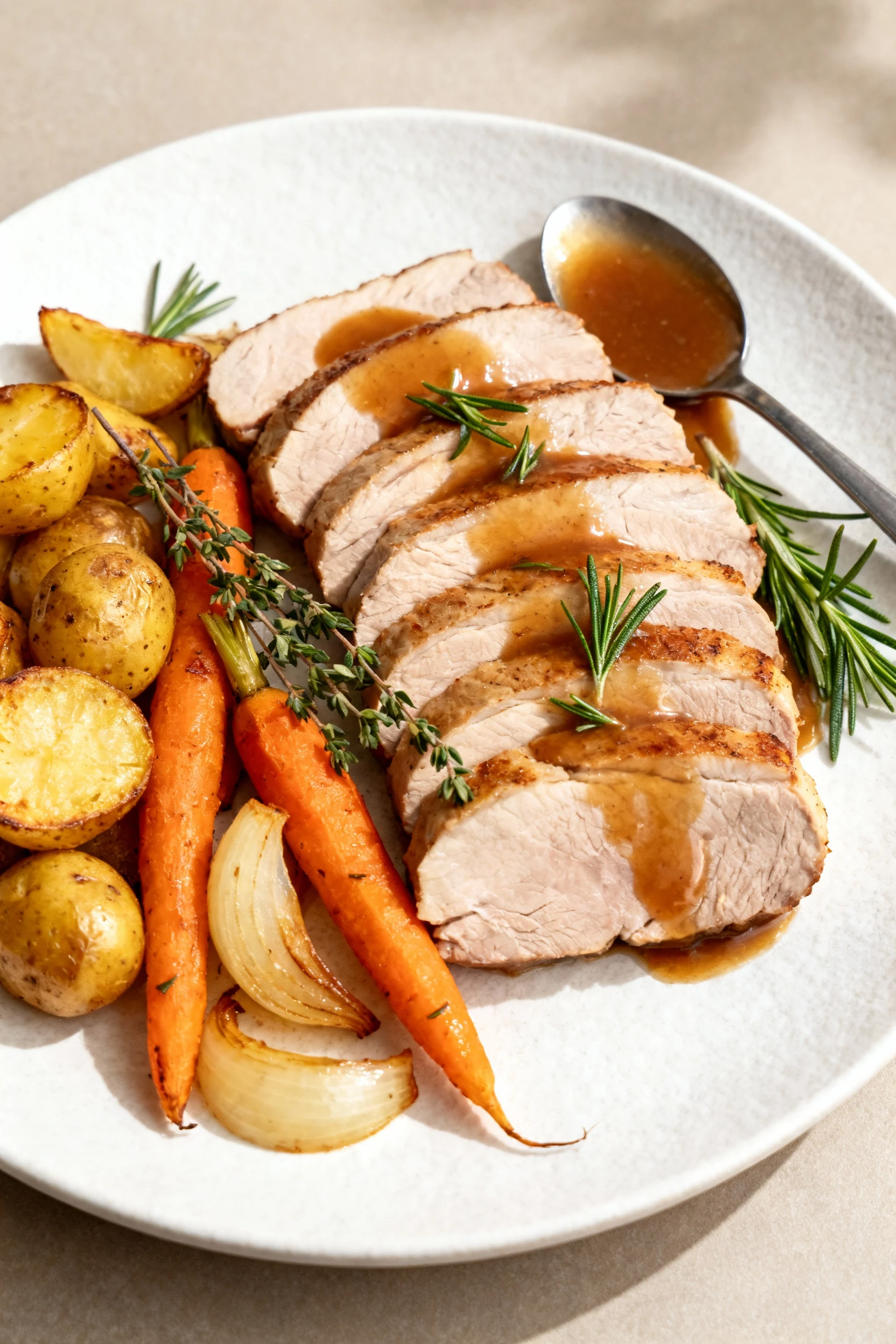
- Slice and serve: Slice across the grain into 1/2-inch slices. Spoon sauce over the top and serve with the roasted veggies. Bask in compliments (pretend it was hard).
Keeping It Fresh
Cool leftovers, then store in airtight containers in the fridge for up to 4 days. Reheat gently covered at 275°F with a splash of broth until warm—low and slow keeps it juicy. For quick sandwiches, slice thin and rewarm in a hot skillet with a spoon of sauce for 60–90 seconds.
Freezer-friendly? Absolutely. Wrap slices tightly and freeze for 2–3 months. Thaw overnight, then reheat as above. To revive the crust, give slices a quick broiler kiss (30–60 seconds) after reheating—watch closely unless you like charcoal couture.
What’s Great About This
- Weeknight fast, dinner-party fancy: Big flavor with minimal effort and dishes.
- Budget-friendly hero: Pork loin feeds a crowd without wrecking your wallet.
- Foolproof doneness: Clear temp targets mean no guesswork and no dry meat, IMO.
- Flexible flavor base: Swap herbs, add spice, go sweet-savory—your call.
- Great leftovers: Sandwiches, grain bowls, salads—one cook, many meals.
- Pan sauce built-in: The oven does the browning; you harvest the flavor.
Avoid These Mistakes
- Buying the wrong cut: Tenderloin is skinny and cooks fast; pork loin is a thicker roast. Not the same.
- Skipping the rest: Slice early and the juices flood out. Resting is non-negotiable.
- Overcooking: Anything past 150°F heads toward dry. Pull at 135°F and let carryover work.
- Going bonkers with liquid: Don’t flood the pan at the start. You’ll steam, not roast.
- Under-salting: Use the per-pound salt guide. Fear of salt = bland meat.
- Skipping the thermometer: Eyeballing thickness is not a superpower. A $15 thermometer saves dinner, FYI.
- Crowding veggies: Pack them tight and they’ll sweat. Give them breathing room for caramelization.
- Not trimming silver skin: If present, remove the tough membrane so bites stay tender.
Variations You Can Try
- Maple-Mustard: Swap brown sugar for 1 tbsp maple syrup; add 1 tsp grainy mustard to the sauce.
- Garlic-Herb Lemon: Add 4 minced garlic cloves and 1 tsp lemon zest to the rub; finish sauce with lemon juice.
- Smoky Chipotle-Lime: Add 1 tsp chipotle powder and lime zest; finish with a squeeze of lime and chopped cilantro.
- Balsamic-Rosemary: Replace cider vinegar with 2 tsp balsamic; double the rosemary; reduce sauce a touch more for gloss.
- Honey-Soy Ginger: Rub includes 1 tbsp honey and 1 tbsp soy; add 1 tsp grated ginger. Finish with toasted sesame seeds.
- Cajun Spice: Use your favorite Cajun blend instead of paprika mix; toss okra or bell peppers on the sheet pan.
- Bacon-Wrapped: Lay bacon strips over the fat cap before roasting. Watch salt levels and temp—bacon browns fast.
- Stuffed Spinach-Feta: Butterfly the loin, spread with sautéed spinach, garlic, and feta; roll, tie, and roast as directed.
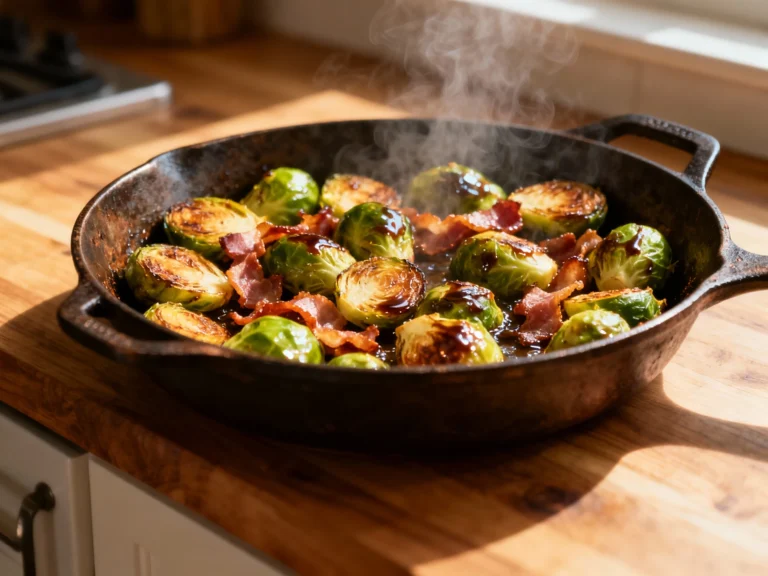
- Apple & Brussels Sheet Pan: Add Brussels halves and apple wedges for sweet-savory vibes; thyme plays great here.
- Reverse Sear (TBH, extra juicy): Roast at 275°F to 135°F, rest 10 minutes, then blast at 500°F for 5–8 minutes to crisp.
FAQ
What’s the difference between pork loin and tenderloin?
Pork loin is a wide, thick roast that excels with low-to-moderate roasting and slicing. Tenderloin is a skinny, ultra-lean muscle that cooks fast and prefers high heat. They’re different sizes, different cook times, different recipes—don’t swap them one-for-one.
What internal temperature should I target?
Pull the roast at 135°F and rest until it hits 145°F. That’s the USDA-safe temp for whole-muscle pork and the point where you get tender, juicy slices instead of sawdust. The rest matters—carryover does real work.
How long do I cook pork loin per pound?
After the initial 450°F blast, plan roughly 20–25 minutes per pound at 350°F. Ovens vary and fat caps insulate, so use those numbers as a guide. The thermometer, not the clock, makes the final call.
Do I need to sear on the stovetop first?
Nope—the high-heat start at 450°F handles browning in the oven. If you love stovetop searing, you can brown the fat cap in a hot skillet for 2–3 minutes first, but it’s optional and not required for a great crust.
Should I cover the roast while it cooks?
Keep it uncovered so the surface dries and browns. Tent with foil only during the rest, 10–15 minutes, to keep it warm while juices redistribute. Covering in the oven will steam the crust into sadness.
Can I cook it from frozen?
Technically yes, but you’ll sacrifice even cooking and surface browning. For best results, thaw in the fridge 24–36 hours. If you must cook from frozen, start at 300°F until 100°F internal, then raise the oven to 400°F and finish to temp.
Do I need a rack?
A rack helps air circulation and even browning, but it’s not mandatory. Set the roast on a bed of sturdy veggies (potatoes, carrots, onions) for a built-in rack and an instant side dish.
Can I brine in liquid instead of dry brining?
You can, but a dry brine is simpler, less messy, and keeps the surface dry for better browning. If you wet brine, rinse and dry extremely well, and reduce added salt in the rub to avoid over-seasoning.
Wrapping Up
You don’t need a culinary degree to roast pork like a pro—just a plan, a thermometer, and a good rest. This method delivers a crisp, savory crust and a tender, juicy middle every time. Swap flavors to match your mood, then turn leftovers into elite sandwiches or bowls. Next grocery run, grab a loin and flex your new house-special roast—your future self (and your guests) will thank you.
Printable Recipe Card
Want just the essential recipe details without scrolling through the article? Get our printable recipe card with just the ingredients and instructions.