Boneless Chicken Breast Recipes for Juicy Fast Weeknight Wins
Weeknight-friendly methods to keep chicken juicy, build big flavor fast, and use pantry staples you already have.
You can pay $18 for a dry chicken salad, or spend 20 minutes at home and eat like a legend. The secret isn’t a secret—it’s heat control, bold seasoning, and a tiny bit of strategy. Most folks overcook, under-season, and skip the rest. We’re not doing that today. Stick with me and you’ll have a repeatable playbook for juicy, flavorful chicken that works any night you’re short on time and patience.
What Makes This Recipe So Good
- Guaranteed juiciness: We use a quick dry brine, a hot sear, and a gentle finish so the chicken hits the sweet spot—moist, tender, never chalky.
- Fast and flexible: From fridge to plate in about 20–25 minutes, and the base seasoning plays well with any cuisine—Italian night, taco bowls, salads, you name it.
- Pantry-powered flavor: Paprika, garlic, onion, and lemon do heavy lifting, so you don’t need a long marinade or a grocery run.
- Meal-prep friendly: Cooks evenly for consistent slices that reheat well and don’t turn into sawdust. Your lunches will stop being sad.
- Works with any pan: Cast iron is great, but stainless or nonstick will do. The method survives real-life cookware.
What Goes Into This Recipe – Ingredients
- 2 large boneless skinless chicken breasts (about 1.5–2 lb total), halved horizontally into 4 cutlets
- 1.5 teaspoons kosher salt (Diamond Crystal; use 1 teaspoon if using Morton). Plus more to taste.
- 1 teaspoon brown sugar (optional, balances browning and seasoning)
- 1 teaspoon smoked paprika (or sweet paprika)
- 1 teaspoon garlic powder
- 1/2 teaspoon onion powder
- 1/2 teaspoon freshly ground black pepper
- 1/4 teaspoon chili flakes (optional, for a mild kick)
- 2 tablespoons olive oil (or avocado oil; high-heat friendly)
- 2 tablespoons unsalted butter
- 3 garlic cloves, smashed
- 1 lemon (zest and juice)
- Fresh herbs (2 tablespoons chopped parsley, chives, or basil), optional
Optional quick wet brine (fast insurance): 3 cups water + 3 tablespoons kosher salt + 1 tablespoon sugar, 15–30 minutes.
The Method – Instructions
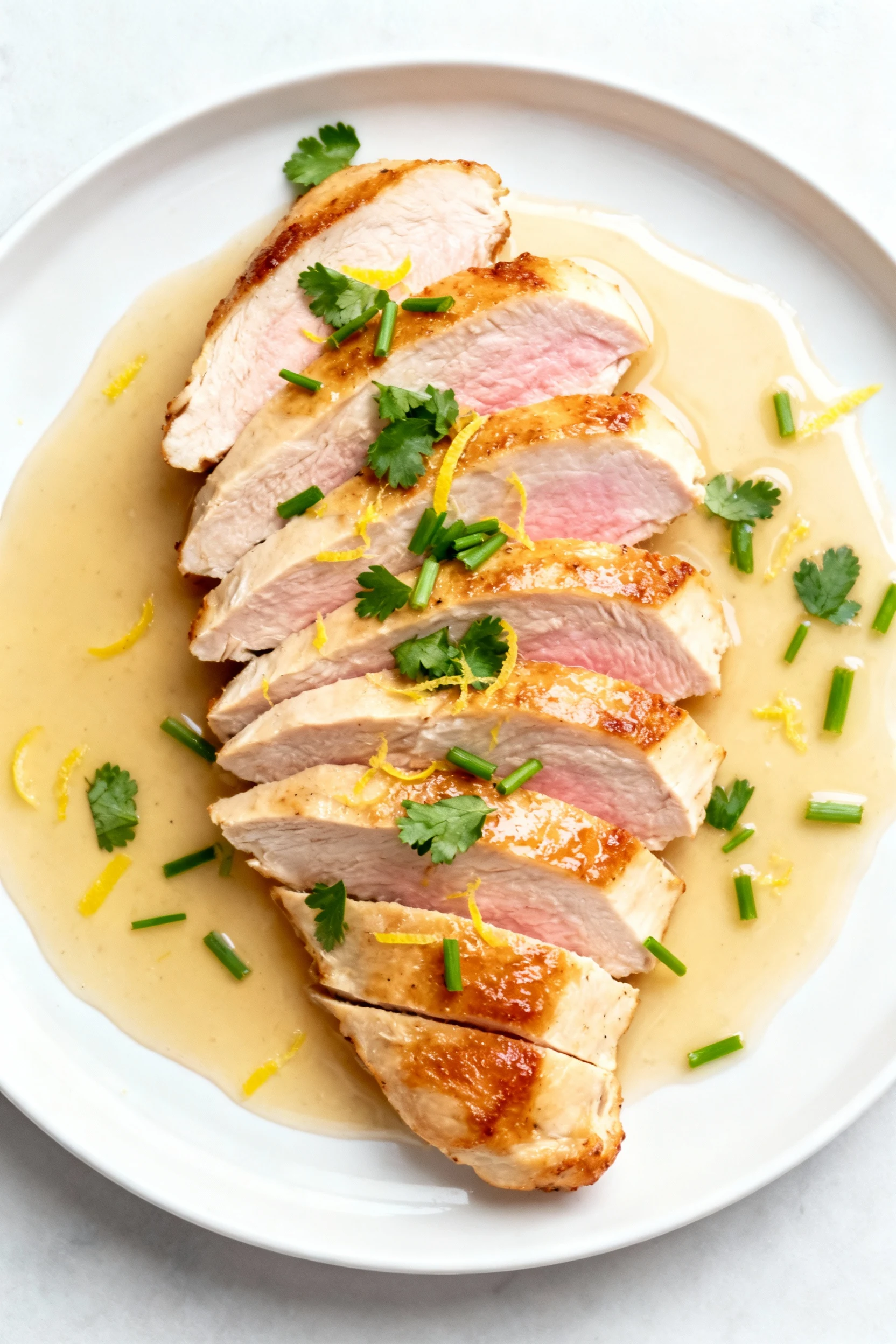
- Butterfly and even out: Lay each breast flat and slice horizontally to create 4 even cutlets. Lightly pound to about 3/4-inch thickness so they cook at the same rate.
- Optional quick brine (highly recommended): Stir salt and sugar into water to dissolve. Submerge chicken for 15–30 minutes in the fridge. Rinse quickly and pat very dry. FYI, the brine adds forgiveness; skip only if you must.
- Season like you mean it: In a small bowl, mix kosher salt, brown sugar, smoked paprika, garlic powder, onion powder, black pepper, and chili flakes. Zest the lemon over the mix for bonus aroma. Coat chicken evenly on both sides.
- Preheat your pan: Heat a large skillet over medium-high until hot. Add olive oil and swirl. You want the oil shimmering—not smoking—before the chicken hits the pan.
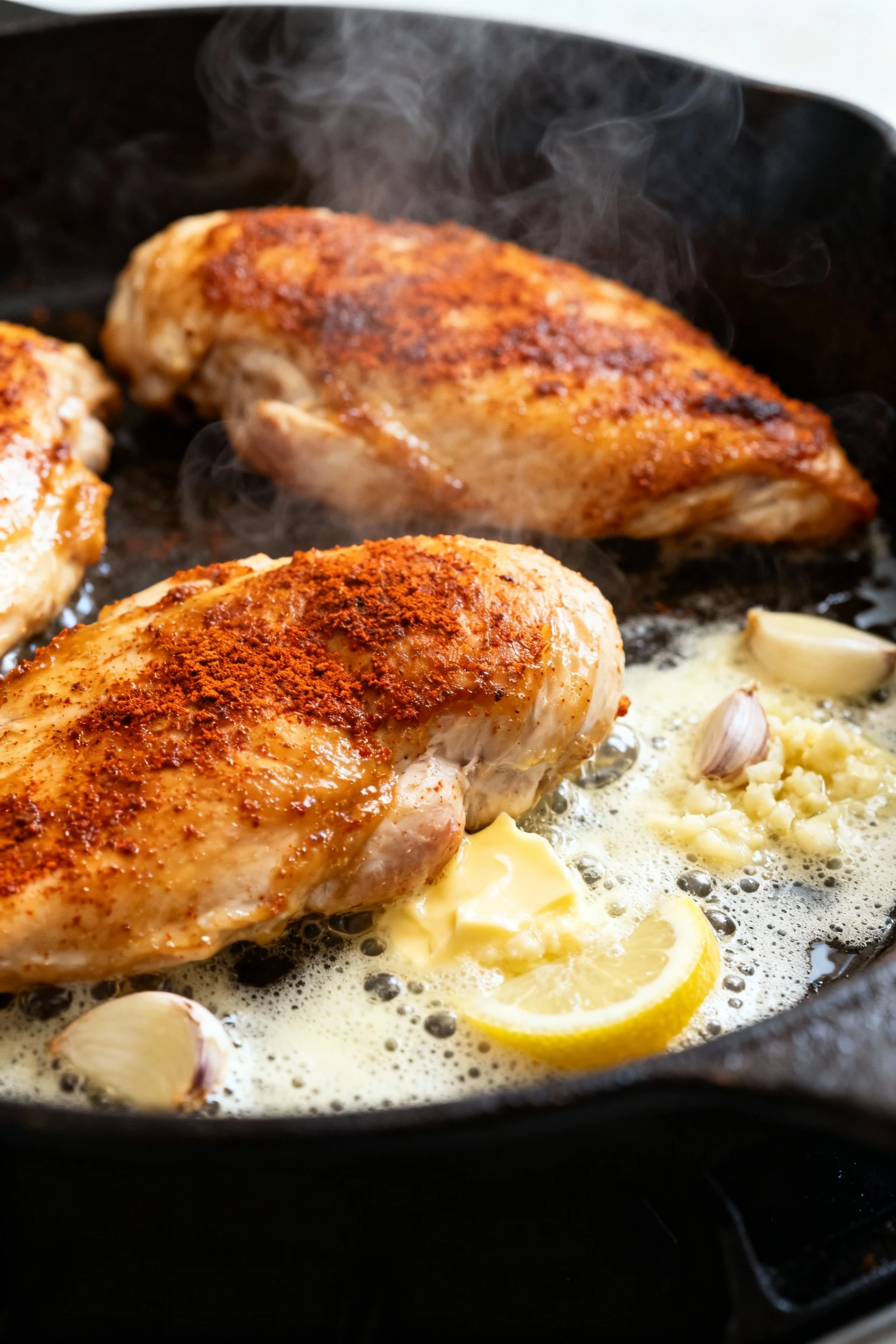
- Sear for color: Add cutlets in a single layer (don’t crowd). Sear 2–3 minutes until deep golden on the first side. Flip and sear another 2 minutes.
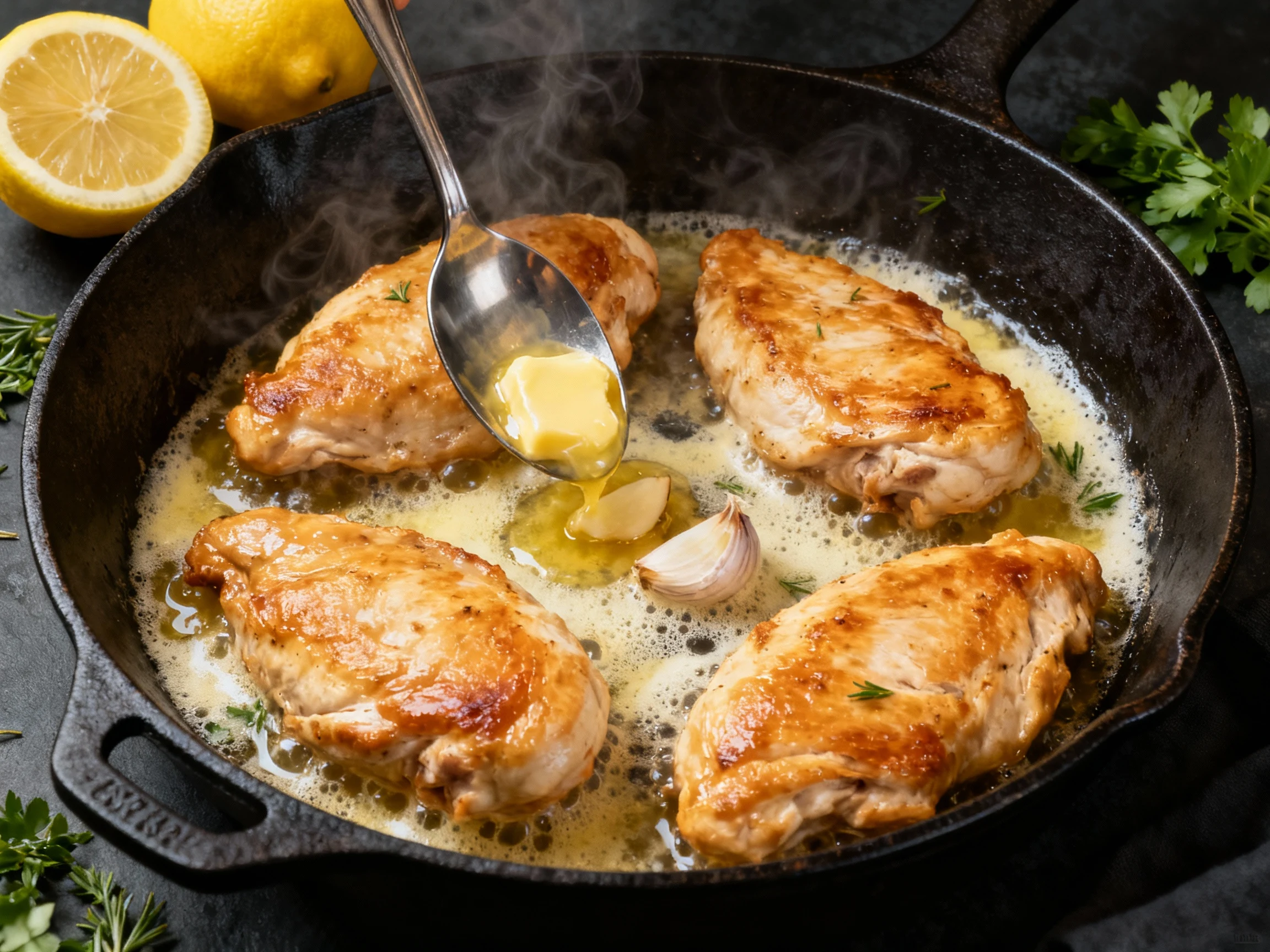
- Add flavor bombs: Drop in butter and smashed garlic. Tilt the pan and baste the chicken with the foaming butter for 30–45 seconds. Squeeze in half the lemon juice and keep basting.
- Finish gently: Reduce heat to medium or medium-low and continue cooking 1–3 minutes more, basting occasionally, until the thickest part reads 160°F on an instant-read thermometer. Remove to a plate—carryover heat takes it to 165°F.
- Rest, then sauce: Rest 5–7 minutes. Stir chopped herbs into the pan with a splash of water or stock to loosen browned bits. Spoon the pan sauce over the chicken and finish with the remaining lemon juice to taste.
- Serve smart: Slice against the grain for tenderness. Add over greens, rice, roasted veggies, pasta, or stuff in wraps. It plays nice with everything.
Oven finish option: After step 6, slide the skillet into a 375°F oven for 4–6 minutes until 160°F inside. Rest to 165°F.
All-stovetop low-and-slow option: After searing, reduce heat to low, cover, and cook 4–6 minutes, flipping once, until 160°F. Rest to 165°F. This is clutch when you don’t want the oven on.
Keeping It Fresh
- Fridge: Cool fully, then store in airtight containers for up to 4 days. Keep sauce separate if you want to preserve crust.
- Freezer: Slice, then wrap tightly and freeze up to 3 months. Freeze in single-meal bundles so you don’t thaw a brick.
- Reheat without drying: Add slices to a skillet with a splash of broth or water; cover over low heat 3–5 minutes. Or microwave at 50% power in 30-second bursts, covered, with a teaspoon of water.
- Revive the vibe: Whisk 1 teaspoon Dijon + 1 tablespoon butter + a squeeze of lemon into hot pan juices for a quick saucy upgrade that makes leftovers feel new.
What’s Great About This
- It’s a system, not just a recipe: Once you master sear + baste + gentle finish, you can plug in any spice profile and win.
- Macro-friendly: Lean protein, low-carb base, and it adapts to any side. Salad or pasta—your call, your goals.
- Budget hero: Chicken breasts + pantry spices = restaurant-level results without the receipt-induced regret.
- Kid-approved, guest-approved: Mild enough for picky eaters; impressive enough to serve to friends without breaking a sweat.
- Scales easily: Double or triple the seasoning for batch cooking. Use two pans or work in rounds to avoid steaming.
Common Mistakes to Avoid
- Starting cold: Ice-cold chicken seizes and cooks unevenly. Let it sit at room temp 10–15 minutes while you prep.
- Skipping the dry-off: Surface moisture kills sear. Pat chicken thoroughly with paper towels before seasoning.
- Crowding the pan: If pieces touch, they steam. Work in batches for crisp edges and better browning.
- Cooking by time, not temp: Breast sizes vary. Use an instant-read thermometer and pull at 160°F.
- Overcomplicating the marinade: You don’t need a 24-hour soak. This method packs flavor fast; long marinades can get mushy IMO.
- Skipping the rest: Cutting too soon leaks juices onto the board, not your plate. Rest at least 5 minutes.
Mix It Up
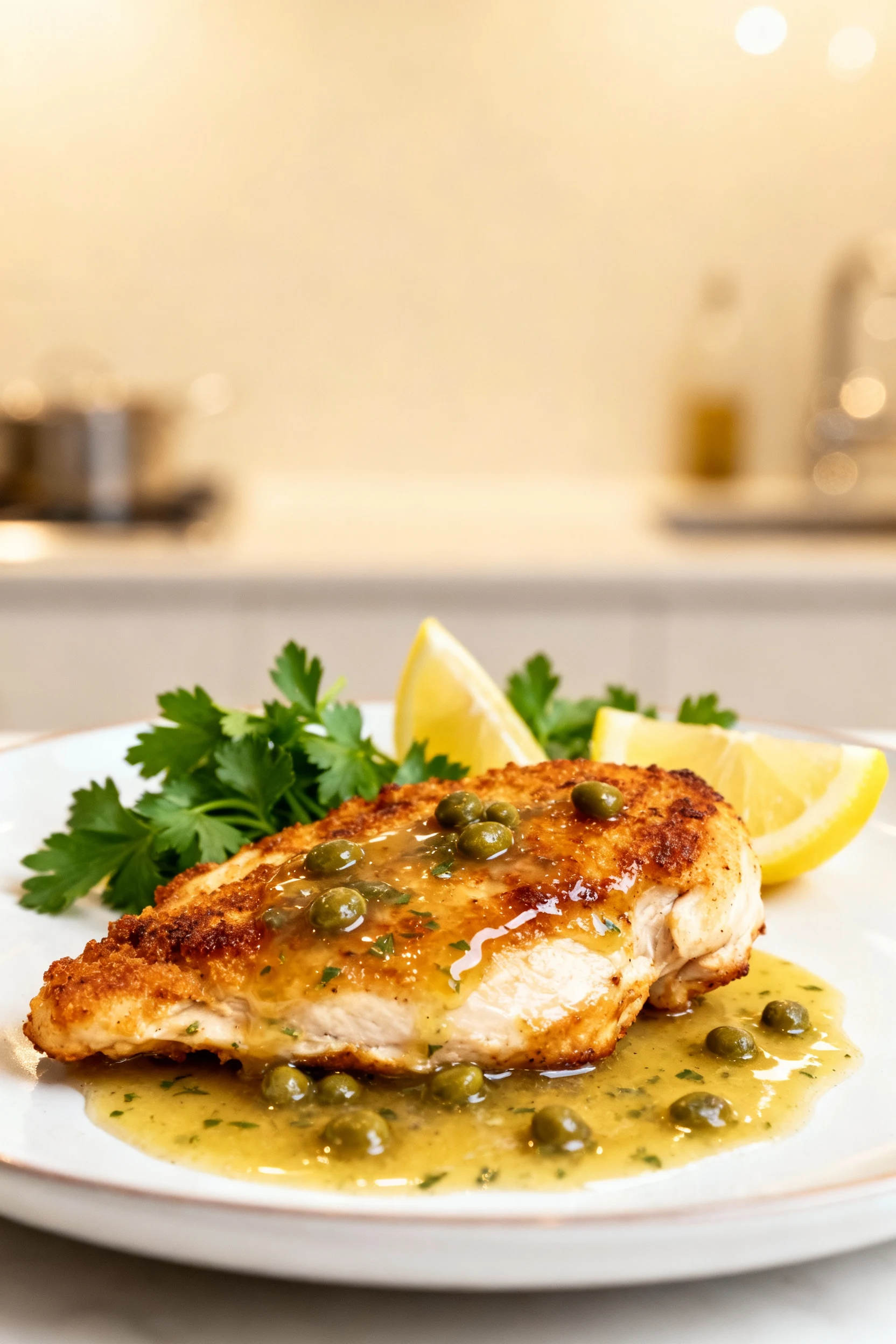
- Lemon herb piccata vibes: Add 1 tablespoon capers and 1/3 cup chicken stock to the pan with the butter; simmer 1–2 minutes. Finish with parsley and extra lemon.
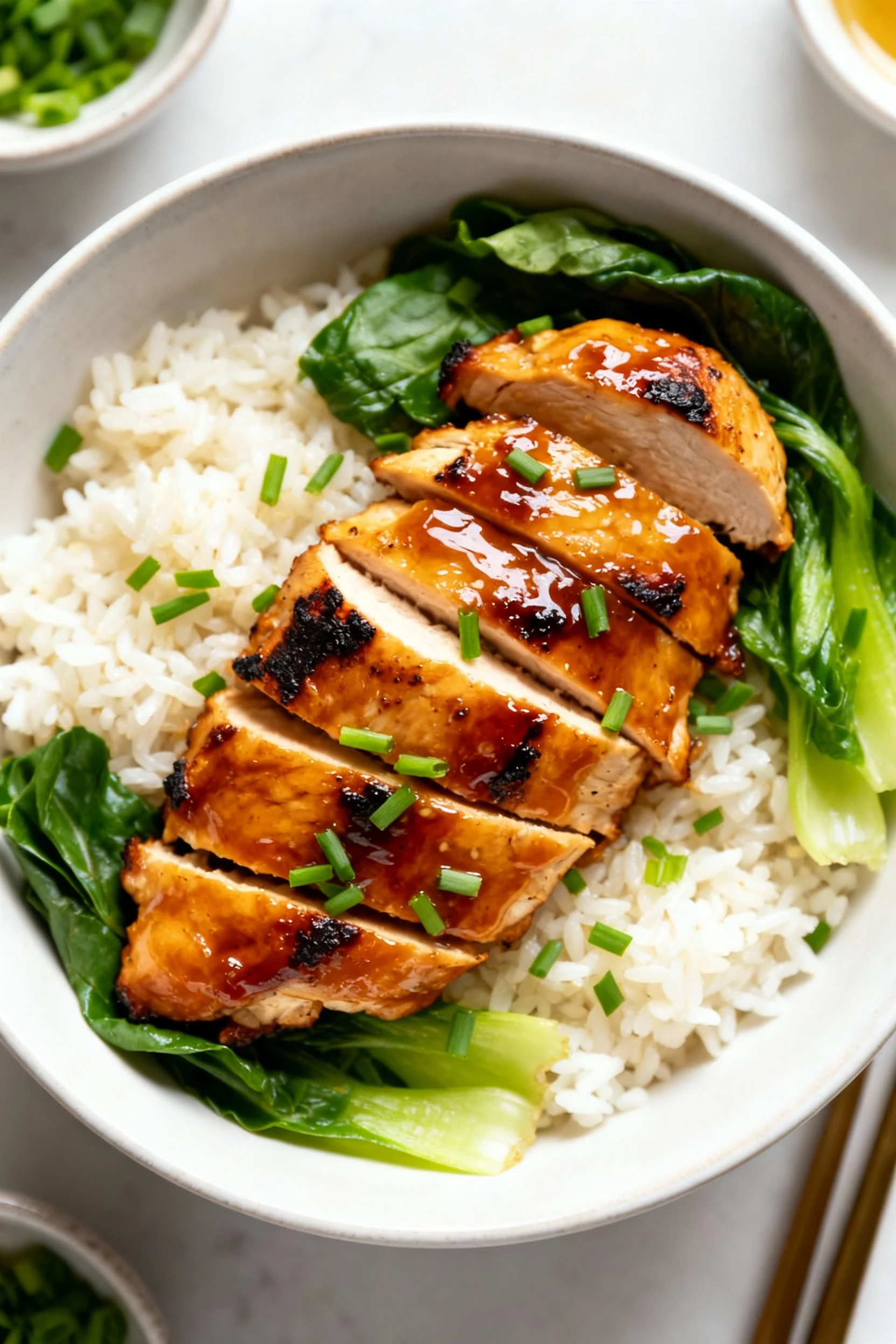
- Honey-garlic glaze: Stir in 1 tablespoon honey and 1 teaspoon soy sauce with the butter and baste. Sweet-salty and sticky—in the best way.
- Taco night rub: Swap paprika for chili powder; add 1/2 teaspoon cumin and 1/4 teaspoon oregano. Slice for bowls, tacos, or quesadillas.
- Mediterranean spin: Add 1 teaspoon dried oregano, a pinch of coriander, and finish with crumbled feta, olives, and a drizzle of olive oil.
- Buffalo ranch: Toss sliced chicken with 2 tablespoons buffalo sauce and 1 tablespoon ranch while warm. Killer on salads or wraps.
- Air fryer method: Season as written. Air fry at 375°F for 8–12 minutes (depending on thickness), flipping once, to 160°F. Brush with melted butter + garlic to finish.
- Grill option: Medium-high zone + indirect zone. Sear 2–3 minutes per side, move to indirect heat to finish to 160°F. Baste with butter and lemon off heat.
- Stuff it: Slice a pocket, stuff with spinach and a slice of provolone. Sear briefly, then finish in a 375°F oven 6–10 minutes to temp.
- Creamy skillet sauce: After searing, remove chicken. Add 1/2 cup cream + 1 teaspoon Dijon + 1/2 cup stock; reduce 2–3 minutes. Return chicken for a quick warm-through.
FAQ
How do I keep boneless chicken breast juicy every time?
Even thickness, high-heat sear, and a gentle finish. Pull at 160°F and rest to 165°F. A quick 15–30 minute brine helps a ton, and basting with butter near the end locks in moisture and flavor. Also, don’t skip the rest—let those juices redistribute.
Do I really need to brine?
No, but it’s the best insurance policy for moist chicken. A short wet brine or simple dry brine (salt on the meat 30–90 minutes ahead) improves seasoning and texture. If you’re time-crunched, brine only when the chicken looks extra thick or you know you’ll get distracted.
What internal temperature is best for chicken breasts?
Cook to 160°F and rest to 165°F. That’s food-safe and juicy. Overshoot by 5–10 degrees and it dries out fast—this is why a $15 instant-read thermometer is a game changer.
Can I make this with frozen chicken?
Thaw first for best results. If you must cook from frozen, use the air fryer or oven at 375°F and add time, but you’ll sacrifice sear. The seasoning sticks better and the texture is superior when thawed overnight in the fridge.
What’s the best oil for searing chicken breasts?
Use a high-heat oil like olive oil (light), avocado, or canola for the initial sear. Add butter later for flavor when the heat is slightly lower so it doesn’t burn. That combo gives you color and taste without smoke alarms.
Can I meal prep this for the week?
Absolutely. Slice after resting, portion with grains and veg, and store for up to 4 days. Reheat gently with a splash of broth to keep things tender. Keep sauces on the side until serving for best texture.
How do I avoid the bland chicken problem?
Season on both sides and add acidity at the end—lemon, vinegar, or a splash of hot sauce. A little brown sugar in the rub boosts browning and balances the savory notes. Also, don’t be shy with herbs; they’re fresh flavor for pennies.
Is this method healthy?
Yes—lean protein, minimal oil, and it pairs with any goal-friendly sides. You control the butter and sauce. If you want ultra-light, skip butter and finish with lemon and herbs only; still delicious, still juicy, still winning.
In Conclusion
This isn’t just another Tuesday dinner; it’s a system to make chicken you’ll actually crave. Even thickness, bold seasoning, hot sear, gentle finish, quick rest—repeat that and your kitchen becomes the place takeout fears. Keep the base method and swap flavors to match your mood or pantry. Simple, fast, juicy—check, check, and check. Go make it happen, then enjoy the leftovers flex tomorrow (they’ll be just as good, TBH).
Printable Recipe Card
Want just the essential recipe details without scrolling through the article? Get our printable recipe card with just the ingredients and instructions.