Swiss Chard Recipes That Make Weeknights Fast and Fancy
Cook a 20-minute, budget-friendly skillet that spotlights market greens with pantry staples—big flavor, low effort, zero sad salads.
You bought those gorgeous rainbow stems, and now they’re giving you the stare-down from the crisper. Here’s the play: one skillet, pantry basics, and a leafy green glow-up that tastes restaurant-level without the restaurant bill. Flavor math: garlic + heat + acid + creamy finish = magic. And yes, you’ll use the stems (aka the crunchy gold everyone weirdly throws away).
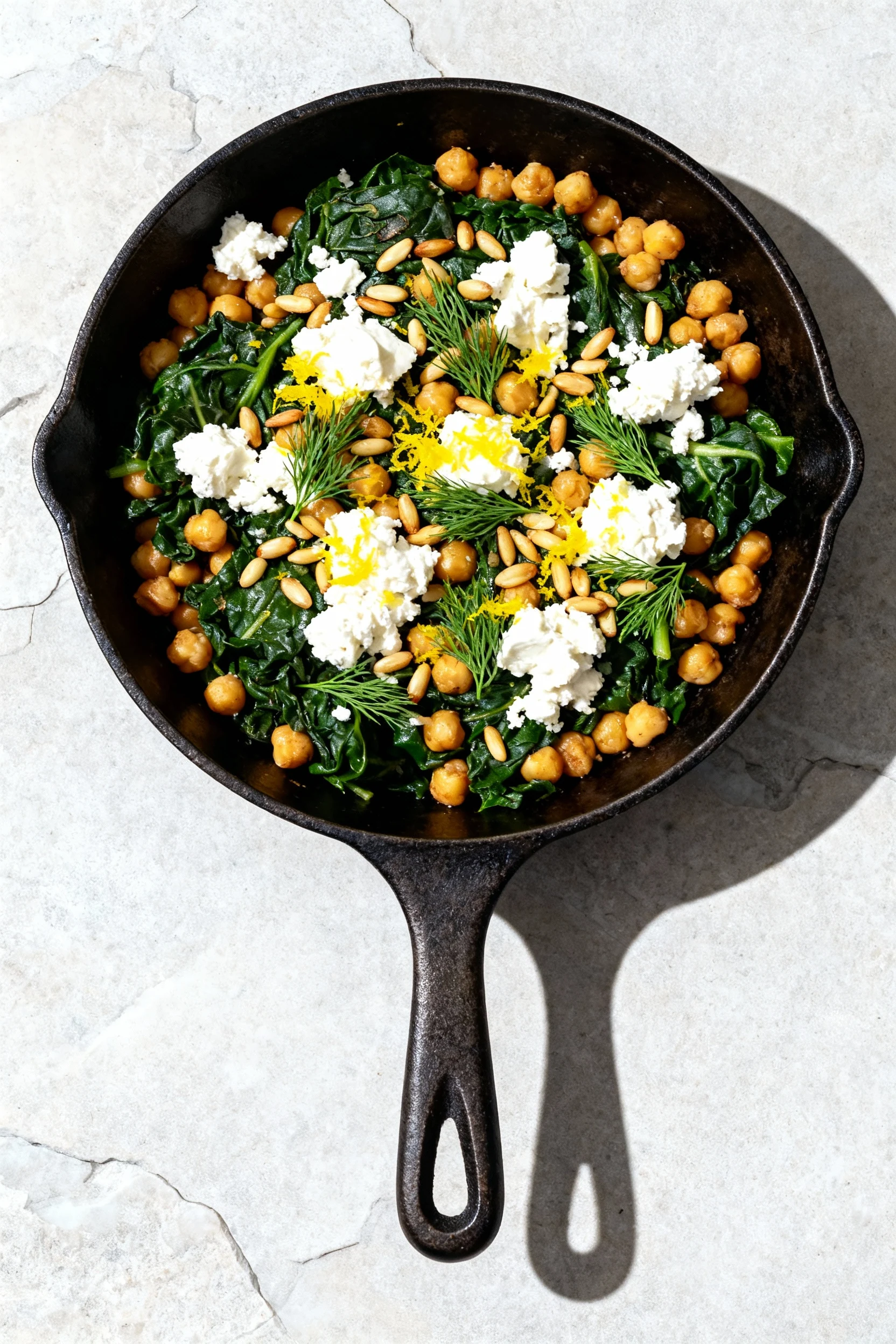
I’m talking tender greens, nutty chickpeas, lemon-bright sauce, and a salty crumble of feta, all in less time than it takes to find a parking spot. This is the kind of “how is this so good?” dinner that makes you look wildly competent. FYI, leftovers become elite lunches. Ready to upgrade how you cook your greens?
The Secret Behind This Recipe
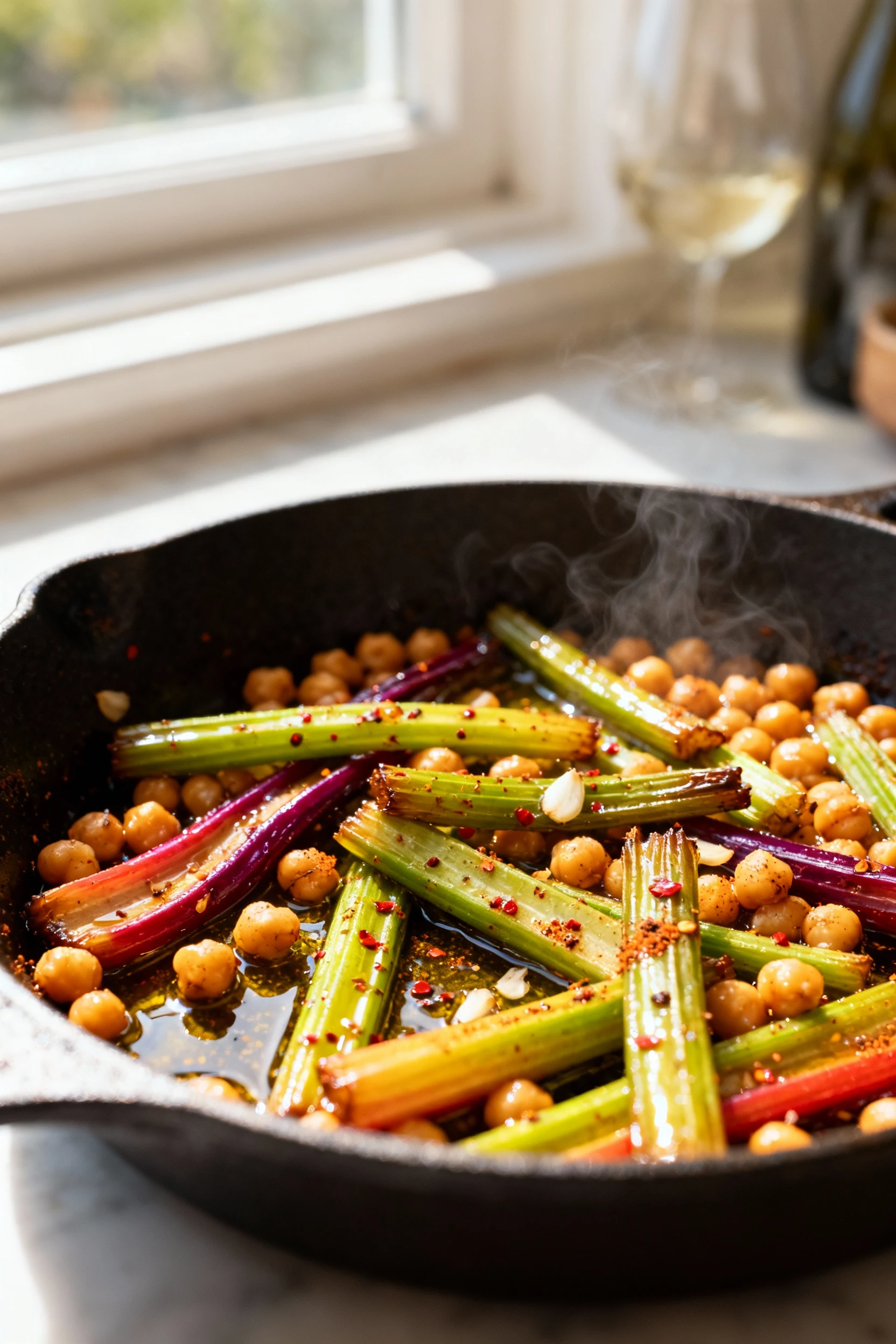
The secret is less about ingredients and more about sequence. You’ll separate stems from leaves so each cooks to its best texture—stems get time to soften and caramelize, leaves get a quick wilt to stay silky and bright. This avoids the one-note mush that gives greens a bad rap.
Next, think flavor layers. Start with aromatics in oil (onion, garlic, chili flakes) to perfume the pan. Add a little umami (anchovy or white miso) to make the greens taste richer than they have any right to. Deglaze with broth or wine to scoop up all the tasty browned bits, then finish with lemon zest and juice for a fresh snap.
Finally, balance. You need fat (olive oil, a finishing pat of butter if you’re feeling it), heat (red pepper flakes), salt (feta), and crunch (toasted nuts). That contrast keeps each bite exciting. This is the difference between “I ate my vegetables” and “I could eat this every night.”
What Goes Into This Recipe – Ingredients
- 2 bunches Swiss chard (about 1½ pounds), stems and leaves separated; stems diced, leaves roughly chopped
- 3 tablespoons extra-virgin olive oil
- 1 small yellow onion, thinly sliced (optional but great)
- 4 garlic cloves, thinly sliced
- ½ to 1 teaspoon red pepper flakes, to taste
- 1 anchovy fillet or 1 teaspoon white miso (optional umami boost)
- 1 teaspoon ground cumin or 1 teaspoon smoked paprika (choose your vibe)
- 1 (15-ounce) can chickpeas, drained and rinsed
- ¼ cup dry white wine or ¼ cup vegetable broth
- 1 lemon, zested and juiced
- 2 tablespoons chopped fresh herbs (dill, parsley, or mint)
- ⅓ cup crumbled feta or shaved Parmesan
- 2 tablespoons toasted pine nuts or sliced almonds (optional crunch)
- 1 tablespoon unsalted butter (optional, to finish)
- Kosher salt and freshly ground black pepper, to taste
- For serving: crusty bread, cooked grains, or fried eggs (optional)
Instructions
- Prep the chard like a pro. Wash thoroughly—grit hides in the ribs. Slice stems into small dice. Roughly chop leaves into bite-sized pieces. Keep stems and leaves separate.
- Heat the base. In a large skillet over medium heat, warm the olive oil. Add the onion and a pinch of salt. Cook 3–4 minutes until translucent and slightly golden.
- Sweat the aromatics. Stir in the garlic and red pepper flakes. Cook 30–60 seconds, just until fragrant. If using anchovy, mash it into the oil now; if using miso, wait and whisk it into the deglazing liquid in Step 5.
- Soften the stems. Add the chard stems and the cumin or smoked paprika. Season with a little salt. Cook 4–6 minutes, stirring occasionally, until the stems are tender and lightly caramelized.
- Build the sauce. Add chickpeas and toss to coat. Pour in the wine or broth (whisk in miso here if using). Scrape up browned bits with a wooden spoon. Simmer 2 minutes to reduce slightly.
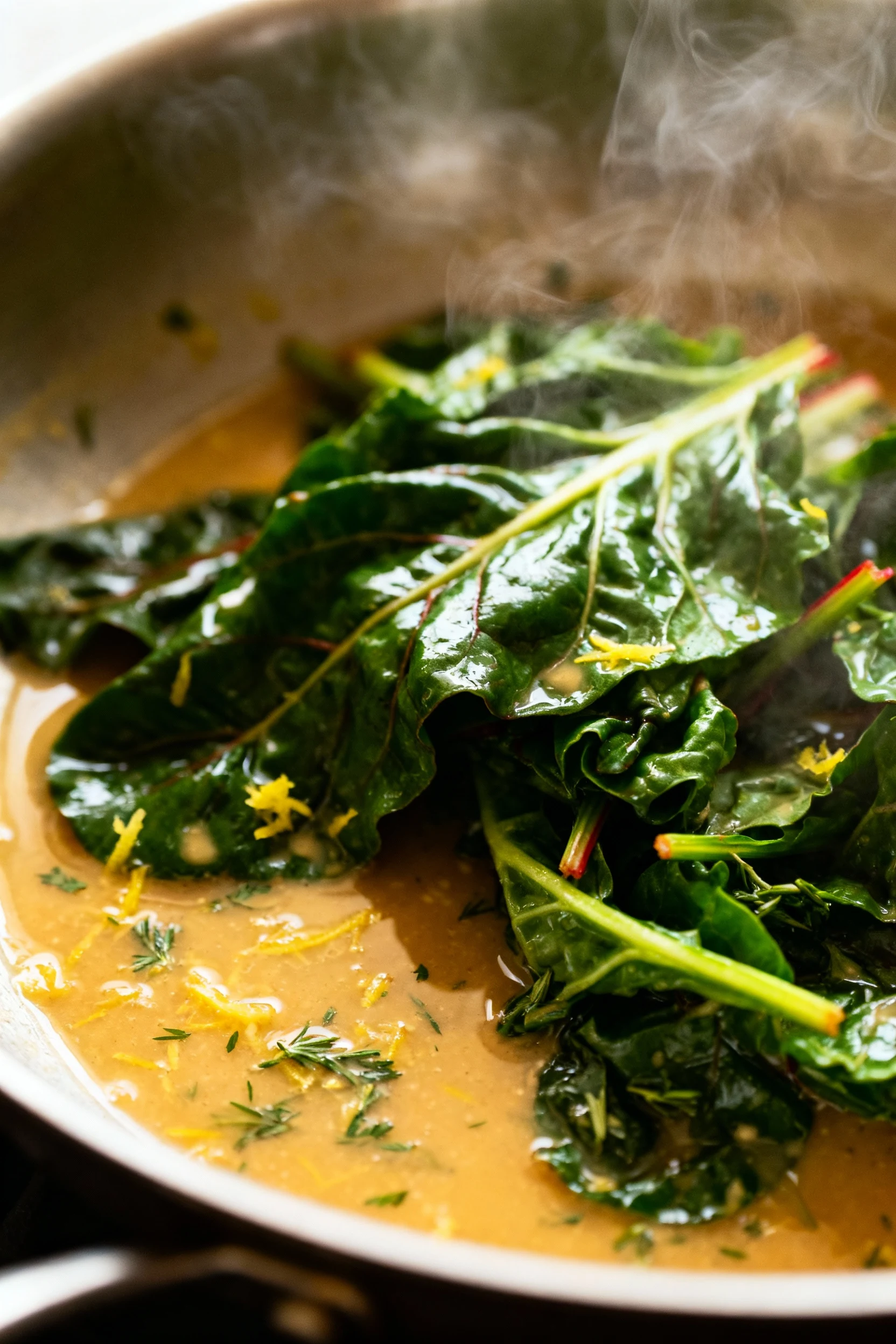
- Wilt the leaves. Add the chard leaves in batches, tossing as they collapse. Season with salt and pepper. Cook 2–3 minutes until just wilted and glossy—don’t overdo it.
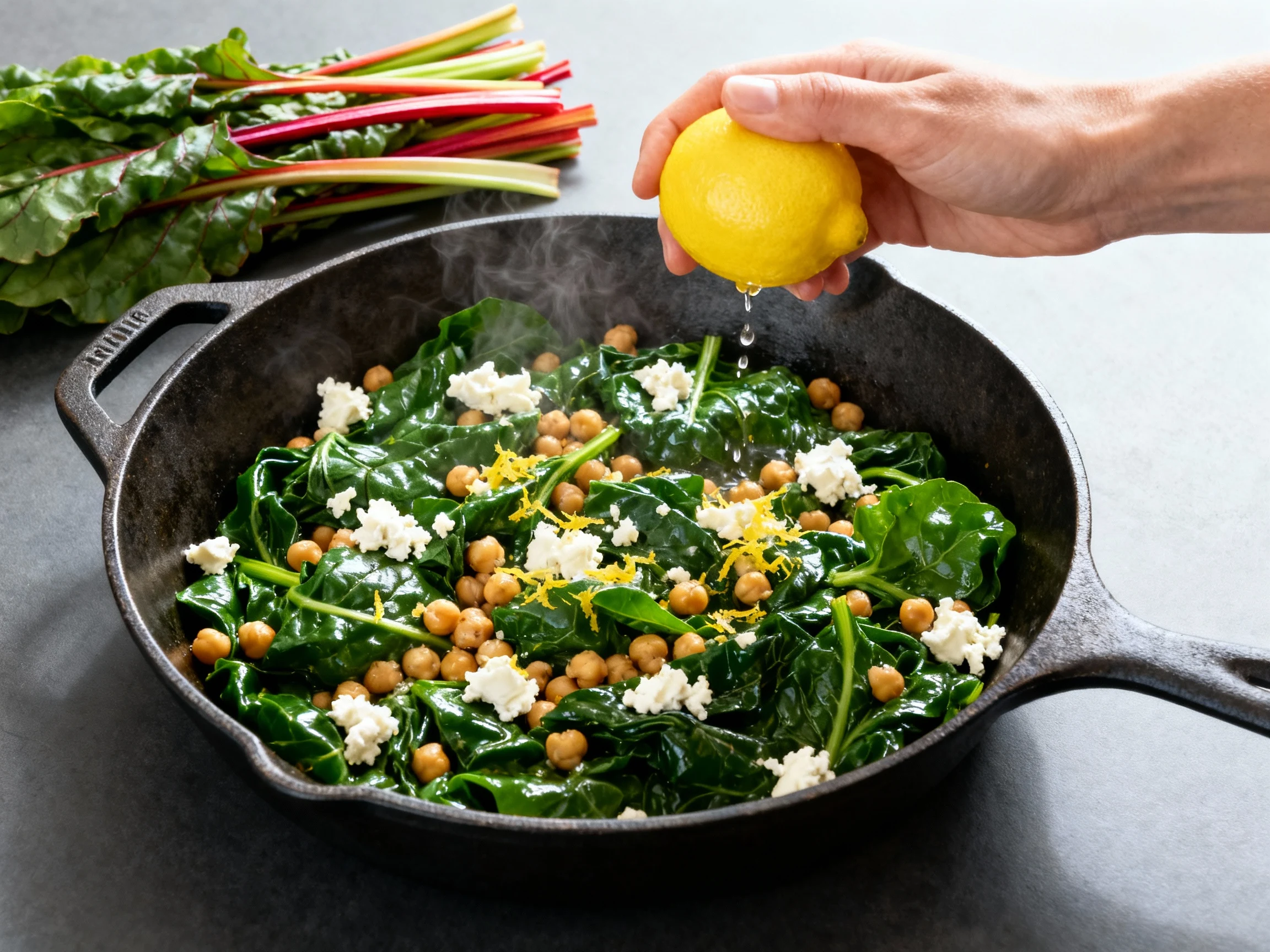
- Finish bright. Turn off the heat. Add lemon zest, 1–2 tablespoons lemon juice, herbs, and the butter if using. Toss until the butter melts and everything smells citrusy and fresh.
- Taste and tweak. Need more punch? Add another squeeze of lemon or a pinch of salt. Want more heat? A dash more chili never hurt.
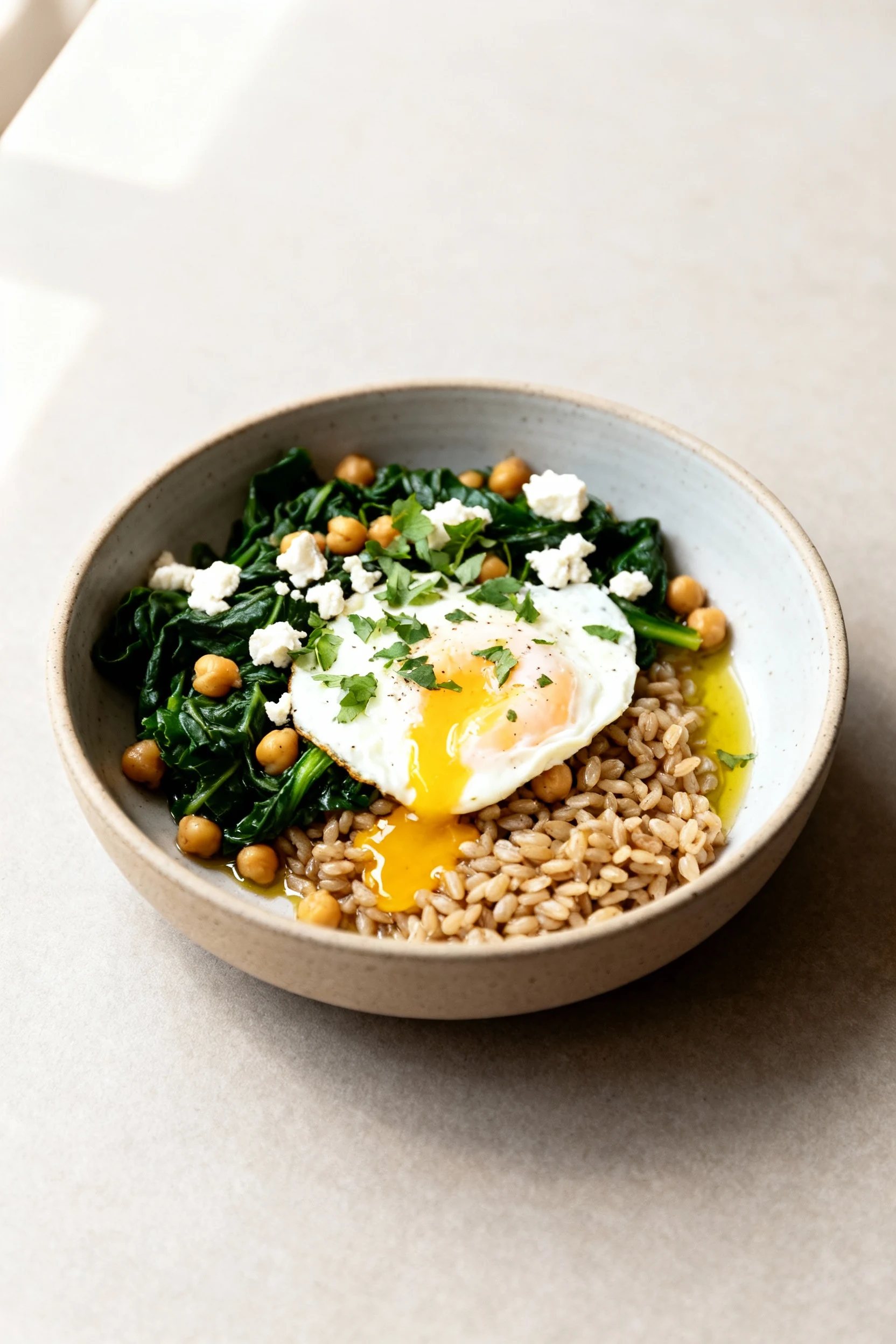
- Top and serve. Sprinkle with feta and toasted nuts. Serve with warm bread, spoon over grains, or crown with a fried egg for extra protein.
- Pro move for texture lovers: Reserve a handful of chickpeas, crisp them in a little oil until crackly, and scatter on top at the end.
How to Store
Store leftovers in an airtight container in the fridge for up to 4 days. Keep toppings like feta and nuts separate so they stay perky. Reheat gently in a skillet over medium heat with a splash of water or broth, or microwave in 45-second bursts, stirring in between.
Freezing? The texture stays decent, but not outstanding. If you plan to freeze, skip the cheese and nuts and undercook the leaves by a minute. Freeze in portioned containers for up to 2 months, thaw overnight, then rewarm and finish with fresh lemon, herbs, and toppings.
- Meal prep tip: Cook stems and chickpeas ahead; refrigerate leaves washed and chopped in a towel-lined container. Finish the sauté fresh in 5 minutes.
- Lunch pack: Spoon over quinoa or farro and pack feta and nuts separately. Squeeze lemon right before eating.
Why This is Good for You
Swiss chard brings serious nutrition with minimal calories. It’s loaded with vitamin K (bone health and recovery), vitamin A (vision, immunity), and vitamin C (collagen, antioxidant support). Those colorful stems? They pack phytonutrients and minerals like magnesium and potassium.
Chickpeas add plant protein and fiber, keeping you full and steadying blood sugar. Olive oil delivers heart-healthy monounsaturated fats, while herbs and lemon boost flavor without extra sodium. The result: a satisfying, nutrient-dense meal that doesn’t feel like “health food.” IMO, that’s the win.
Want to make it even lighter or heavier? Skip the butter and feta for a leaner bowl, or add a poached egg, grilled shrimp, or roasted chicken to amp up protein. It flexes with your goals.
Avoid These Mistakes
- Not washing thoroughly. Grit ruins good greens. Rinse, soak, and spin dry.
- Trashing the stems. They’re crunchy, sweet, and full of nutrients. Dice and cook them first.
- Overcrowding the pan. You’ll steam instead of sear. Use a big skillet or cook in batches.
- Overcooking the leaves. Two to three minutes is plenty. You want silky, not sludge.
- Skipping acid. Lemon is non-negotiable. It makes everything pop.
- Under-seasoning. Chard can take salt. Taste at the end and adjust.
- Adding lemon too early. Heat can dull the citrus. Finish off-heat for max brightness.
- Forgetting texture. A sprinkle of nuts or crisped chickpeas makes the dish feel complete.
- Using old, limp greens. Fresher bunches cook better and taste sweeter. Choose glossy leaves and sturdy stems.
Mix It Up
- Cozy Coconut Curry: Swap olive oil for coconut oil. Add 1 tablespoon red curry paste with the aromatics and ½ cup coconut milk with the broth. Finish with lime and cilantro.
- Garlicky Pasta Night: Boil short pasta; reserve a cup of starchy water. Toss the finished chard with pasta, parmesan, and a splash of pasta water to make it glossy and saucy.
- Shakshuka Vibes: Add 1 cup crushed tomatoes after deglazing. Simmer, then nestle in 3–4 eggs. Cover and cook until whites set. Serve with crusty bread.
- Smoky Chorizo Boost: Sauté 4 ounces chopped Spanish chorizo before the onions. Proceed as written. The paprika-rich oils coat everything—ridiculously good.
- Lemony Tuna Toss: Fold in a can of good tuna packed in olive oil at the end with lemon and herbs. Salty, bright, protein-packed lunch in five.
- Grain Bowl Builder: Spoon over farro or brown rice with avocado, pickled onions, and a tahini drizzle. Meal-prep royalty.
- Crispy Halloumi Topper: Pan-sear halloumi slices until golden and stack on the greens. Add honey-chile drizzle for a sweet-heat flex.
- Soup It: Add 3 cups broth after stems soften, toss in a diced potato, simmer until tender, then stir in leaves. Finish with lemon and parmesan.
- Taco Tuesday: Warm tortillas, pile in chard and chickpeas, add feta, salsa verde, and radishes. Squeeze lime. No one misses the meat.
- White Bean Swap: Use cannellini beans instead of chickpeas, finish with rosemary and parmesan. Think Italian countryside, minus the plane ticket.
- Spicy Peanut Stir-Fry: Add soy sauce and a spoon of peanut butter with the deglaze; finish with rice vinegar and scallions. Serve over jasmine rice.
- Breakfast Skillet: Make the base, then crack in eggs and bake at 400°F until set. Brunch hero status unlocked.
FAQ
Can I use rainbow chard or regular green chard?
Absolutely. Rainbow chard is just a colorful mix of varieties; flavor is similar. The stems are a bit sweeter, which is a bonus. Use whichever looks freshest.
What can I substitute for chard if I can’t find it?
Kale works with a slightly longer cook time for the leaves. Spinach wilts super fast, so add it at the very end and skip the deglaze reduction. Beet greens are a sleeper hit and cook much like chard.
How do I reduce bitterness?
Fresh, in-season chard is naturally mild. Balance any edge with acid (lemon), fat (olive oil or butter), and salt (feta or kosher salt). A quick sauté—no overcooking—also keeps flavors sweet and clean.
Do I really need to separate stems and leaves?
Yes, if you want ideal texture. Stems need more time to soften and get a little caramelization; leaves need just a quick wilt. It’s a two-minute step that pays off big.
How can I make this vegan?
Use miso instead of anchovy, skip the butter, and swap feta for a sprinkle of toasted nuts and nutritional yeast. You’ll keep all the richness and umami without dairy.
What protein pairs best with this?
Grilled chicken, seared salmon, roasted shrimp, or a runny egg all play nicely. For plant-based options, tempeh or crispy tofu cubes are excellent. The lemon and herbs tie it all together.
Can I make this ahead for meal prep?
Yes. Cook fully and refrigerate for up to four days. For the best texture, store cheese and nuts separately and add fresh lemon when reheating. It reheats like a champ, especially over grains.
Is this kid-friendly?
Dial back the chili flakes and chop the leaves small. A little parmesan instead of feta can be gentler. Serving with pasta or rice helps it land with picky eaters.
What wine pairs well with this dish?
Try a bright, zesty white like Sauvignon Blanc or a dry Riesling. If you’re team red, a light Pinot Noir works. The key is acidity to match the lemon.
Can I crisp the chickpeas separately?
Yes, and it’s fantastic. Toss drained chickpeas with oil, salt, and paprika, then roast at 425°F for 20 minutes or air-fry until crackly. Scatter on top for crunch city, FYI.
How do I scale the recipe?
Double everything and use a really large skillet, or cook in two batches to avoid steaming. Keep the finish (lemon, herbs, feta) proportional so the flavors stay balanced.
The Bottom Line
This skillet is proof that simple technique turns humble greens into a weeknight flex. You’ll get tender, lemony chard, hearty chickpeas, and a punchy finish in about 20 minutes. It’s adaptable, affordable, and honestly kind of addictive. Cook it once, and your crisper won’t intimidate you again—promise.
Printable Recipe Card
Want just the essential recipe details without scrolling through the article? Get our printable recipe card with just the ingredients and instructions.