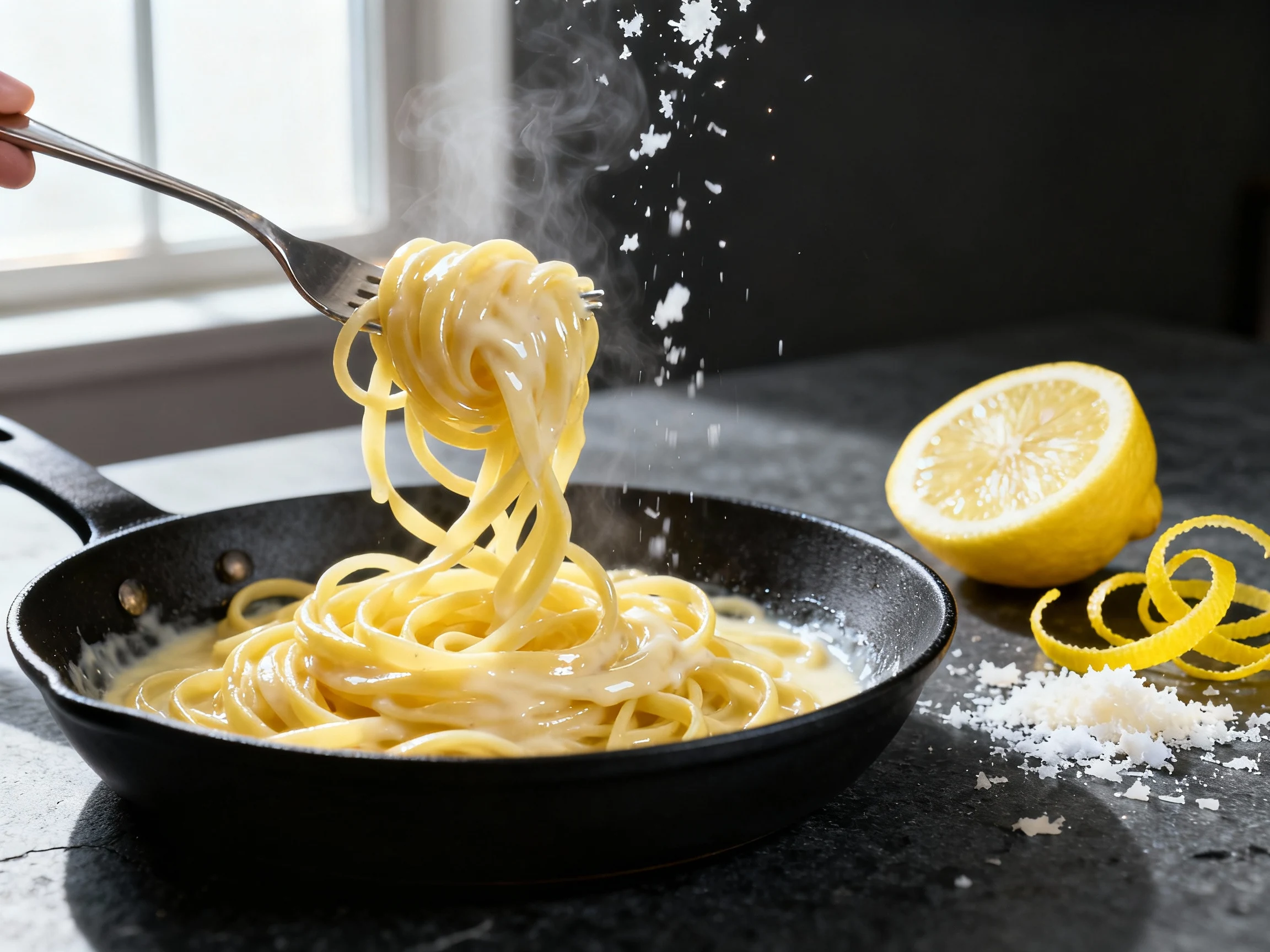
Lemon Pasta Recipes That Taste Gourmet in 20 Minutes
Bright, creamy, and fast: master weeknight pasta that feels restaurant-level, uses pantry staples, and cleans up easy—without babysitting.
If you’ve got 20 minutes, two lemons, and a box of pasta, you’ve got dinner that earns applause. This sauce hits that sweet spot: silky like Alfredo, but zippy enough to keep you awake after the second bowl. The playbook is simple—balance acid, fat, and salt—yet the result tastes suspiciously like you cheated and called your favorite trattoria. Spoiler: you didn’t. You just learned the trick restaurants use and stopped overthinking your sauce.
Think of it as a high-ROI meal: low effort, big payoff, zero stress. It flexes for date night, picky kids, and the friend who “doesn’t do cream.” You can keep it classic, or add shrimp, chicken, or veggies without upsetting the balance. And yes, we’re using the zest—because flavor lives there, not in the sad plastic lemon-shaped bottle.
The Secret Behind This Recipe
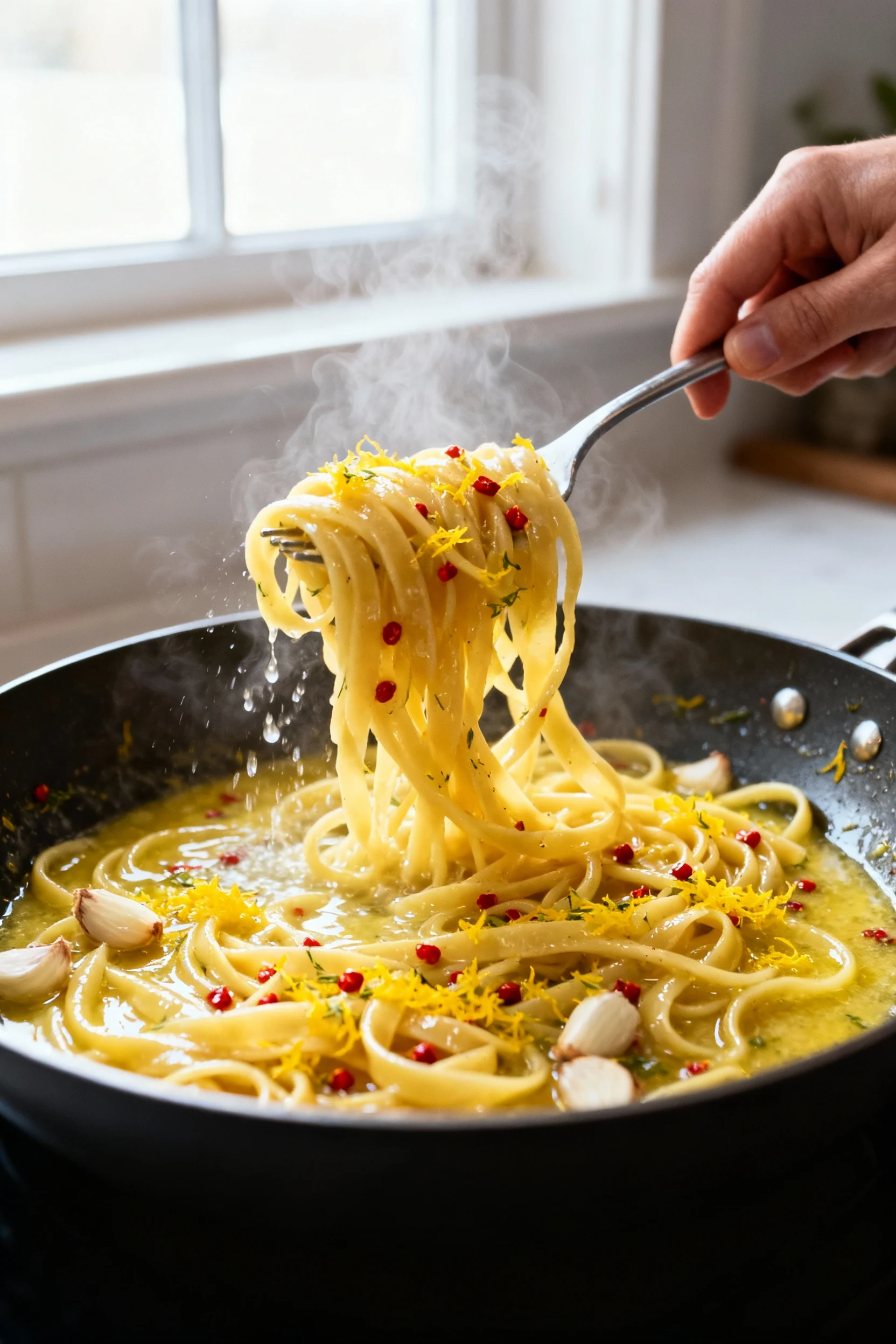
The magic is emulsification—aka turning fat, citrus, and starchy water into a glossy, clingy sauce. Lemon juice brings brightness; butter, olive oil, and cream bring body; cheese adds umami. The starchy pasta water binds them so the sauce hugs every noodle instead of sulking at the bottom of the pan.
Heat control matters. Keep things just below a simmer once dairy and lemon join the party. Boiling can split the sauce and turn it grainy. Add lemon zest early (it perfumes the fat) and add lemon juice later (to keep acidity fresh). Finish with cheese off heat to prevent clumps. Easy.
One more pro tip: salt the pasta water like the ocean. It seasons from the inside out and sets the foundation for everything that follows. No amount of table salt at the end fixes bland noodles. FYI, pre-grated cheese often contains anti-caking agents—use freshly grated for the silkiest emulsion.
What You’ll Need (Ingredients)
- 12 oz (340 g) pasta (spaghetti, linguine, or bucatini)
- 2 large lemons (zest from both; about 1/3 cup fresh juice)
- 2 tbsp extra-virgin olive oil
- 3 tbsp unsalted butter
- 1 small shallot, finely minced (optional but awesome)
- 3 garlic cloves, minced
- 1/2 tsp red pepper flakes (adjust to taste)
- 1/2 cup heavy cream (or 1/2 cup mascarpone for extra silk)
- 3/4 cup finely grated Parmesan (or Pecorino Romano)
- 1 to 1 1/2 cups reserved pasta water (save before draining!)
- 2 tbsp capers, drained (optional, for briny pop)
- 1/4 cup chopped fresh parsley or basil
- Kosher salt & freshly cracked black pepper, to taste
- Lemon wedges, for serving
- Optional upgrade: 1/4 cup dry white wine (pinot grigio or sauvignon blanc) to deglaze
Instructions
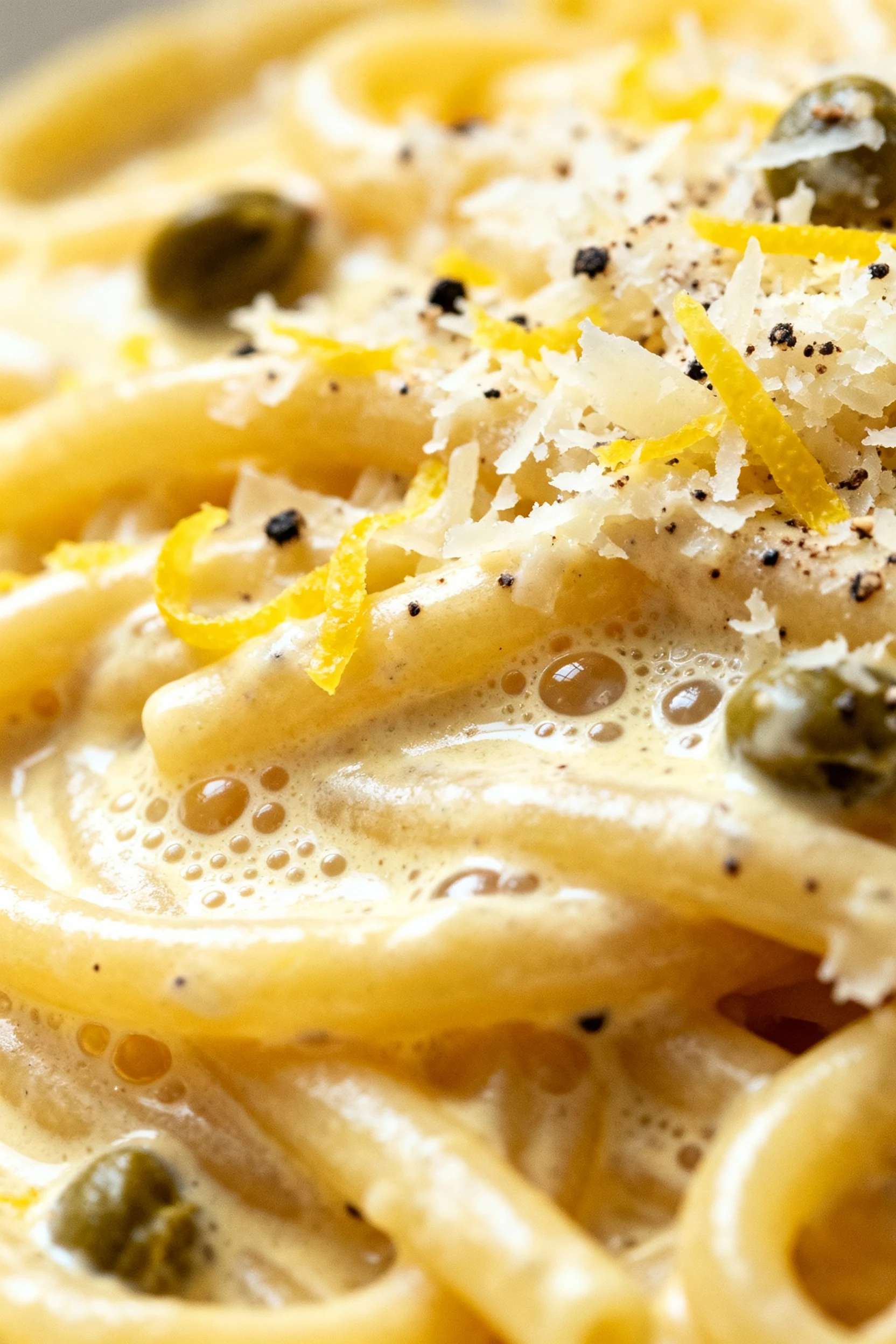
- Cook the pasta: Bring a large pot of well-salted water to a boil. Add pasta and cook until just shy of al dente. Reserve 1–1 1/2 cups starchy water, then drain.
- Build the flavor base: In a large skillet over medium heat, warm olive oil and melt butter. Add shallot with a pinch of salt; cook 2–3 minutes until translucent. Stir in garlic and red pepper flakes for 30 seconds—fragrant, not browned.
- Deglaze (optional): Splash in white wine. Let it bubble for 1–2 minutes to cook off alcohol and concentrate flavor.
- Layer the lemon: Add lemon zest and stir so it blooms in the fat. Pour in cream and reduce heat to medium-low. Keep it steamy, not boiling.
- Emulsify: Add 3/4 cup reserved pasta water and the drained pasta. Toss vigorously. Add lemon juice in two additions, tossing in between. If the sauce looks tight, splash in more pasta water until glossy and loose.
- Cheese—off heat: Remove the pan from the burner. Sprinkle in Parmesan and toss until it melts into a silky sauce. Season with salt and plenty of black pepper. Fold in capers and parsley.
- Finish & serve: Taste and adjust lemon, heat, and salt. Plate and garnish with extra zest, a squeeze of lemon, and more cheese. If you like it extra shiny, swirl in a final teaspoon of butter because we’re living a little.
Storage Tips
Refrigerate leftovers in an airtight container for up to 3 days. The sauce can thicken as it chills; reheat gently over low heat with a splash of water or cream to revive the gloss. Avoid high heat—split city.
Freezing? Not ideal with dairy because the emulsion can break on thaw. If you go dairy-free (see variations), you can freeze for up to a month. Thaw overnight, then reheat with fresh lemon for brightness.
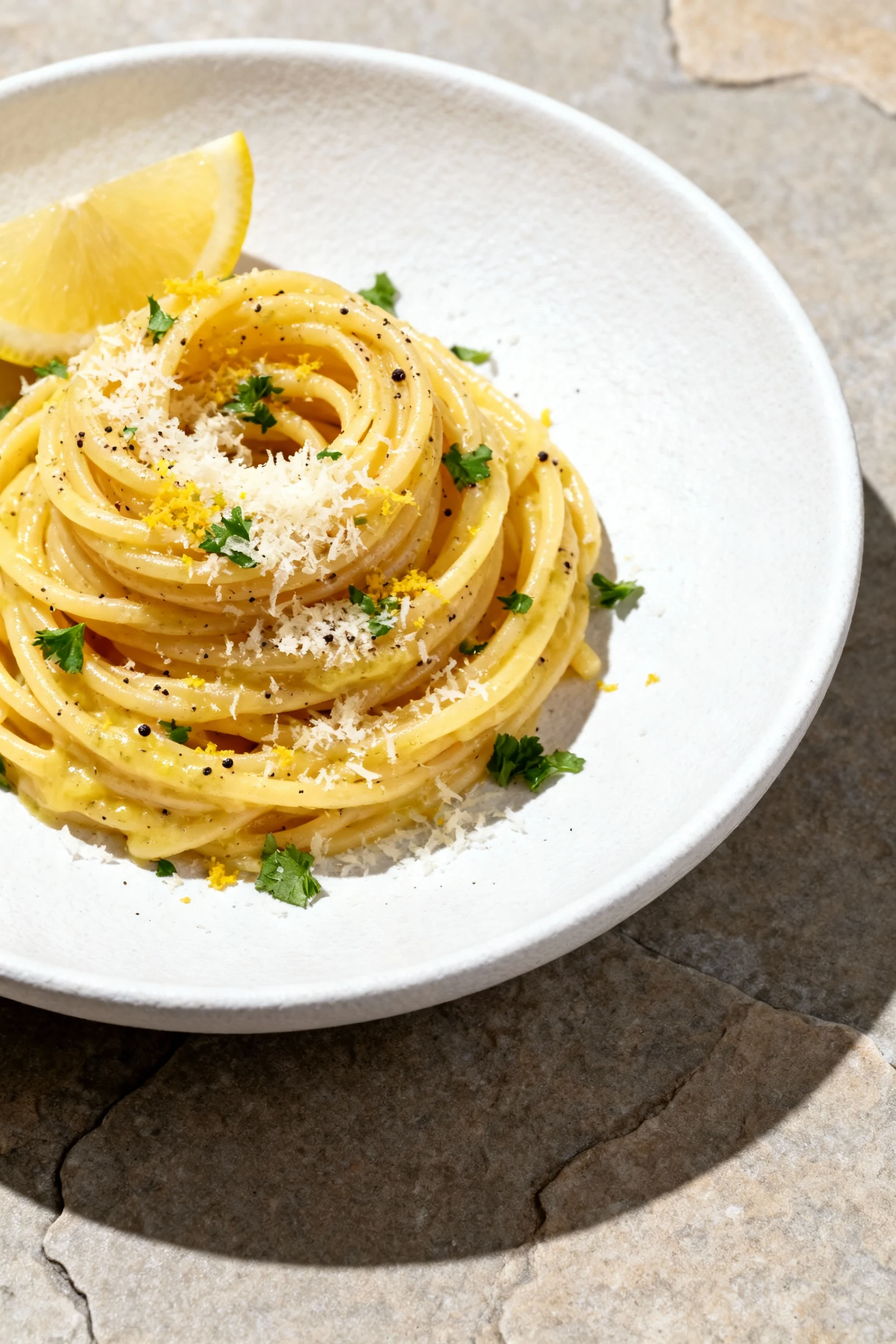
What’s Great About This
- Speed: Dinner in ~20 minutes, including zesting and bragging.
- Restaurant vibes: Silky, balanced, and addictive—without a sous chef.
- Pantry-friendly: Pasta, lemons, butter, oil, cheese. Simple, reliable.
- Flexible: Add shrimp, chicken, veggies, or keep it minimal and elegant.
- Scalable: Cooks perfectly for two or six; just adjust salt and water.
- One-pan finish: Build the sauce, toss the pasta, boom—less cleanup.
Avoid These Mistakes
- Overcooking pasta: It keeps cooking in the sauce; pull it early.
- Boiling the sauce: Once cream and lemon are in, keep it gentle to avoid curdling.
- Skipping zest: Zest delivers citrus aroma without extra acidity. Don’t toss it.
- Adding cheese on high heat: Melt it off heat to keep the sauce smooth.
- Not saving pasta water: That starch is your emulsifying superpower.
- Pre-grated cheese: Anti-caking agents block melting. Freshly grated only.
- Under-salting the water: Bland noodles = bland dinner. Salt like the ocean.
- All juice, no balance: Too much lemon juice without fat and salt tastes harsh.
Different Ways to Make This
- No-cream version: Skip cream. Use extra butter and 1–1 1/2 cups pasta water to create a glossy lemon-butter sauce. Finish with cheese off heat.
- Lemon ricotta: Stir 3/4 cup whole-milk ricotta into the sauce off heat for ultra-light creaminess. Add a tablespoon of olive oil for sheen.
- Mascarpone swap: Use 1/2 cup mascarpone instead of cream. It melts like a dream and never splits if kept below a simmer.
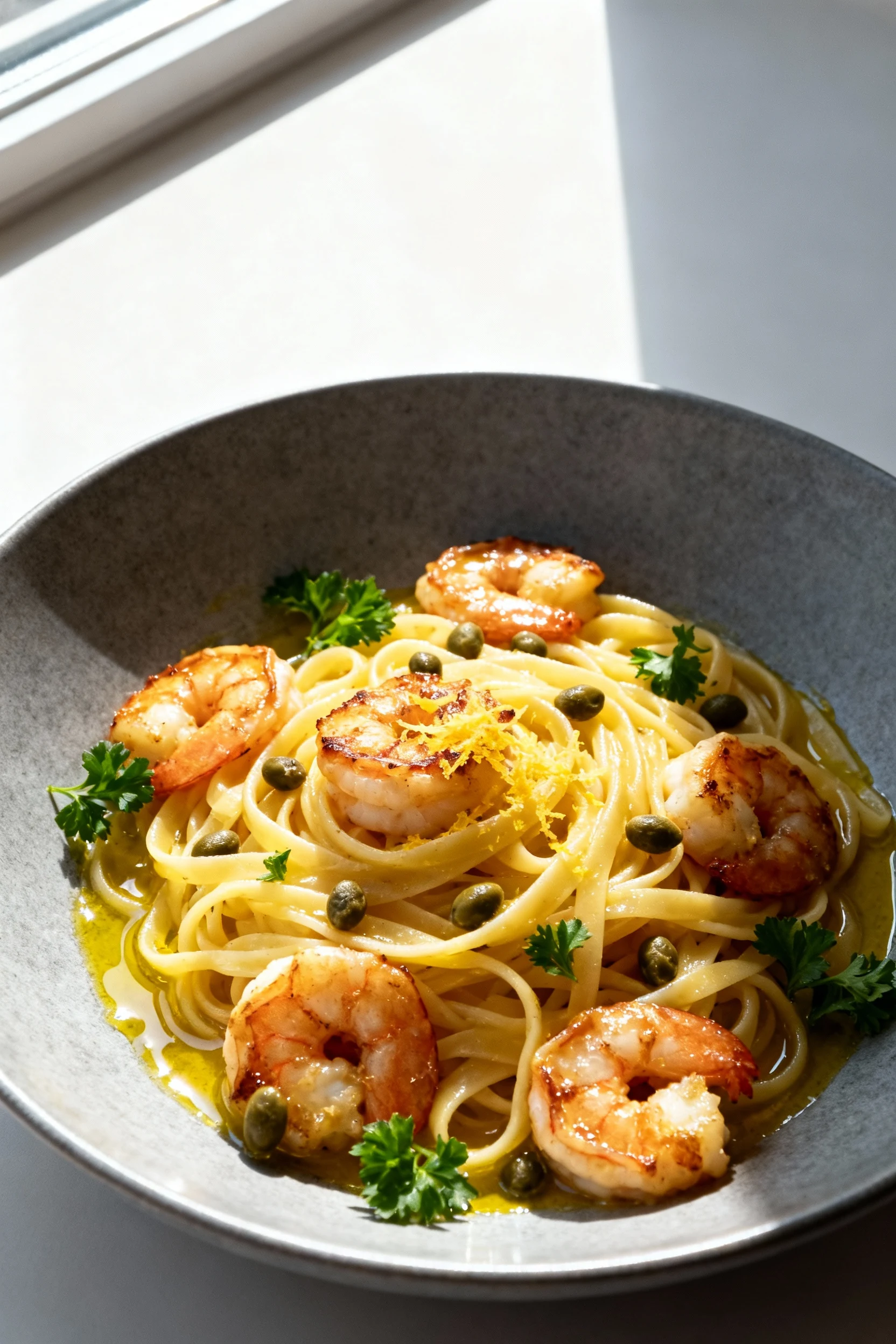
- Protein boosts: Sear shrimp (2–3 minutes per side) or sliced chicken breast. Remove, make the sauce, then fold protein back in at the end.
- Vegetable add-ins: Asparagus tips, peas, spinach, or arugula wilt beautifully. Blanch firmer veg in the pasta water for the last 1–2 minutes.
- Anchovy umami: Melt 2 anchovy fillets in the oil at the start for a savory backbone. It won’t taste “fishy,” just… better.
- Gluten-free: Use a quality GF pasta. Reserve extra water—GF pasta releases different starches, so you may need more to emulsify.
- Vegan: Skip butter, cream, and cheese. Use olive oil, add 2 tsp white miso and 2 tbsp nutritional yeast for body and umami. Finish with extra lemon zest.
- One-pot pasta: Cook pasta directly in a wide pan with salted water, then add fats, zest, and juice. Stir constantly and adjust water as it reduces. IMO, the classic method is easier.
FAQ
Which pasta shape works best?
Long shapes like spaghetti, linguine, and bucatini are classics because the sauce clings along the strands. Short shapes like rigatoni or campanelle also work and catch sauce inside. Choose what you love—just keep an eye on cook times and hold back some water for emulsifying.
Can I make it without cream?
Absolutely. Use butter and olive oil, bloom the zest, then combine with pasta water for a glossy emulsion. Finish with cheese off heat. The result is lighter but still luxurious, especially if you toss aggressively to bind everything.
Why did my sauce split or look grainy?
Boiling after adding cream or lemon juice can cause separation. Keep the heat at medium-low, add lemon juice in stages, and fold cheese off heat. If it looks tight or dry, splash in more pasta water and toss like you mean it to bring it back.
Is bottled lemon juice okay?
Fresh juice tastes cleaner and brighter, and you need zest anyway. Bottled juice can taste flat or bitter. If you must use it, pair with fresh zest and adjust with a tiny pinch of sugar to mimic fresh acidity.
What cheese should I use?
Parmesan keeps it nutty and mellow; Pecorino Romano adds salty punch. Use finely grated cheese for smooth melting. Avoid pre-shredded bags—they contain anti-caking agents that fight your emulsion like a tiny ninja army.
Can I add protein without messing up the sauce?
Yes. Sear shrimp or chicken first, set aside, then make the sauce. Fold the protein back in at the end to warm through. Season the protein well so it doesn’t steal salt from the pasta.
How do I prevent bitterness?
Don’t include the white pith when zesting—use a microplane and light pressure. Add lemon juice after you’ve built the fat base so the acidity stays bright, not harsh. If you overdo juice, balance with a pat of butter and a pinch of salt.
Can I meal prep this?
It’s best fresh, but leftovers hold for 3 days. Reheat gently with a splash of water or cream and a squeeze of fresh lemon to wake it up. If you want a guaranteed reheat win, opt for the mascarpone or ricotta versions—they’re more forgiving.
What if I don’t have shallots?
Use a small yellow onion, finely minced, or skip it entirely. Garlic plus lemon plus fat still delivers. If you skip shallots, consider adding a bit more cheese or a small anchovy for depth.
How much lemon is too much?
Start with the zest of 2 lemons and about 1/3 cup juice. Taste and adjust. Remember: acidity needs salt and fat to feel balanced. If it’s too sharp, add more butter or cheese; if it’s too mellow, a final squeeze at the table fixes it.
Final Thoughts
This is the kind of pasta that turns a random Tuesday into a minor celebration. You’re balancing clean citrus with rich, silky textures—and once you get the hang of emulsifying, it’s basically muscle memory. Keep your heat gentle, your zest abundant, and your pasta water close like a trusted sidekick. TBH, once you make it right once, you’ll start measuring weeknights in bowls, not minutes.
Printable Recipe Card
Want just the essential recipe details without scrolling through the article? Get our printable recipe card with just the ingredients and instructions.