Sea Bass Recipes That Wow—fast Flaky Chef Level Results
Weeknight-easy, date-night impressive. Learn one foolproof technique, then remix into grilled, baked, or saucy plates—all in about 20 minutes.
Your pan can print flavor like a startup prints growth—if you know the inputs. Most folks drown fish in lemon and pray; you’ll use heat, timing, and fat like a pro. We’ll build one base method that nails crisp skin, juicy flesh, and a glossy butter sauce in minutes. Then we’ll flip it into multiple variations so you can flex from casual Tuesday to anniversary-level fancy. Ready to cook like you actually own that cast-iron?
Why This Recipe Works
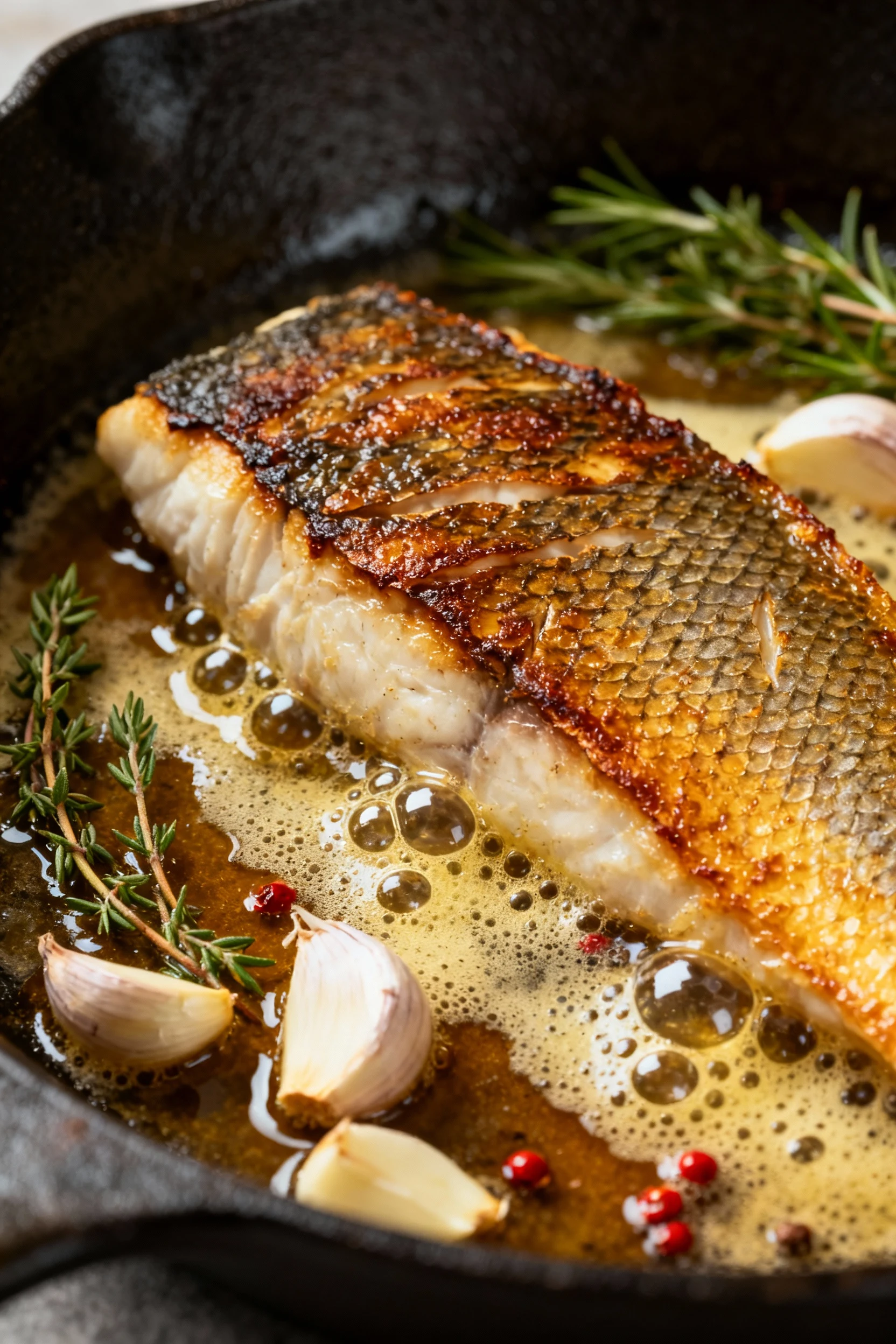
We start by prepping the skin so it crisps instead of steams. Dry surface + hot pan = shatter-crisp skin and tender flesh. Cooking 70–80% of the time skin-side down protects the meat and gives you control.
Then we baste with an aromatic butter right at the end. The butter browns, the garlic kisses the fish (without burning), and herbs perfume the sauce. A hit of lemon juice and zest lifts the richness so every bite pops.
Finally, we rest the fish briefly so the juices redistribute. That’s how you get silky, moist flakes instead of chalky, overcooked sadness. Simple inputs, elite output. TBH, that’s the whole game.
What Goes Into This Recipe – Ingredients
- 4 skin-on sea bass fillets (5–6 oz each) — black sea bass, European sea bass (branzino), or similar.
- 1–1.5 tsp kosher salt — divided; season generously, especially the skin.
- 1/2 tsp freshly ground black pepper.
- 2 tbsp high-heat oil — avocado, grapeseed, or light olive oil.
- 3 tbsp unsalted butter — for basting; add near the end.
- 2 garlic cloves, lightly smashed — keep whole to avoid burning.
- 3–4 sprigs fresh thyme or 1 sprig rosemary.
- 1 lemon — zest for the pan, juice for finishing, wedges for serving.
- 1–2 tbsp dry white wine (optional) — quick deglaze for sauce.
- 1 tbsp capers (optional) — for briny pop.
- 1/8 tsp red pepper flakes (optional) — gentle heat.
- 2 tbsp chopped fresh parsley — fresh finish.
Substitutions: Use clarified butter or ghee if you want extra browning. Swap thyme for dill or chives. No wine? Use stock. Dairy-free? Use olive oil and finish with a splash of good extra-virgin.
Let’s Get Cooking – Instructions
- Prep the fillets. Pat the fish very dry, especially the skin. If the skin curves, make 2 shallow slashes across it so it lies flat. Season both sides with salt and pepper.
- Preheat the pan. Set a 12-inch stainless or cast-iron skillet over medium-high heat until it’s hot and just starting to smoke slightly, about 2–3 minutes.
- Add oil and place fish. Swirl in the oil. Lay fillets in skin-side down, laying away from you. Press gently with a spatula for the first 30 seconds to prevent curling.
- Let the skin do its thing. Cook without moving until the skin is deep golden and crisp, about 4–5 minutes for 1-inch-thick fillets. You’ll see the flesh turn opaque from the bottom up.
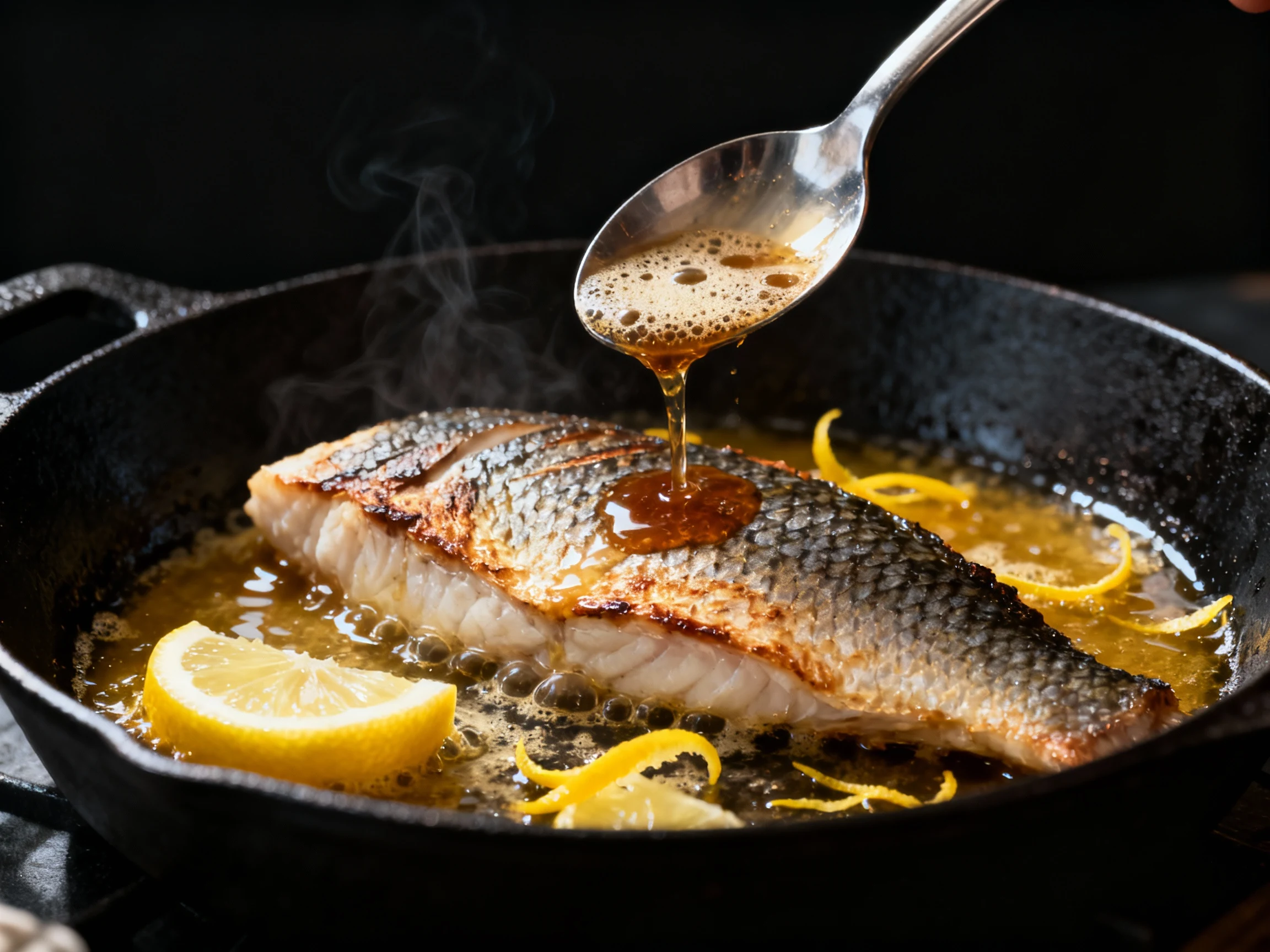
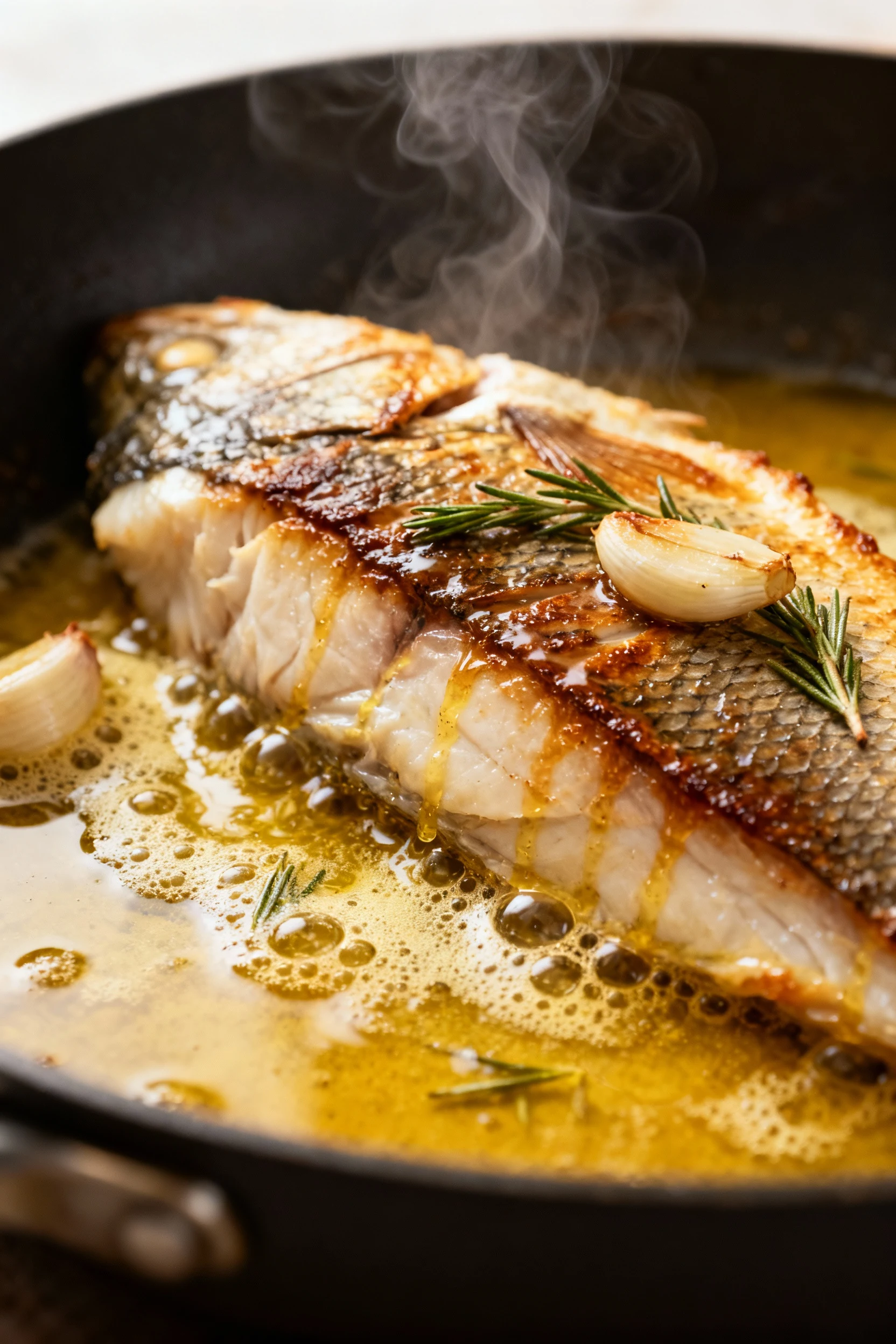
- Butter-baste. Reduce heat to medium. Add butter, garlic, and thyme. When butter foams, tilt the pan and spoon it over the flesh for 30–45 seconds. Add red pepper flakes if using.
- Flip briefly. Flip fillets and cook 30–90 seconds just to finish. Target an internal temp of 130–135°F for juicy, flaky results. IMO, 132°F is money.
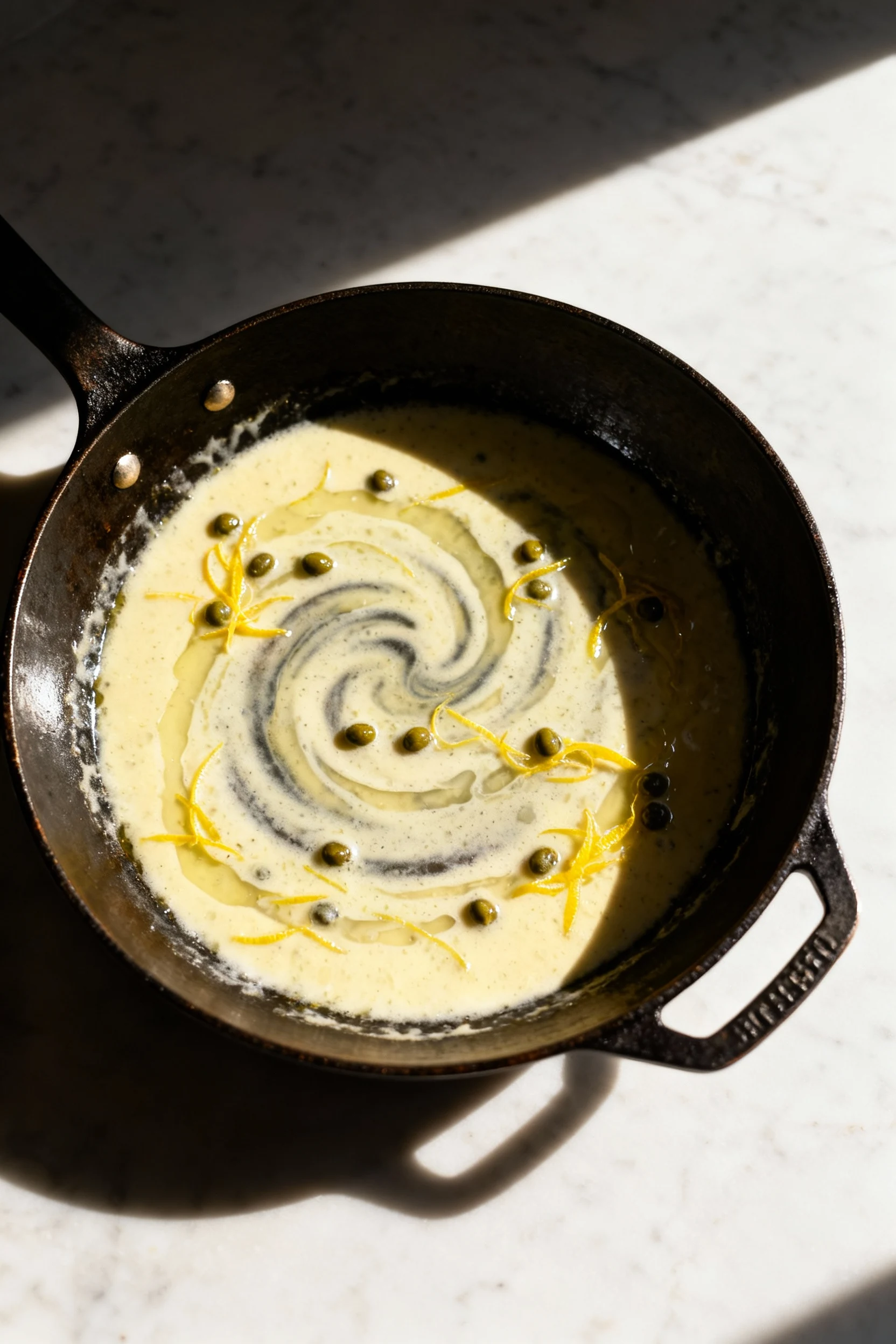
- Deglaze and finish. Remove fish to warm plates, skin-side up. Splash wine into the pan, simmer 20–30 seconds, then stir in lemon zest and 1–2 tsp lemon juice. Toss in capers. Spoon sauce around fish.
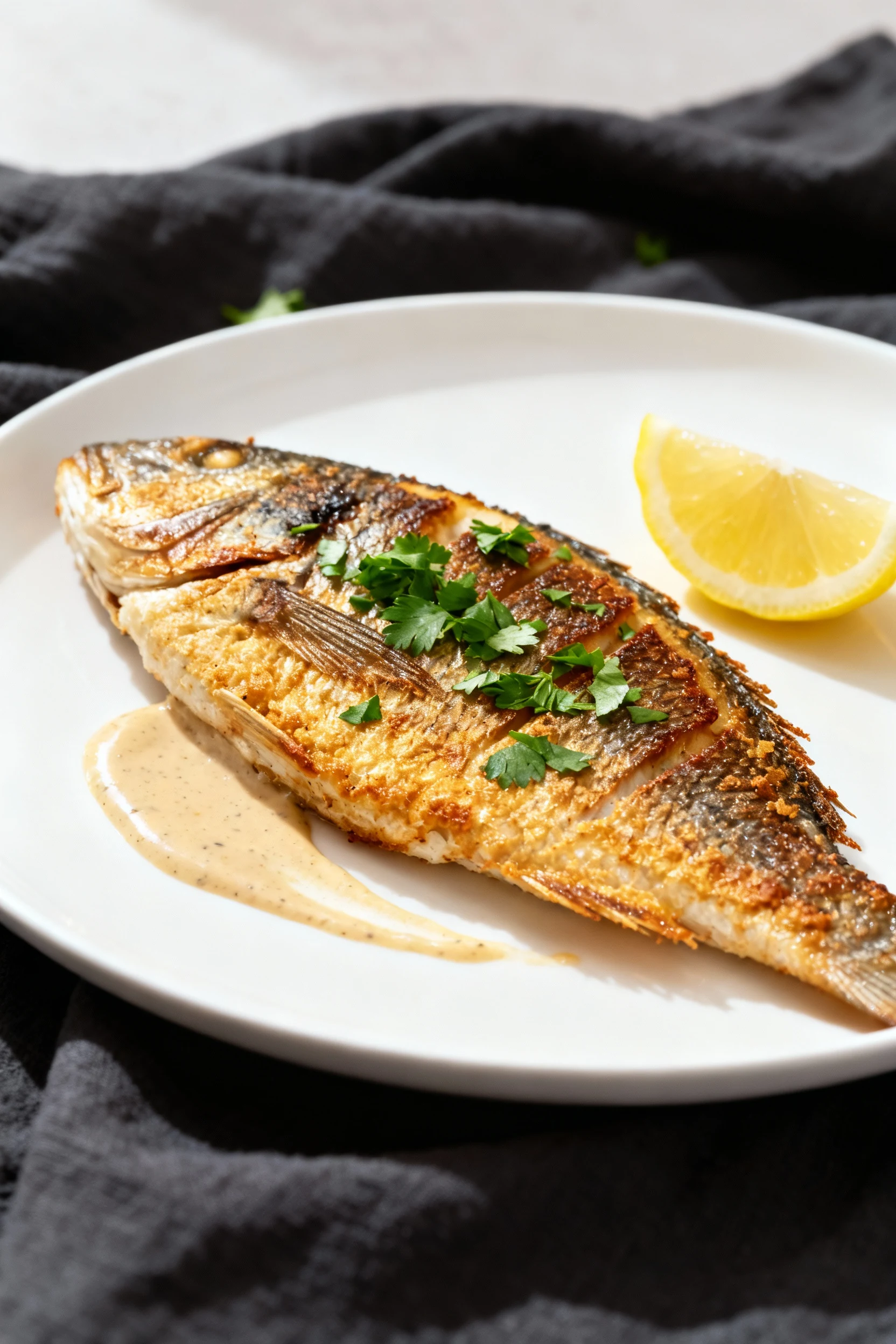
- Rest and serve. Rest 2 minutes. Sprinkle parsley and serve with extra lemon wedges. Skin stays crisp if you don’t drown it in sauce.
Timing note: Thinner fillets may finish in 5–6 minutes total. Thicker cuts might need 7–8 minutes. Use visual cues and a thermometer, not vibes.
Storage Instructions
Let leftovers cool to room temp for no more than 30 minutes, then store in an airtight container. Keep in the fridge for up to 2 days for best texture. The skin won’t stay crisp, but the flavor still slaps.
To reheat, warm in a 275°F oven for 8–12 minutes or in a skillet over low heat with a spoon of water to keep it moist. Avoid the microwave unless you like rubbery fish and side-eye from your coworkers.
To freeze, wrap cooled fish tightly and freeze for up to 2 months. Thaw overnight in the fridge. FYI, frozen-and-reheated skin won’t crisp back up—use leftovers for tacos, grain bowls, or salads.
Nutritional Perks
This fish is a lean, high-protein option with solid doses of B12, selenium, and phosphorus. You’ll also get omega-3s (varies by species). Our butter-baste adds satisfaction without tipping into heavy territory.
Per serving (one 6-oz fillet with sauce): roughly 350 calories, 35g protein, 20g fat, 2g carbs. Numbers vary by fillet size and how enthusiastically you baste—no judgment.
Sustainability note: Look for U.S. black sea bass or responsibly farmed branzino (check for MSC/ASC certification). If buying Chilean “sea bass,” choose certified sources; it’s a different species (Patagonian toothfish) and can carry more mercury.
What Not to Do
- Don’t start with wet fish. Moisture murders crisp skin. Pat dry thoroughly.
- Don’t use a cold pan. Lukewarm pans glue skin to metal. Heat until just smoking.
- Don’t move the fillets early. Let the crust build before flipping.
- Don’t overcook. Pull at 130–135°F. The carryover finishes the job.
- Don’t add garlic too soon. It burns. Add with butter near the end.
- Don’t drown the skin in sauce. Keep the sauce around, not on, if you crave crunch.
- Don’t marinate in acid for hours. Lemon “cooks” the fish and turns it mushy. 30 minutes max, or skip.
- Don’t overcrowd the pan. Work in batches so the heat stays high.
Different Ways to Make This
- Oven-Roasted Sheet Pan: Toss cherry tomatoes, olives, and sliced fennel with oil and salt. Roast at 450°F for 10 minutes. Add seasoned fillets to the tray and roast 10–12 minutes more. Finish with lemon and parsley.
- Grilled with Herb Marinade: Marinate fish in oil, garlic, lemon zest, and thyme for 20–30 minutes. Grill over medium-high heat, skin-side down, 4–5 minutes then 1–2 minutes on flesh side. Serve with a quick salsa verde.
- Miso-Glazed (Broiler): Whisk white miso, mirin, a touch of honey, and rice vinegar. Brush on fillets. Broil on high 6–8 minutes until caramelized and just cooked. Sprinkle scallions and sesame seeds.
- En Papillote (Steam-Packet): Seal fillets with sliced citrus, zucchini, and herb sprigs in parchment. Bake at 400°F for 12–14 minutes. Open at the table for a steamy, aromatic moment.
- Piccata-Style Skillet: After searing, make a quick sauce with butter, capers, garlic, white wine, and lemon. Spoon around the fish. Briny, bright, classic.
- Crispy Panko Oven “Fry”: Brush fillets with Dijon. Press into toasted panko mixed with parsley and zest. Bake at 425°F for 12–14 minutes until golden.
FAQ
Should I keep the skin on?
Yes, if your goal is maximum texture and flavor. Skin protects the flesh, crisps beautifully, and helps prevent overcooking. If you truly dislike it, cook skin-on and remove right before serving—easy.
What internal temperature should I target?
Aim for 130–135°F in the thickest part. The fish should flake with gentle pressure but still look moist and slightly translucent in the center. Carryover heat increases temp by a couple degrees after you pull it.
Can I use frozen fillets?
Absolutely. Thaw overnight in the fridge on a rack set over a tray, then pat very dry. If you need to quick-thaw, seal in a bag and submerge in cold water for 30–45 minutes, then dry like your crisp skin depends on it (because it does).
What’s the best pan for searing?
Cast iron or stainless steel for a hard sear and even heat. Nonstick works in a pinch but won’t brown as deeply. Preheat properly, add oil, and give the fish room.
Is Chilean “sea bass” the same as the regular kind?
No. It’s Patagonian toothfish—rich, delicious, but different and often pricier. If you choose it, cook a bit more gently (it’s fattier) and buy from certified sustainable sources.
What if my fish sticks to the pan?
It’s usually one of three things: pan not hot enough, fish too wet, or you tried to flip before the crust formed. Next time, dry thoroughly, preheat until just smoking, and wait until the fish releases naturally.
How do I keep the house from smelling fishy?
Fresh fillets shouldn’t smell strong. Keep the skin dry, ventilate, and finish with lemon and herbs. A quick deglaze with wine also clears any lingering aroma. FYI, old cooking oil is often the real culprit.
What sides pair best?
Think bright and crunchy: shaved fennel salad, lemony potatoes, blistered green beans, or a simple couscous with herbs. For sauces, try salsa verde, chimichurri, or a yogurt-dill swirl.
Can I make it dairy-free?
Yes—sear in avocado or light olive oil and finish with extra-virgin olive oil, lemon, and herbs. You’ll miss the butteriness, but the flavor stays clean and fresh. Add a spoon of olive tapenade for richness.
What fish can I substitute?
Try halibut, cod loin, snapper, or barramundi. Adjust timing based on thickness and fat content. Leaner fish cook faster; fattier fish give you a little cushion—still aim for that 130–135°F sweet spot.
In Conclusion
Master the core technique once and you unlock fast, restaurant-level meals whenever you want. High heat, dry skin, smart basting, and a splash of lemon—that’s the blueprint. From skillet to grill to oven packets, you’ve got versatile, repeatable wins that fit weeknights and wow nights. IMO, this is the easiest upgrade you’ll make to your seafood game all year.
Printable Recipe Card
Want just the essential recipe details without scrolling through the article? Get our printable recipe card with just the ingredients and instructions.