Indian Diet Recipes for Real Results — Flavor Not Famine
Whip up high-protein, low-cal comfort bowls in 30 minutes, built on lentils, veggies, and spices for steady energy and fat loss.
If your diet plan tastes like punishment, you won’t stick to it—period. Here’s the fix: a smart, comfort-first formula that feeds your goals and your cravings. We’re talking dal-powered, veggie-stacked bowls that crush hunger, stabilize energy, and still deliver that Indian soul. You’ll get a base recipe that’s weeknight-fast and meal-prep friendly, plus variations that fit low-carb, high-protein, or vegan lanes. Want leaner, stronger, and satisfied? Grab a pot.
What Makes This Special
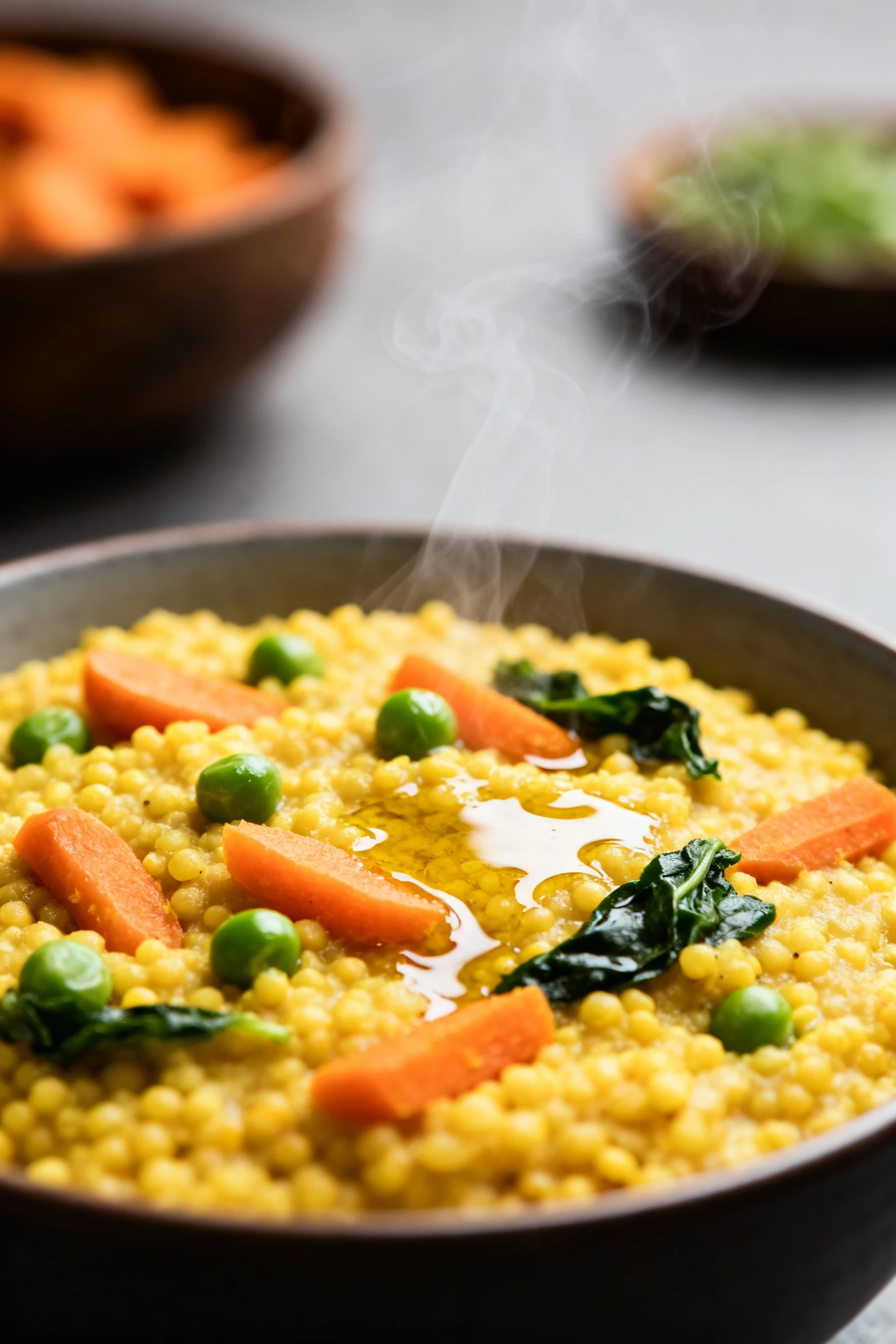
- Protein without the pain: Moong dal packs high-quality plant protein while staying light on the stomach. Add low-fat yogurt or tofu to push the numbers even higher without blowing calories.
- Real satiety, fewer calories: Fiber-rich dal, non-starchy veggies, and spices create volume and flavor, so you feel full on less. No sad nibbling required.
- Steady energy, happy gut: Low-GI carbs (millet or brown rice) plus digestion-friendly spices (cumin, ginger, turmeric) help keep blood sugar smooth and your gut calm.
- Ridiculously flexible: Same method, infinite riffs—swap grains, add greens, change the tadka, or spike it with sambar powder. You won’t get bored on day three.
- Meal-prep gold: Batch-cook once, reheat like a champ, and rotate toppings. FYI, it tastes even better the next day.
- Budget-friendly: Pantry lentils + basic spices = low cost, high ROI. Save money, not just calories.
What Goes Into This Recipe – Ingredients
For the Moong Dal Veggie Khichdi (2–3 servings)
- Split yellow moong dal: 1/2 cup (100 g), rinsed and soaked 15–30 minutes
- Foxtail millet (or brown rice): 1/2 cup (90 g), rinsed and soaked 15–30 minutes
- Onion: 1 small, finely chopped
- Tomato: 1 medium, chopped
- Carrot: 1 small, diced
- Green peas: 1/2 cup (fresh or frozen)
- Spinach: 2 cups, roughly chopped
- Ginger: 1-inch piece, minced
- Garlic: 3 cloves, minced
- Green chili: 1, slit (optional)
- Cumin seeds: 1 teaspoon
- Turmeric powder: 1/2 teaspoon
- Coriander powder: 1 teaspoon
- Garam masala: 1/2 teaspoon
- Black pepper: 1/4 teaspoon
- Bay leaf: 1
- Asafoetida (hing): a pinch (optional)
- Salt: to taste
- Ghee or olive oil: 1–2 teaspoons total
- Water or low-sodium stock: 3.5–4 cups (adjust for desired texture)
For the Tadka Yogurt (optional but awesome)
- Low-fat plain yogurt (dahi): 1 cup
- Ghee or olive oil: 1 teaspoon
- Mustard seeds: 1/2 teaspoon
- Cumin seeds: 1/2 teaspoon
- Curry leaves: 6–8
- Dried red chili: 1, broken (optional)
- Garlic: 1 small clove, thinly sliced
- Roasted cumin powder: 1/2 teaspoon
- Salt: pinch
Optional Garnishes
- Lemon or lime wedges
- Fresh cilantro, chopped
- Crushed roasted peanuts or seeds (for crunch)
- Chili flakes for extra heat
How to Make It – Instructions
- Soak smart: Rinse and soak moong dal and millet for 15–30 minutes. This speeds cooking and helps digestion. Drain well.
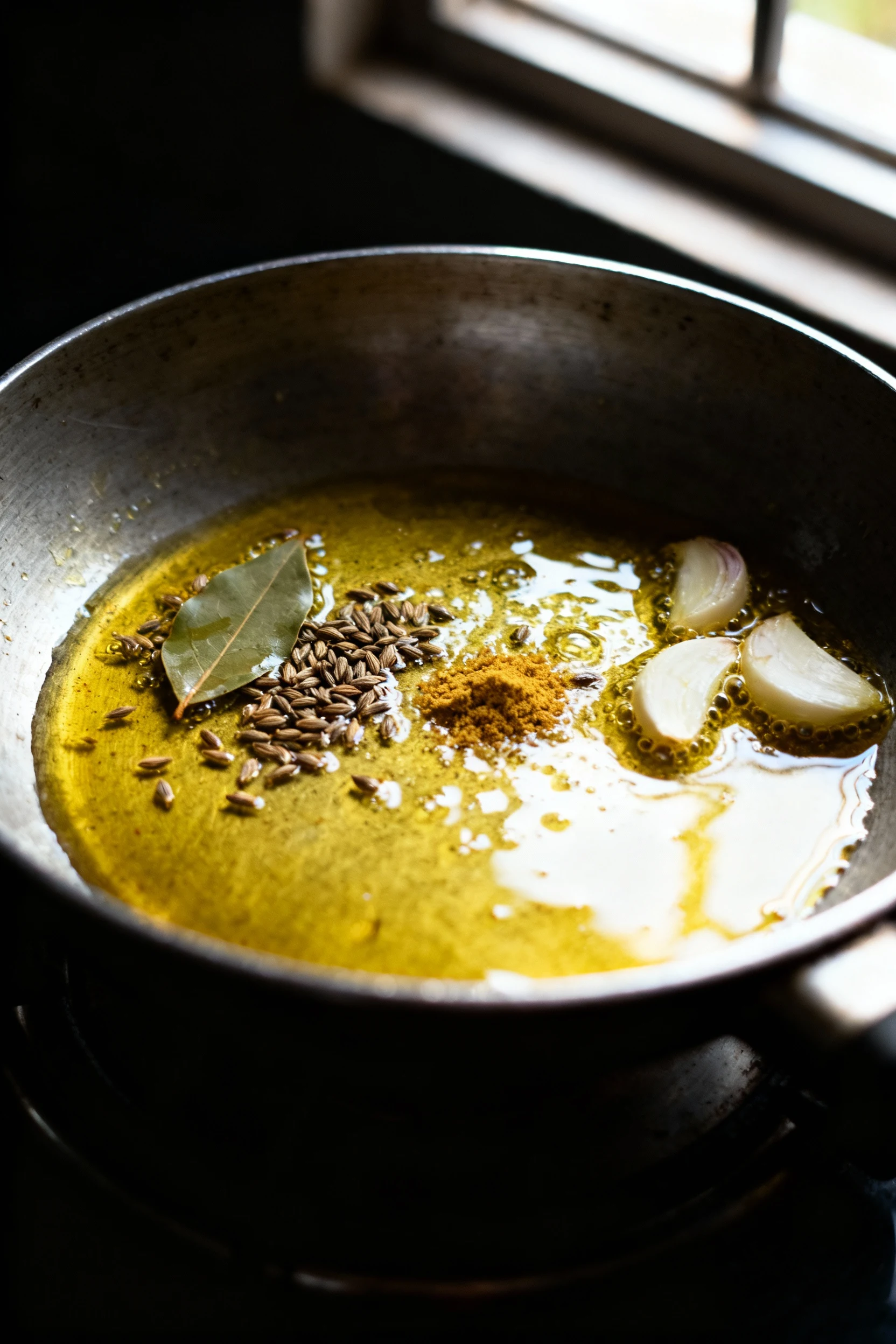
- Build the base: Heat 1 teaspoon ghee or oil in a heavy pot or Instant Pot on Sauté. Add cumin seeds, bay leaf, and hing. Let them sizzle for 30 seconds until aromatic.
- Sauté aromatics: Stir in onion, ginger, garlic, and green chili. Cook 2–3 minutes until the onion softens and smells sweet, not raw.
- Add veggies and spices: Toss in carrot and tomato. Sprinkle turmeric, coriander powder, black pepper, and salt. Cook 2 minutes, letting the spices bloom. Keep heat medium so nothing burns.
- Combine grains and dal: Add drained dal and millet. Stir to coat with spices for 1 minute. This step adds depth—don’t skip it.
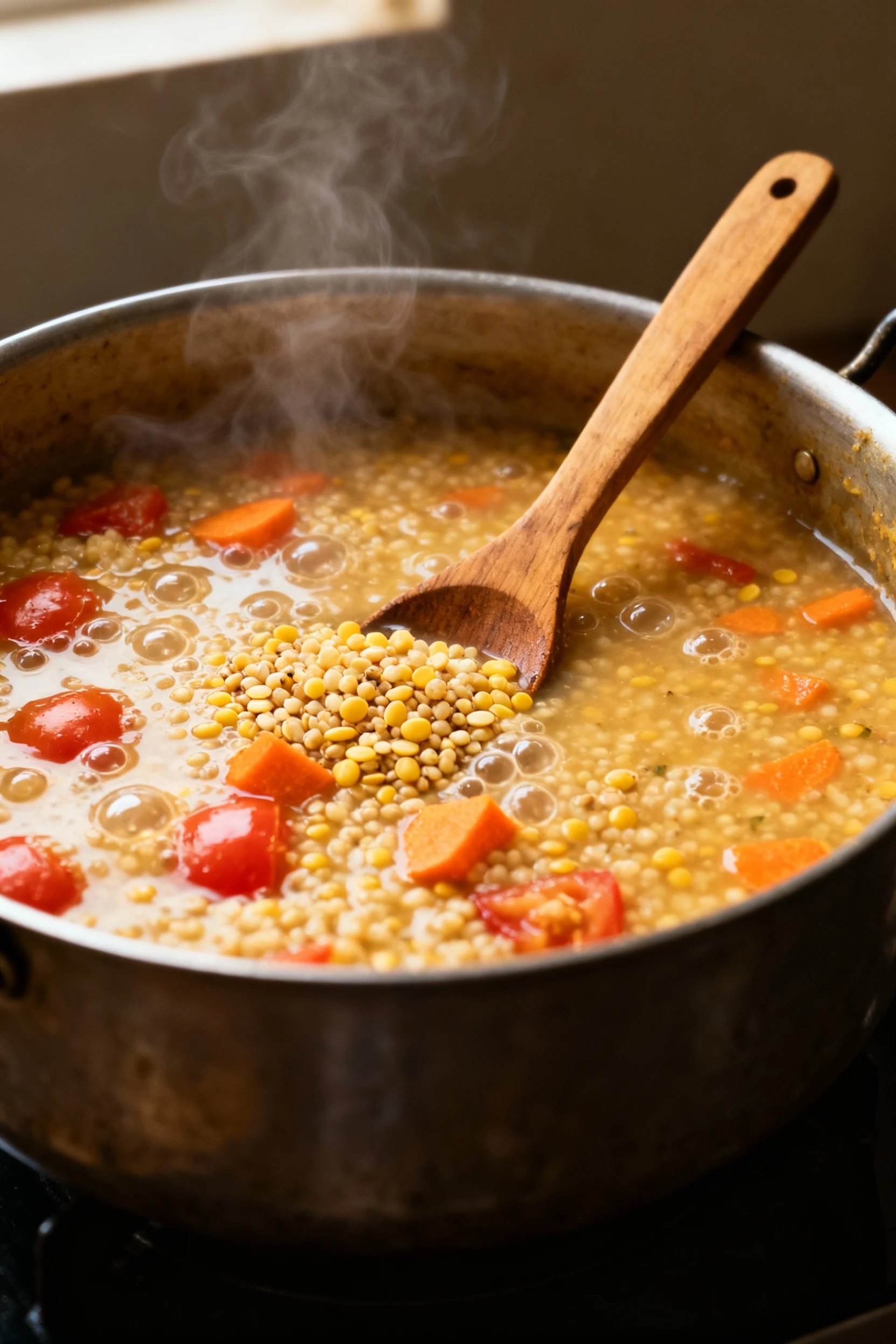
- Pour liquids: Add 3.5–4 cups water or stock. For a porridge-like, soothing khichdi, use 4 cups. For a looser pilaf style, start with 3.5 cups.
- Cook it through: Stovetop: Bring to a boil, then simmer covered 20–25 minutes, stirring occasionally so it doesn’t stick. Instant Pot: Pressure cook on High for 8 minutes; natural release 10 minutes.
- Green finish: Stir in peas and spinach. Cook 2–3 minutes until the greens wilt and peas are tender. Taste, adjust salt and pepper.
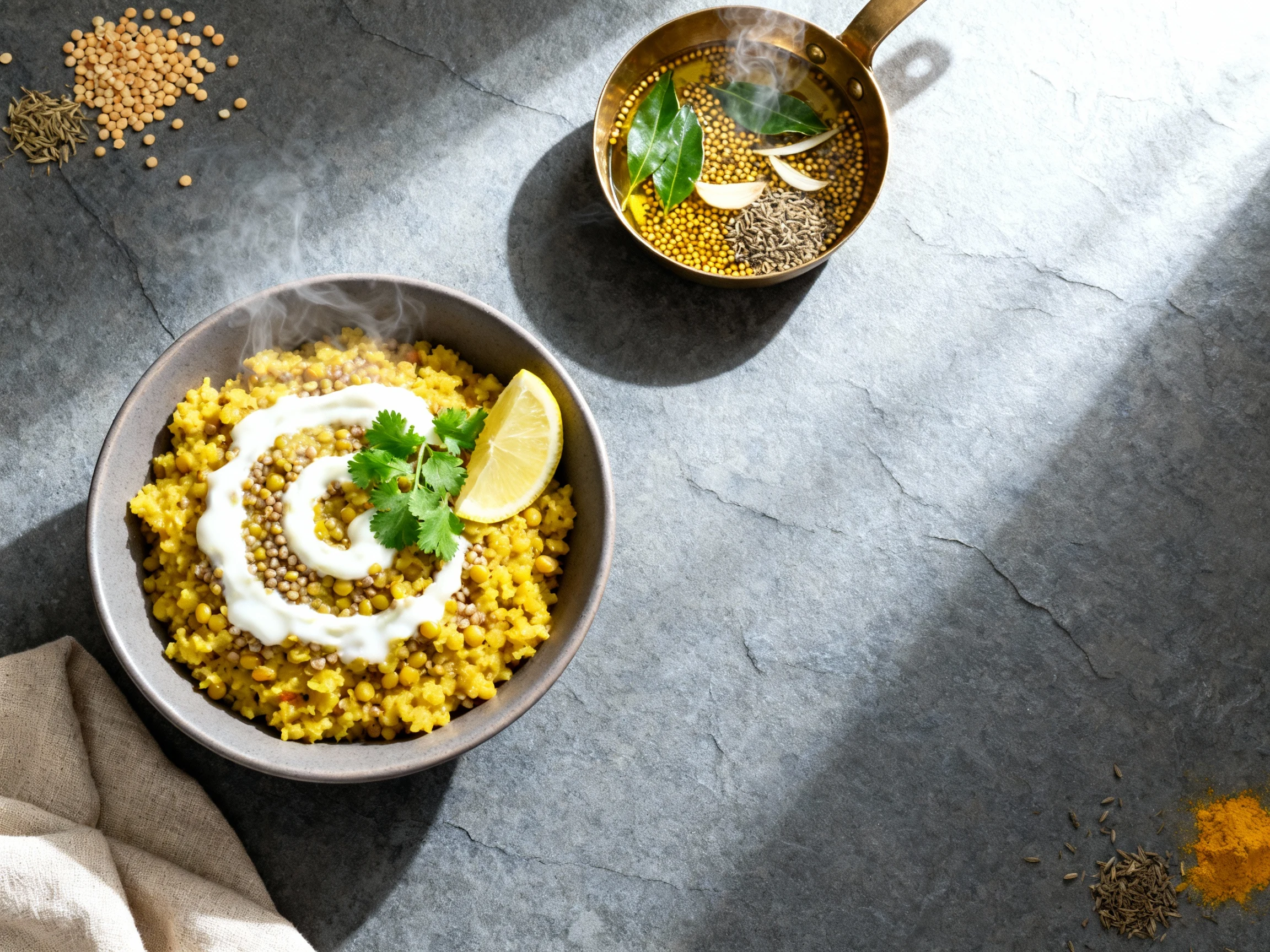
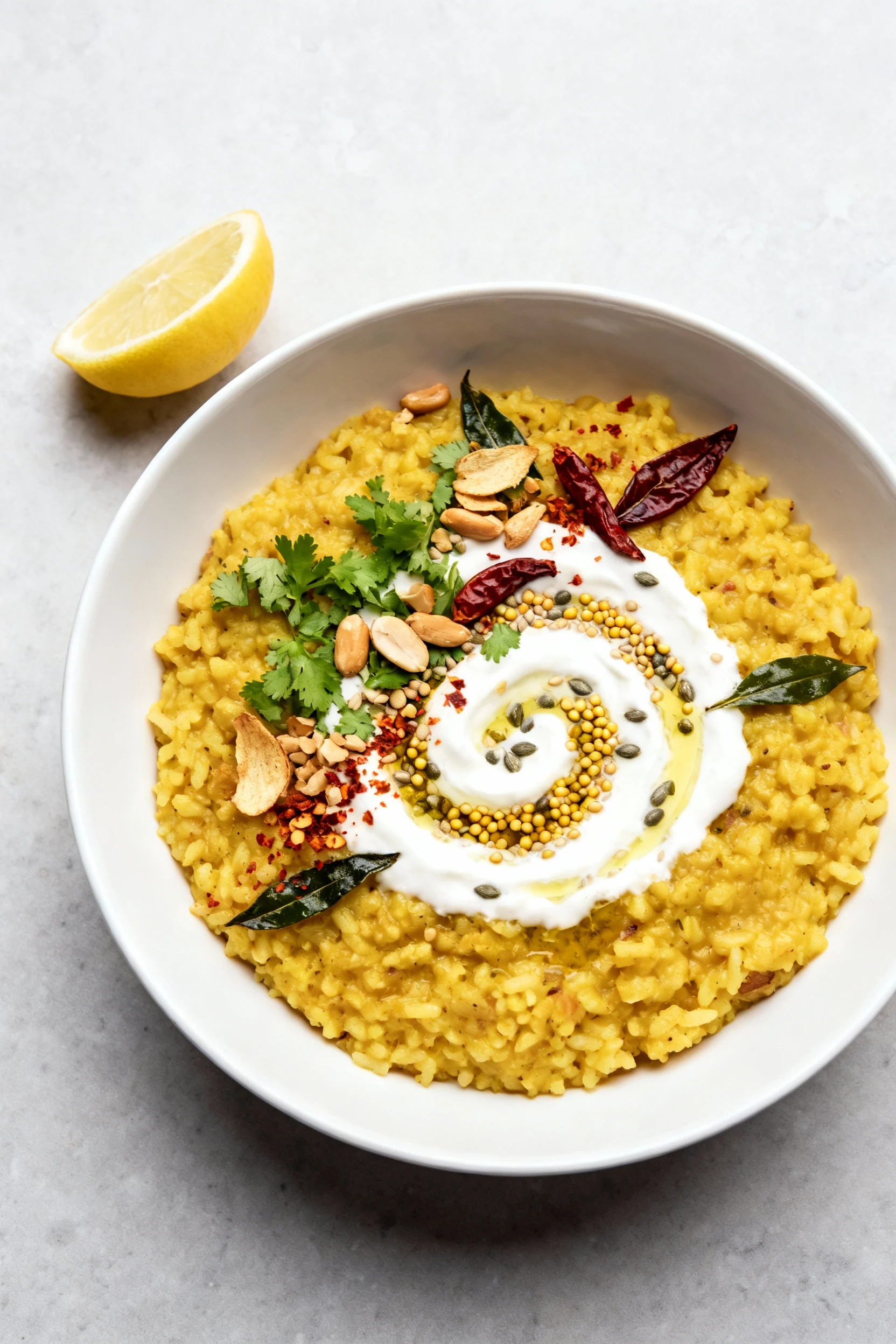
- Tadka yogurt (optional): Whisk yogurt with a pinch of salt and roasted cumin powder. Heat 1 teaspoon ghee/oil, add mustard seeds, cumin, garlic slices, curry leaves, and dried chili. When crackly and fragrant, cool 30 seconds, then swirl into the yogurt.
- Serve: Ladle khichdi into bowls. Top with a spoon of tadka yogurt, cilantro, lemon, and a sprinkle of peanuts or seeds for crunch. Eat hot and feel smug.
- Adjust texture: Prefer looser? Stir in hot water until you hit your desired consistency. Khichdi is meant to be cozy, not stodgy.
Storage Tips
- Fridge: Store khichdi in an airtight container for 3–4 days. It thickens as it rests; add hot water when reheating.
- Freeze: Portion into freezer-safe containers for up to 2 months. Thaw overnight in the fridge; reheat gently with added water.
- Yogurt stays separate: Keep tadka yogurt in the fridge, separate from the hot khichdi, and spoon on just before serving.
- Meal-prep move: Freeze in single servings with a lemon wedge tucked separately. Fresh acid revives the flavors IRL.
What’s Great About This
- Approx macros (per of 3 servings, with yogurt): ~390–440 kcal, ~22–27 g protein, ~60–70 g carbs, ~8–12 g fat. Numbers shift with add-ins.
- High satiety index: Fiber + protein + warm spices reduce mindless snacking. Want fewer cravings? Eat meals like this.
- Blood-sugar friendly: Millet or brown rice keep the glycemic load moderate. Dal adds resistant starch and steady energy.
- Anti-inflammatory edge: Turmeric, ginger, and cumin bring more than flavor—they support recovery and digestion.
- Zero-waste adaptable: Toss in leftover veg, a handful of greens, or that half bell pepper. It still slaps.
- One-pot cleanup: Fewer dishes, fewer excuses. IMO, the best kind of “diet food.”
Common Mistakes to Avoid
- Skipping the rinse/soak: Rinsing removes surface starch and bitterness; soaking reduces cook time and bloating.
- Under-seasoning: “Diet” isn’t code for bland. Salt correctly and let spices bloom in oil for full flavor.
- Overcooking veg: Add peas and spinach at the end to keep color and nutrients. Mushy peas are a vibe killer.
- Drowning in ghee: A teaspoon for aroma goes far. More ghee = more calories. Choose wisely.
- Wrong liquid ratio: Too little water makes it gluey; too much makes it soupy. Start with 3.5–4 cups and adjust with hot water at the end.
- Ignoring texture: Khichdi should be cozy. If it seizes after cooling, splash water and reheat gently.
- Using only white rice: If you’re chasing steady energy, swap to millet or brown rice. White rice works, but watch portions.
- Adding yogurt to boiling hot khichdi: Yogurt can split in extreme heat. Spoon it on just before eating.
Recipe Variations
- Vegan Comfort: Skip yogurt; drizzle with lemon and a chili-cumin tadka in olive oil. Add diced tofu for extra protein.
- Low-Carb Swap: Replace millet with finely riced cauliflower (add in the last 5 minutes). Keep dal as is for protein and fiber.
- High-Protein Boost: Stir in grilled paneer or tofu cubes, or a poached egg on top. Add 100 g paneer and you’ll tack on ~18 g protein per serving.
- South Indian Vibe: Add 1–2 teaspoons sambar powder and finish with mustard seed–curry leaf tadka. Tangy, spicy, brilliant.
- Masala Oats Khichdi: Swap millet for rolled oats; cook 8–10 minutes only. Creamy, quick, and great for breakfast-for-dinner.
- Spinach & Tomato Dal: Skip grain entirely and double the dal. Serve as a thick dal bowl with lemon and chili oil.
- Chicken or Prawn Add-in: For non-veg, sauté 200–250 g lean chicken pieces or prawns after aromatics; cook through, then proceed. Protein skyrockets, cook time barely changes.
- Instant Pot Meal-Prep: Double everything; cook 8 minutes High, natural release 10. Portion and freeze half.
FAQ
Can I make this in an Instant Pot?
Yes. Use Sauté for the tadka and aromatics, then cook on High Pressure for 8 minutes with a 10-minute natural release. Stir in peas and spinach after releasing, then rest 2 minutes so it thickens nicely.
Is this suitable for diabetics?
Used with portion control, it can fit well. Choose millet or brown rice over white, keep veggies generous, and don’t skip protein (yogurt or tofu). Always match it to your personal carb targets and your clinician’s advice.
How much protein is in a serving?
With the amounts listed and low-fat yogurt, expect roughly 22–27 g protein per serving (if you portion the pot into three servings). Add paneer/tofu to push beyond 30 g without much extra fuss.
Can I use white rice instead of millet?
Totally. It’ll be softer and a bit higher on the glycemic index. If you choose white rice, keep portions moderate and load up the spinach, peas, and protein to balance the meal.
What if I don’t like spicy food?
Skip green chili and dried red chili. Keep cumin, turmeric, and coriander—they add flavor more than heat. You’ll still get an aromatic, cozy bowl without the burn.
How do I make it fully vegan?
Use olive oil instead of ghee and swap dairy yogurt for unsweetened plant yogurt (coconut or soy works best). Season the vegan yogurt well with roasted cumin and lemon to keep it bright.
Can I freeze khichdi?
Yes. Freeze up to two months. Thaw overnight, reheat with a splash of hot water, and finish fresh with lemon and cilantro so it tastes just-cooked.
What vegetables work best here?
Peas, carrots, spinach, bell peppers, zucchini, and green beans all shine. Hard vegetables (carrot, beans) go in earlier; tender greens go in at the end to avoid overcooking.
The Bottom Line
Want “diet food” that doesn’t feel like a diet? This moong dal veggie khichdi plus tadka yogurt is your Indian comfort blueprint. It’s fast, flexible, and macro-smart, with enough flavor to keep you compliant and excited. Build it once, remix all week, and watch your energy, recovery, and waistline trend the right way. Flavor stays high, effort stays low—that’s the sustainable win.
Printable Recipe Card
Want just the essential recipe details without scrolling through the article? Get our printable recipe card with just the ingredients and instructions.