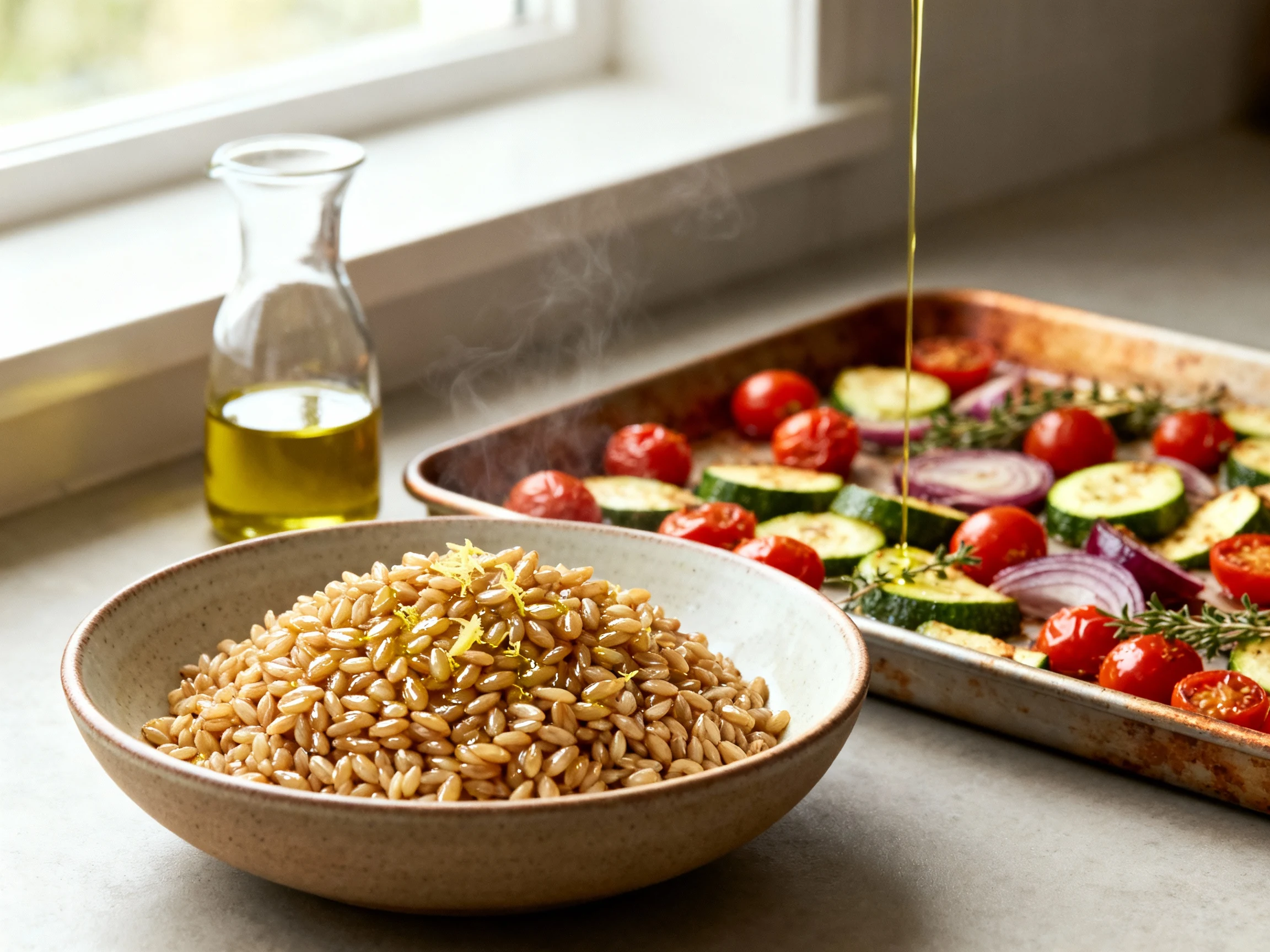
Farro Recipes That Fix Weekday Dinners Fast—big Flavor Zero Fuss
Cook once, eat all week: chewy farro with bold mix-ins, ready in 30 minutes for quick dinners, meal-prep bowls, and cozy sides.
There’s a humble grain that turns fridge odds and ends into “Whoa, you made this?” dinners. Farro brings chew, nutty depth, and a wildly forgiving cook time that makes you look organized even when you’re not. Cook a pot tonight, and you’ve got lunches, sides, and last-minute mains for days. The ROI is silly: cheap ingredients, big flavor, minimal effort. And because it plays nice with veggies, protein, and sauces, you can pivot from Italian to Middle Eastern to brunch without breaking a sweat.
The Secret Behind This Recipe
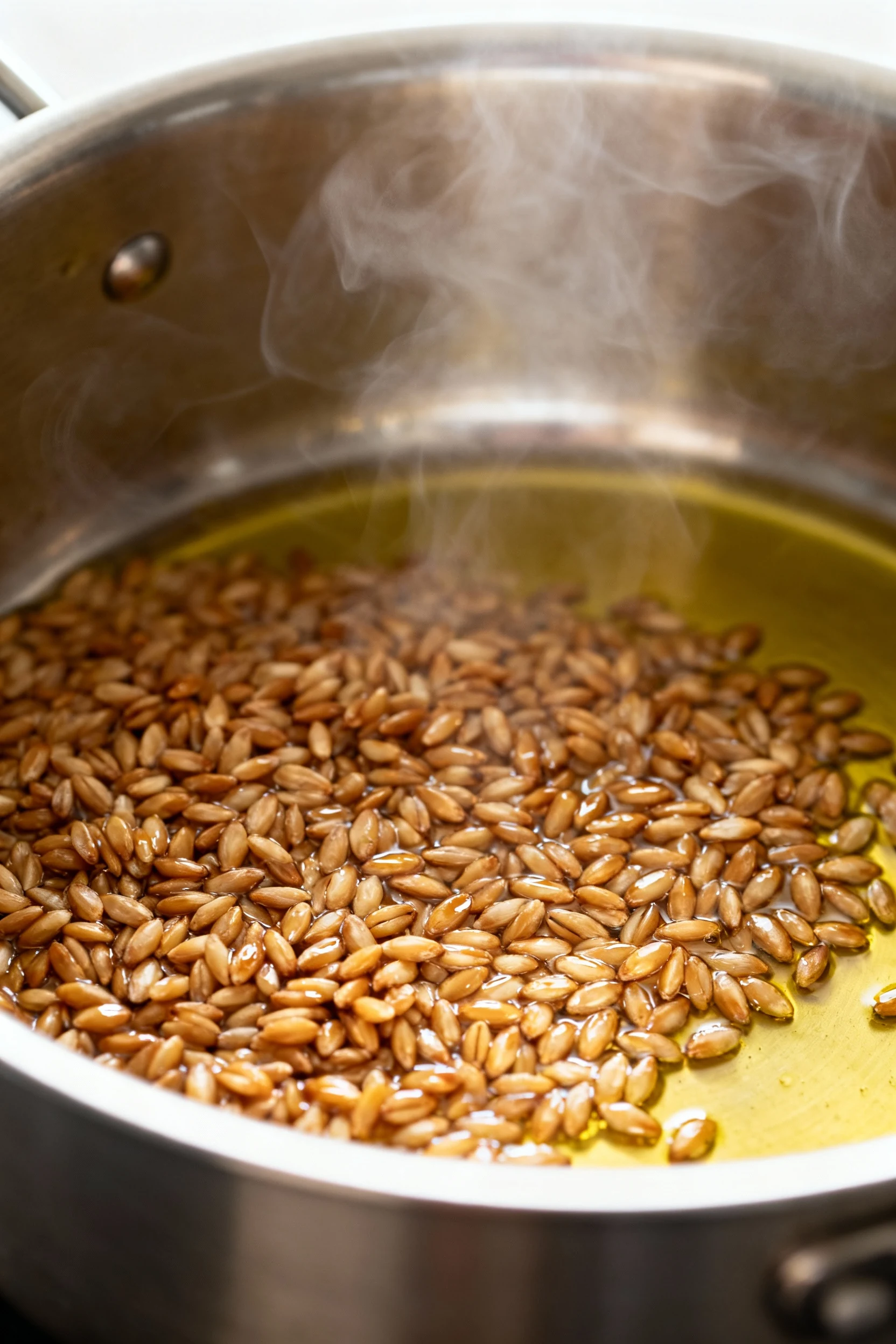
The magic of farro isn’t complicated. It’s about salting the water like pasta, seasoning early so the grain tastes good from the inside out, and finishing with fat + acid for a glossy, craveable bite. Toasting the dry grain gives you a deeper, nuttier base—think “risotto without the stress.”
Two other moves matter. First, manage texture: aim for al dente with a bouncy chew—not mush. Second, let it rest: a quick drain and a 5-minute covered steam makes the grains plumper and more cohesive for salads and bowls. Want a shortcut? Use the pasta method (more water than you need, then drain) for consistency, or pressure-cook when you need it yesterday.
Finish line upgrades seal the deal. A spoon of olive oil or butter, a squeeze of lemon or a splash of sherry vinegar, and a hit of fresh herbs. That trio turns “grain” into “dinner.”
Ingredients Breakdown
Base Pantry Ingredients (Master Batch)
- Farro (1 cup) — Pearled cooks fastest (15–20 min), semi-pearled is chewier (20–30 min), whole is heartiest (30–40 min; soak if you can).
- Water or low-sodium broth (3–4 cups) — Use more if cooking like pasta; broth amplifies flavor.
- Kosher salt (1–1.5 tsp) — Season like pasta water so the grain is tasty, not bland.
- Olive oil or butter (1–2 tbsp) — For toasting and finishing.
- Acid (1–2 tsp) — Lemon juice, red wine or sherry vinegar; brightens everything.
Flavor Builders (Optional but Powerful)
- 1 bay leaf or a strip of lemon peel
- 1 small onion or 2 shallots, halved (fish out after)
- 2 smashed garlic cloves
- 1 tsp whole spices: fennel seed, cumin seed, or peppercorns
- Fresh herbs for finishing: parsley, dill, mint, basil, thyme
Variation Ingredient Packs
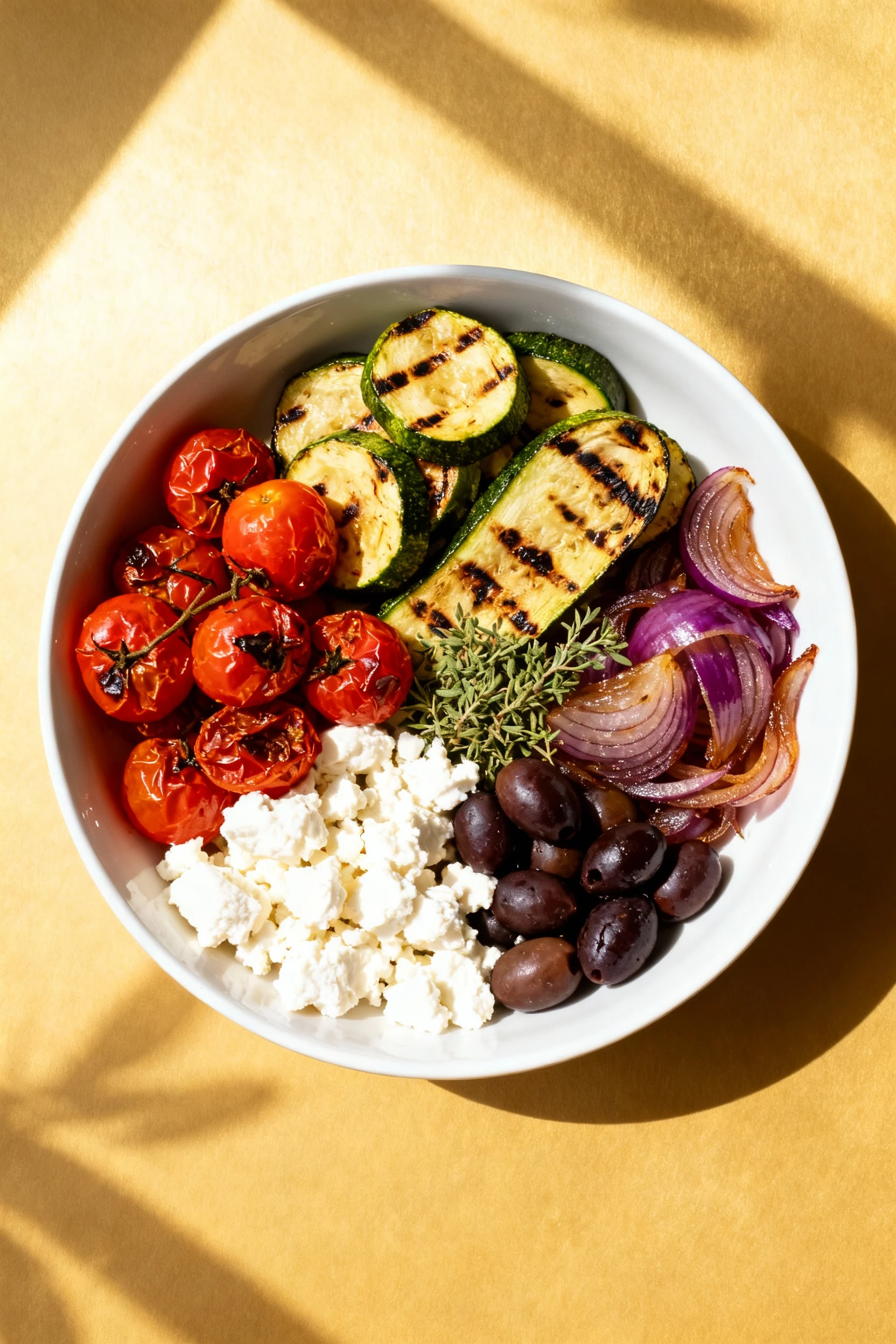
- Roasted Veg + Feta Bowl: Cherry tomatoes, zucchini, red onion, olive oil, oregano, feta, olives.
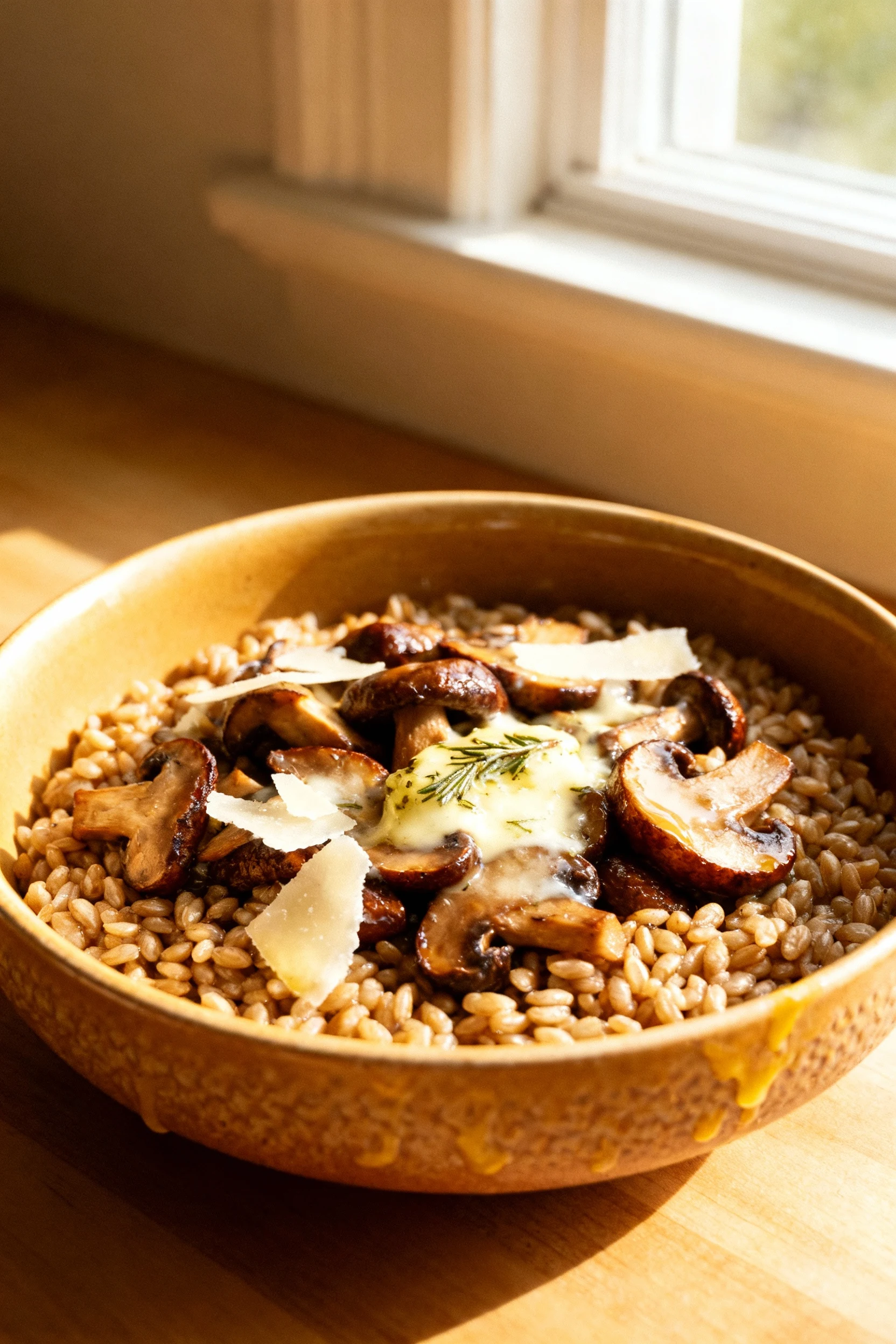
- Mushroom + Thyme Warm Bowl: Cremini or shiitake, thyme, garlic, butter, Parmesan.
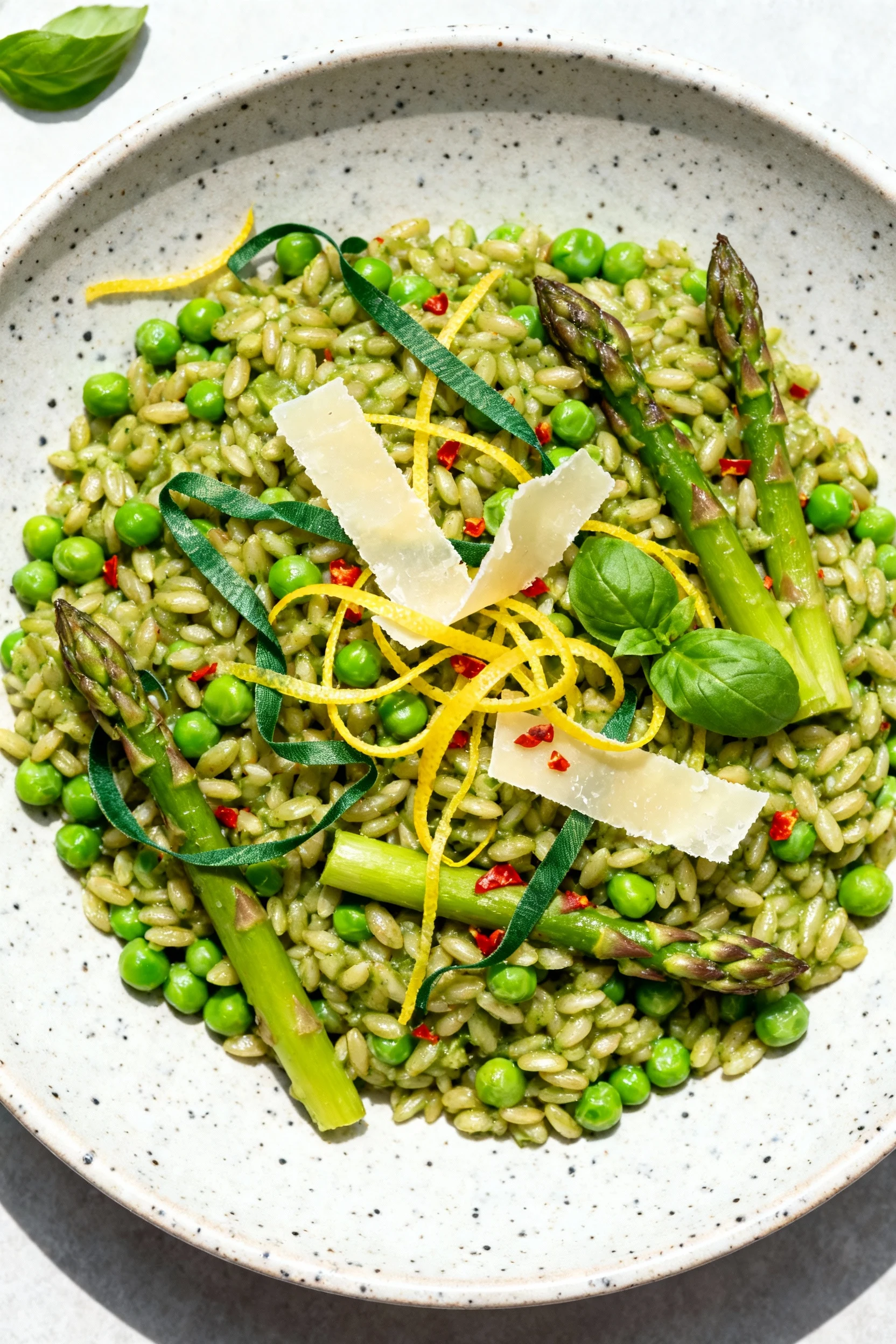
- Green Primavera: Peas, asparagus, lemon zest, basil, pecorino, chili flakes.
- Harissa Chickpea Crunch: Chickpeas, harissa paste, cucumber, cilantro, toasted almonds, yogurt or tahini.
- Tuscan-ish Farro Soup: Carrot, celery, onion, canned tomatoes, kale, cannellini beans, rosemary.
- Breakfast Maple Porridge: Milk (or alt milk), maple syrup, cinnamon, berries, toasted walnuts.
Cooking Instructions
- Rinse the farro. Put 1 cup farro in a fine-mesh strainer, rinse until the water runs mostly clear.
- Optional: Toast. Heat 1 tbsp olive oil in a pot over medium; add farro and cook 2–3 minutes until fragrant.
- Add liquid + season. Pour in 3–4 cups water or broth. Add 1–1.5 tsp kosher salt and any aromatics (bay, onion, garlic).
- Simmer. Bring to a boil, then reduce heat. Cook uncovered until al dente:
- Pearled: 15–20 minutes
- Semi-pearled: 20–30 minutes
- Whole: 30–40 minutes (soak 4–8 hours for faster cook, FYI)
- Check texture. The grains should be tender with a chewy center. If still chalky, keep going 3–5 minutes.
- Drain well. Use a fine-mesh strainer. Discard aromatics.
- Steam rest. Return farro to the warm pot, cover, and rest 5 minutes to plump up.
- Finish. Stir in 1 tbsp olive oil or butter, plus 1–2 tsp lemon juice or vinegar. Taste and adjust salt.
- Build your dish. Pick a variation:
- Roasted Veg + Feta: Roast chopped zucchini, tomatoes, and red onion at 425°F with oil, salt, oregano (20–25 min). Fold into farro with crumbled feta and olives.
- Mushroom + Thyme: Sauté sliced mushrooms in butter until browned; add thyme and garlic. Toss with farro and Parmesan.
- Green Primavera: Blanch chopped asparagus and peas; add to farro with lemon zest, chili flakes, basil, and pecorino.
- Harissa Chickpea: Warm chickpeas with harissa and a little oil; combine with farro, chopped cucumber, cilantro, toasted almonds, and dollops of yogurt or drizzle of tahini.
- Tuscan-ish Soup: Sweat diced onion, carrot, celery in oil. Add tomatoes, broth, rosemary, farro, and simmer 15 minutes. Stir in kale and beans; cook until tender.
- Breakfast Porridge: Rewarm farro with milk, a pinch of salt, and cinnamon until creamy. Sweeten with maple and top with berries and walnuts.
- Serve. Make bowls now, or pack for meals throughout the week.
Alternate Methods
- Instant Pot: 1 cup farro + 2 cups water + 1 tsp salt. High pressure 10 minutes (pearled/semiperled) or 15 minutes (whole), natural release 10, quick release, drain if needed.
- Oven-Baked: 1 cup farro + 2 cups boiling water + salt in a covered dish. Bake at 350°F for 35–40 minutes; fluff and finish with oil + acid.
- Pasta Method: Big pot, heavily salted water. Boil farro like pasta to desired texture; drain well and finish. Foolproof for newbies.
Storage Instructions
Cool farro to room temp, then refrigerate in an airtight container. It keeps 4–5 days like a champ. For longer storage, portion into bags and freeze up to 3 months; thaw overnight or reheat straight from frozen with a splash of water.
Reheat on the stovetop over low with a bit of water or broth and a drizzle of oil. Microwaving? Cover loosely and add a teaspoon of water so it doesn’t dry out. Leftover bowls keep best if you store wet components (dressings, tomatoes) separately, IMO.
What’s Great About This
- Cook once, eat many times — Batch-friendly base that flips between cuisines.
- Texture for days — Chewy, hearty grain that never feels flimsy or soggy when done right.
- Macro-friendly — High fiber, plant-powered, and protein-supportive when paired with beans, cheese, or eggs.
- Budget smart — Pantry ingredients + seasonal veg = restaurant-level bowls without the price tag.
- Kid- and guest-proof — Neutral base, bold toppings. Everyone customizes their bowl. Everyone wins.
- Zero-waste energy — Soaks up sauces and rescues wilted herbs. That half onion finally has a purpose.
Pitfalls to Watch Out For
- Under-salting the water — If you skip seasoning early, no amount of dressing saves bland grain.
- Overcooking — Mushy farro = no chew. Taste often near the end and pull it slightly al dente.
- Skipping the finish — Fat + acid = flavor. Don’t leave it naked; a drizzle and a squeeze transform it.
- Not draining well — Waterlogged grain waters down dressing. Drain thoroughly and steam-rest.
- Wrong farro type, wrong time — Pearled for speed, whole for maximal chew. Plan your clock accordingly.
- All soft, no crunch — Add texture: nuts, seeds, crispy chickpeas. Your teeth will thank you.
Variations You Can Try
- Lemony Tuna Pantry Bowl: Farro + canned tuna, capers, parsley, lemon, olive oil, black pepper. Shockingly fancy, zero fuss.
- Roasted Sweet Potato + Chimichurri: Toss cubes with smoked paprika and roast; add a bright herb sauce. Sweet, smoky, and zingy.
- Greekish Salad: Cucumbers, tomatoes, red onion, olives, feta, oregano, red wine vinaigrette. Not your sad desk salad.
- Maple-Miso Brussels: Shredded Brussels sautéed until charred, glaze with maple + white miso. Umami meets cozy.
- Za’atar Halloumi: Pan-sear halloumi, dust with za’atar, toss with cucumbers and mint, finish with olive oil and lemon.
- Eggs + Greens Breakfast: Warm farro with spinach and scallions; top with a jammy egg and chili crisp. Weekend vibes, Tuesday speed.
- BBQ Chicken Bowl: Shredded rotisserie chicken, quick slaw, corn, scallions, drizzle of BBQ sauce and yogurt.
- Tomato-Basil Burrata: Peak tomatoes, basil, olive oil, flaky salt, burrata. Yes, it’s basically summer in a bowl, TBH.
FAQ
What is farro, exactly?
Farro is an ancient wheat grain (emmer) known for its nutty flavor and chewy texture. It’s versatile, hearty, and forgiving, which makes it ideal for salads, soups, bowls, and even breakfast porridge.
What’s the difference between pearled, semi-pearled, and whole farro?
Pearled has most bran removed and cooks fastest. Semi-pearled keeps more bran for extra chew and nutrition. Whole retains the bran and germ for maximum flavor and texture but takes the longest to cook; soaking helps.
Does farro contain gluten?
Yes. Farro is a wheat-based grain and not gluten-free. If you need a GF option, swap in sorghum, brown rice, or quinoa and use the same flavor strategies.
What’s the ideal water-to-farro ratio?
For absorption, start with 3 cups liquid per 1 cup farro and add more as needed. For the pasta method, use a large pot of salted water and simply drain when it reaches your preferred tenderness.
Do I need to soak farro?
Soaking isn’t mandatory for pearled or semi-pearled. For whole farro, a 4–8 hour soak shortens cook time and evens out texture. No time? Use the pasta method or an Instant Pot to keep it moving.
How do I keep farro from turning mushy in salads?
Pull it when it’s just al dente, drain very well, and give it a 5-minute covered rest. Dress while slightly warm so it absorbs flavor without breaking down.
Can I freeze cooked farro?
Absolutely. Cool, portion into flat freezer bags, and freeze for up to 3 months. Reheat with a splash of water or broth and a drizzle of oil to bring back the bounce.
Can I cook farro in a rice cooker?
Yes. Use 1 cup farro to 2 cups water, a pinch of salt, standard cycle. Check at the end; if it needs a few more minutes, let it sit on warm with the lid closed.
What proteins pair best with farro?
Rotisserie chicken, salmon, tuna, crispy tofu, soft eggs, and chickpeas all belong here. Farro plays well with both lean proteins and richer options like halloumi or feta.
What dressings work well?
Lemon-garlic vinaigrette, balsamic-thyme, creamy tahini-lemon, harissa-yogurt, or a simple olive oil + red wine vinegar combo. Keep one in the fridge and you’re never stuck.
My Take
Farro is the definition of high-leverage cooking: one pot sets you up for fast dinners, smarter lunches, and zero boredom. Season the water, respect the chew, and finish with fat and acid—those simple moves unlock restaurant-level results at home. Keep a batch in your fridge and it becomes a plug-and-play base for whatever flavors you’re craving. If weeknights are chaotic (whose aren’t?), this grain delivers calm, tasty order. Low effort, high payoff—exactly how home cooking should feel.
Printable Recipe Card
Want just the essential recipe details without scrolling through the article? Get our printable recipe card with just the ingredients and instructions.