Cherry Pie Filling Recipes That Win Bake Sale Trophies
Make glossy, ruby-red filling in minutes—no canned sugar bombs. Perfect for pies, bars, cheesecakes, and quick freezer stashes.
You know that neon-red filling from a can? Tastes like nostalgia and regret. This version hits harder: bright cherries, just-sweet-enough syrup, and a finish that makes people ask for your “secret.” You’ll spend less than 20 minutes and end up with a stash that turns any crust, cake, or cheesecake into a headline moment. Want bakery-level shine without a culinary degree? Let’s build it.
What Makes This Recipe Awesome
- Fifteen-minute win: Fast stovetop method with minimal steps and dishes.
- Works with fresh or frozen: Sweet cherries, sour cherries, or a mix—no drama.
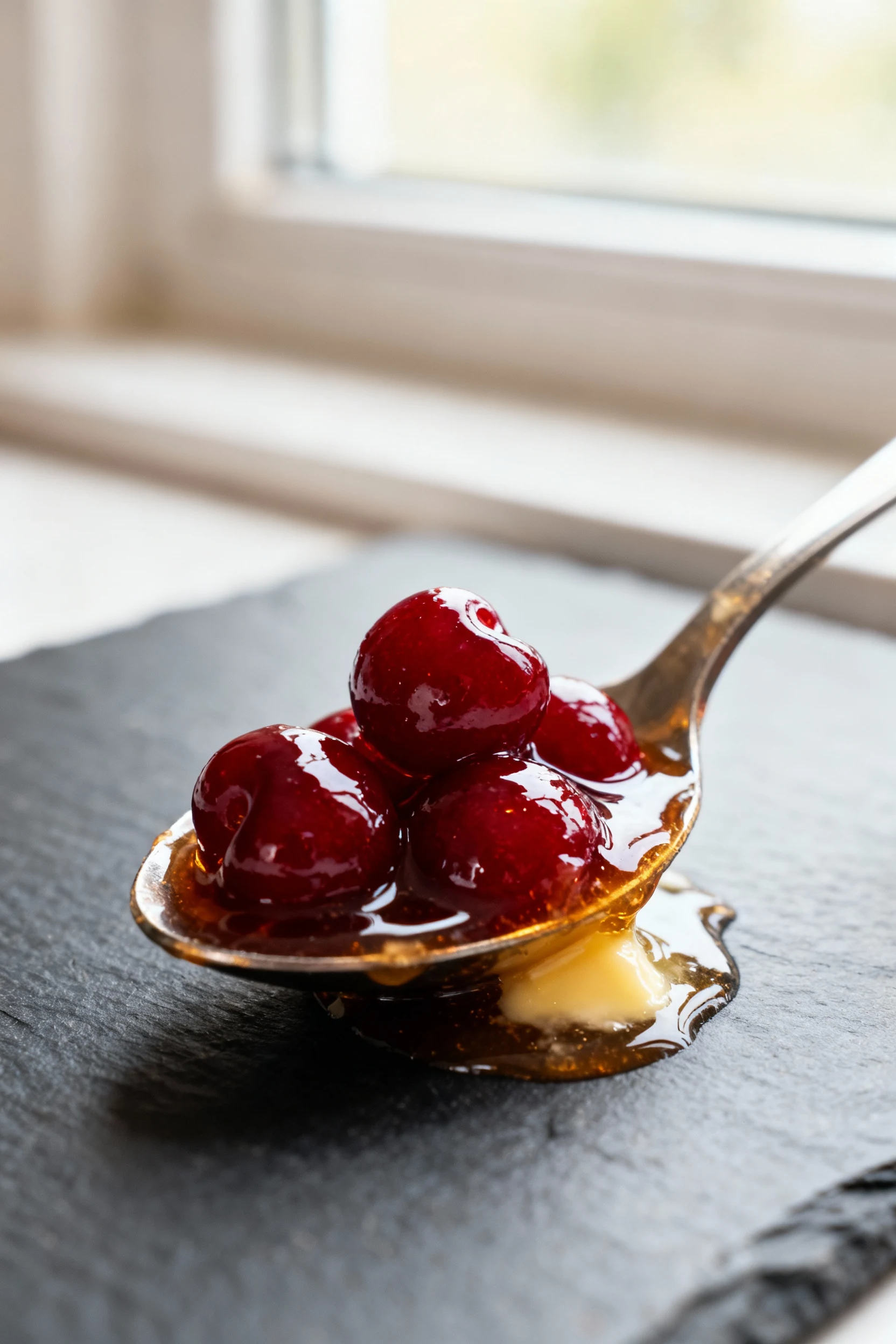
- Ultra-glossy thickness: Silky, scoopable, and never gummy when you follow the slurry rule.
- Flavor you can dial in: Lemon for brightness, almond for depth, vanilla for warmth.
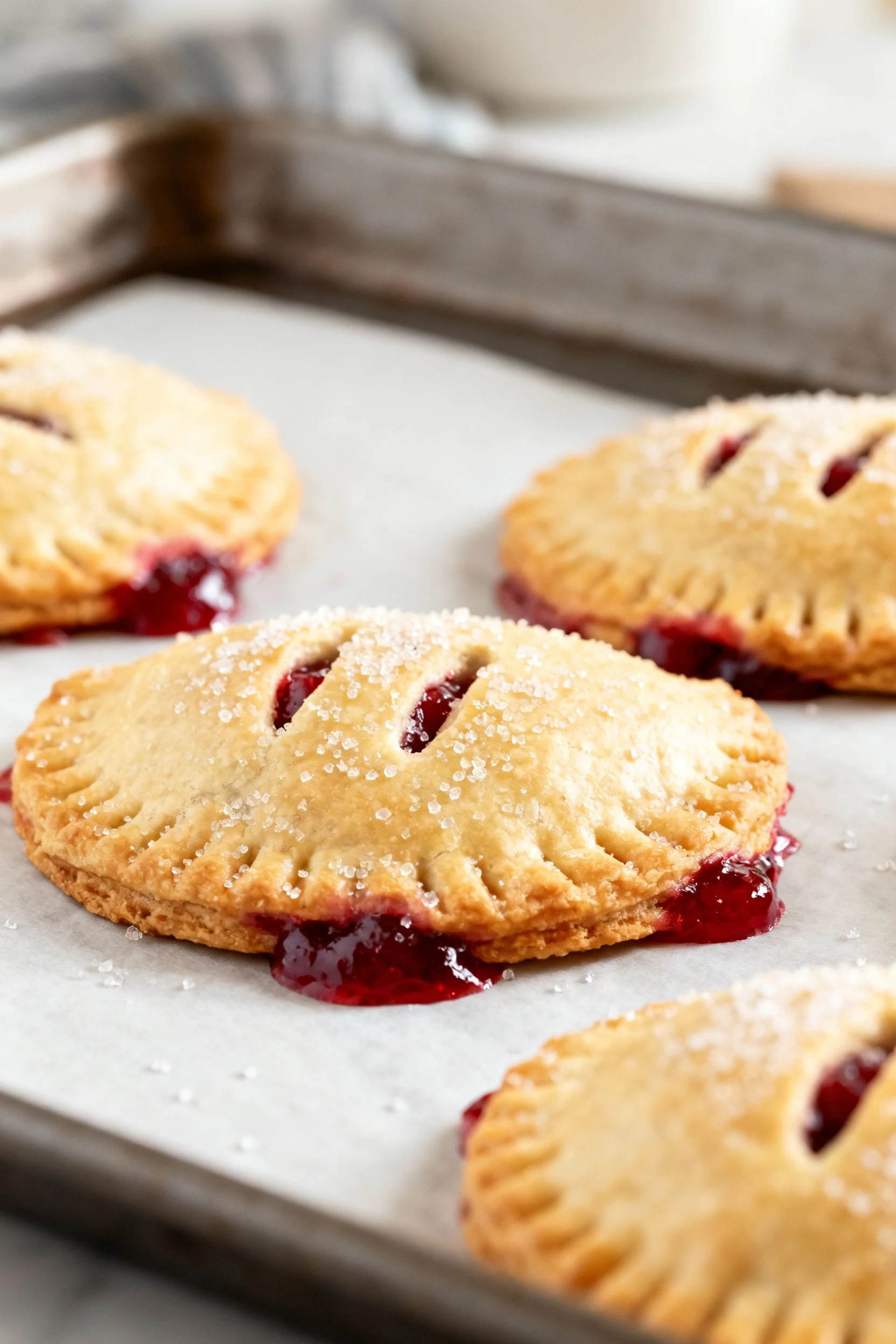
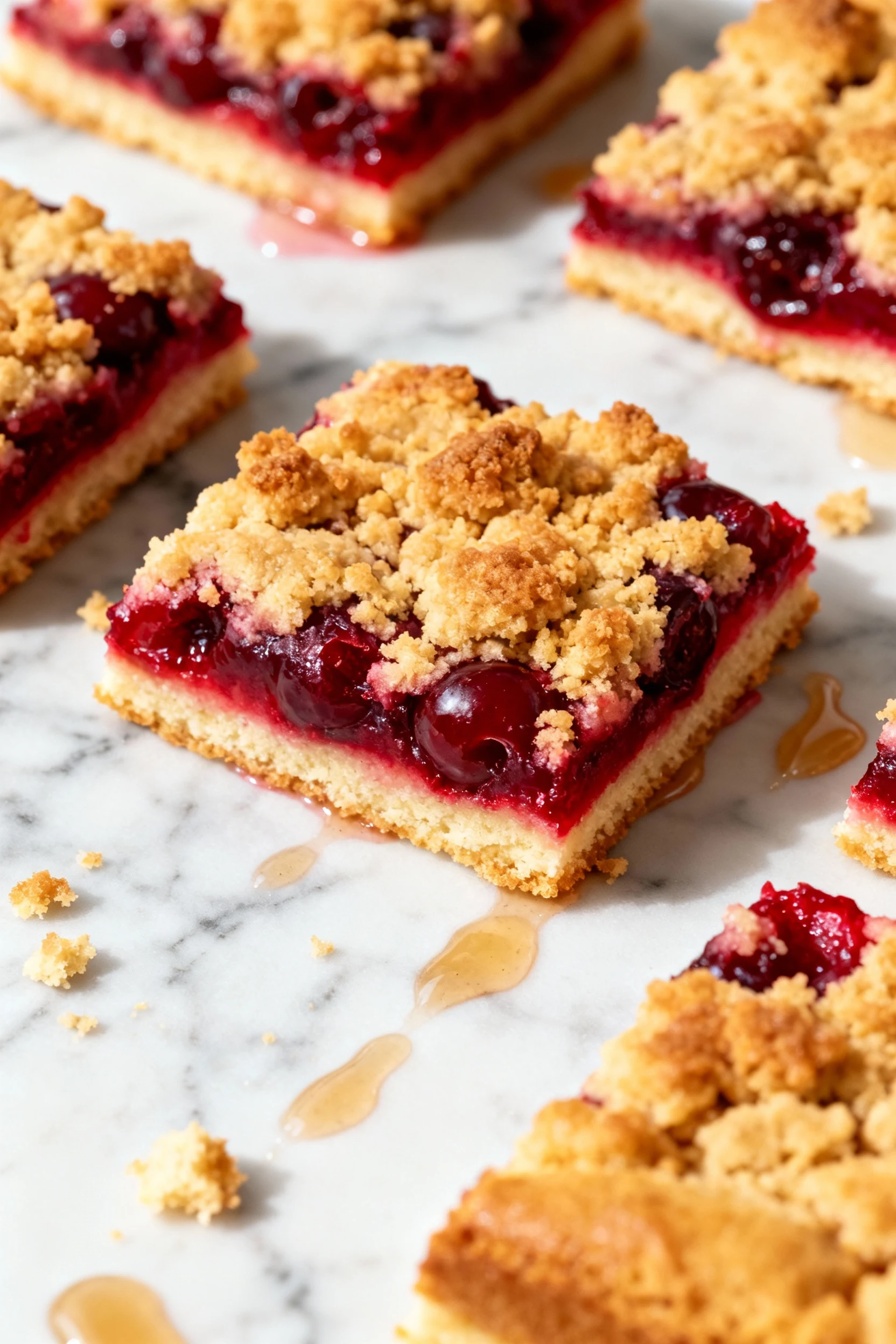
- Multi-purpose magic: Fill pies, hand pies, bars, turnovers, or swirl into cheesecake.
- Make-ahead friendly: Refrigerates well and freezes like a dream for quick desserts later.
- Balanced sweetness: Options for low-sugar and sour-cherry variations without losing structure.
Shopping List – Ingredients
- Cherries (pitted): 4 cups (about 1¼–1½ pounds). Use sweet (Bing) or sour (Montmorency) cherries.
- Granulated sugar: ½–¾ cup. Use ½ cup for sweet cherries; ¾ cup for sour cherries.
- Cornstarch: 3 tablespoons (4 tablespoons for juicier cherries or a thicker set).
- Fresh lemon juice: 1–2 tablespoons, plus optional ½ teaspoon zest.
- Salt: ⅛ teaspoon (tiny pinch to wake up the flavor).
- Vanilla extract: 1 teaspoon.
- Almond extract: ¼–½ teaspoon (classic bakery note—don’t skip unless you must).
- Water or cherry juice: ½ cup (or the juice released from thawed frozen cherries).
- Unsalted butter: 1 tablespoon, optional for extra gloss and richness.
- Optional upgrades: 1 tablespoon kirsch or bourbon; ¼ teaspoon cinnamon for cozy vibes.
Step-by-Step Instructions
- Macerate the cherries. In a saucepan, combine cherries, sugar, lemon juice, salt, and zest (if using). Let sit 5 minutes so the sugar draws out some juice.
- Make your slurry. In a small bowl, whisk cornstarch into the water or cherry juice until smooth—no powdery bits, no lumps.
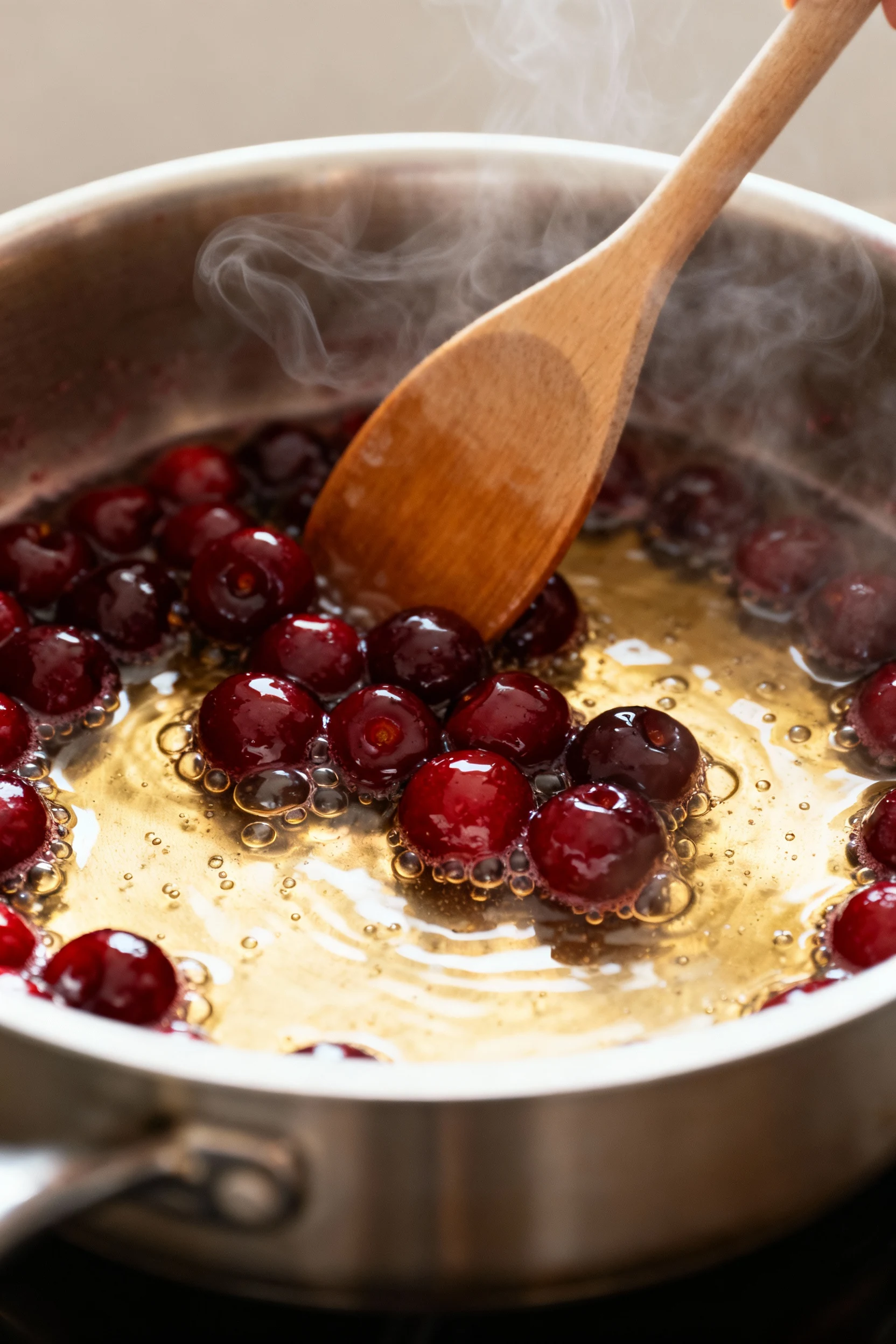
- Warm it up. Set the saucepan over medium heat and bring the cherry mixture to a gentle simmer. You’ll see juices releasing—this is good.
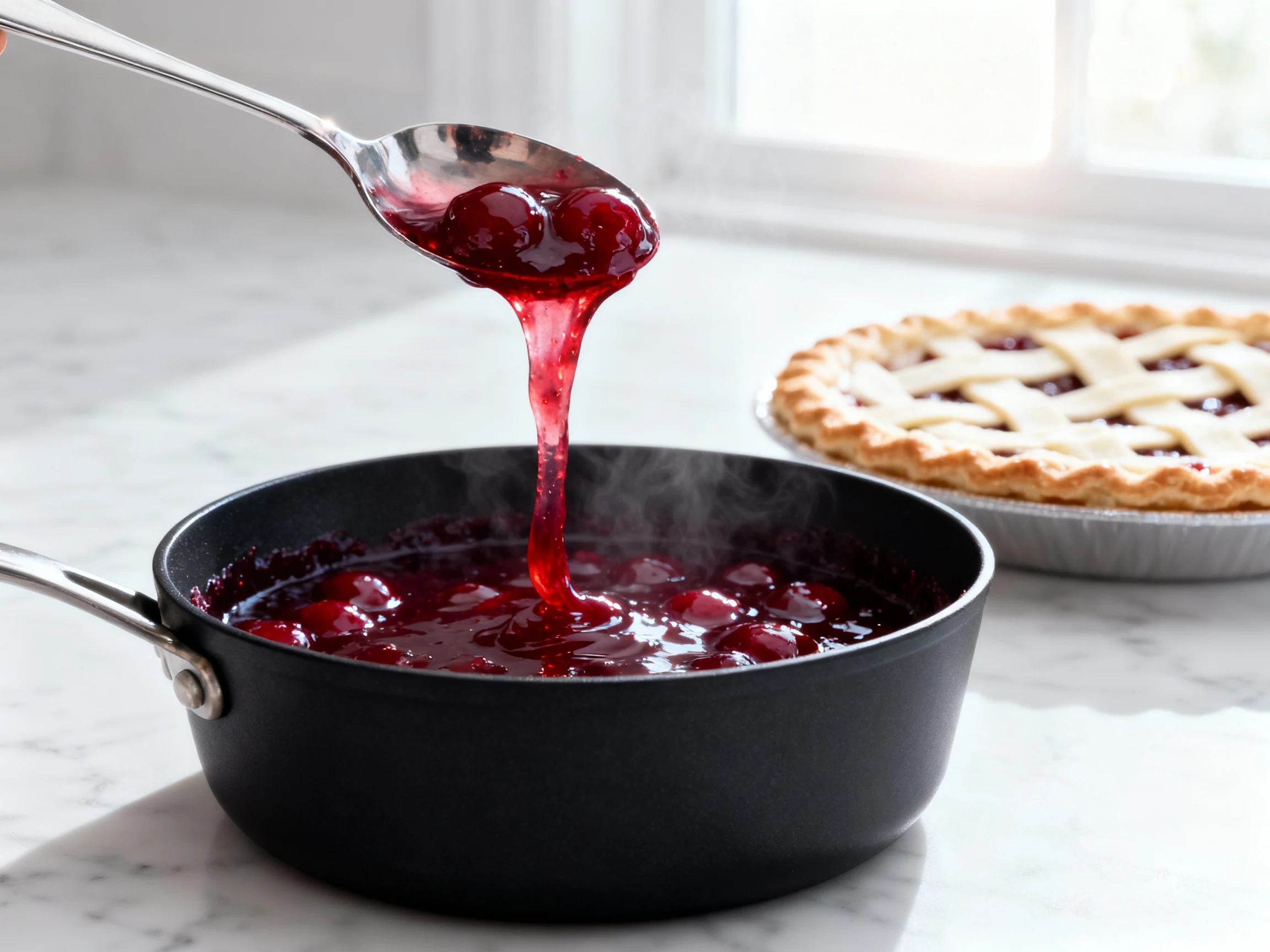
- Thicken. Stir the cornstarch slurry, then stream it into the simmering cherries while stirring. Keep the mixture moving to prevent clumps.
- Simmer, don’t boil hard. Cook 2–4 minutes until the liquid turns glossy and thick enough to coat a spoon. If it’s still loose, cook another minute.
- Finish the flavor. Remove from heat. Stir in vanilla, almond extract, and butter (if using). Taste and adjust lemon or sugar to your preference.
- Cool slightly. Let the filling stand 10–15 minutes. It continues to set as it cools. If it seems too thick, stir in a splash of water.
- Use it. Spoon into a baked tart shell, hand pies, bars, or over cheesecake. For a lattice pie, cool to room temp before filling so it doesn’t sog out the crust.
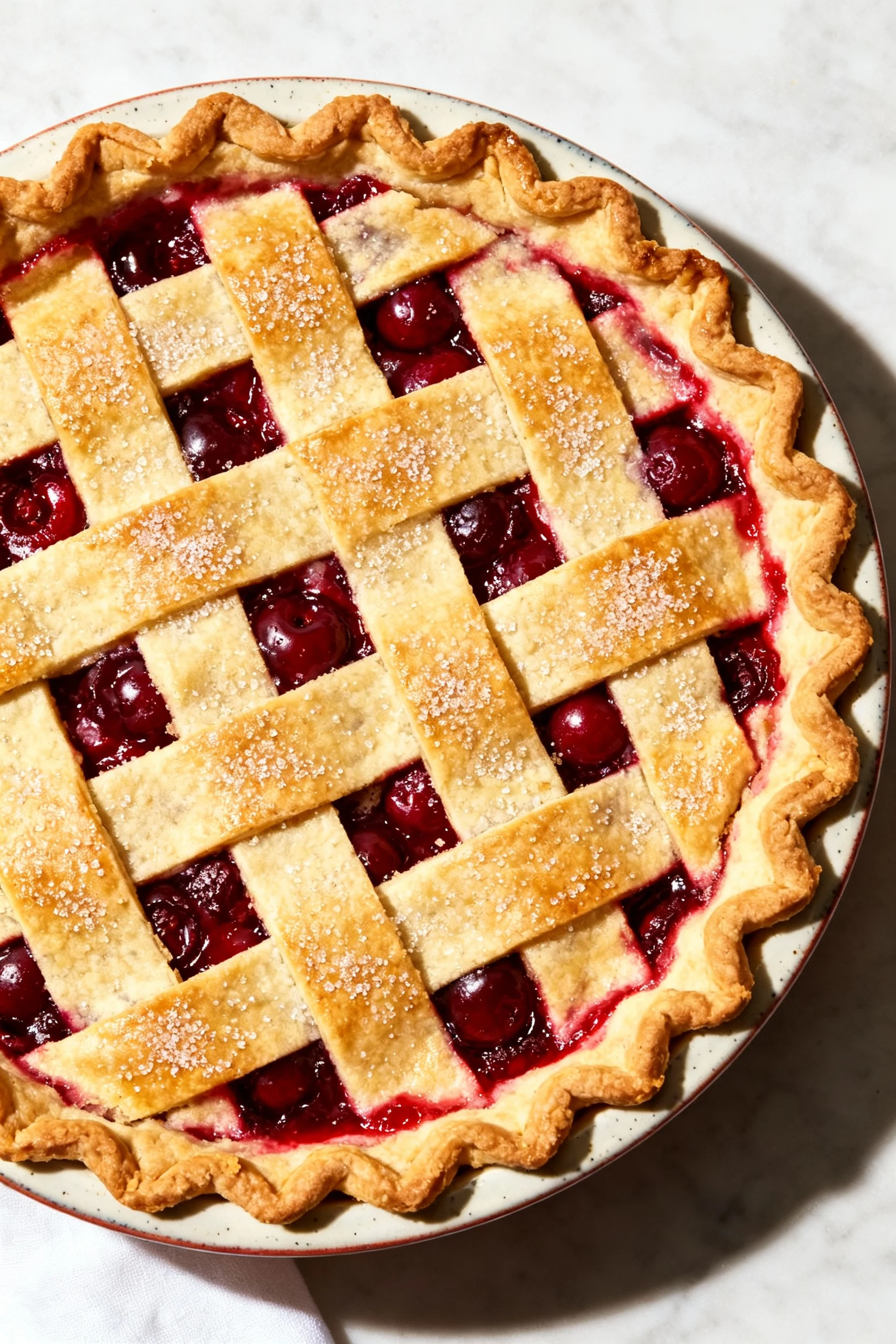
- To bake a full pie (FYI): Preheat to 400°F (200°C). Add cooled filling to your bottom crust, top with lattice or full crust (vented), and bake 45–55 minutes until the crust is golden and the filling bubbles.
- Let it rest. After baking a pie, cool at least 2 hours. Hot fruit filling is molten; patience equals clean slices.
Storage Tips
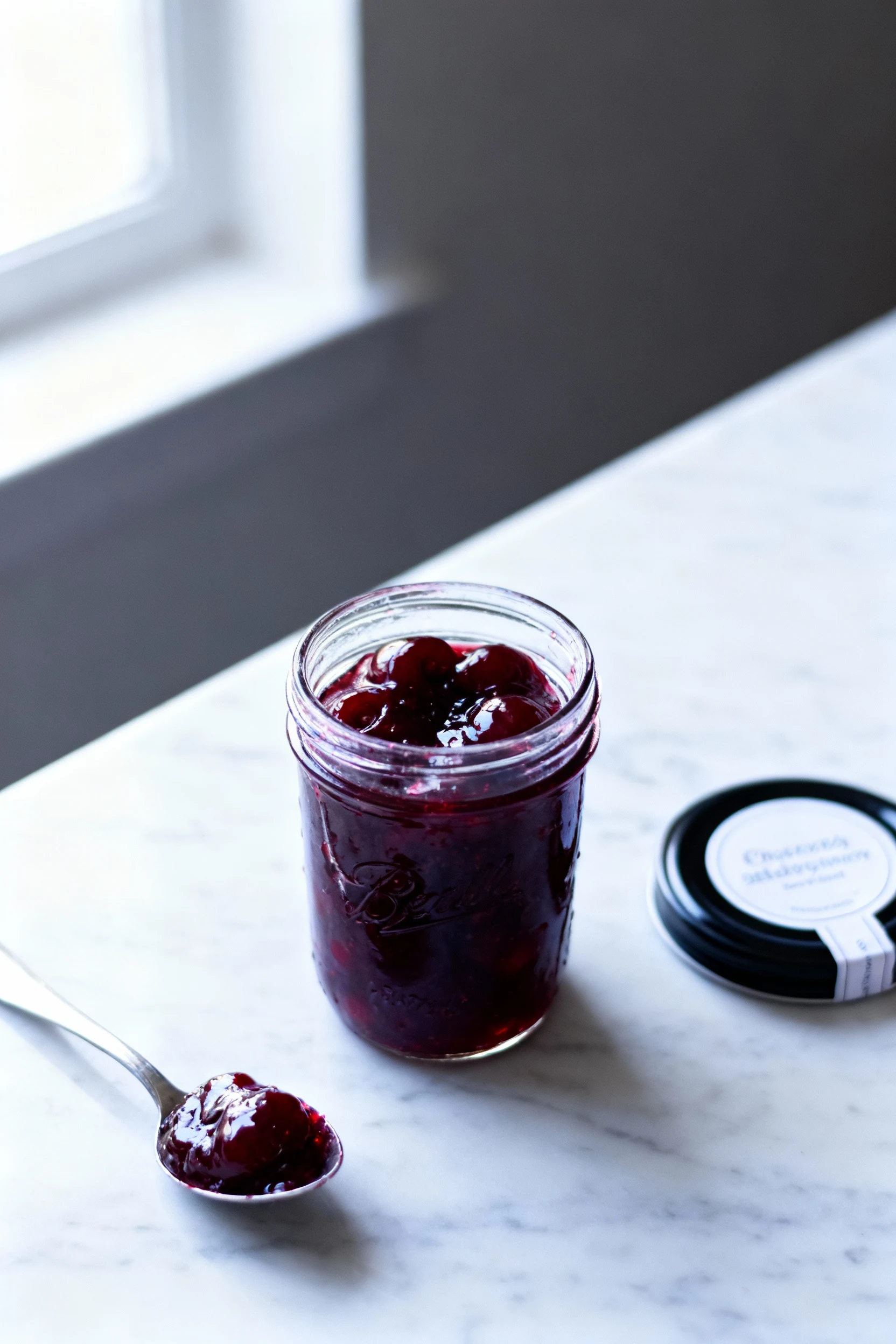
Refrigerator: Store in an airtight container up to 7 days. Press plastic wrap directly on the surface to prevent a skin.
Freezer: Cool completely, then freeze up to 3 months. Thaw in the fridge overnight and stir before using.
Reheat: Warm gently on low heat, stirring. If it thickens too much, loosen with a tablespoon of water.
Canning note (important): For shelf-stable jars, use a tested recipe with ClearJel (not cornstarch). Cornstarch isn’t canning-safe; it can impair heat penetration and texture.
Health Benefits
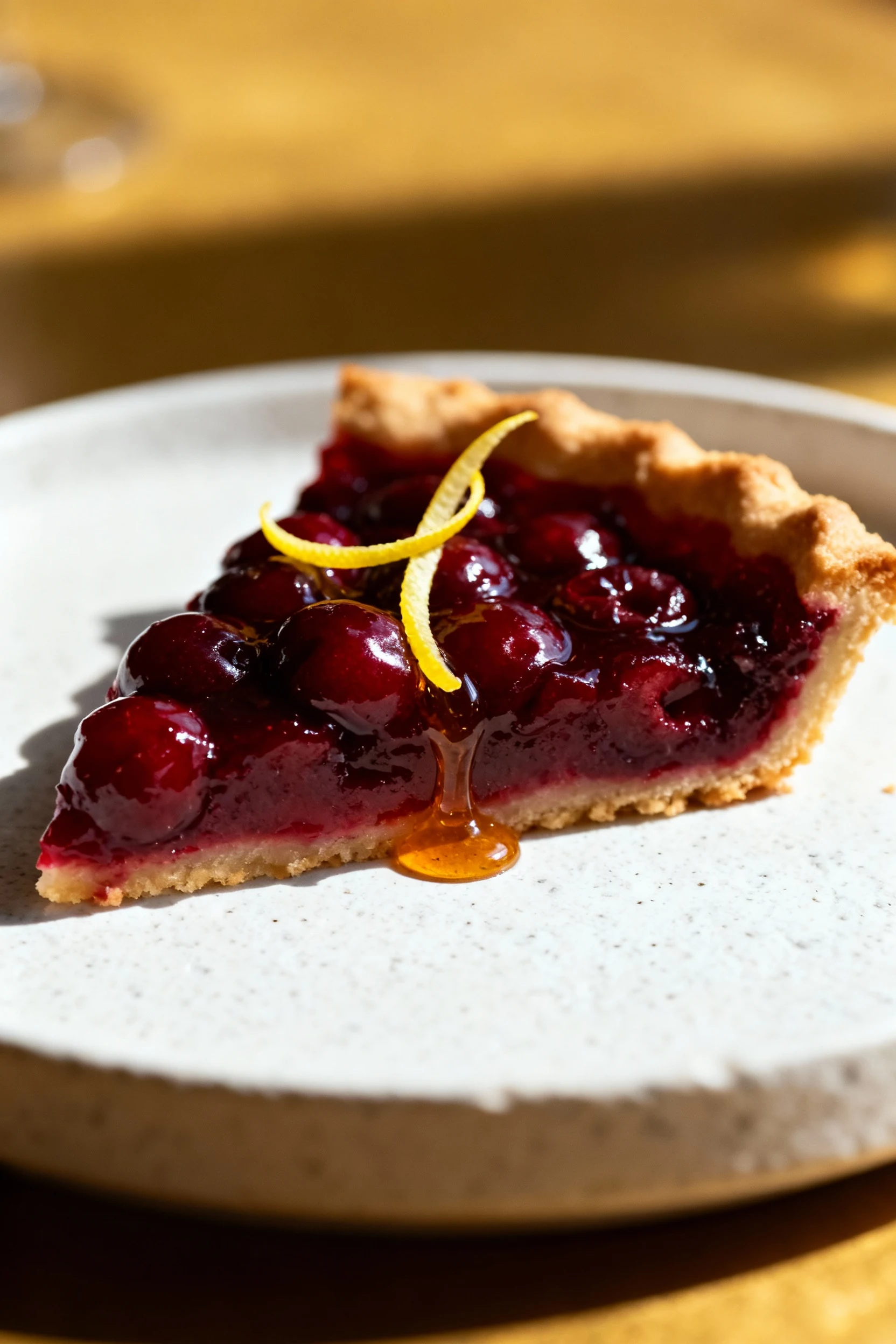
Antioxidants: Cherries bring anthocyanins—the pigments behind that deep red—that support overall wellness. Think vibrant color with benefits, not just looks.
Fiber: Whole cherries add fiber, which helps with satiety and digestive health. Sweet treat, smarter macros.
Lower sugar options: Use less sugar or swap part with maple syrup or honey. IMO, balancing tart and sweet beats cloying syrup any day.
Real fruit, simple ingredients: You control the additives—no dyes or mystery thickeners. That’s an easy win.
Pitfalls to Watch Out For
- Runny filling: You didn’t cook the cornstarch long enough or added too little. Solution: Simmer 1–2 more minutes or add 1 teaspoon more slurry.
- Gummy texture: Over-thickening or high-heat boiling can get pasty. Solution: Keep it at a gentle simmer and measure cornstarch accurately.
- Lumps in the sauce: Cornstarch went straight into hot liquid. Solution: Always whisk a cold slurry first, then stir it in.
- Too sweet or flat: Skip the lemon and you lose brightness. Solution: Add 1–2 teaspoons more lemon juice and a pinch of salt.
- Soggy crust: Filling went into the shell piping hot. Solution: Cool the filling; bake until you see bubbling in the center.
- Cherry pits (ouch): Forgetting to pit is… aggressive. Solution: Use a pitter or halved chopstick trick; double-check for stragglers.
- Bland flavor: Skipping almond and vanilla removes the “bakery” note. Solution: Keep at least ¼ teaspoon almond extract.
Recipe Variations
- Classic bakery-style: Use sweet cherries, ½ cup sugar, 3 tablespoons cornstarch, and ½ teaspoon almond extract for a nostalgic finish.
- Sour cherry punch: Use sour cherries, ¾ cup sugar, 4 tablespoons cornstarch, and extra lemon. Tart, bright, and elite for pies.
- Low-sugar upgrade: Use ⅓ cup sugar and 2 tablespoons maple syrup. Add an extra tablespoon of cornstarch to keep the set.
- Chia-thickened (no cornstarch): Stir in 2–3 tablespoons chia seeds off heat and rest 20 minutes. Great for parfaits and bars; not ideal for traditional pies.
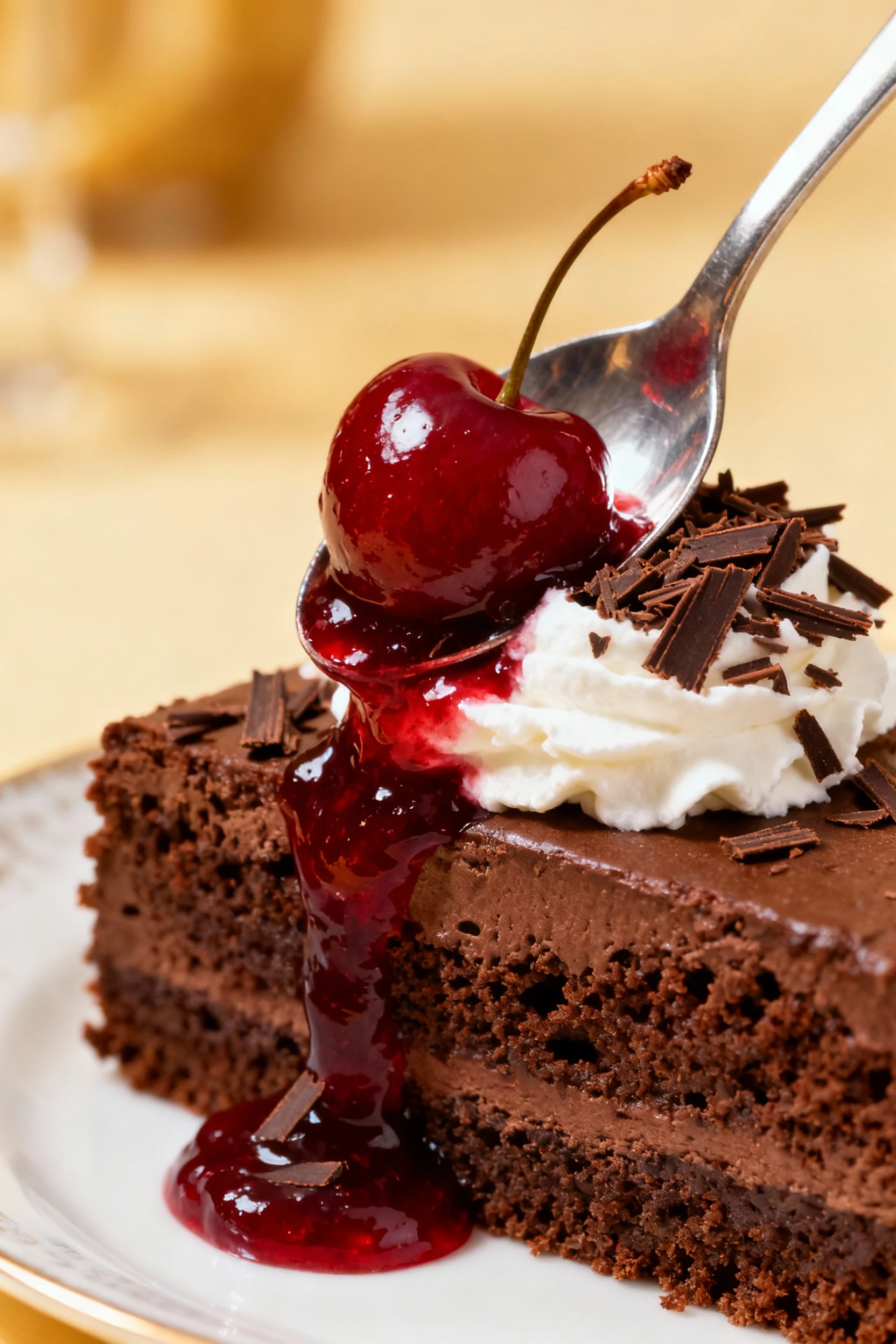
- Black Forest vibe: Add 1 tablespoon cocoa powder and 1 tablespoon kirsch. Rich, adult, and scandalously good with whipped cream.
- Spiced winter version: ¼ teaspoon cinnamon, pinch of clove, and a splash of orange juice. Cozy flavors for December dessert duty.
- ClearJel for canning: Swap cornstarch with 3 tablespoons ClearJel (cook method differs). Follow a tested water-bath recipe for safety.
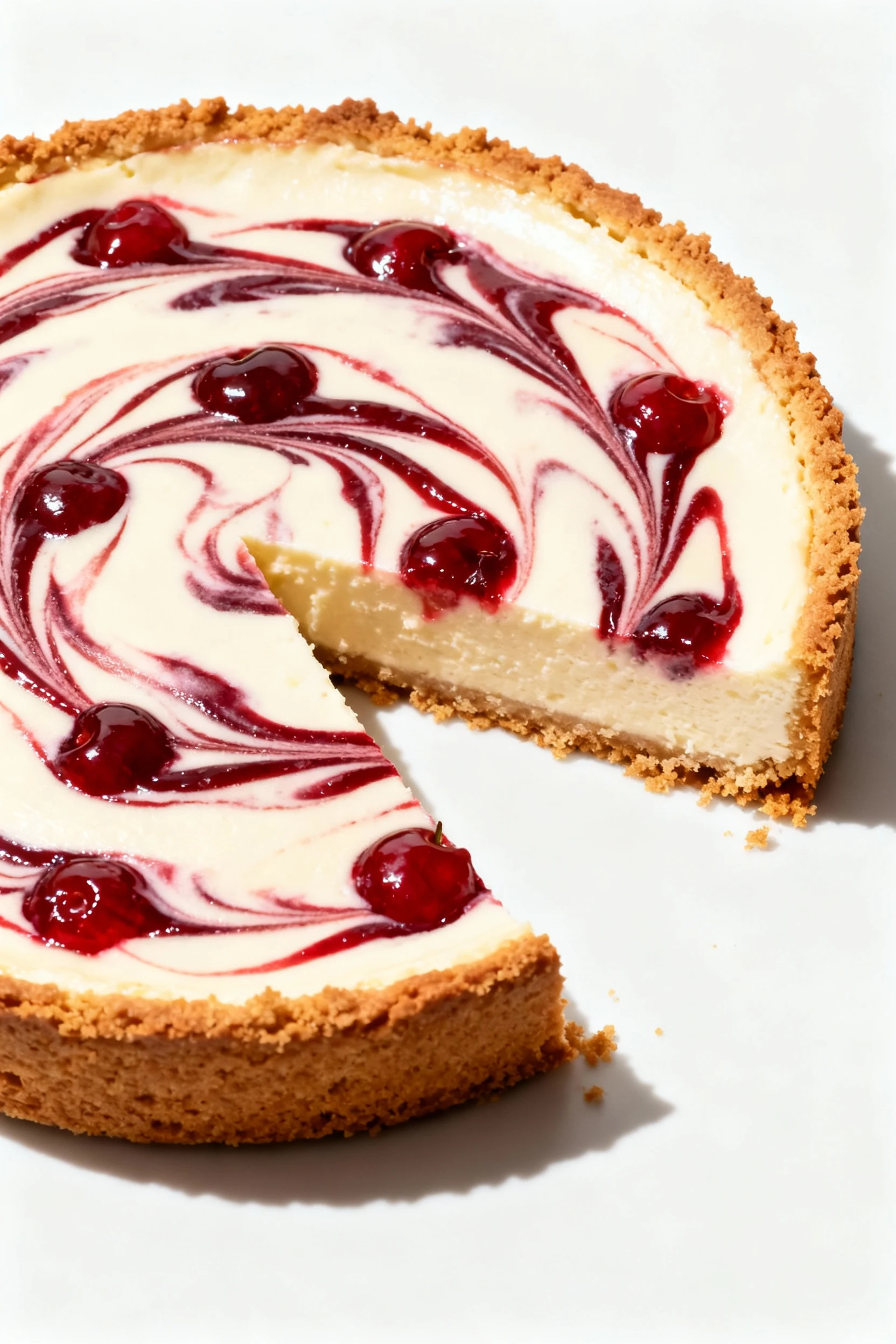
- Cheesecake swirl: Use 1½ cups of filling. Dollop over cheesecake batter and marble with a knife. TBH, it steals the show.
FAQ
Can I use frozen cherries?
Absolutely. Thaw them first and reserve the juices to use as your liquid in the slurry. Frozen cherries are usually juicier, so bump cornstarch to 4 tablespoons for a thicker set.
How do I fix runny filling after baking?
If the pie’s already baked, chill it fully; many fillings tighten up. For stovetop filling, return to heat and add a small slurry (1 teaspoon cornstarch whisked into 1 tablespoon cold water) and simmer 1–2 minutes.
Cornstarch vs tapioca vs ClearJel—what’s best?
Cornstarch is fast and gives a glossy finish. Tapioca (finely ground or “quick”) sets clear and freezes better. ClearJel is ideal for canning and commercial-level consistency. Match the thickener to your end use.
Do I need to blind bake the crust?
For custard or cream pies, yes. For fruit pies with top crusts, usually no. If your oven runs cool or your bottom crust gets soggy, blind bake 10–12 minutes with weights for insurance.
How much filling do I need for a 9-inch pie?
Plan on about 4 cups of filling for a standard 9-inch pie. This recipe yields roughly that amount, depending on how juicy your cherries are.
Can I reduce the sugar without ruining texture?
Yes. Reduce to ⅓–½ cup and increase cornstarch by 1 tablespoon to compensate for the thinner syrup. Taste and adjust lemon for brightness.
How do I prevent a soggy bottom?
Cool the filling before adding it to the crust, preheat the oven fully, bake on the lowest rack, and watch for visible bubbling in the center. A pizza stone or steel under the pie plate helps crisp the base.
What’s the easiest way to pit cherries?
A handheld cherry pitter is fastest. No pitter? Press a metal straw or a halved chopstick through the stem side to pop the pit out. Work over a bowl to catch juice.
Can I make this ahead?
Yes. Make the filling up to 3 days ahead, store in the fridge, and stir before using. For longer storage, freeze up to 3 months.
Is almond extract necessary?
Not mandatory, but it adds that classic bakery aroma. If you’re sensitive to almond, use extra vanilla or a splash of amaretto for a similar vibe.
The Bottom Line
This cherry filling delivers big flavor, fast timing, and reliable thickness—the trifecta of dessert dominance. You’ll ditch the canned stuff and keep a batch on standby for pies, bars, and cheesecakes. Keep the lemon bright, the slurry smooth, and the simmer gentle, and the result won’t just be good—it’ll be repeat-worthy. Dessert bragging rights: unlocked.
Printable Recipe Card
Want just the essential recipe details without scrolling through the article? Get our printable recipe card with just the ingredients and instructions.