The Best Meatloaf Recipes for Juicy Weeknight Wins
From classic diner-style loaf to maple-chipotle glaze, master a juicy base, fast prep, and foolproof slicing for busy nights.
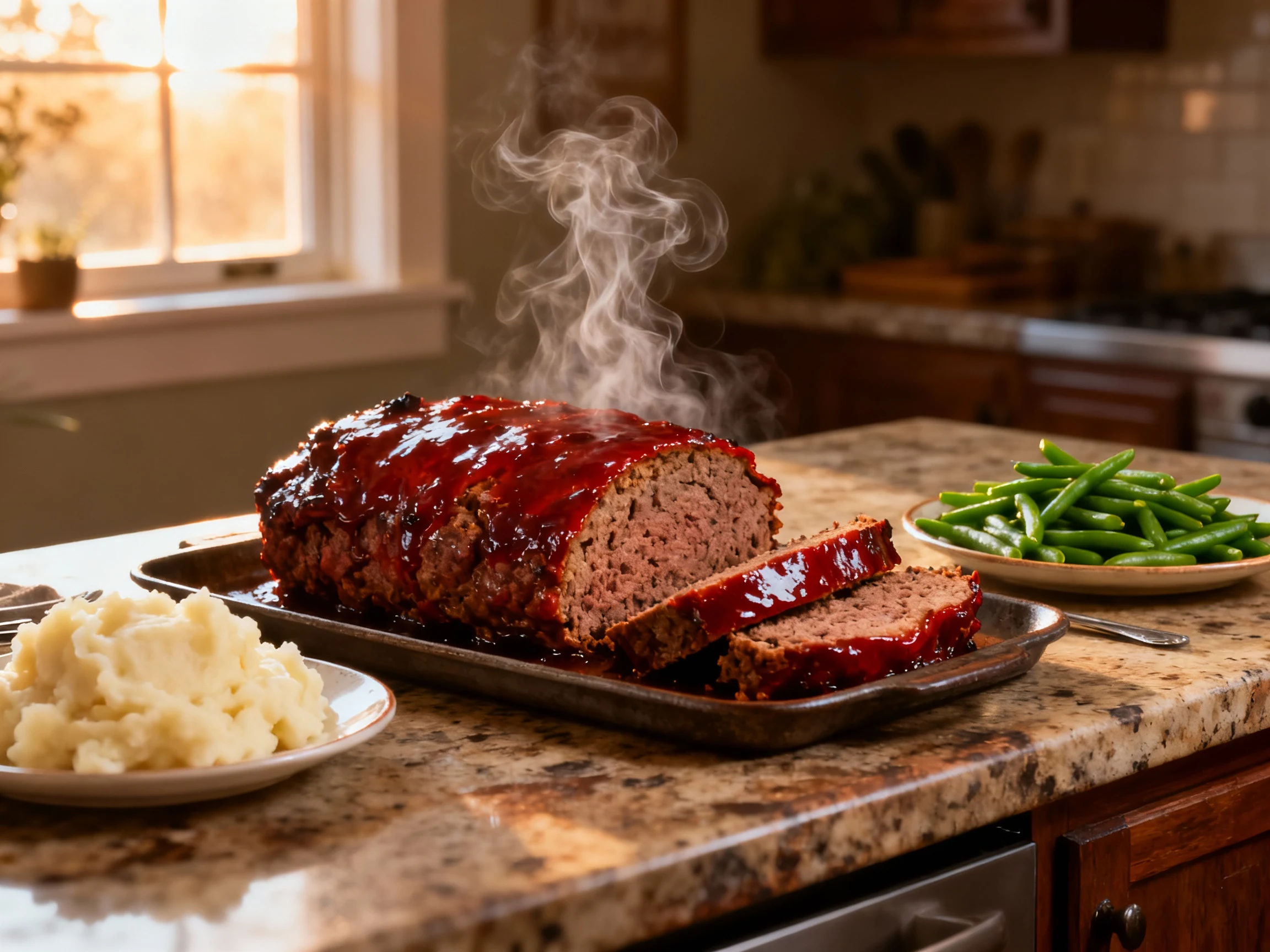
If your meatloaf has ever turned out dry, crumbly, or mysteriously bland, that ends today. There’s a simple framework that guarantees juicy slices, bold flavor, and a glossy glaze that doesn’t slide off like a bad comb-over. The best part? It uses pantry staples and 10 minutes of active work. Build the base once, then flip it into five different styles—from classic to spicy—without adding effort, only flavor.
Why You’ll Love This Recipe
You want dependable, crowd-pleasing comfort food that doesn’t hijack your schedule. This meatloaf nails that with mega-juicy texture, clean slices that hold together, and a balanced, tangy-sweet glaze that caramelizes instead of burning. It’s flexible, budget-friendly, and—FYI—great for meal prep because it reheats like a champ.
Use the master method and swap flavor profiles at will: classic ketchup glaze, maple-chipotle, balsamic-mushroom, or BBQ bacon. The formula stays steady, the vibe changes completely. You’ll look like you “did the most,” but really, you didn’t.
What You’ll Need (Ingredients)
- Ground meat (2 lb total) – Ideal: 80/20 beef or 1.5 lb beef + 0.5 lb pork for richness. Turkey works; see Alternatives.
- Breadcrumb panade – 1 cup panko or fresh breadcrumbs soaked in 2/3 cup milk. This locks in moisture.
- Eggs (2 large) – Binds the loaf without making it dense.
- Onion (1 medium), finely minced – About 1 cup. Sautéed for sweetness and less moisture.
- Garlic (3 cloves), minced
- Worcestershire sauce (2 tbsp) – Deep umami.
- Ketchup (1/4 cup) – For the base mix, not the glaze.
- Dijon mustard (1 tbsp) – Brightness and a little heat.
- Fresh parsley (1/4 cup), chopped – Optional, but adds freshness.
- Salt (2 tsp) and black pepper (1 tsp) – Adjust to taste.
- Olive oil (1 tbsp) – For the pan.
- Optional mix-ins – 1/3 cup grated Parmesan; 1/2 cup finely chopped mushrooms; 1/2 cup shredded carrot; 1 tsp dried thyme.
Glaze (Classic Tangy-Sweet)
- Ketchup (1/2 cup)
- Brown sugar (2 tbsp)
- Apple cider vinegar (1 tbsp)
- Smoked paprika (1 tsp) and a pinch of chili flakes (optional)
Alternative Glazes (choose one, same volume)
- Maple-Chipotle – 1/3 cup ketchup + 3 tbsp maple syrup + 1 tsp chipotle paste + 1 tsp apple cider vinegar.
- BBQ – 1/2 cup BBQ sauce + 1 tbsp brown sugar + 1 tsp mustard.
- Balsamic-Mushroom – 1/3 cup ketchup + 2 tbsp balsamic + 1 tbsp soy sauce + 1 tsp garlic powder.
The Method – Instructions
- Preheat the oven to 350°F (175°C). Line a sheet pan with foil and lightly oil it, or use a loaf pan lined with a parchment sling.
- Make the panade. Combine breadcrumbs and milk in a large bowl. Stir and let it soak for 5 minutes until paste-like.
- Sauté aromatics. Warm 1 tbsp oil in a skillet over medium heat. Cook onion with a pinch of salt for 5–7 minutes until translucent; add garlic for 30 seconds. Cool slightly.
- Flavor base. To the panade bowl, add eggs, Worcestershire, ketchup, Dijon, parsley, salt, pepper, and any optional dried herbs or Parmesan. Mix until smooth.
- Add meat. Crumble the ground meat over the mixture. Add the cooled onions/garlic. Gently fold with your hands or a fork until just combined. Do not overmix or you’ll get a tough loaf.
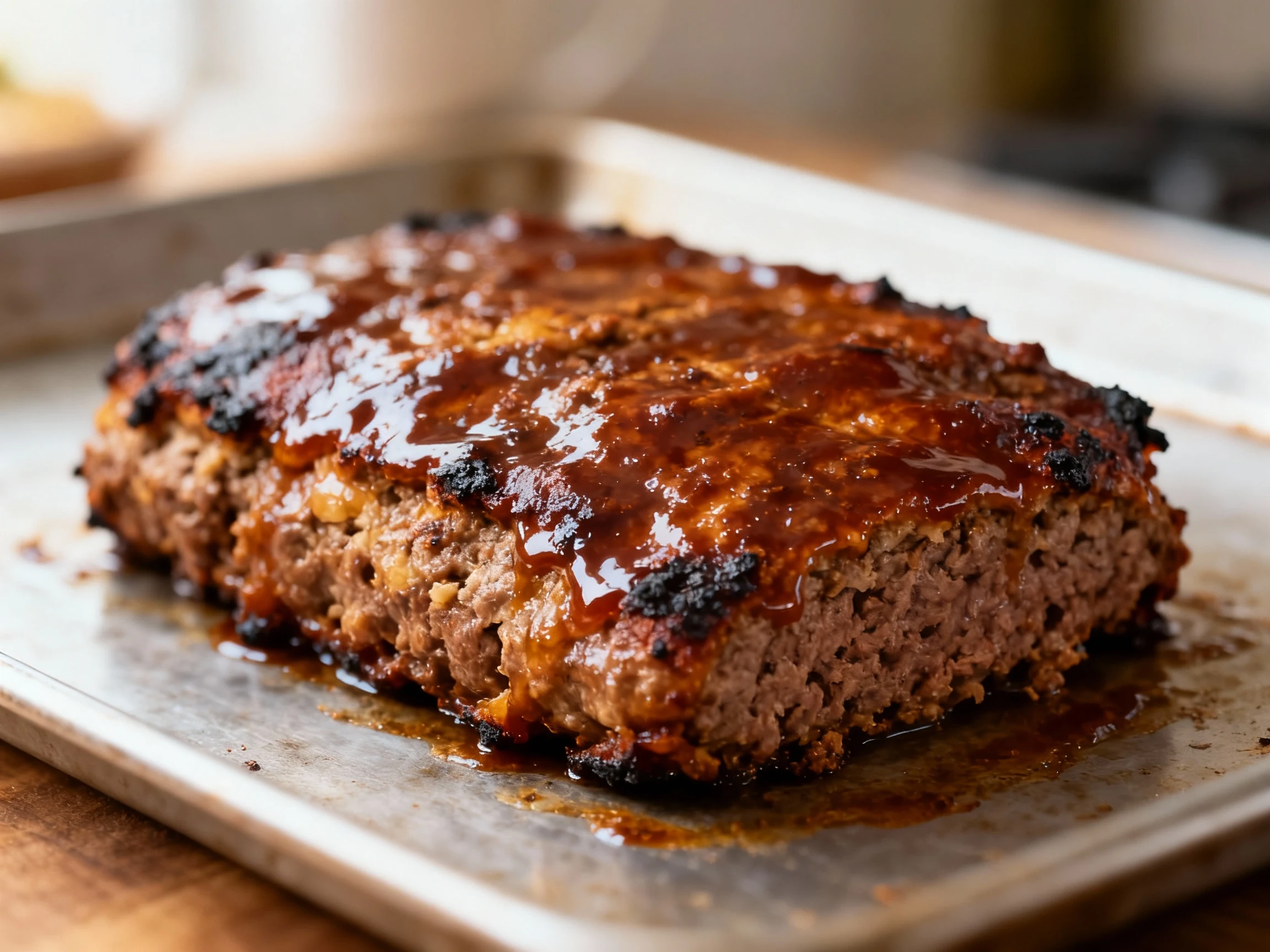
- Shape. Transfer mixture to the prepared sheet pan and form a tight, even loaf about 9×5 inches. Smoothing the surface helps slicing later. Freeform loaf = better browning and less steaming than a tall pan loaf.
- Whisk the glaze. Stir the glaze ingredients in a small bowl until glossy.
- Glaze, round one. Brush half the glaze all over the loaf.
- Bake. Cook for 45 minutes, then brush on the remaining glaze. Continue baking until the center hits 160°F (71°C), about 55–70 minutes total, depending on thickness.
- Optional broil. For a sticky top, broil on high for 1–2 minutes. Watch it like a hawk—sugar burns fast.
- Rest. Let the meatloaf sit for 10–15 minutes before slicing. This step is non-negotiable if you want clean slices.
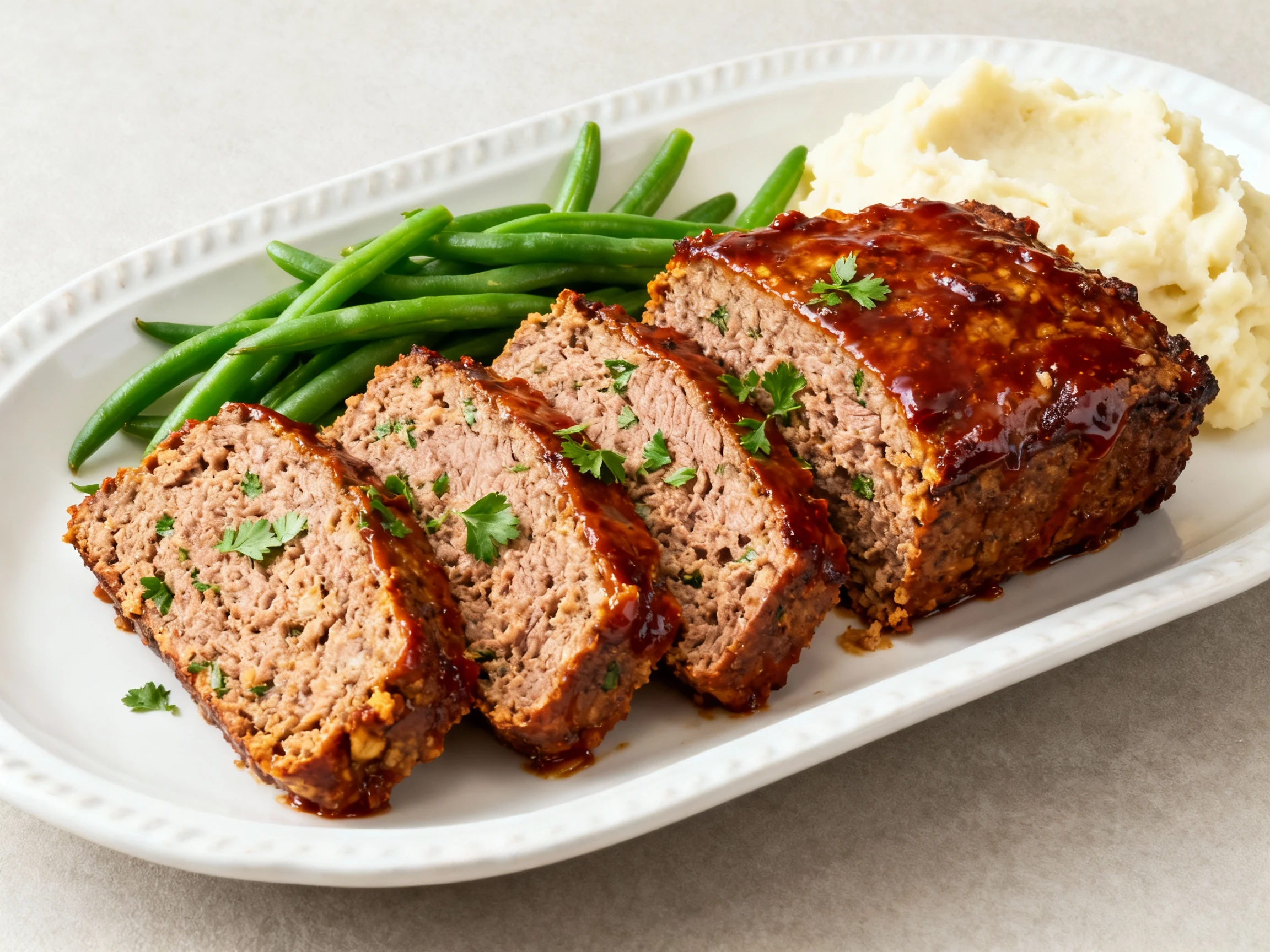
- Slice and serve. Use a sharp serrated knife. Wipe the blade between cuts for photo-worthy slices. Pair with mashed potatoes, green beans, or a tangy slaw.
Storage Instructions
Fridge: Cool completely, then store slices in an airtight container for up to 4 days. Put a small square of parchment between slices to prevent sticking. Reheat gently so the glaze doesn’t scorch.
Freezer: Wrap individual slices tightly in plastic, then foil, or vacuum seal. Freeze for up to 3 months. For a whole loaf, freeze unglazed; thaw, glaze, and bake to 160°F.
Reheating: Oven at 300°F for 12–15 minutes (covered) keeps moisture. Microwave at 60–70% power in 30–45 second bursts. Air fryer at 300°F for 6–8 minutes for edges with a little crisp.
What’s Great About This
- Moisture insurance. The panade + 80/20 meat = juicy, not greasy.
- Flavor-forward. Worcestershire, Dijon, and aromatics build savory depth fast.
- Glaze that behaves. Balanced acidity and sweetness so it caramelizes, not burns.
- Meal prep gold. Slices hold together, reheat beautifully, and work in sandwiches.
- Flexible framework. Keep the ratios, swap the vibes—classic, BBQ, maple-chipotle, you name it.
Pitfalls to Watch Out For
- Overmixing. It tightens proteins and makes the loaf bouncy (no thanks). Fold gently until just combined.
- Too-lean meat. 93% lean dries out. If using lean turkey, add 1–2 tbsp oil and don’t skip the panade.
- Skipping the sauté. Raw onions throw off water and create soggy pockets. Cook them down first.
- Wrong pan choice. Deep loaf pans steam. A freeform loaf on a sheet pan browns better and cooks more evenly.
- Undersalting. Two teaspoons of kosher salt for 2 lb meat is a solid baseline; adjust to taste.
- Not resting. Slice too soon and juices run everywhere. Rest 10–15 minutes. Yes, it’s worth it.
- Glaze overload early. Sugar can burn. Split the glaze: half at the start, half mid-bake.
- Guessing doneness. Use a thermometer. 160°F in the center is your bullseye.
Alternatives
- Meat blends: 1.5 lb beef + 0.5 lb pork = rich and classic. For lighter flavor, try 1 lb beef + 1 lb turkey. All-turkey? Add 1 tbsp oil and 1/4 cup extra milk to the panade.
- Gluten-free: Use certified GF oats or GF breadcrumbs for the panade. Keep the ratios identical.
- Dairy-free: Swap milk with unsweetened almond milk or beef broth. Works perfectly.
- Low-carb: Use crushed pork rinds (1 cup) + 1/2 cup unsweetened almond milk for the panade. IMO, still juicy.
- Herb & spice profiles: Italian (oregano, basil, Parmesan), Tex-Mex (cumin, chili powder, pepper jack), Mediterranean (oregano, lemon zest, feta inside).
- Texture boosters: Finely chop mushrooms and sauté until browned to add umami and moisture, especially with lean meats.
- Cooking methods: Smoker at 250–275°F until 160°F for a subtle smoke ring; finish with glaze. Air fryer: shape smaller loaf, cook at 325°F 35–45 minutes, glaze halfway.
- Mini meatloaves: Form six 6–7 oz ovals. Bake 20–25 minutes total; glaze at 15 minutes. Faster, more crust—no complaints.
FAQ
How do I keep meatloaf from falling apart?
Use a proper binder trio: panade (breadcrumbs + milk), eggs, and enough fat in the meat. Measure salt so proteins bind but don’t tighten too much. Shape firmly, not aggressively, and rest after baking to set the structure before slicing.
What internal temperature should meatloaf reach?
Pull it at 160°F (71°C) in the center. That’s safe for ground beef and mixed meats. Use an instant-read thermometer so you don’t guess. If you glazed it, take the temp from the side to avoid hitting a sugary crust.
Can I make meatloaf without eggs?
Yes. Replace each egg with 2 tablespoons of mayo or 2 tablespoons of plain Greek yogurt (dairy-free alternatives work). The panade still carries most of the binding load. The texture stays tender, not crumbly.
Is a loaf pan or a sheet pan better?
A freeform loaf on a sheet pan wins. It browns evenly, sheds excess fat, and avoids the steamed texture of deep pans. If you use a loaf pan, line it with a parchment sling and pour off fat halfway through.
What meat-to-fat ratio is best?
80/20 beef is the sweet spot for moisture and flavor. Blend in 20–30% pork for extra richness. Using lean turkey? Add oil, mushrooms, and don’t skip the panade to avoid dryness.
Can I prep this the day before?
Absolutely. Mix and shape the loaf, wrap tightly, and chill up to 24 hours. Brush on glaze just before baking. TBH, a short chill can improve slicing and flavor meld.
Why sauté the onions first?
Raw onions release water and can create pockets that break slices. Sautéing concentrates sweetness, drives off moisture, and infuses the base with consistent flavor. It’s five minutes that upgrades the whole loaf.
Can I use oatmeal or panko instead of breadcrumbs?
Yes. Quick oats or panko both work at the same volume as breadcrumbs. Panko gives a slightly lighter bite; oats feel heartier. Just keep the liquid amount the same so the panade stays creamy, not soupy.
How do I avoid a greasy bottom?
Use a sheet pan and shape a freeform loaf on top of a rack or a bed of thick-cut onion rings. The fat renders and drips away instead of pooling. Also, don’t use meat that’s fattier than 80/20 unless you balance it with lean meat.
What sides go best with meatloaf?
Classic picks: creamy mashed potatoes, buttered green beans, and a crisp salad. For brightness, add pickled cucumbers or a lemony slaw. If you’re going BBQ glaze, cornbread and roasted corn are a power couple.
How can I tell if I overmixed?
The mixture feels sticky and tight, not soft and slightly loose. After baking, slices look dense and springy. Next time, mix the seasonings into the panade first, then fold in meat gently with fingertips or a fork—less compression, more tenderness.
Can I stuff the meatloaf with cheese?
Sure. Press half the mixture into a base, lay down 4–6 oz sliced provolone or mozzarella, then cover with the rest and seal the edges. Bake as usual. Cheese adds fun factor, but keep it centered to avoid blowouts.
How long should I rest meatloaf before slicing?
Give it 10–15 minutes. The juices redistribute and the binders set, so slices stay neat. If you’re impatient, you’ll trade speed for mess—your call. Cover loosely with foil to keep it warm.
Can I double the recipe?
Yes, but form two loaves instead of one giant one for even cooking. Stagger them on a large sheet pan and rotate halfway through. Time stays close to the original; check temp at 55 minutes and adjust.
Wrapping Up
Lock in juiciness with a panade, build flavor with simple pantry boosts, and treat the glaze like a finishing move. That’s the whole playbook. From weeknight dinners to casual Sunday spreads, this method cranks out reliably tender slices and gives you room to riff with new glazes and blends. Cook it once, master it forever—then make it your signature. FYI, leftovers make outrageous sandwiches tomorrow.
Printable Recipe Card
Want just the essential recipe details without scrolling through the article? Get our printable recipe card with just the ingredients and instructions.