Healthy Salmon Recipes That Taste Restaurant Quality
Weeknight-friendly, dietitian-backed ideas with bold flavor, minimal dishes, and 20-minute cook times—perfect for busy cooks and meal prep.
If you think “healthy” means bland fish and sad vegetables, you’ve been lied to. You can get golden edges, a buttery center, and big sauce energy without blowing your calories or your evening. The trick isn’t complicated—just the right heat, smart seasoning, and one pan that does the heavy lifting. I’ll show you a master formula plus flavor paths so you never get bored. Spoiler: friends will ask for the recipe, and you won’t hate the dishes situation.
Why You’ll Love This Recipe
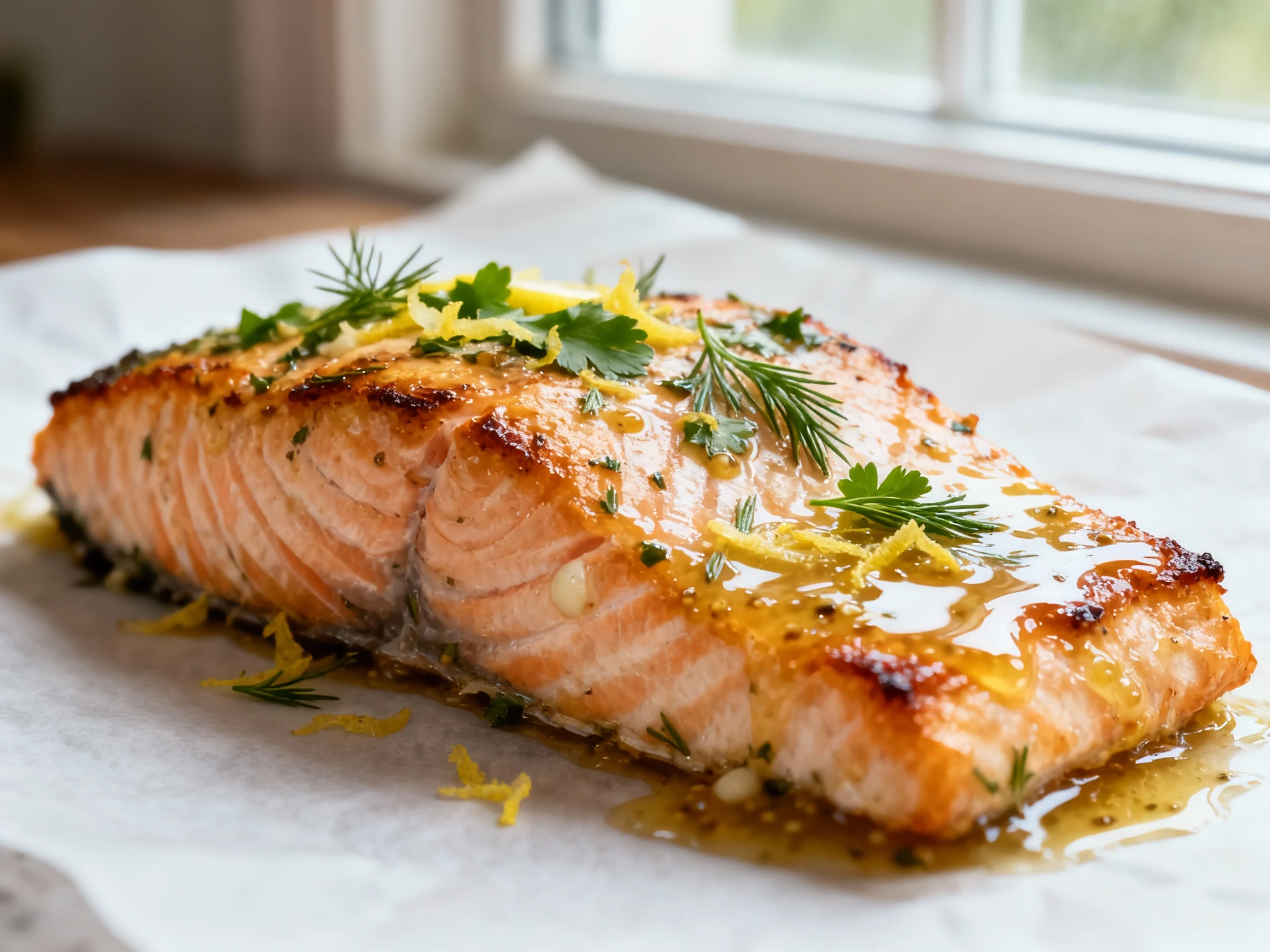
It’s a master method, not a single dish. One smart technique turns into multiple flavor profiles with the same base steps. You’ll cook faster, cleaner, and with fewer decisions.
Restaurant texture at home. High heat gives you crisp edges while keeping the center juicy. No more chalky salmon tragedies.
Weeknight fast. From fridge to plate in about 20 minutes, including sauce. That’s faster than waiting for delivery, FYI.
Nutritious without trying. Protein, omega-3s, and real-food ingredients. You get flavor and longevity points in one bite.
Ingredients Breakdown
Base (serves 4):
- 4 salmon fillets (5–6 oz each), skin-on if possible
- 2 tbsp extra-virgin olive oil
- 1 tsp kosher salt (or 3/4 tsp fine sea salt)
- 1/2 tsp black pepper
- 1 lemon (zest and wedges for serving)
- Optional veggies for sheet pan: 12 oz asparagus or broccoli florets, or a mix of bell peppers and red onion
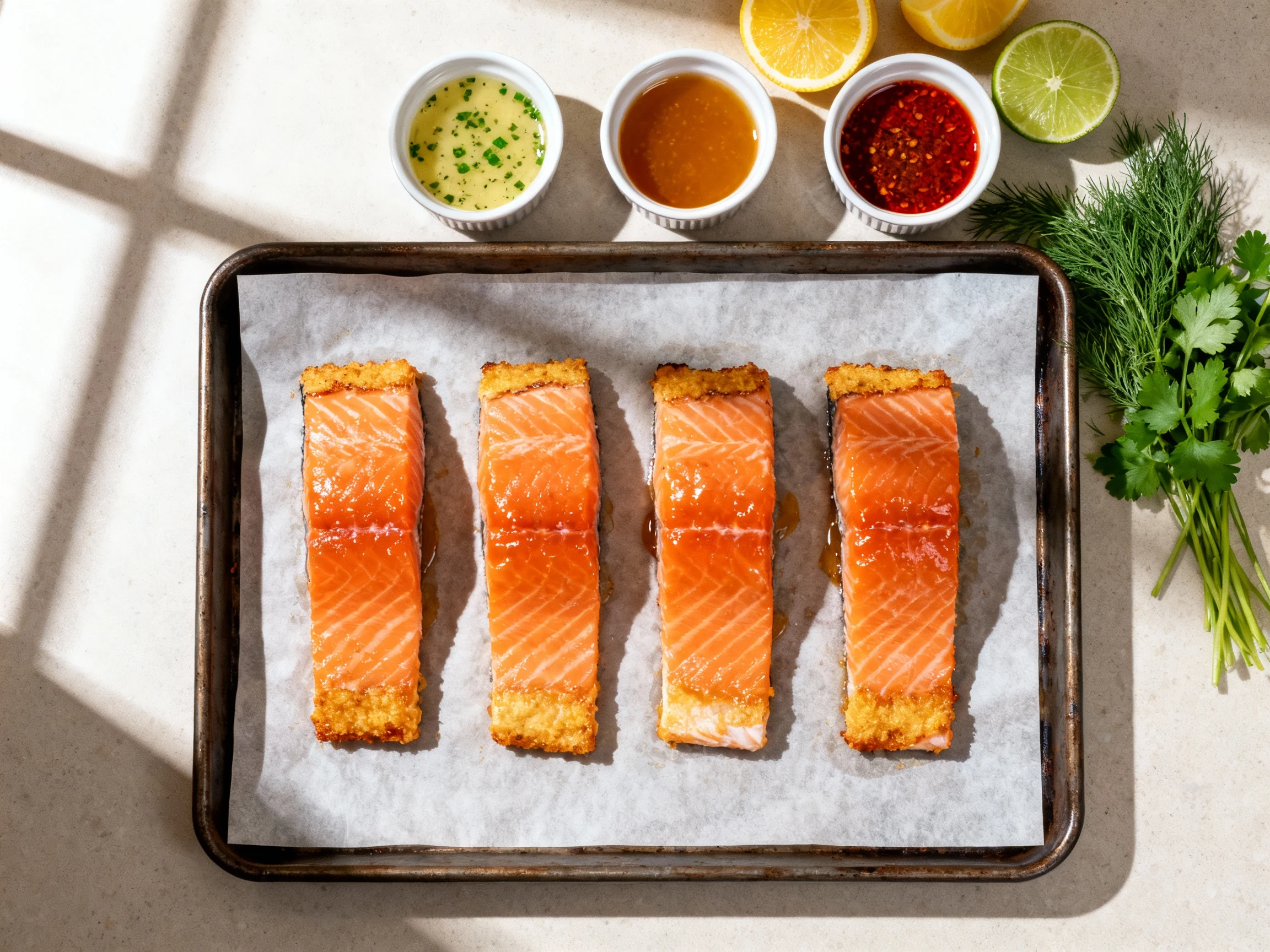
Flavor Path A: Lemon-Herb (bright and classic)
- 1 tbsp Dijon mustard
- 2 cloves garlic, grated
- 1 tbsp chopped fresh dill
- 2 tbsp chopped fresh parsley
- Zest of 1 lemon + 1 tbsp lemon juice
- 1 tsp honey (optional)
- 1 tbsp olive oil (in addition to base)
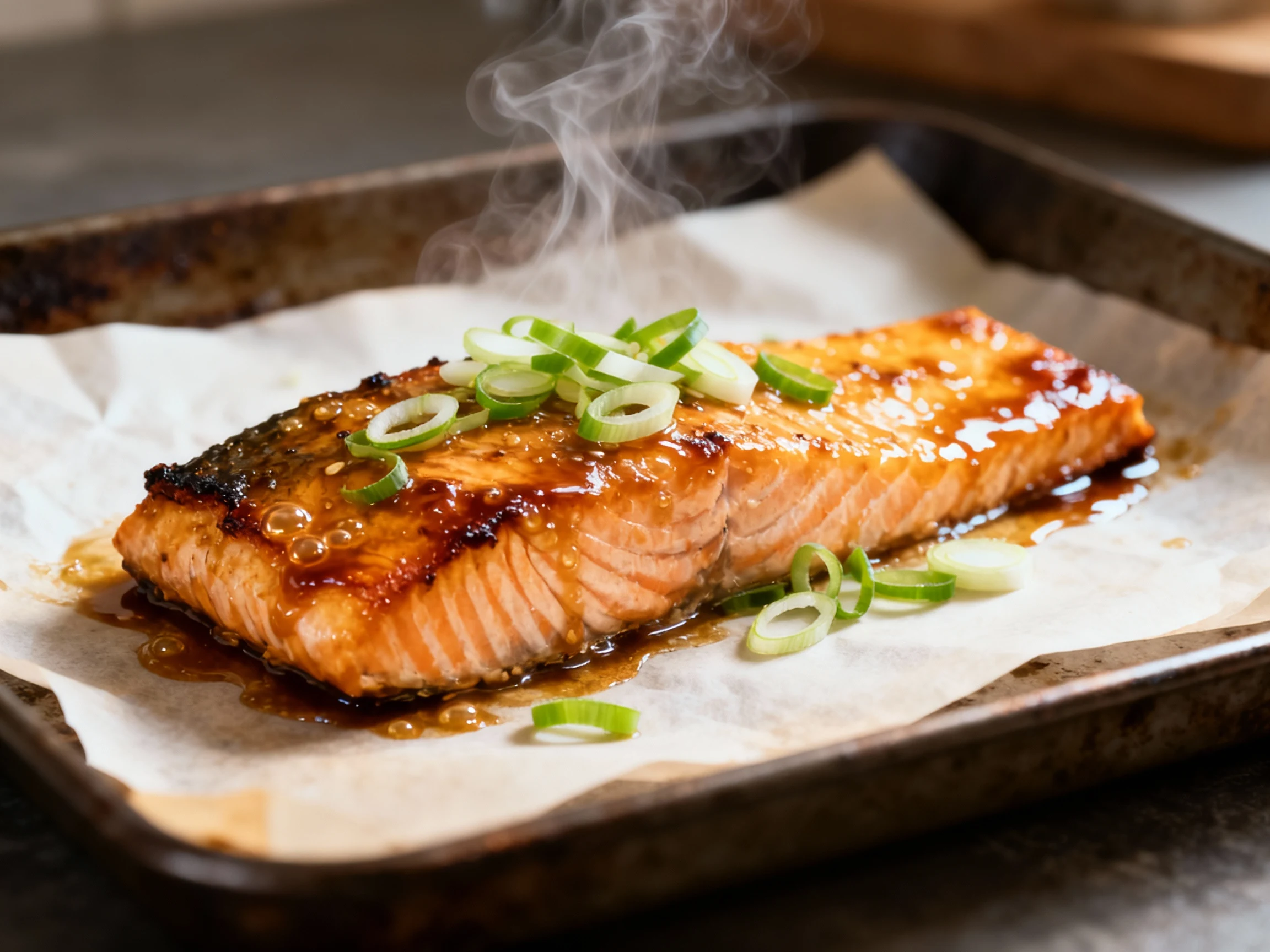
Flavor Path B: Miso-Ginger (umami-forward)
- 1 1/2 tbsp white miso paste
- 1 tbsp low-sodium tamari or soy sauce
- 1 tsp toasted sesame oil
- 1 tbsp rice vinegar
- 1 tsp maple syrup
- 1 tbsp grated fresh ginger
- 2 scallions, thinly sliced (for garnish)
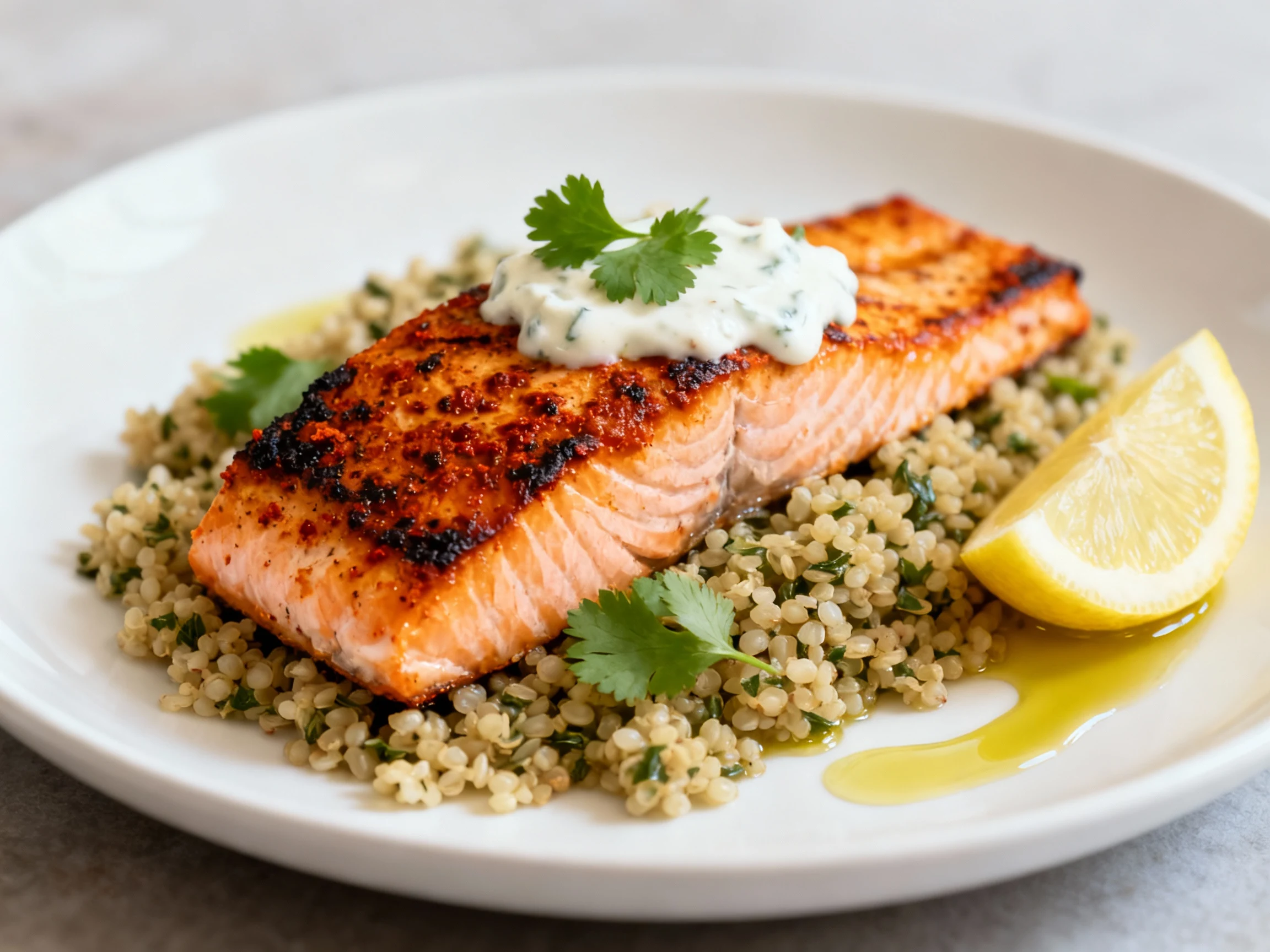
Flavor Path C: Chili-Lime (smoky, meal-prep hero)
- 1 tsp chili powder
- 1/2 tsp ground cumin
- 1/2 tsp smoked paprika
- Zest of 1 lime + 1 tbsp lime juice
- 1 tbsp olive oil (in addition to base)
- Plain Greek yogurt + extra lime juice + pinch of salt (quick crema, optional)
Optional add-ons for bowls or plating:
- Cooked brown rice or quinoa, or cauliflower rice
- Avocado slices
- Shredded cabbage or pre-made slaw mix
- Fresh herbs (cilantro, parsley) and extra lemon/lime wedges
Instructions
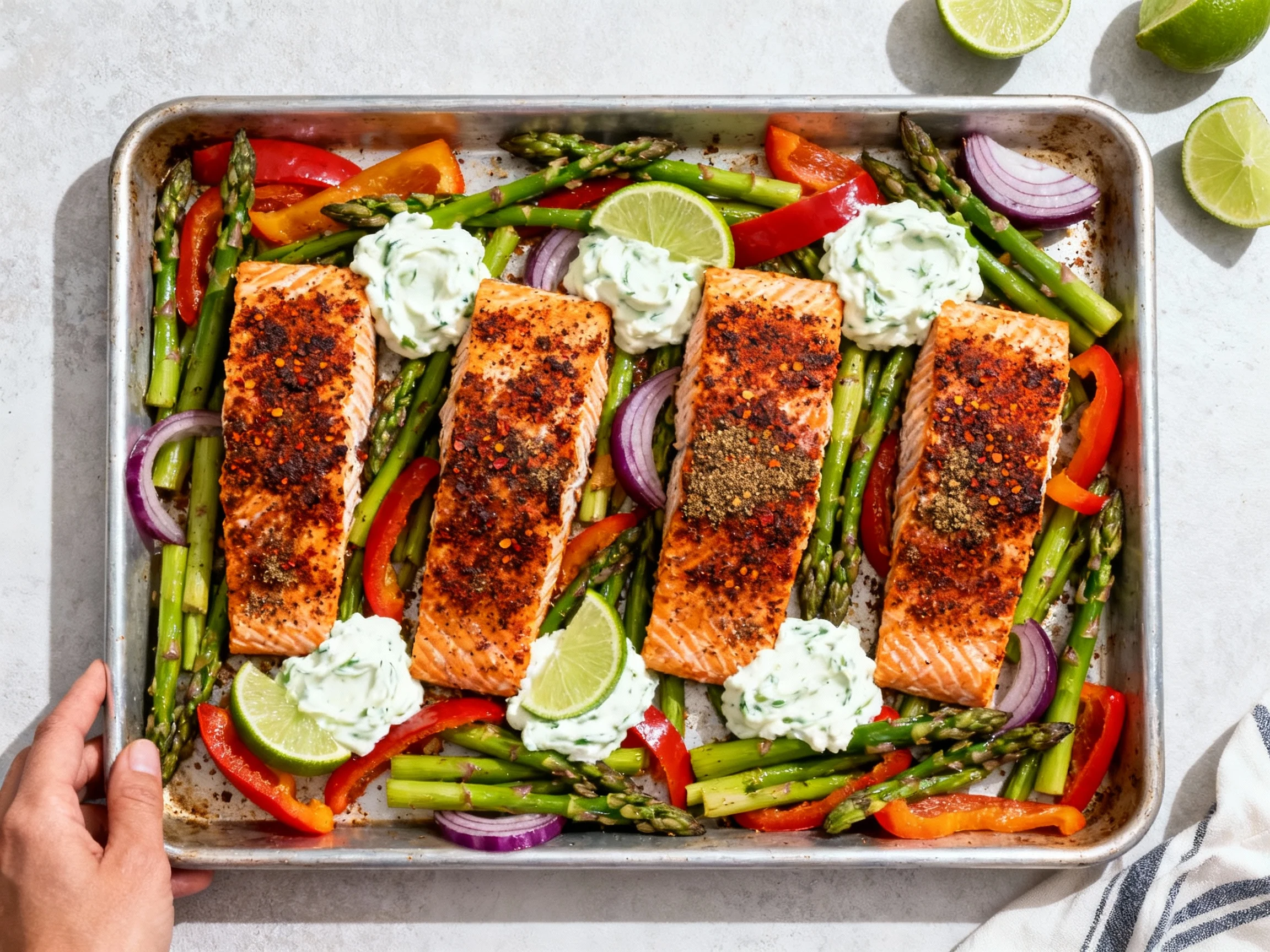
- Preheat smart: Set the oven to 425°F (220°C). Line a sheet pan with parchment for easy cleanup. If you’re using veggies, spread them on the pan, drizzle with 1 tbsp oil, and season with salt and pepper.
- Pat the salmon dry: Moisture is the enemy of crispy. Pat fillets with paper towels. Brush with 1 tbsp olive oil. Season with salt and pepper.
- Choose your flavor path and mix the sauce:
- Lemon-Herb: Stir Dijon, garlic, dill, parsley, lemon zest/juice, 1 tbsp oil, and honey.
- Miso-Ginger: Whisk miso, tamari, sesame oil, rice vinegar, maple syrup, and ginger until smooth.
- Chili-Lime: Mix chili powder, cumin, smoked paprika, lime zest/juice, and 1 tbsp oil.
- Coat the salmon: Spoon the chosen sauce over the top of each fillet. For miso-ginger, coat just the top to avoid burning on the pan. For lemon-herb and chili-lime, you can toss some sauce with the veggies too.
- Roast: Place salmon skin-side down on the pan. Roast for 10–12 minutes, depending on thickness. Veggies should be tender-crisp; give them a toss halfway if you like.
- Finish with heat (optional but clutch): For extra color, broil for 1–2 minutes. Watch closely—sugar in sauces goes from bronzed to burnt real fast.
- Check doneness: Aim for an internal temp of 125–130°F for medium (juicy center). Or flake gently with a fork; it should separate but stay glossy in the middle.
- Plate and garnish: Squeeze lemon over the lemon-herb, scatter scallions on miso-ginger, and add a dollop of quick lime yogurt on chili-lime. Serve with grains, slaw, or simple greens.
Preservation Guide
- Fridge: Cool completely, then store in airtight containers for up to 3 days. Keep sauces on the side if possible.
- Freezer: Freeze cooked salmon in portions for up to 2 months. Wrap tightly to prevent freezer burn. Lemon-herb freezes best; miso-ginger is okay; chili-lime stays solid with sauce added after reheating.
- Reheat: Warm gently at 275°F for 10–12 minutes or in a covered skillet over low heat with a splash of water. Avoid nuking on high—rubber salmon is a crime.
- Meal prep tip: Keep carbs/veg separate. Add fresh acids (lemon/lime) after reheating to revive the flavor.
Why This is Good for You
Omega-3 powerhouse: Salmon brings EPA and DHA that support heart, brain, and joint health. Your body loves these fats; your taste buds won’t complain either.
High-quality protein: About 30–35g protein per 6 oz fillet helps satiety, muscle repair, and steady energy. Pair with fiber-rich sides and you’ve got a balanced plate.
Micronutrients that matter: Salmon delivers vitamin D, B12, selenium, and potassium. Herbs, citrus, and spices stack antioxidants without extra calories.
Smart calories: Most of the fat is unsaturated. Sauces here rely on acid, aromatics, and umami—not cups of sugar or butter. TBH, this is how “clean eating” should taste.
Avoid These Mistakes
- Overcooking: Pull at 125–130°F. It continues to cook off-heat. Dry salmon is not the hill to die on.
- Skipping the pat-dry: Surface moisture blocks browning. Two paper towels = huge payoff.
- Too much sauce underneath: Sauces with any sugar can burn on the pan. Keep most on top.
- Cold fish into hot oven: Let fillets sit at room temp for 10–15 minutes so they cook evenly.
- Bland veggies: Season and oil your sides. Unseasoned broccoli next to perfect salmon is a plot twist nobody asked for.
- Wrong pan: Thin, dark pans scorch. Use a heavy sheet pan or a preheated cast-iron skillet for even heat.
Variations You Can Try
- Pesto-Almond Crust: Mix 2 tbsp pesto with 2 tbsp finely chopped almonds. Spread on top and bake as directed. Crunchy, herby, fast.
- Harissa Yogurt: Combine 2 tbsp plain Greek yogurt with 1 tsp harissa, 1 tsp lemon juice, pinch of salt. Slather on top; broil 1 minute to blush the crust.
- Teriyaki-Lite: Stir 1 tbsp tamari, 1 tsp mirin, 1 tsp rice vinegar, 1 tsp honey, 1/2 tsp grated ginger. Brush on at the end of roasting to avoid burning.
- Cajun Citrus: Rub with 1 tsp Cajun seasoning + orange zest. Serve with orange wedges and cilantro.
- Air Fryer Method: 390°F for 7–9 minutes, sauce on top, no flipping. Great for 1–2 fillets.
- Grill Option: Preheat to medium-high, oil grates, grill skin-side down 6–8 minutes. Flip 1–2 minutes to kiss the top. Brush glaze at the end.
- Sheet-Pan Supper: Add asparagus, sliced peppers, and red onion tossed with olive oil and salt. Everything roasts together for fewer dishes, IMO the best workflow.
- Taco Night: Use Chili-Lime, flake salmon, pile into warm tortillas with slaw, avocado, and the lime yogurt crema.
FAQ
Should I buy wild or farmed salmon?
Both can be great. Wild often has a leaner, more robust flavor, while responsibly farmed (like Atlantic or steelhead) tastes richer and stays moist. Choose high-quality sources you trust and look for firm, bright flesh without an off smell.
Skin-on or skinless—what’s better?
Skin-on protects the flesh from overcooking and helps retain moisture. It also releases natural fat that crisps up beautifully. If you prefer skinless, reduce cooking time by about a minute and use parchment so it doesn’t stick.
Can I use frozen salmon?
Yes. Thaw overnight in the fridge or under cold running water in sealed packaging. Pat very dry before seasoning. Frozen salmon is a budget-friendly hack and still delivers top-tier results when cooked properly.
How do I know when salmon is done without a thermometer?
Press the thickest part with a fork; it should flake into large, moist pieces and look slightly translucent in the center. The white albumin should be minimal, not oozing everywhere. When in doubt, pull early and rest a couple minutes.
What sides pair best?
Think contrast: bright acids and crunchy textures. Try lemony arugula salad, garlicky green beans, roasted sweet potatoes, herbed quinoa, or a quick cabbage slaw with citrus. The sauces here play nice with most veggies and grains.
Can I cook salmon from frozen?
You can, but expect a small texture trade-off. Roast at 425°F for 14–16 minutes, sauce added halfway so it doesn’t slide off. Season generously and finish with fresh lemon to perk it up.
Is there a low-sodium version?
Absolutely. Use no-salt seasoning blends, skip added soy in the miso path, and rely on lemon, lime, garlic, and herbs. Salt at the end to taste; acids make flavors pop even with less sodium.
What’s the best pan to prevent sticking?
A heavy, light-colored aluminum sheet pan lined with parchment works best for roasting. For stovetop or grill, preheat well and oil lightly. Clean, dry fish + hot surface = no sticking drama.
In Conclusion
You don’t need a chef or a dozen pans to make salmon that turns heads. Use one reliable method, swap sauces for variety, and finish with fresh acid for that high-low magic. It’s fast, it’s nourishing, and it tastes like you actually tried. Make one tonight, stash a couple portions for tomorrow, and let your future self send a thank-you note.
Printable Recipe Card
Want just the essential recipe details without scrolling through the article? Get our printable recipe card with just the ingredients and instructions.