Basmati Rice Recipes That Actually Wow on Weeknights
Fast, fragrant dinners with big flavor and zero fuss. From one-pot to party-ready, unlock fluffy grains and bold toppings.
You want dinner that smells like a five-star kitchen and eats like comfort food—without babysitting a pot for an hour. Deal. Master one technique and you’ll turn a bag of rice into ten different crowd-pleasers, from cumin-scented sides to full-on pilaf meals. The payoff? Fluffy, separate grains, wild aroma, and zero sticky clumps. If you can boil water, you can make this taste like a flex.
Why This Recipe Works
Basmati is a long-grain rice with a higher amylose content, so the grains cook up long and separate—if you treat them right. The trifecta is simple: rinse to remove excess surface starch, measure a smart water ratio, and rest the rice to finish steaming. A quick soak hydrates the core, so the outside doesn’t overcook.
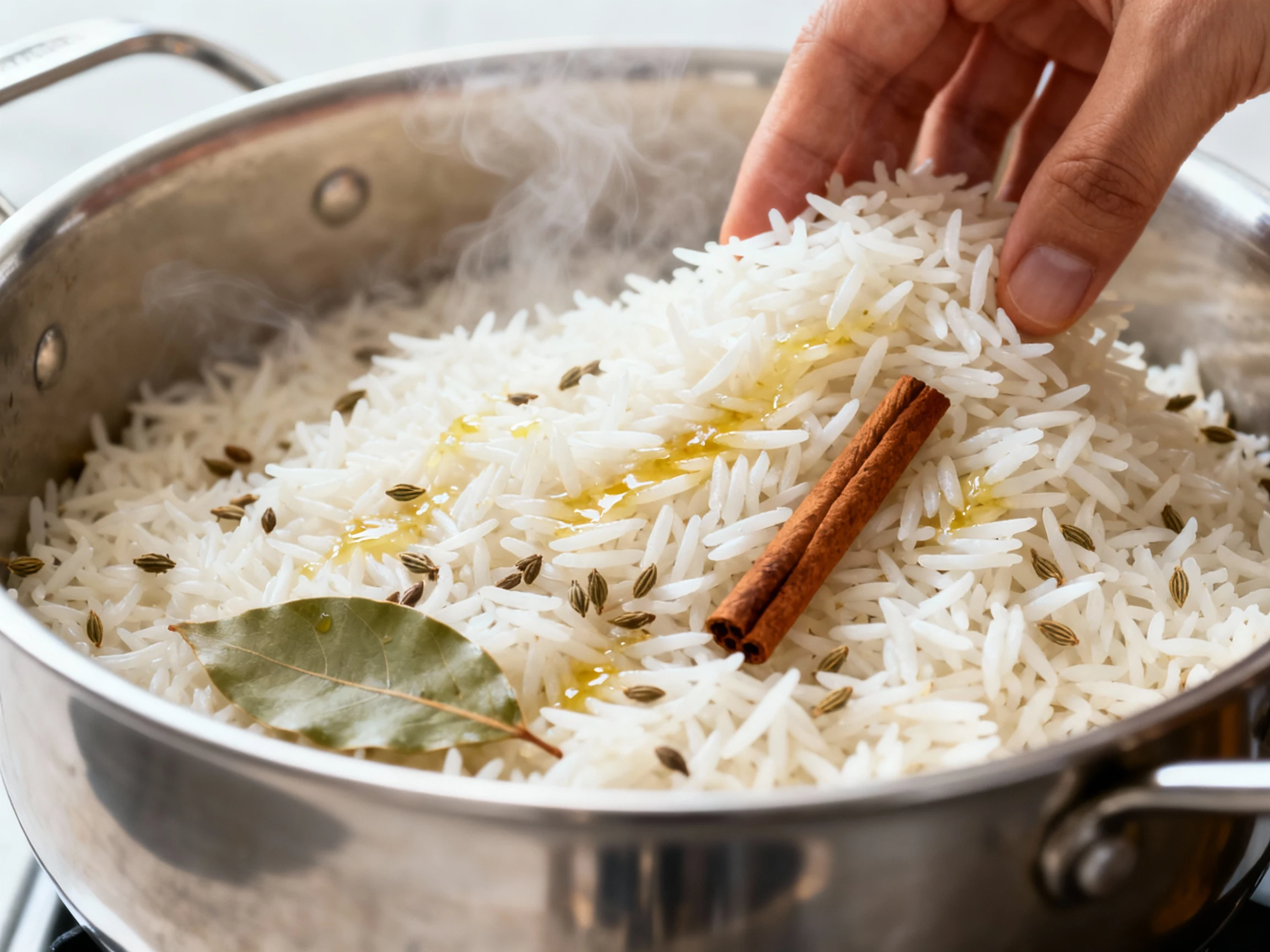
Blooming whole spices in hot oil or ghee perfumes the fat, which coats each grain. That’s why your kitchen smells like a spice market and your rice tastes restaurant-grade. Salt matters, too: add it to the water so it’s absorbed evenly, not sprinkled on top later. Finally, a tight lid and gentle heat keep the grains long, not mushy. Sound basic? It is—just executed like a pro.
Ingredients Breakdown
- 1 cup white basmati rice (preferably aged; brands from India or Pakistan tend to be more aromatic)
- Water: 1 1/2 cups if not soaking; 1 1/4 cups if you soak 20–30 minutes
- Kosher salt: 3/4 to 1 teaspoon (adjust to taste)
- Fat: 1–2 tablespoons ghee, butter, or neutral oil (ghee brings the most flavor)
- Whole spices (optional but highly recommended): 1 bay leaf, 4–6 whole black peppercorns, 2–3 green cardamom pods (lightly crushed), 1-inch cinnamon stick, 2–3 cloves, 1 teaspoon cumin seeds
- Aromatics (optional): 1/2 small onion (thinly sliced), 1 garlic clove (minced), 1-inch ginger (grated)
- Add-ins (choose your own adventure): 1/2 cup frozen peas, 1/2 cup small-diced carrots, 1/4 cup golden raisins, 1/4 cup toasted cashews or almonds
- Liquids swap (optional): low-sodium chicken or vegetable broth in place of water for a richer pilaf
- Finishers: 2 tablespoons chopped cilantro or mint, 1 tablespoon lemon juice or zest, a pinch of saffron bloomed in 1 tablespoon warm milk or water
- For brown basmati (variation): use 1 cup rice to 2 cups water and cook longer (see FAQ)
Let’s Get Cooking – Instructions
Stovetop (Master Method)
- Rinse the rice under cold water in a fine sieve, swishing with your hand until water runs mostly clear. Do not skip this; it removes excess starch that causes clumping.
- (Optional but ideal) Soak the rinsed rice in plenty of cold water for 20–30 minutes. Drain well. You’ll get longer, fluffier grains and faster, more even cooking.
- Heat a medium saucepan (with a tight-fitting lid) over medium heat. Add 1–2 tablespoons ghee/oil. When shimmering, add whole spices (if using) and bloom 30–60 seconds until fragrant. Don’t burn them; you’re perfuming the fat.
- Add onion (if using) and sauté 2–3 minutes until translucent. Add garlic/ginger for 30 seconds. Keep things lightly golden, not dark.
- Stir in the drained rice. Toast gently for 1 minute to coat the grains in fat. You’ll hear a soft crackle—good sign.
- Pour in 1 1/4 to 1 1/2 cups water (see ratio note), and add 3/4 to 1 teaspoon salt. Bring to a lively boil.
- Once boiling, reduce heat to low, cover tightly, and simmer 12 minutes undisturbed. No peeking. This is where patience makes heroes.
- Kill the heat. Keep the lid on and rest 10 minutes. The trapped steam finishes cooking the core without wrecking the surface.
- Uncover, remove whole spices (bay leaf, cinnamon, etc.), and fluff gently with a fork. If you’re adding peas, stir them in now and cover 2 minutes to warm through.
- Finish with herbs, lemon, nuts, or raisins. Taste for salt and adjust. Plate it while it’s still steaming and smugly aromatic.
Instant Pot (White Basmati)
- Rinse the rice well. (Soak 10 minutes if you want superlong grains; drain thoroughly.)
- Add to the pot with 1:1 rice-to-water ratio, 1 tablespoon ghee, and salt to taste. Optional: sauté spices in Sauté mode for 1 minute first.
- Pressure cook on High for 5 minutes. Natural release for 10 minutes, then quick release any remaining pressure.
- Fluff, rest 2 minutes, and serve.
Rice Cooker
- Rinse (and soak 15–20 minutes if time allows). Drain well.
- Add to cooker with 1 cup rice to 1 1/4 cups water, salt, and 1 tablespoon ghee/oil. Stir gently.
- Cook on “White Rice/Normal.” Let it sit 10 minutes on warm, then fluff.
Storage Tips
- Cool fast, store fast: Spread leftovers on a sheet pan to steam off heat, then refrigerate in an airtight container within 1 hour.
- Fridge: Keeps 4–5 days. Add a splash of water when reheating to revive steam.
- Freezer: Portion into freezer bags, flatten, and freeze up to 2 months. Thaws quickly and reheats beautifully for fried rice.
- Reheat: Microwave with a damp paper towel, or steam on the stovetop. Avoid dry, naked heat—unless you like edible sawdust.
Nutritional Perks
- Lower glycemic impact: White basmati tends to have a lower GI than many other white rices, which supports steadier energy.
- Gluten-free and gentle: Great base for people avoiding gluten. Pair with lean protein and veggies for a balanced plate.
- Whole-grain option: Swap in brown basmati for more fiber and micronutrients. It’s heartier and nutty—worth the extra cook time.
- Smart add-ins: Peas, carrots, and herbs bump vitamins and antioxidants. Spices like turmeric and cinnamon bring anti-inflammatory cred, too (FYI, tasty and useful).
- Portion control: 1 cup cooked rice is roughly 200–220 calories, so you can hit your goals without giving up comfort carbs.
Don’t Make These Errors
- Skipping the rinse: That’s a one-way ticket to gummy rice. Wash until the water runs almost clear.
- Using too much water: Respect the ratio. More water doesn’t equal more “fluffy.” It equals mush.
- Lifting the lid: Steam is your friend. If you let it out, you’ll undercook the core and overcook the exterior. Science, not sorcery.
- Cranking the heat: Boil hard and you’ll bash the grains apart. Gentle simmer is the move.
- Stirring while cooking: This is rice, not risotto. Stirring breaks grains and releases starch.
- Using a tiny pot: Rice needs space to steam. Use a pot with room for expansion.
- Forgetting the rest: The 10-minute off-heat rest sets texture. It’s free time—take it.
- Old, stale spices: Dusty jars = dusty flavor. Whole spices should smell alive. If not, toss them (your nose knows).
Different Ways to Make This
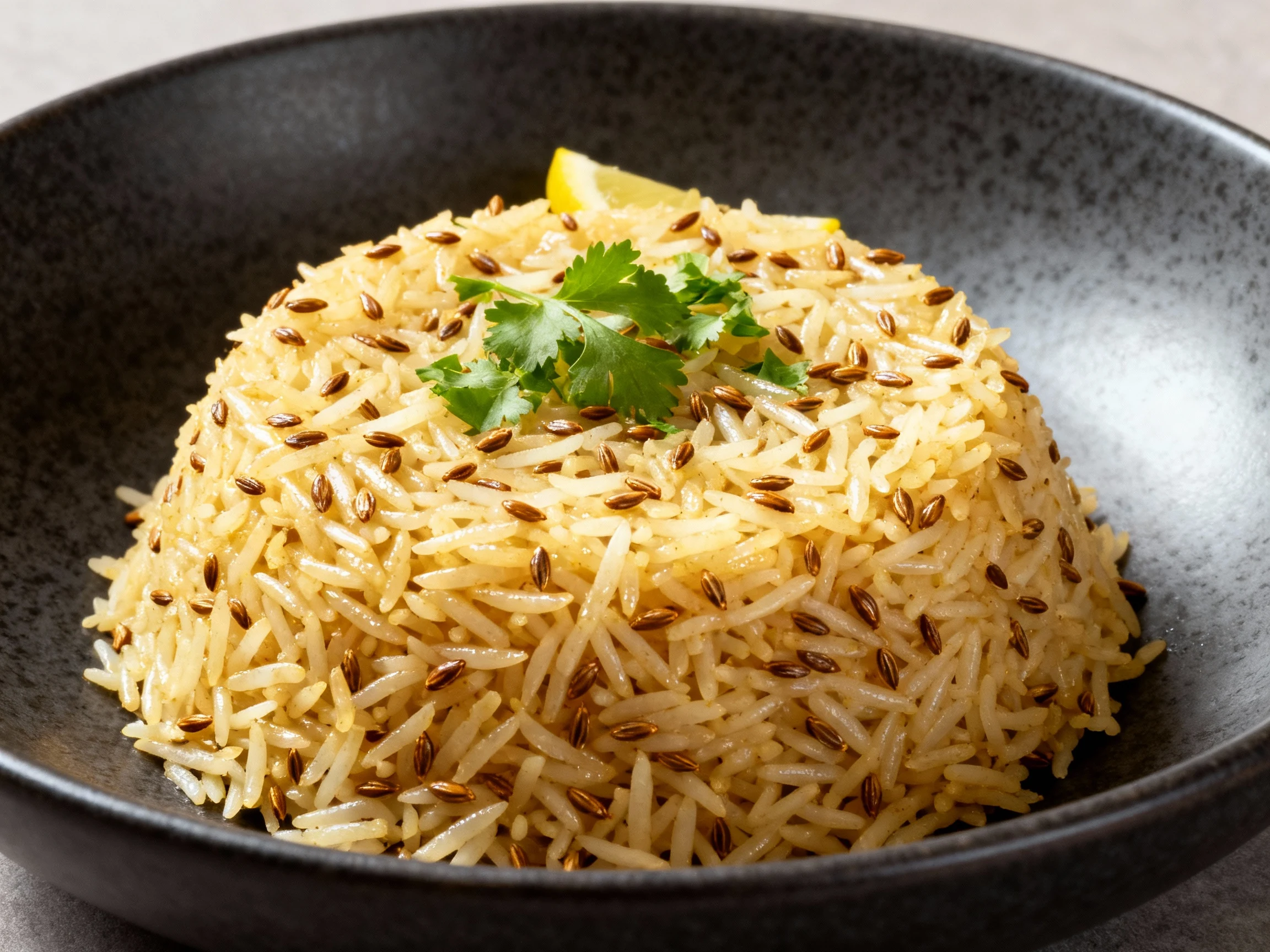
- Jeera Rice (Cumin Rice): Bloom 1 teaspoon cumin seeds in ghee with a bay leaf, then cook rice as above. Finish with cilantro. Simple, elite.
- Peas Pulao: Sauté sliced onion until golden, add 1/2 teaspoon garam masala, then cook rice. Stir in 1/2 cup peas during the rest and cover 2 minutes.
- Coconut-Lime Basmati: Use 3/4 cup water + 3/4 cup coconut milk for the liquid. Finish with lime zest, juice, and toasted coconut flakes.
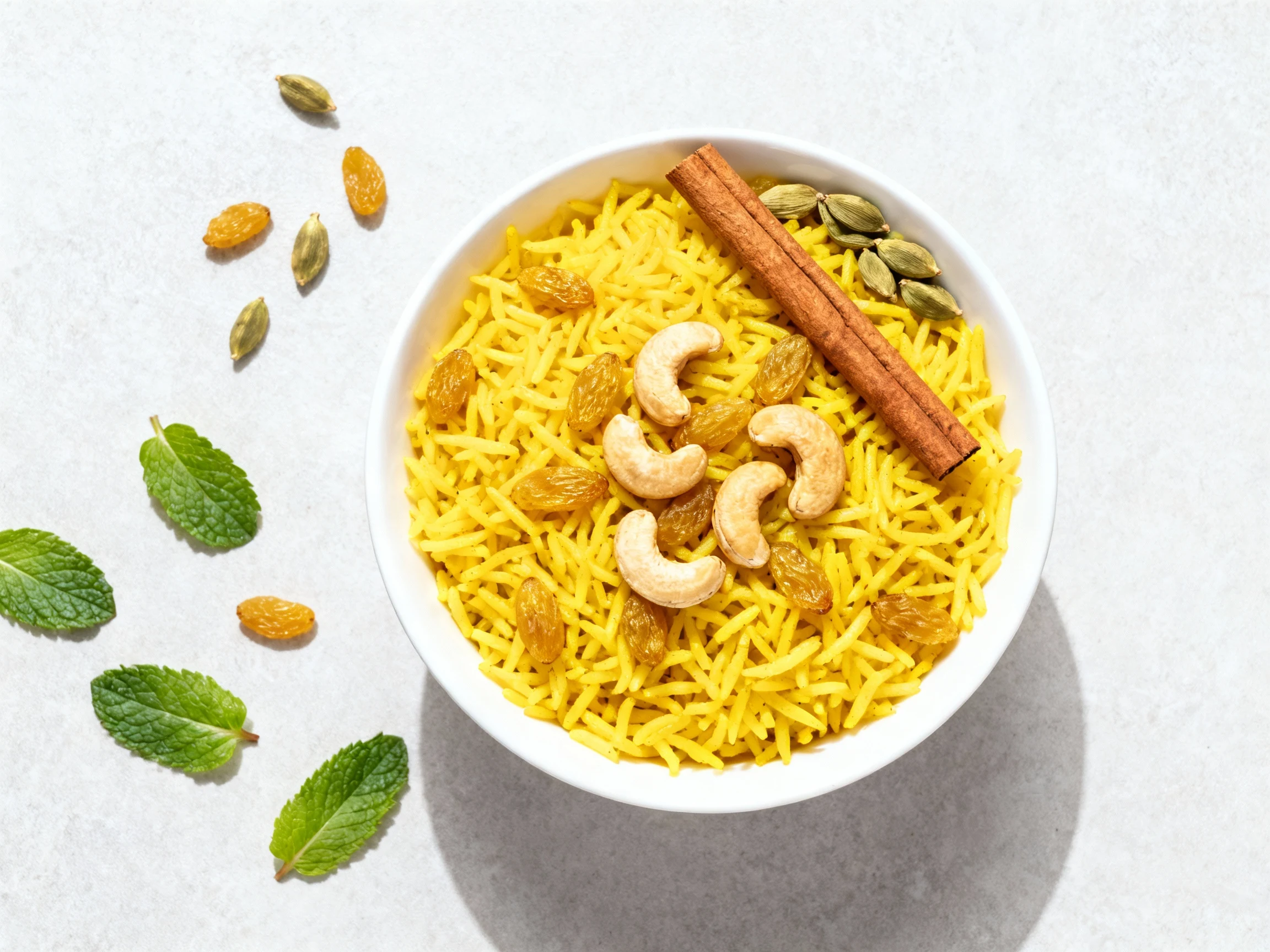
- Golden Turmeric Rice: Add 1/2 teaspoon turmeric, a pinch of saffron bloomed in warm milk, and a cinnamon stick. Raisins and cashews on top? Chef’s kiss.
- Lemon Herb Rice: Stir in lemon zest at the start and juice at the end. Finish with chopped dill and parsley. Bright, fresh, and great with fish.
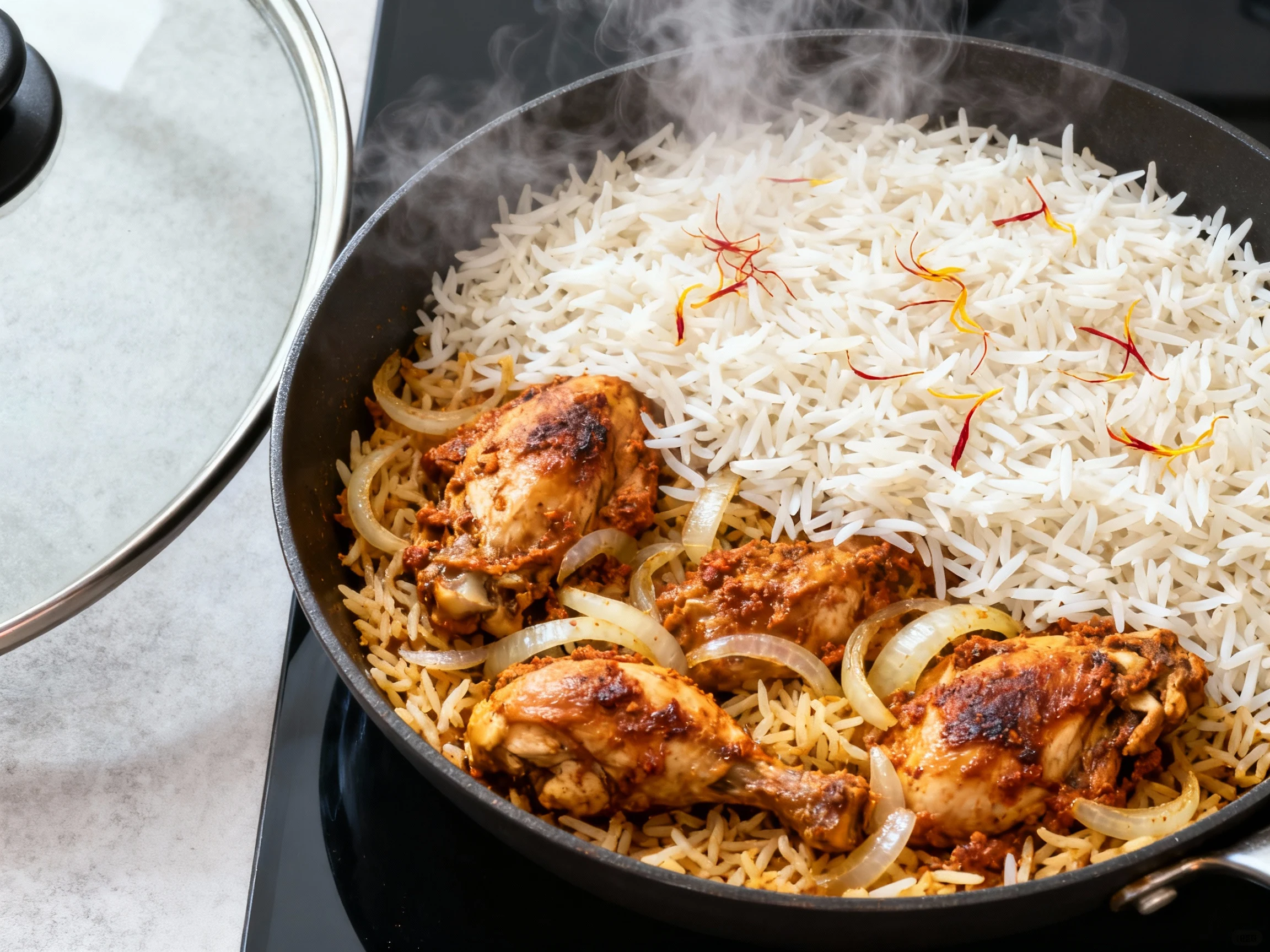
- Quick “Biryani-ish” Layered Rice: Par-cook rice 6 minutes. In a skillet, sauté spiced chicken or veg with onions. Layer par-cooked rice on top with a few saffron droplets, cover, and steam on low 10 minutes. Not traditional, still glorious.
- Restaurant-Style Butter Rice: Add 1 tablespoon butter at the end and a splash of cream. Sprinkle with chives. Decadent side for steak or roasted veggies.
- Persian-ish Dill & Fava (Baghali Polo vibes): Fold in chopped dill and par-cooked fava beans. Steam with a towel-wrapped lid for extra dryness and those long, regal grains.
- Fried Rice with Leftover Basmati: Day-old rice + hot wok + eggs + scallions + soy/tamari. Because leftovers should taste like round two victory.
- Oven-Baked Pilaf: Toast rice in a Dutch oven with spices, add hot stock (1:1.5), cover, and bake at 350°F for 25–28 minutes. Rest 10 minutes, fluff, finish with herbs.
- Power Bowl Base: Season rice lightly, then top with roasted veggies, tahini, a squeeze of lemon, and grilled chicken or chickpeas. IMO, the perfect meal prep canvas.
FAQ
What’s the best water-to-rice ratio for basmati?
For white basmati on the stovetop, use 1 cup rice to 1 1/2 cups water if you don’t soak, or 1 1/4 cups water if you soak 20–30 minutes. In the Instant Pot, go 1:1. Rice cookers usually do well at 1:1.25. Adjust a touch for your specific brand and pot.
Do I really need to rinse basmati rice?
Yes. Rinsing removes excess surface starch that glues grains together. Two to three rinses until water runs mostly clear takes 60 seconds and unlocks that signature fluffy, separate texture. TBH, it’s the highest ROI minute you’ll spend.
How long should I soak the rice?
Soak for 20–30 minutes for long, tender grains and slightly faster cooking. If you’re in a rush, you can skip it—just stick to the higher water ratio and don’t overcook. For very old, extra-dry rice, soak closer to 30 minutes.
Why is my basmati turning sticky or mushy?
Most likely: too much water, no rinse, high heat, or lifting the lid. Use the correct ratio, rinse thoroughly, simmer on low, and let it rest. Also, don’t stir while it cooks—this isn’t risotto.
How do I reheat basmati rice without drying it out?
Add 1–2 teaspoons water per cup of rice and cover. Microwave for 60–90 seconds, or steam on the stovetop over low heat. A damp paper towel in the microwave traps steam and keeps texture supple.
Can I use brown basmati with the same method?
Yes, but change the ratio and timing. Use 1 cup brown basmati to 2 cups water, simmer about 30–35 minutes, then rest 10 minutes. In the Instant Pot, try 22 minutes on High with 10 minutes natural release. Expect a nuttier chew and more fiber.
What’s the difference between basmati and jasmine rice?
Basmati grains cook up longer and drier with a nutty, popcorn aroma; jasmine is softer and more clingy with a floral scent. Choose basmati for pilafs and fluffy sides; choose jasmine for dishes that welcome a slightly stickier texture.
Can I freeze cooked basmati rice?
Absolutely. Cool it quickly, portion into flat freezer bags, and freeze up to 2 months. Reheat from frozen with a splash of water in the microwave, or steam it. It’s meal-prep gold (and a fried-rice hero on busy nights).
Should I add oil or butter to basmati rice?
Adding 1–2 tablespoons ghee, butter, or oil coats the grains and carries spice flavor. It’s optional, but it gives you restaurant-quality aroma and sheen. If you’re keeping it lean, use less fat and lean on herbs and citrus.
Can I cook basmati in broth instead of water?
Yes—swap low-sodium chicken or vegetable broth 1:1 for water to make a richer pilaf. Taste and adjust salt since broths vary. Finish with lemon or herbs to brighten the richer base.
My Take
Basmati is the cheat code: one technique, endless payoffs. Learn the rinse-soak-simmer-rest sequence and you’ll turn a pantry staple into a weeknight flex or a dinner-party centerpiece. The aroma sells it, but the texture seals the deal. Master the base, then riff with spices, add-ins, and sauces—because great cooking, like great habits, scales fast once you nail the fundamentals (and yes, you just did).
Printable Recipe Card
Want just the essential recipe details without scrolling through the article? Get our printable recipe card with just the ingredients and instructions.