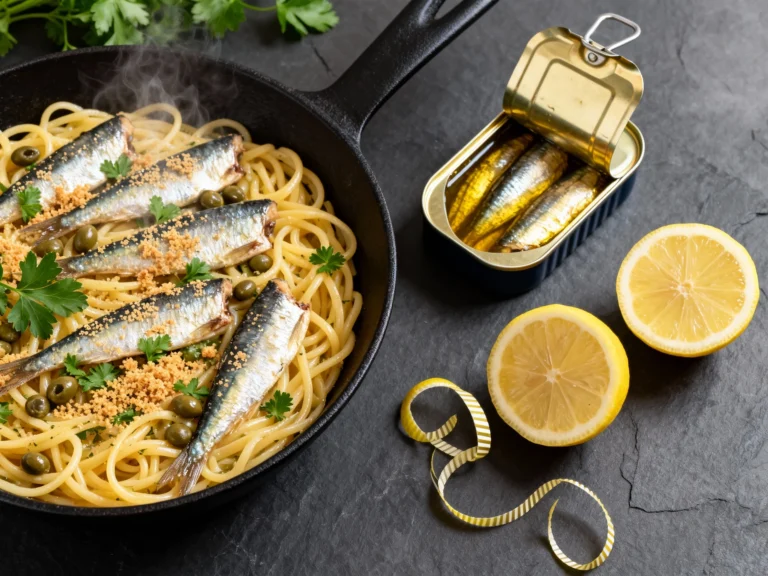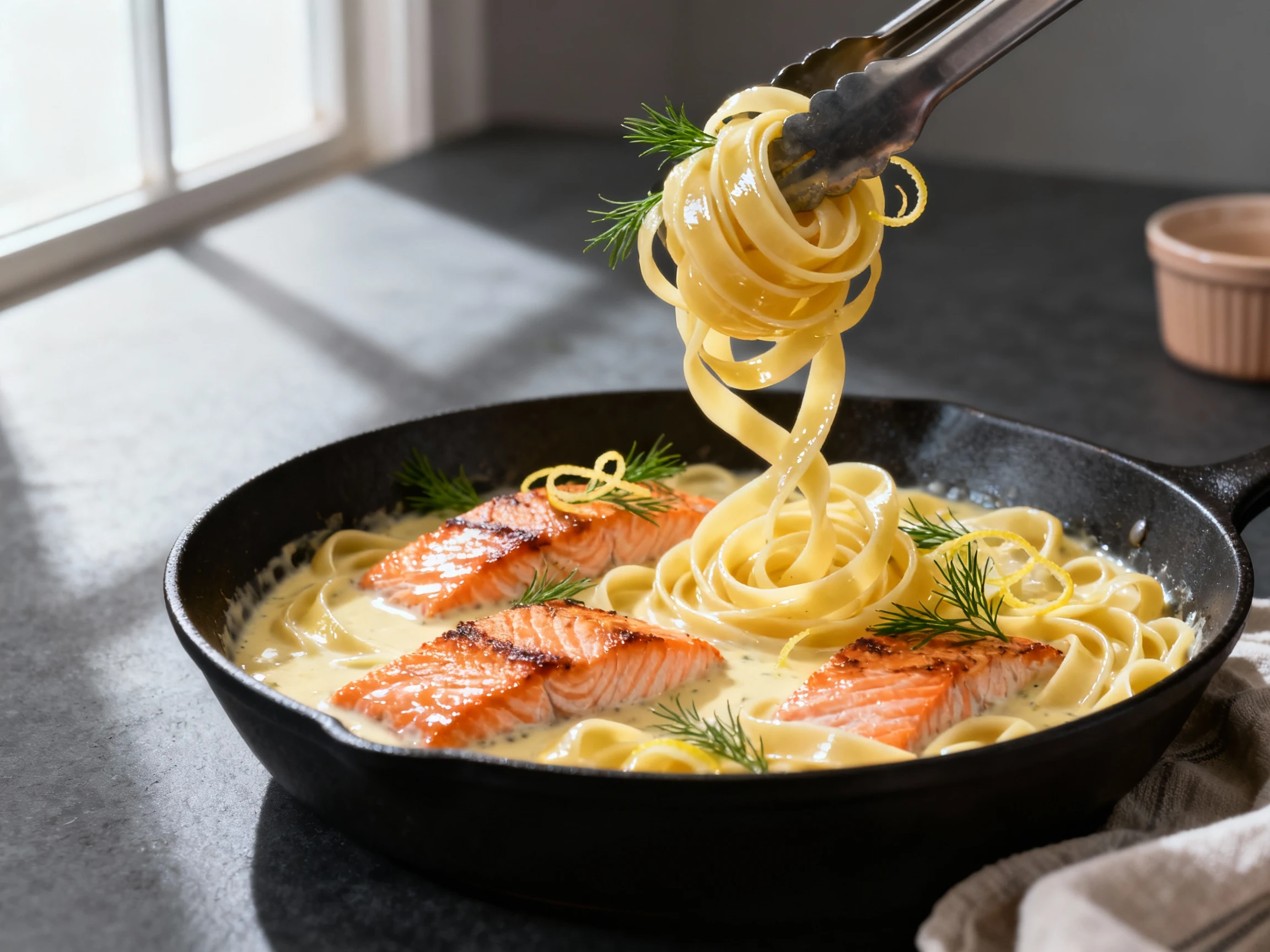
Salmon Pasta Recipes for Fast Creamy Chef Level Dinners
Weeknight-ready pasta with salmon, big flavor, and minimal cleanup. Make a silky sauce in minutes and get chef level results at home.
You want a 25-minute dinner that tastes like a $30 entrée. Here’s the blueprint: crisp-seared salmon, glossy noodles, and a lemony cream sauce that clings like it was born there. The result is rich but bright, comforting but not heavy, and yes—borderline restaurant-grade. No culinary school, no mystery steps, just a few smart moves and boom, plates wiped clean. TBH, this is the kind of meal that turns “We’re staying in” into the flex.
What Makes This Recipe So Good

High impact, low effort. You sear salmon once, build the sauce in the same pan, and finish with pasta water for that pro, glossy finish.
Balanced flavor. Butter and cream bring richness, lemon and dill cut through it, and a touch of Parmesan adds umami. The sauce hugs every noodle without feeling heavy.
Flexible to the max. Fresh, frozen, canned, or hot-smoked salmon all work. No wine? Use broth. No cream? Greek yogurt or cashew cream gets you close. FYI, this recipe forgives a lot.
Make-it-tonight friendly. Minimal chopping, common pantry staples, and it’s ready faster than delivery—without the soggy regret.
What Goes Into This Recipe – Ingredients
Makes: 4 servings • Total time: 25 to 30 minutes
- 12 ounces (340 g) pasta (spaghetti, fettuccine, or short shapes like rigatoni)
- 1 pound (450 g) salmon fillet (skin on or off; see notes)
- 2 tablespoons olive oil
- 2 tablespoons butter
- 1 small shallot, finely minced (or 1/4 small onion)
- 3 cloves garlic, minced
- 1/2 cup dry white wine (optional; sub chicken or vegetable broth)
- 1 cup heavy cream (or 3/4 cup half-and-half + 1 tablespoon butter)
- 1/2 to 3/4 cup reserved pasta cooking water (as needed)
- Zest of 1 lemon + 1 to 2 tablespoons fresh lemon juice
- 1/2 cup freshly grated Parmesan cheese
- 1 teaspoon Dijon mustard (optional, for depth)
- 1/2 teaspoon red pepper flakes (optional, for heat)
- 1 tablespoon capers (optional, for briny punch)
- 2 tablespoons chopped fresh dill or parsley (plus more for garnish)
- Salt and freshly ground black pepper
- Seasoning for salmon (optional): 1/2 teaspoon paprika + 1/2 teaspoon garlic powder
Gear: Large pot for pasta, 12-inch skillet for salmon and sauce, tongs, microplane for zest, instant-read thermometer (IMO, worth it).
Step-by-Step Instructions
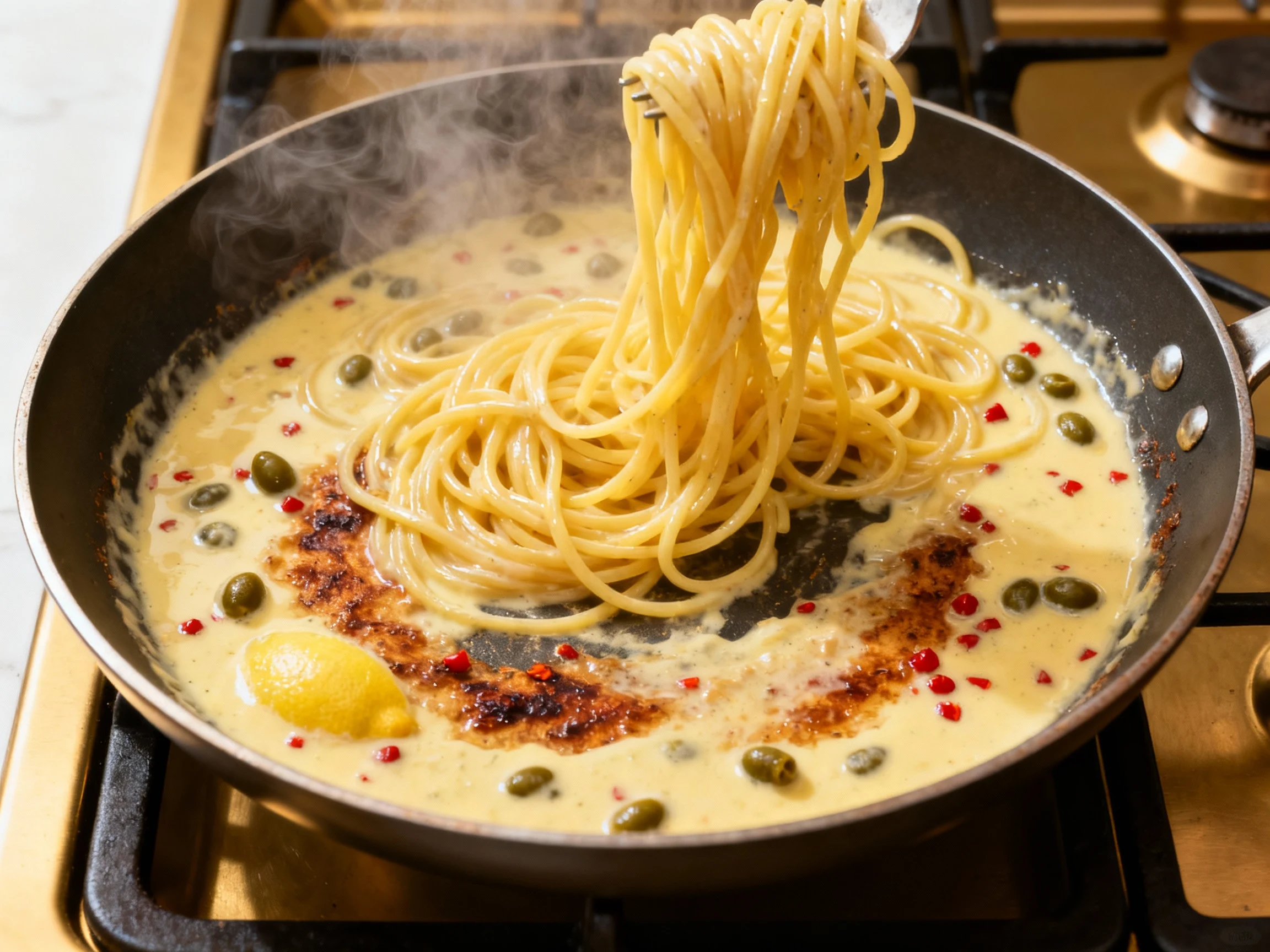
- Boil the pasta. Bring a large pot of well-salted water to a rolling boil. Cook pasta to 1 minute shy of al dente. Reserve 1 cup pasta water; drain.
- Season the salmon. Pat dry. Season both sides with salt, pepper, and (if using) paprika + garlic powder. Dry fish = better crust, so don’t skip the pat-down.
- Sear the salmon. Heat a large skillet over medium-high. Add 2 tablespoons olive oil. Lay salmon in, presentation side down. Sear 3 to 4 minutes per side (thickness matters) until the center hits 120–125°F (49–52°C) for medium. Transfer to a plate to rest. Flake into large chunks.
- Build the aromatics. Reduce heat to medium. Add 2 tablespoons butter to the same skillet. Stir in shallot and cook 2 minutes until translucent. Add garlic and cook 30 seconds until fragrant. Don’t brown it—burnt garlic tastes like regret.
- Deglaze. Pour in 1/2 cup wine (or broth). Scrape up browned bits. Simmer 2 to 3 minutes to reduce by half.
- Make it creamy. Stir in heavy cream, lemon zest, Dijon, and red pepper flakes if using. Bring to a gentle simmer (tiny bubbles), not a boil. Simmer 2 to 3 minutes until slightly thickened.
- Cheese and capers. Lower heat. Stir in Parmesan and capers until smooth. Season with salt and pepper. Sauce should taste slightly saltier than you like; the pasta will even it out.
- Toss with pasta. Add drained pasta and a splash (1/4 cup) of reserved pasta water. Toss and move constantly until the sauce emulsifies and coats the noodles. Add more water as needed until glossy.
- Finish with salmon and lemon. Gently fold in the flaked salmon, lemon juice to taste, and dill/parsley. Warm through for 30 to 60 seconds. Don’t stir like a cement mixer—keep the flakes intact.
- Serve. Plate, shower with extra Parmesan, black pepper, and herbs. Add lemon wedges on the side for the citrus-obsessed.
Storage Instructions
Fridge: Store leftovers in an airtight container for up to 3 days. The sauce will thicken; that’s normal.
Reheat: Warm gently in a skillet over low heat with a splash of water, milk, or broth, tossing until creamy again. Microwave in short bursts works in a pinch, but stir and add a splash of liquid.
Freezer: Not ideal. Cream sauces can separate and fish can go mealy. If you must, freeze the salmon and cooked pasta separately, then make a fresh sauce later.
Make ahead: You can sear salmon and chop aromatics a day ahead. Cook fresh pasta and finish the sauce right before serving for best texture.

What’s Great About This
- Restaurant vibes at home. Crisp fish, silky sauce, bright acid—this punches above its weight.
- One-pan sauce, minimal dishes. You cook the fish and sauce in the same skillet. Your sink says thanks.
- Macro-friendly. High protein from salmon, carbs from pasta, and optional veggies easily fold in.
- Adaptable. Works with fresh, frozen, canned, or smoked salmon. Also plays nice with gluten-free pasta.
- Budget-smart. Salmon stretches further in pasta. You get luxury feel without luxury pricing.
What Not to Do
- Don’t overcook the salmon. Pull at 120–125°F for medium. It keeps cooking in the pasta.
- Don’t boil the cream. Gentle simmer only. Boil = split sauce and sadness.
- Don’t skip pasta water. It’s liquid gold that emulsifies sauce. Keep at least 1 cup before draining.
- Don’t add lemon juice too early. Acid can curdle dairy if boiled. Finish at the end.
- Don’t shred the salmon to dust. Big flakes = fancy bites. Pulverized fish = cat food energy.
- Don’t rinse the pasta. Starch helps the sauce cling. Rinsing makes it slippery.
- Don’t add Parmesan over high heat. It can clump. Lower heat, then stir it in.
Recipe Variations
- Lemon Herb (No Cream): Swap cream for 1/2 cup pasta water + 2 tablespoons olive oil. Add extra lemon zest and juice. Finish with loads of parsley and dill for a lighter, briny vibe.
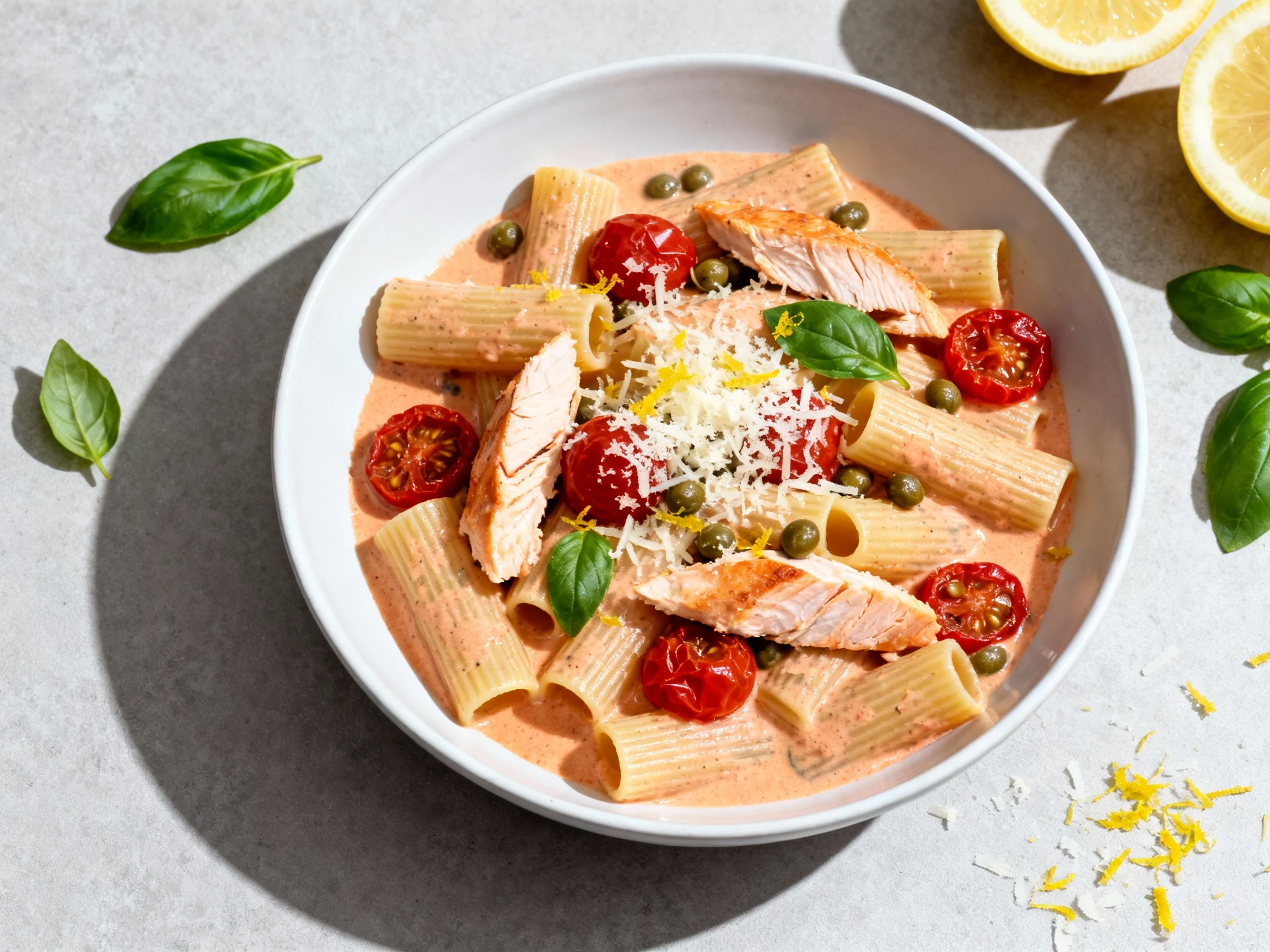
- Tomato-Cream: After sautéing shallot and garlic, add 1 cup halved cherry tomatoes and cook until jammy. Stir in 1/2 cup crushed tomatoes, then cream. It’s basically salmon alla vodka without the vodka.
- Pesto Salmon: Skip Dijon and red pepper flakes. Stir in 1/3 cup basil pesto with the cream. Finish with lemon juice and toasted pine nuts.
- Cajun Alfredo: Season salmon with 1 tablespoon Cajun seasoning. Use cream + Parmesan as written, add a squeeze of lemon, and scatter scallions. Heat level: your call.
- Smoked Salmon & Peas: Use 6 ounces hot-smoked salmon (flake it). Add 1 cup peas to the pasta for the last minute of cooking. Fold into a light cream sauce with dill and lemon.
- Asparagus Lemon Butter: Replace cream with 4 tablespoons butter. Sauté 1 bunch asparagus (1-inch pieces) after the garlic, splash in pasta water, then toss with pasta, lemon, and Parmesan.
- Canned Salmon Pantry Style: Use 2 cans (5 to 6 ounces each) salmon, drained. Build the sauce as written (wine optional), then fold in the canned fish gently with lemon, capers, and herbs. Surprisingly elite.
- Dairy-Free: Use 3/4 cup full-fat coconut milk + 1 tablespoon nutritional yeast instead of cream and Parmesan. Finish with lemon and lots of herbs to brighten.
FAQ
What’s the best pasta shape to use?
Long strands like spaghetti or fettuccine give silky twirls, while short shapes like rigatoni or penne hold chunky salmon and capers in their tubes. Use what you love; the sauce clings to both.
Can I use skin-on salmon?
Yes. Sear skin side first until crisp, then flip and finish. After resting, the skin peels off easily. Chop it and snack (chef’s treat) or crumble over salads. If you keep the skin in the pasta, it can get soggy—your call.
How do I avoid overcooking the fish?
Use an instant-read thermometer and aim for 120–125°F in the thickest part. Pull it slightly under, then let carryover finish the job while you sauce the pasta. Residual heat is your friend here.
No wine on hand—what’s the best substitute?
Use chicken or vegetable broth plus an extra squeeze of lemon at the end. You’ll get the same deglazing power and a clean flavor. A splash of apple cider vinegar (1 to 2 teaspoons) can add brightness too.
Can I make this gluten-free?
Absolutely. Choose a gluten-free pasta you trust (brown rice or corn blends hold up best) and ensure your broth and Dijon are GF. Reserve extra pasta water; GF pasta releases more starch and can drink sauce faster.
Can I use frozen salmon?
Yes—thaw it overnight in the fridge, then pat very dry before searing. If you’re short on time, poach from frozen in gently simmering broth until just cooked, then flake into the sauce.
Is there a lighter alternative to heavy cream?
Use half-and-half with a knob of butter, or whisk in 1/2 cup Greek yogurt off the heat for a tangy, lighter sauce. Add the lemon juice at the end to avoid curdling. Stir gently.
Can I bake the salmon instead of pan-searing?
Yes. Roast at 400°F (205°C) for 8–12 minutes depending on thickness, then flake and fold into the sauce. You’ll lose some crust but gain convenience. Brush with oil and season well first.
How do I scale this for a crowd?
Double everything, but cook the pasta in batches and toss with the sauce in a large Dutch oven. Add salmon at the end to avoid breaking it up. Keep a full cup of pasta water handy for rescue duty.
In Conclusion
You don’t need a reservation or a culinary degree to serve something that tastes special. Sear the salmon, build a smart sauce, finish with lemon and herbs, and you’ve got silky noodles that feel like a win on any night. This method adapts to your pantry, your budget, and your timeline—no drama, all flavor. IMO, once you master this, “What’s for dinner?” becomes the easiest question of your day.
Printable Recipe Card
Want just the essential recipe details without scrolling through the article? Get our printable recipe card with just the ingredients and instructions.