Buckwheat Recipes for Busy Nights—flavor Fiber and Speed
A foolproof buckwheat base with quick swaps to hit crave-worthy dinners in 20 minutes, plus tips for meal prep and gluten-free wins.
You want fast, cheap, healthy, and seriously tasty? Buckwheat does all four—and then flexes on rice, quinoa, and pasta like it’s leg day. It cooks in under 15 minutes, absorbs flavor like a sponge, and somehow still delivers crunch and chew. Translation: the perfect canvas for weeknight wins that don’t feel like “just surviving.” Why settle for bland carbs when you can get fiber, protein, and swagger?
Here’s the play: master one base, then swap flavors like a DJ. Start with toasted groats, add broth, aromatics, a pop of acid, and texture on top. Boom—dinner with range. FYI, buckwheat isn’t wheat; it’s a seed. So yes, gluten-free crowd, you can sit with us.
Why This Recipe Works
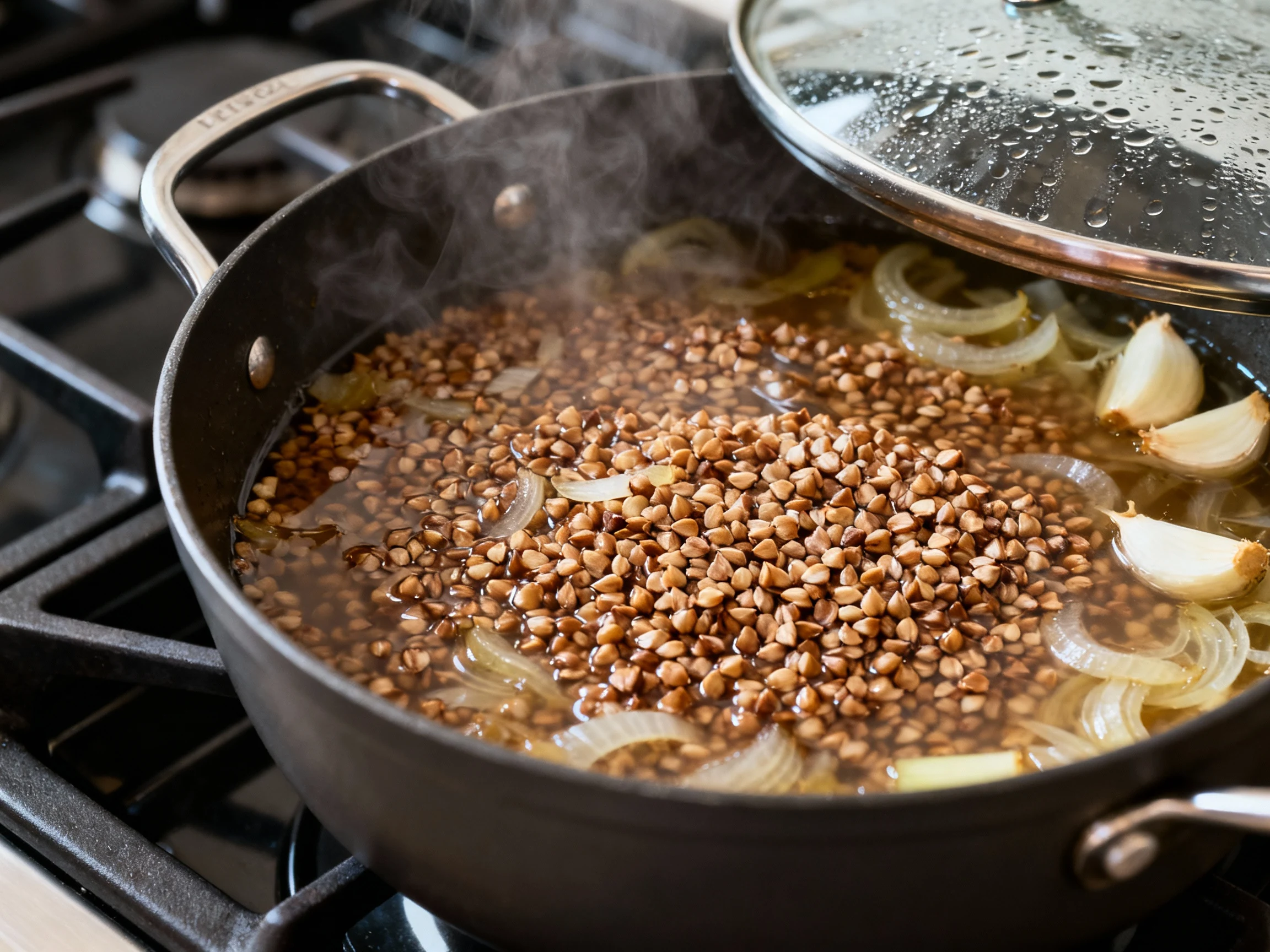
- Toasting = deep, nutty flavor: A quick dry toast turns plain groats into aromatic gold. It also keeps the texture pleasantly chewy, not mushy.
- Right ratio, right results: Buckwheat loves a 1:2 groats-to-liquid ratio. That gives tender grains with just enough bite—no soggy sadness.
- Aromatics build layers: Onion and garlic bloom in fat, then hug the groats as they cook. You get flavor in every bite, not just on top.
- Acid + fat = balance: A squeeze of lemon and a drizzle of olive oil (or tahini) turn earthy into crave-worthy. Think late-night takeout vibes, but actually good for you.
- Texture contrast: Toss in herbs and crunchy seeds at the end. Soft + crisp is the difference between “meh” and “make again.”
- Built for speed and swaps: Twelve minutes simmering, five minutes resting, and endless plug-and-play variations. Busy? This recipe doesn’t care.
Ingredients Breakdown
- 1 cup buckwheat groats (aka kasha), raw: Choose untoasted groats for best control; pre-toasted “kasha” cooks faster and can go soft.
- 2 cups liquid: Water works, but low-sodium vegetable or chicken broth = instant upgrade.
- 1 tablespoon olive oil or butter: Helps aromatics bloom and coats groats so they don’t stick.
- 1 small onion, finely chopped: Sweetens and rounds out the base.
- 2 garlic cloves, minced: Garlic is non-negotiable. Adds big aroma and savory punch.
- 1/2 teaspoon kosher salt, plus more to taste: Season the liquid so the flavor penetrates the grains.
- 1/4 teaspoon black pepper: Quick baseline warmth; add chili flakes if you want heat.
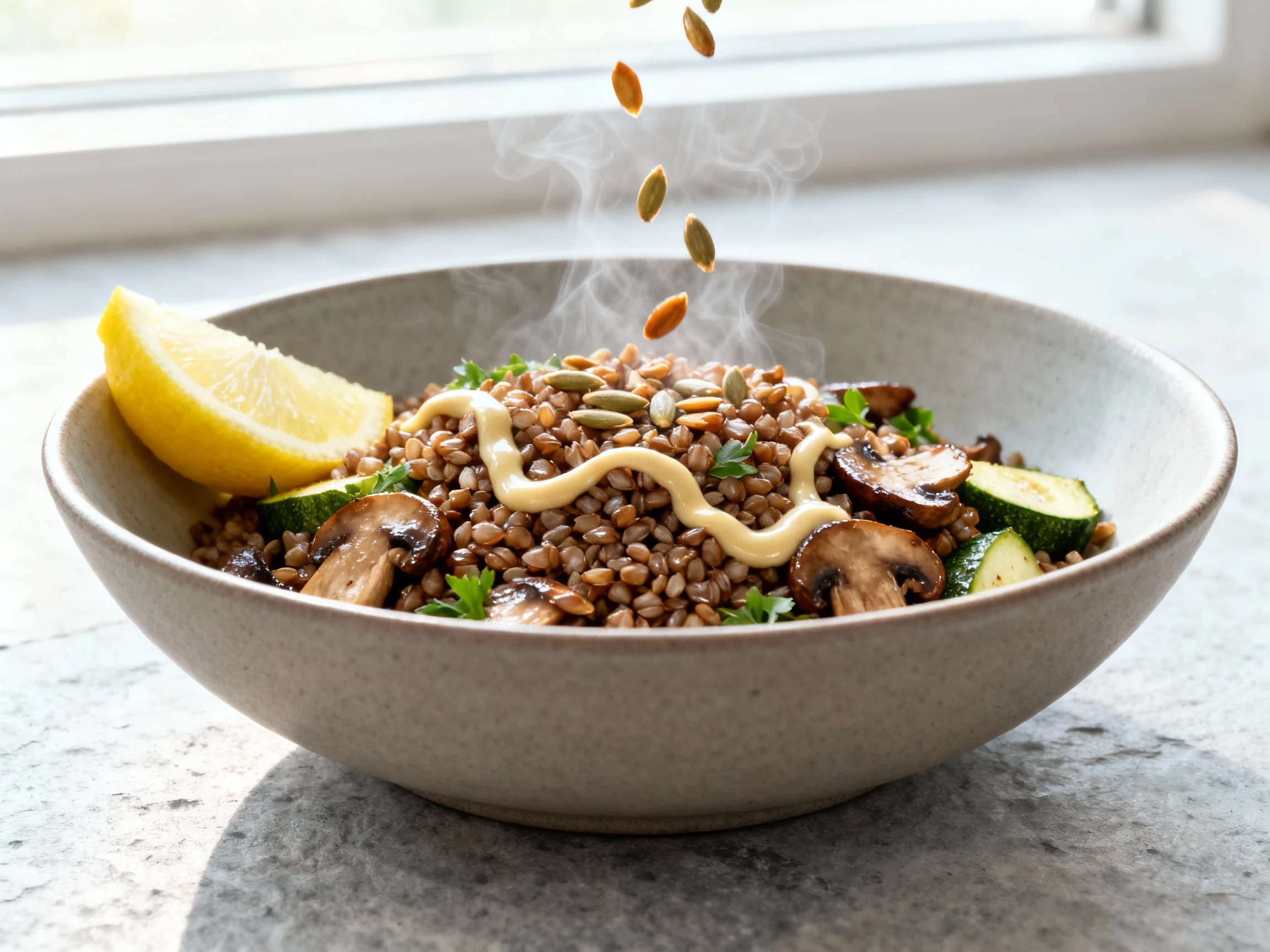
- 2 cups mixed vegetables, chopped: Mushrooms, bell pepper, zucchini, or broccoli. Sauté or roast before folding in.
- 1 tablespoon lemon juice: Brightens and balances the earthy profile.
- 1/4 cup fresh herbs, chopped: Parsley, dill, or cilantro for freshness that pops.
- 1/4 cup toasted seeds or nuts: Sunflower seeds, pumpkin seeds, or walnuts add crunch and healthy fats.
- Optional protein: Fried egg, crispy chickpeas, shredded rotisserie chicken, or smoked tofu to make it a full meal.
- Optional sauce: Lemon-tahini, garlicky yogurt, or miso butter for a finishing flourish.
Instructions

- Rinse the groats: Place 1 cup buckwheat in a fine-mesh sieve and rinse under cold water until it runs clear. This removes excess starch and helps keep things fluffy.
- Toast for flavor: Heat a medium saucepan over medium. Add the rinsed groats (no oil) and stir for 3–4 minutes until they smell nutty and look slightly darker.
- Sauté aromatics: Push groats aside or transfer to a bowl briefly. Add 1 tablespoon olive oil to the pot, then cook onion and garlic for 2–3 minutes until translucent and fragrant.
- Combine and season: Return groats to the pot, add 2 cups broth or water, 1/2 teaspoon salt, and 1/4 teaspoon pepper. Stir once—then leave it alone.
- Simmer, don’t boil: Bring to a gentle simmer, cover, and cook on low for 12 minutes. You want steady steam, not chaos.
- Rest off heat: Turn off the heat and let it sit, covered, for 5 minutes. This finishing steam sets texture and reduces stickiness. Patience pays.
- Prep your add-ins: While resting, sauté or roast the vegetables until tender-crisp. Season them—unseasoned veg will drag the party down.
- Fluff and finish: Uncover, fluff with a fork, and fold in the vegetables, herbs, and lemon juice. Taste and adjust salt, then add a drizzle of olive oil.
- Add crunch and protein: Top with toasted seeds or nuts and your protein of choice. Contrast is king.
- Sauce it (optional): Finish with tahini or yogurt sauce. The right sauce = restaurant vibes at home.
Storage Instructions
- Fridge: Cool fully, then store in an airtight container for 4–5 days. Keep crunchy toppings separate so they stay crisp.
- Freezer: Portion into freezer-safe bags or containers and freeze up to 3 months. Flatten bags for faster thawing.
- Reheat: Splash in 1–2 tablespoons water or broth and warm on the stove over medium, stirring gently. Microwave works too—cover and heat in 45-second bursts.
- Meal prep tip: Cook plain buckwheat, store veggies and sauces separately, and assemble fresh. IMO, this keeps texture on point all week.

Health Benefits
- Naturally gluten-free: Buckwheat is a seed, not a cereal grain. Great for celiac and gluten-sensitive eaters—just ensure cross-contamination isn’t an issue.
- High fiber for fullness: The fiber supports steady energy and keeps you full longer. That’s appetite control without counting anything.
- Plant protein with all the right aminos: Buckwheat has a strong amino acid profile, especially lysine. Pair with beans or eggs for complete protein.
- Rich in minerals: Magnesium, manganese, and copper support muscle function, stress regulation, and metabolic health. Your body will notice.
- Antioxidants like rutin: Rutin supports vascular health and may reduce inflammation. Translation: heart-friendly and more resilient you.
- Low glycemic impact: Compared with refined grains, buckwheat helps stabilize blood sugar. FYI, cooling and reheating can boost resistant starch, a gut-friendly bonus.
Avoid These Mistakes
- Overcooking: Boiling hard breaks down groats and turns them mushy. Keep it at a gentle simmer and respect the clock.
- Skipping the rinse: Residual starch can make things gummy. Two quick rinses are worth it.
- Wrong liquid ratio: Buckwheat isn’t rice. Use 1:2 groats to liquid, then rest covered. That’s the texture blueprint.
- Under-seasoning: If your broth is bland, your dish will be too. Salt early and adjust at the end.
- No acid at finish: Buckwheat is earthy; acid wakes it up. Lemon, vinegar, or pickled onions make flavor pop.
- Adding raw veg to hot groats: You’ll get watery, uneven bites. Cook or at least salt-and-drain veggies before folding in.
- Using high-sodium broth: It can overpower and complicate seasoning. Choose low-sodium and control salt yourself.
- Mixing soba assumptions: Not all soba is gluten-free. If you’re avoiding gluten, check labels—some include wheat flour.
Different Ways to Make This
- Mushroom “risotto” style: Sauté mushrooms with thyme, use veggie broth, finish with parmesan or nutritional yeast for a creamy edge.
- Lemon-herb pilaf: Add dill, parsley, and capers. Finish with extra lemon and olive oil for a bright Mediterranean bowl.
- Miso-ginger umami: Stir a teaspoon of miso into the hot buckwheat, add sautéed bok choy and sesame seeds. A splash of rice vinegar seals it.
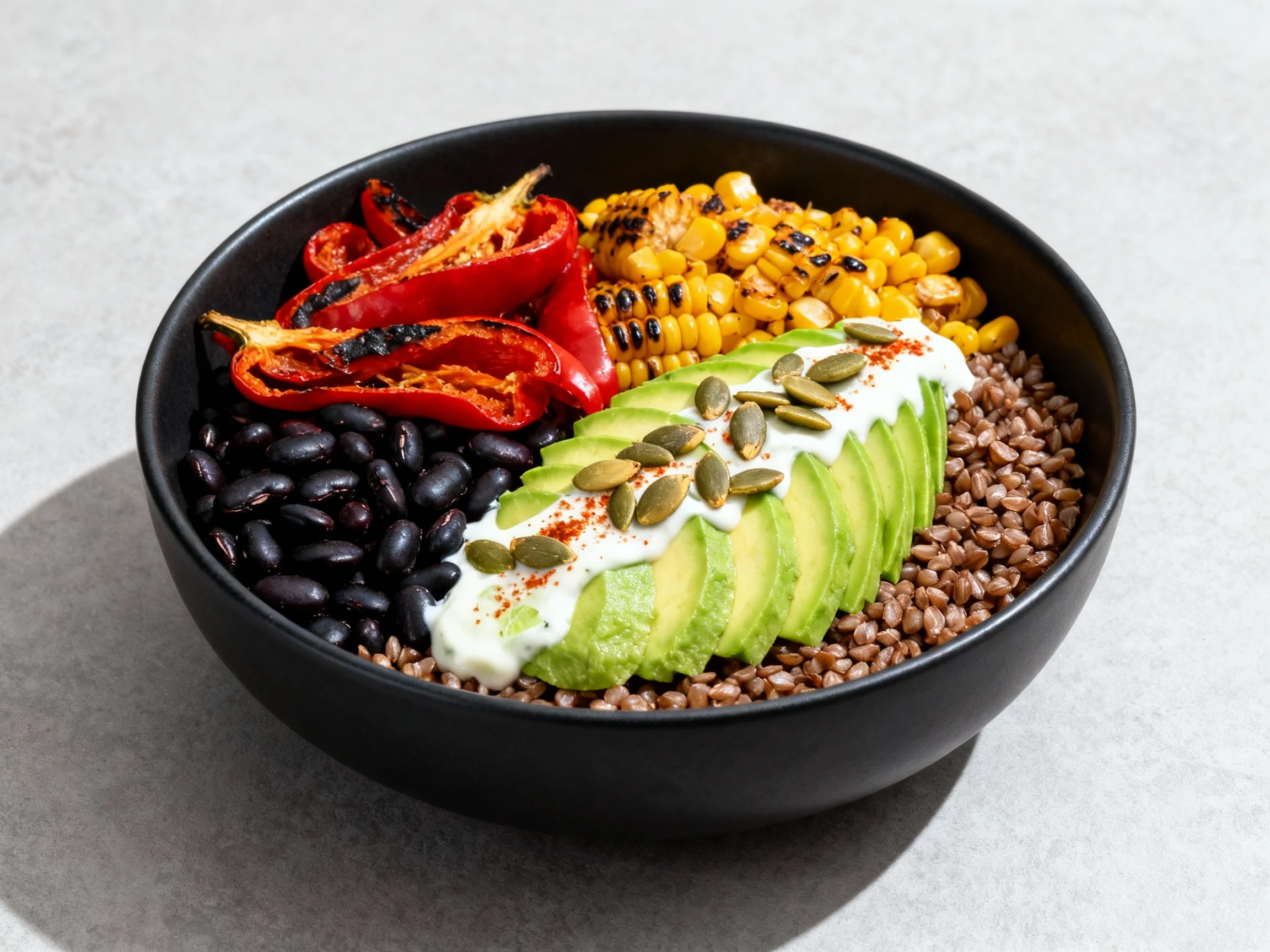
- Southwest crunch: Mix in roasted peppers, corn, and black beans. Top with avocado and chili-lime yogurt.
- Breakfast porridge: Cook groats with milk or oat milk, add cinnamon and honey. Finish with berries and almond butter.
- Salad-ready: Chill cooked groats, toss with cucumbers, tomatoes, feta, and a lemon-garlic dressing. Great for lunch meal prep.
- Stuffed peppers: Pack buckwheat pilaf into bell peppers, bake until tender, and finish with melted cheese or a tahini drizzle.
- Crispy topper: Pan-fry leftover buckwheat in a little oil until crunchy and use as salad croutons. Recycling, but make it delicious.
FAQ
Is buckwheat actually wheat?
Nope. Buckwheat is a seed (a pseudocereal), not related to wheat at all. It’s naturally gluten-free and safe for most people who avoid gluten.
Do I need to soak buckwheat before cooking?
Not required for this pilaf method. Rinsing and toasting deliver great texture. If you do soak for porridge, reduce liquid and cooking time accordingly.
Why did my buckwheat turn mushy?
Usually too much liquid, a rolling boil, or skipping the 5-minute rest. Use the 1:2 ratio, simmer gently, and let steam finish the job off heat.
Can I cook buckwheat in a rice cooker or Instant Pot?
Yes. Rice cooker: use 1:2 ratio and “white rice” setting. Instant Pot: 1 minute on High Pressure with 10 minutes natural release. Results are consistent and hands-off.
Are soba noodles gluten-free?
Sometimes. Look for 100% buckwheat soba if avoiding gluten. Many brands blend wheat flour for elasticity, so labels matter.
What’s the difference between groats and kasha?
Groats are raw buckwheat kernels; kasha is typically roasted. Kasha cooks faster and can be softer. For this recipe’s chew, use raw groats and toast them yourself.
How do I keep leftovers from drying out?
Add a splash of broth or water when reheating and cover to trap steam. A touch of olive oil or yogurt sauce revives moisture and flavor.
Can I make it oil-free?
Yes. Dry-toast the groats and sweat aromatics in a few tablespoons of broth. Finish with lemon and herbs for brightness; texture stays solid even without oil.
My Take
Buckwheat is the workhorse nobody talks about, then everyone swears by once they’ve tried it. It’s fast, forgiving, and versatile—exactly what weeknights need. If you want maximum ROI on your time and ingredients, make this base and remix it all week. Your pantry gets simpler, your meals get better, and yes, you’ll actually look forward to leftovers.
Printable Recipe Card
Want just the essential recipe details without scrolling through the article? Get our printable recipe card with just the ingredients and instructions.