Quick and Cheap Dinner Recipes That Save Weeknights
Weeknight pressure and tight budgets? Get fast, flavorful meals using pantry staples, minimal prep, and tiny cleanup that feel special.
You don’t need a chef’s coat or a trust fund to eat like a winner tonight. What you need is a strategy that slashes time, cost, and dishes without sacrificing flavor. The truth? Most “budget” dinners fail because they chase low price instead of high impact. We flip that script with a formula that stacks big flavor on pantry staples and cooks in minutes. TBH, once you try this playbook, takeout will start to feel like the slow, expensive option.
The Secret Behind This Recipe
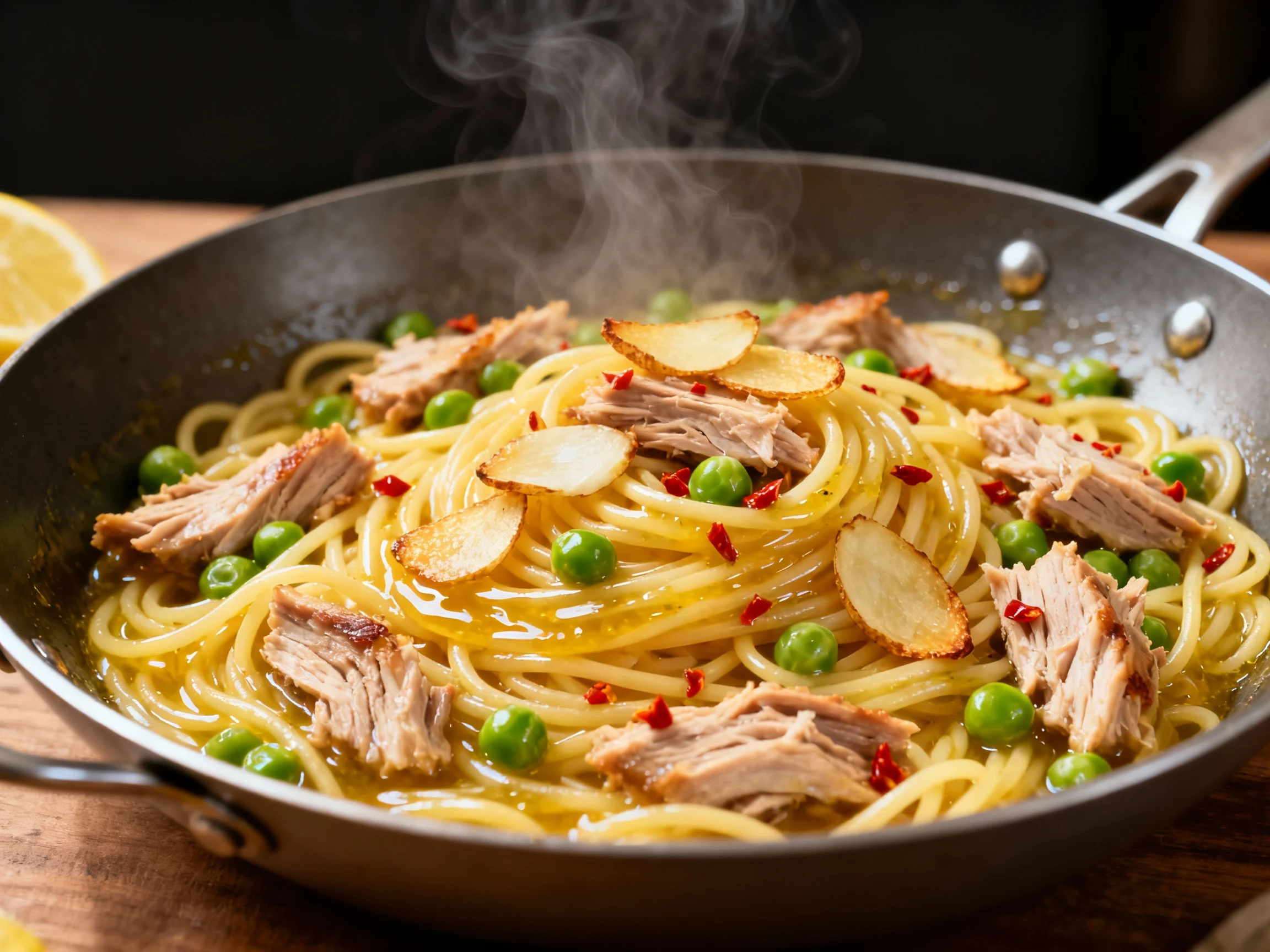
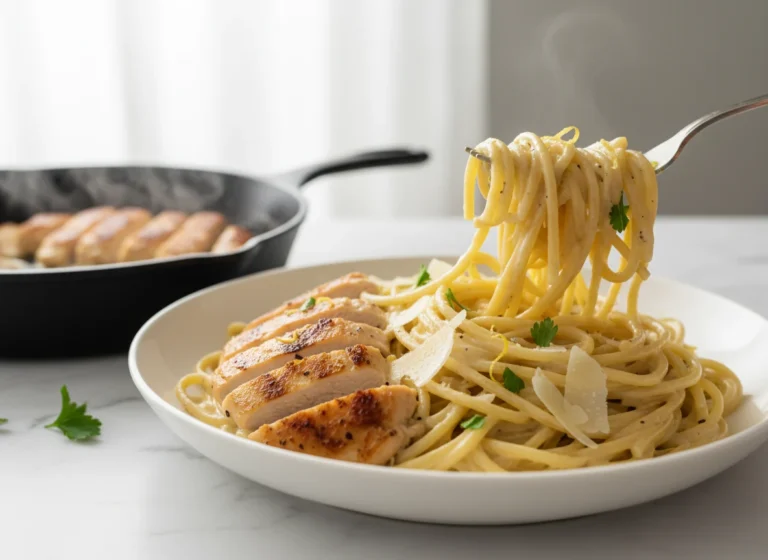
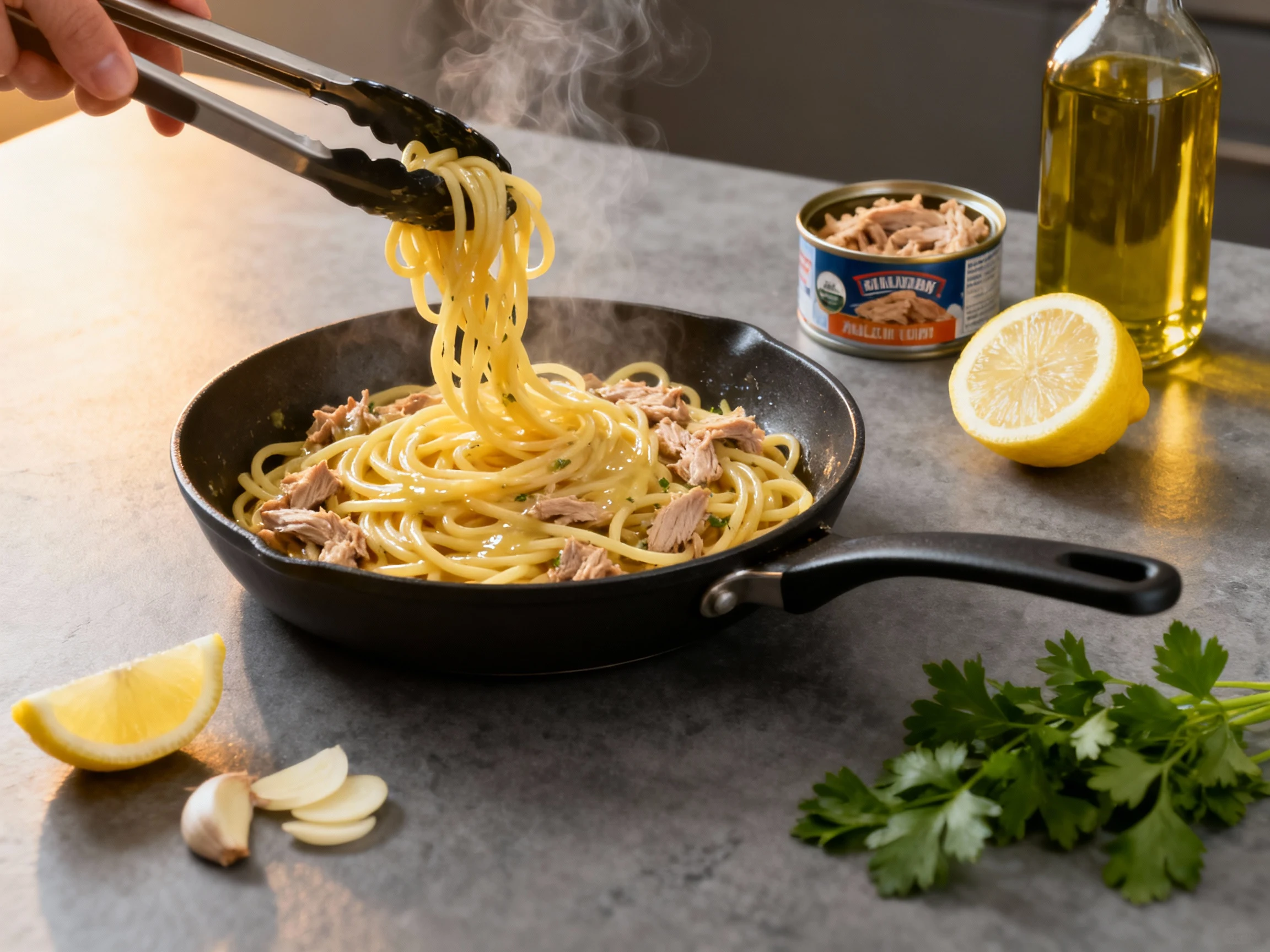
Meet your new weeknight MVP: a 15-minute Garlic Lemon Tuna Pasta that hits the trifecta—acid (lemon), fat (olive oil), and umami (tuna + parmesan). That combo makes inexpensive ingredients taste like they trained at a Michelin star restaurant. It’s lightning-fast because you build the sauce while the pasta boils, and it’s extremely forgiving—swap the tuna for beans or leftover chicken, and it still slaps.
The real magic is using starchy pasta water to emulsify everything. That silky liquid turns oil, lemon, and cheese into a glossy coating that hugs every strand. Plus, we punch it up with garlic and a pinch of heat, because your taste buds deserve a little excitement.
Cost-wise, we’re looking at under $2 per serving with smart shopping. FYI, you don’t need fancy tuna in a glass jar. Canned tuna works like a charm—just treat it right and it’ll reward you.
Ingredients
- 12 oz spaghetti or any long pasta
- 2 cans (5 oz each) tuna, drained (oil-packed preferred; water-packed also fine)
- 3 tbsp olive oil (plus more if using water-packed tuna)
- 4 cloves garlic, thinly sliced
- 1 large lemon (zest + 3 tbsp juice)
- 1/2 tsp crushed red pepper flakes (optional, but recommended)
- 1 cup frozen peas or chopped spinach
- 1/2 cup grated parmesan or romano cheese
- 1/4 cup breadcrumbs, toasted in a dry pan (optional crunch)
- 2 tbsp chopped parsley or green onions (optional freshness)
- Salt and black pepper to taste
- Reserved pasta water: start with 3/4 cup, add more as needed
Serves: 4 generous portions
Prep Time: 5 minutes | Cook Time: 10 minutes
Instructions

- Bring a large pot of salted water to a boil. Add pasta and cook until just shy of al dente according to package directions. Scoop out 1 cup pasta water before draining.
- While pasta cooks, warm 3 tbsp olive oil in a wide skillet over medium heat. Add sliced garlic and cook 60–90 seconds until fragrant and just golden—don’t burn it.
- Stir in crushed red pepper flakes and the drained tuna. Break the tuna into chunks with a spatula. If using water-packed tuna, add 1–2 tbsp extra olive oil for richness.
- Add lemon zest and 3 tbsp lemon juice. Toss to coat. The pan should smell bright and savory—good sign.
- Tip in the peas or spinach and cook 1–2 minutes until warmed and tender.
- Add the drained pasta straight to the skillet with 3/4 cup reserved pasta water. Toss vigorously so the starchy water and oil emulsify into a glossy sauce.
- Sprinkle in the parmesan a handful at a time, tossing constantly. Add more pasta water if it looks dry; you want a silky sheen, not soup.
- Taste and season generously with salt and black pepper. Remember, parmesan and tuna are salty, so adjust carefully.
- Finish with parsley or green onions. If using toasted breadcrumbs, shower them on top for crunch that makes this feel chef-y.
- Serve hot. If you’re feeling extra, drizzle a touch more olive oil and add a few lemon wedges for squeezing at the table.
Storage Tips
Cool leftovers, then store in an airtight container for up to 3 days in the fridge. Reheat gently with a splash of water or broth on the stovetop to revive the sauce’s gloss. Avoid microwaving on high—it dries the pasta and turns tuna into sadness.
Freezing? Not ideal. Tuna and pasta don’t freeze beautifully. If you must, freeze in portions for up to 1 month and reheat with extra olive oil and lemon. Just know the texture will take a small hit.

What’s Great About This
- Speed: On the table in 15 minutes, no kidding.
- Budget-friendly: Pantry staples turn into a full meal for under $2 per serving.
- One-pan sauce: Cook pasta, then finish everything in a single skillet. Minimal cleanup.
- Big flavor, simple technique: Acid + fat + umami = restaurant feel without restaurant prices.
- Flexible protein: Works with tuna, canned salmon, sardines, chickpeas, or rotisserie chicken.
- Nutrient win: Protein + fiber (peas/spinach) + carbs for energy. Balanced without being boring.
Don’t Make These Errors
- Skipping the pasta water: That’s your silk. Without it, the sauce won’t cling.
- Burning the garlic: Bitter garlic ruins everything. Golden = good; brown = start over.
- Drowning in lemon: Acid is great, but too much turns sharp. Stay near 3 tbsp and adjust to taste.
- Using zero fat with water-packed tuna: Add extra olive oil or a knob of butter for proper mouthfeel.
- Dumping all the cheese at once: Add gradually so it melts and emulsifies instead of clumping.
- Overcooking the pasta: It keeps cooking in the pan. Go slightly under al dente in the pot.
Mix It Up
- Bean Swap: Replace tuna with 1 can chickpeas, rinsed and crisped in the oil for a vegan twist.
- Anchovy Boost: Melt 3–4 anchovy fillets with the garlic for extra umami. No, it won’t taste “fishy”—it tastes savory.
- Greens Upgrade: Use chopped kale, arugula, or broccoli florets. Add broccoli with the pasta for the last 2 minutes to blanch.
- Citrus Switch: Try lime or orange zest for a different vibe. Orange + chili flakes = sneaky good.
- Breadcrumb Magic: Toast crumbs in olive oil with a pinch of salt and garlic powder. That crunch is a cheat code.
- Carb Remix: Swap pasta for rice (stir into the tuna mix), couscous, or even ramen. If using ramen, undercook by 1 minute and finish in the skillet.
- Herb Profile: Parsley is classic, but basil, dill, or mint each change the mood. IMO, dill + lemon is elite.
- Cheese Alternatives: Pecorino for sharpness, or skip cheese and add a spoon of tahini for creamy vegan vibes.
FAQ
Can I use canned chicken instead of tuna?
Yes. Canned chicken works, but it’s milder. Add a splash of extra olive oil and maybe a teaspoon of soy sauce or miso to boost savory depth.
What if I don’t have parmesan?
No problem. Use romano, pecorino, or a budget-friendly grated cheese. Or skip cheese and add 1–2 tsp Dijon mustard and a spoon of tahini to create a creamy, savory effect.
How do I make this gluten-free?
Use your favorite gluten-free pasta and ensure breadcrumbs are GF or omit them. Save extra pasta water—GF pasta can be thirstier, so you may need 1–1.5 cups to get the sauce silky.
Is there a way to make it dairy-free?
Yep. Skip the parmesan and add a squeeze more lemon, plus a spoon of nutritional yeast or tahini for body. Finish with extra olive oil for richness.
Can I use fresh tuna?
You can, but it’s not necessary and costs more. If you do, sear cubes of tuna for 1–2 minutes, then toss in after emulsifying the sauce so you don’t overcook it.
Will this taste “fishy”?
Not if you use lemon, garlic, and good olive oil. The acid and aromatics balance the tuna. If you’re sensitive, try canned salmon or chickpeas—the method stays the same.
Can I add more veggies?
Absolutely. Bell peppers, zucchini, cherry tomatoes, or spinach integrate seamlessly. Add firmer veggies to the boiling pasta for the last few minutes; add tender greens in the skillet.
How do I make it spicier?
Increase chili flakes, stir in a spoon of chili crisp, or finish with hot sauce. Keep the lemon—spicy plus bright is a power combo.
Wrapping Up
Fast, affordable, and satisfying isn’t a fantasy—it’s a system. Build flavor with acid, fat, and umami, lean on pantry staples, and respect the pasta water. This simple play turns low-cost ingredients into high-impact dinners, night after night. Go make it once and watch how many “busy” evenings suddenly feel easy.
Printable Recipe Card
Want just the essential recipe details without scrolling through the article? Get our printable recipe card with just the ingredients and instructions.