Oven Baked Salmon Recipes That Win Weeknight Dinner
Weeknight-friendly, 20–30 minute meals that stay juicy, burst with flavor, and keep cleanup painless thanks to simple sheet-pan prep.
If you crave maximum payoff with minimum effort, this is your secret weapon. You get restaurant-level salmon without babysitting a pan, dodging oil splatter, or learning knife wizardry. The oven sets you up for flaky fish, golden edges, and sauces that practically make themselves. You can go classic lemon-herb, spicy-sweet, or miso-savory, and still sit down in under half an hour. The ROI on taste-to-effort here is ridiculous—in the best way.
Why You’ll Love This Recipe
- Fast, reliable cook time: Dinner lands in 20–30 minutes, even if you start from zero. Perfect for real life.
- Consistently juicy: The oven heats evenly, so you avoid dry, chalky salmon. You’ll see silky flakes, not sawdust.
- Flavor-flexible: Lemon-dill tonight, maple-soy tomorrow, pesto on Friday—it all works with the same base method.
- Minimal cleanup: Line a sheet pan, toss everything on, and recycle the foil or parchment. Future-you says thanks.
- Healthy without trying: High protein, rich in omega-3s, and naturally low carb. You just win by showing up.
- Family- and guest-friendly: Mild flavor that takes on big seasonings, plus it looks impressive with almost zero hassle.
Shopping List – Ingredients
Base Fillets (serves 4)

- 4 salmon fillets (about 6 oz each), skin-on or skinless
- 1–2 tbsp olive oil or melted butter
- 1–1.5 tsp kosher salt (to taste)
- 1/2 tsp black pepper, freshly ground
- 1 lemon (zest and wedges for serving)
Flavor Boosters (pick one profile—or mix and match)
- Lemon-Herb: 2 cloves garlic (minced), 2 tbsp chopped dill/parsley, 1 tsp lemon zest
- Honey-Dijon: 1 tbsp Dijon mustard, 1 tbsp honey or maple syrup, 1/2 tsp smoked paprika
- Miso-Ginger: 1 tbsp white miso, 1 tsp grated ginger, 1 tsp soy sauce or tamari, 1 tsp sesame oil
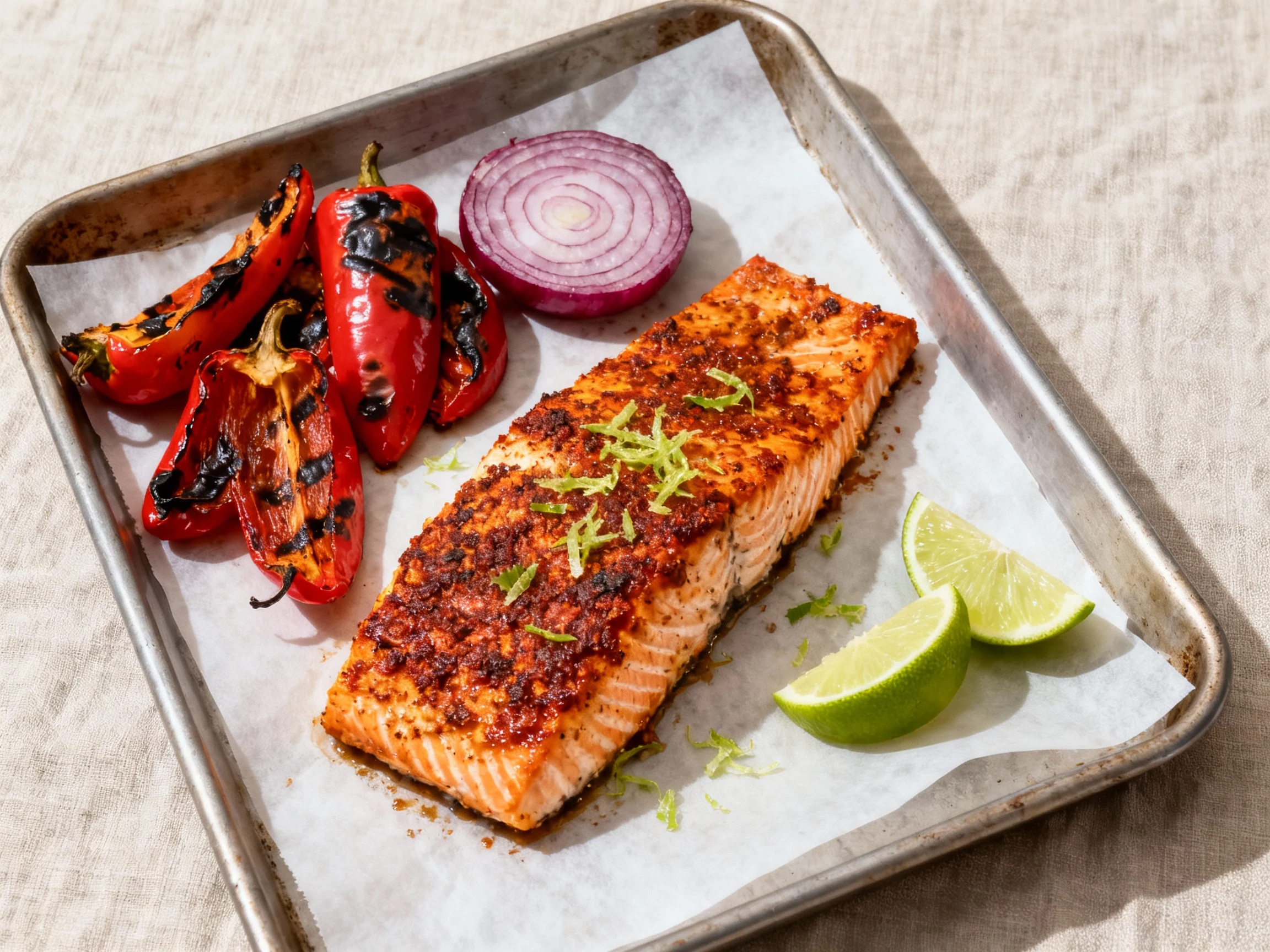
- Cajun-Lime: 2 tsp Cajun seasoning, 1 tsp brown sugar, 1 lime (zest + juice)
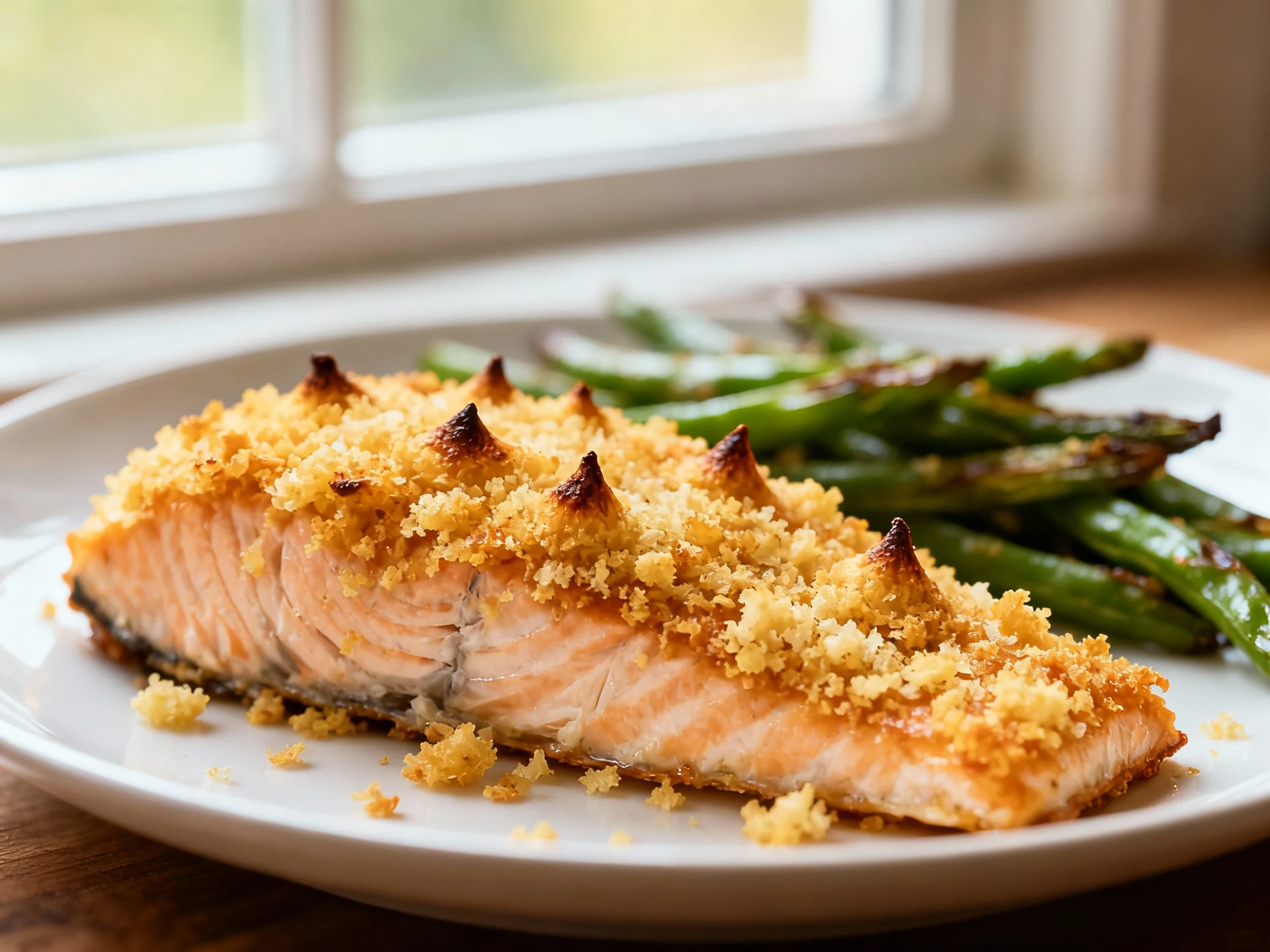
- Panko-Parmesan Crust: 1/2 cup panko, 2 tbsp grated Parmesan, 1 tbsp melted butter, 1 tsp garlic powder
- Pesto: 3 tbsp basil pesto, plus extra for drizzling
Optional Vegetables (sheet-pan sides)
- Asparagus, broccolini, or green beans
- Cherry tomatoes or sliced bell peppers
- Thinly sliced red onion or shallots
- Baby potatoes (parboil 5–7 minutes first for perfect timing)
- Capers (for finishing flourish)
How to Make It – Instructions
- Preheat the oven: Go with 425°F (218°C) for speedy, caramelized edges; use 300–325°F for slow, ultra-tender fillets. Choose your adventure.
- Prep the pan: Line a sheet pan with foil or parchment. Lightly oil it to prevent sticking and to help browning.
- Dry and season: Pat salmon very dry with paper towels. Rub with oil, then sprinkle salt and pepper on all sides (extra on the thicker end).
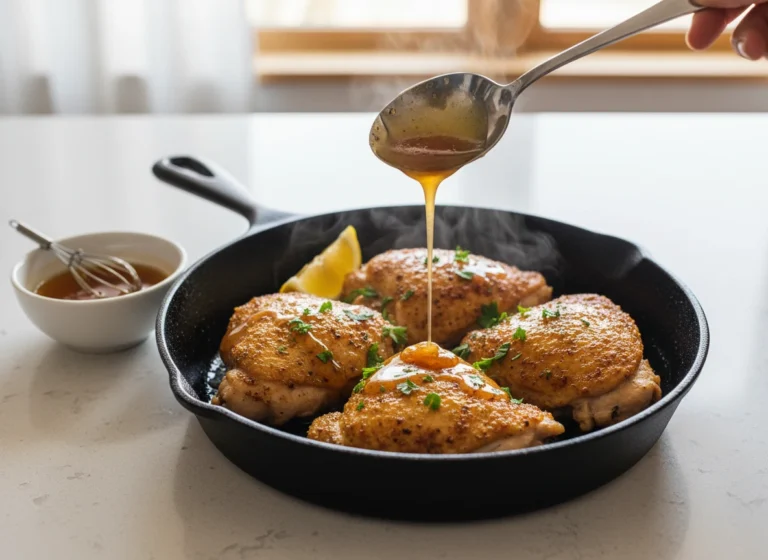
- Add a flavor path: Brush on Honey-Dijon, spread miso-ginger paste, or top with lemon-herb. For panko topping, press the crumb mixture gently onto the fish.
- Arrange veggies (if using): Toss vegetables with oil, salt, and pepper. Roast them for 10 minutes first at 425°F, then add salmon to the same pan so everything finishes together.
- Bake: At 425°F, average fillets (about 1-inch thick) take 8–12 minutes. At 300–325°F, plan on 18–25 minutes. FYI: Thicker center-cut pieces lean longer.
- Check doneness: Aim for 125–130°F in the thickest part for juicy, medium results; the USDA mark is 145°F. The flesh should flake but still look slightly translucent in the center.
- Optional finish: For extra color, broil on high for 1–2 minutes. Keep the pan in the center of the oven to avoid burning the topping.
- Rest and serve: Let the salmon rest 3 minutes. Finish with lemon juice, herbs, and a few capers. Serve hot with the roasted veggies or a crisp salad.
Preservation Guide
Fridge: Store cooked salmon in an airtight container for up to 3–4 days. Keep sauces separate if you can; they taste fresher that way.
Freezer: Cool completely, wrap tightly, and freeze for 2–3 months. Portion the fillets before freezing so you can thaw only what you need.
Reheat gently: Use a 275°F oven for 10–15 minutes until just warm, or a covered skillet over low heat with a tablespoon of water. Microwaves work in a pinch, but go low power and short intervals to avoid overcooking.
Re-purpose like a pro: Flake leftover salmon into salads, grain bowls, tacos, or a dill-yogurt wrap. It also shines in a quick fried rice or omelet.
Raw storage tip: If you plan to cook later, keep raw fillets on ice in the fridge and use within 1–2 days for best quality.
Nutritional Perks
- High-quality protein: About 34–40g protein per 6-oz cooked portion, depending on the cut and species.
- Omega-3 powerhouse: Roughly 1.5–2.5g EPA/DHA per serving supports heart, brain, and joint health.
- Micronutrients that matter: Vitamin D, B12, selenium, and potassium come built-in. Call it delicious insurance.
- Lower in carbs, higher in satiety: You stay satisfied without heavy starches. That’s convenient on busy nights.
- Smart fats: Salmon provides anti-inflammatory fats and pairs well with olive oil, nuts, and greens for a balanced plate.
Numbers vary by species (Atlantic vs. sockeye) and by cooking method, but the macro picture stays strong: protein-forward, nutrient-dense, and satiating.
Common Mistakes to Avoid
- Overcooking: The fastest way to ruin salmon. Pull at 125–130°F for medium unless you need USDA 145°F.
- Skipping the pat-dry step: Moisture blocks browning and dilutes your seasoning. Blot like you mean it.
- Wrong temperature for the goal: Want crisp edges? Use 425°F. Want ultra-tender? Use 300–325°F.
- Ignoring thickness: A tail piece cooks faster than a center-cut. Stagger timing or pair similar sizes on the same pan.
- Overcrowding the pan: Leave space so steam can escape. Crowding equals pale, soggy results—hard pass.
- Forgetting carryover heat: Salmon keeps cooking for a minute or two after you pull it. Factor that in, IMO.
- Not checking for pin bones: Run fingers along the fillet and pull any bones with tweezers. Your guests will thank you.
- Dumping sweet sauces too early: Sugary glazes can burn. Add them in the last 3–5 minutes or broil briefly.
Different Ways to Make This
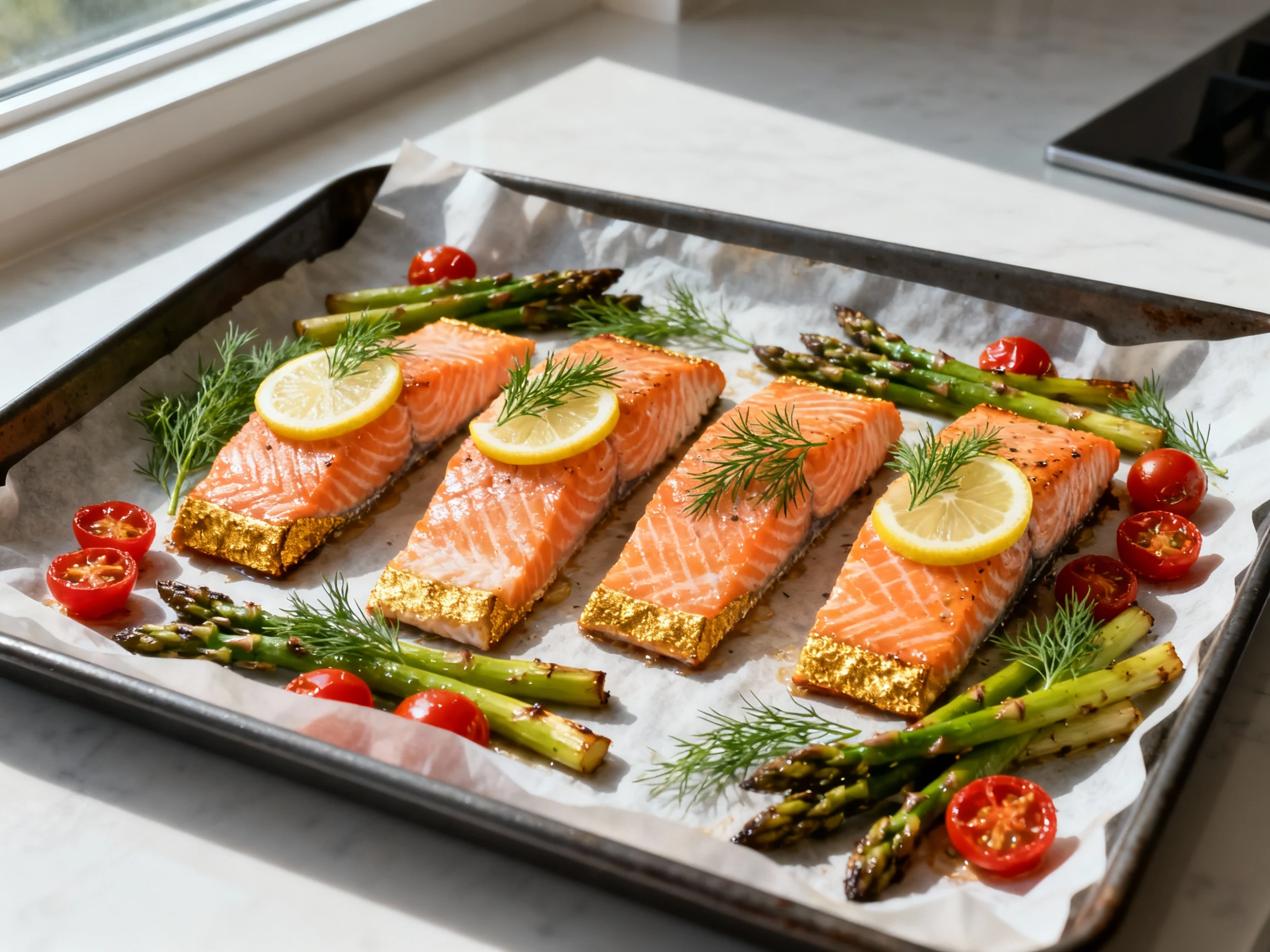
- Sheet-Pan Classic: Roast salmon with asparagus and cherry tomatoes at 425°F. Finish with lemon and dill for clean, bright flavors.
- Slow-Baked, Silky Texture: Bake at 300°F with olive oil, thyme, and garlic. Expect custardy, ultra-tender flakes.
- Panko-Parmesan Crust: Press on panko, Parmesan, and butter. Bake at 425°F until golden; broil 1 minute for crunch.
- Miso-Ginger Umami: Stir miso, ginger, soy, and sesame oil. Spread thinly; bake at 400°F. Add scallions and sesame seeds to serve.
- Maple-Soy Glaze: Whisk soy, maple, garlic, and a pinch of chili flakes. Brush on halfway through so it caramelizes, not burns.
- Pesto Drizzle: Bake with salt, pepper, and oil. Spoon pesto on after cooking so it stays bright and fragrant.
- Cajun-Lime Heat: Rub with Cajun spice and brown sugar. Squeeze lime after baking for punchy, balanced heat.
- Foil Packets: Seal salmon with lemon slices and herbs in foil for mess-free steaming and zero cleanup.
- Family-Style Side: Roast a whole side of salmon at 400°F for 12–18 minutes. Garnish with herbs, capers, and a citrus shower at the table.
FAQ
What temperature should I bake salmon?
For caramelized edges and speed, use 425°F. For super-tender results, use 300–325°F. At 400°F, you’ll land in the middle: slightly longer cook, moderate browning, very reliable results.
How long does salmon take to bake?
A good rule of thumb is 8–12 minutes at 425°F for 1-inch thick fillets. Thicker pieces can take 12–15 minutes. Always check the center for doneness and aim for 125–130°F for juicy, medium results.
Should I bake salmon covered or uncovered?
Go uncovered for better browning and concentrated flavor. Use foil packets only if you want a more steamed texture or need to keep sauces contained.
Skin on or skinless—what’s better?
Skin-on protects the flesh and keeps moisture in. It also releases easily from the pan when cooked. If you prefer skinless, oil the pan well and lift carefully with a thin spatula.
Can I bake salmon from frozen?
Yes. Rinse off ice crystals, pat dry, and season generously. Bake at 400–425°F for 15–22 minutes depending on thickness. Check temperature and add a glaze in the last few minutes to avoid burning sugars.
Do I need to marinate salmon?
No. Spreading a quick paste (miso-ginger), a brush of mustard-honey, or a sprinkle of spices gives big flavor fast. If you do marinate, keep it short—15–30 minutes is plenty.
What’s the white stuff that leaks out, and how do I prevent it?
That’s albumin—coagulated protein. It’s harmless, but you can minimize it by cooking at moderate heat, not overcooking, and bringing fish closer to room temp for 10–15 minutes before baking.
How do I know when salmon is done without a thermometer?
Gently press the top; it should flake easily but still feel juicy, not firm and dry. The center should look slightly translucent. If you see seeping juices and tiny white albumin beads, you’re very close.
The Bottom Line
If you want fast, foolproof dinners that taste like you fussed, bake your salmon. You’ll get consistent, tender results with endless flavor spins and almost no cleanup. Keep an eye on temperature, season boldly, and finish with fresh citrus and herbs. That’s the whole playbook—and it crushes weeknights, every time.
Printable Recipe Card
Want just the essential recipe details without scrolling through the article? Get our printable recipe card with just the ingredients and instructions.