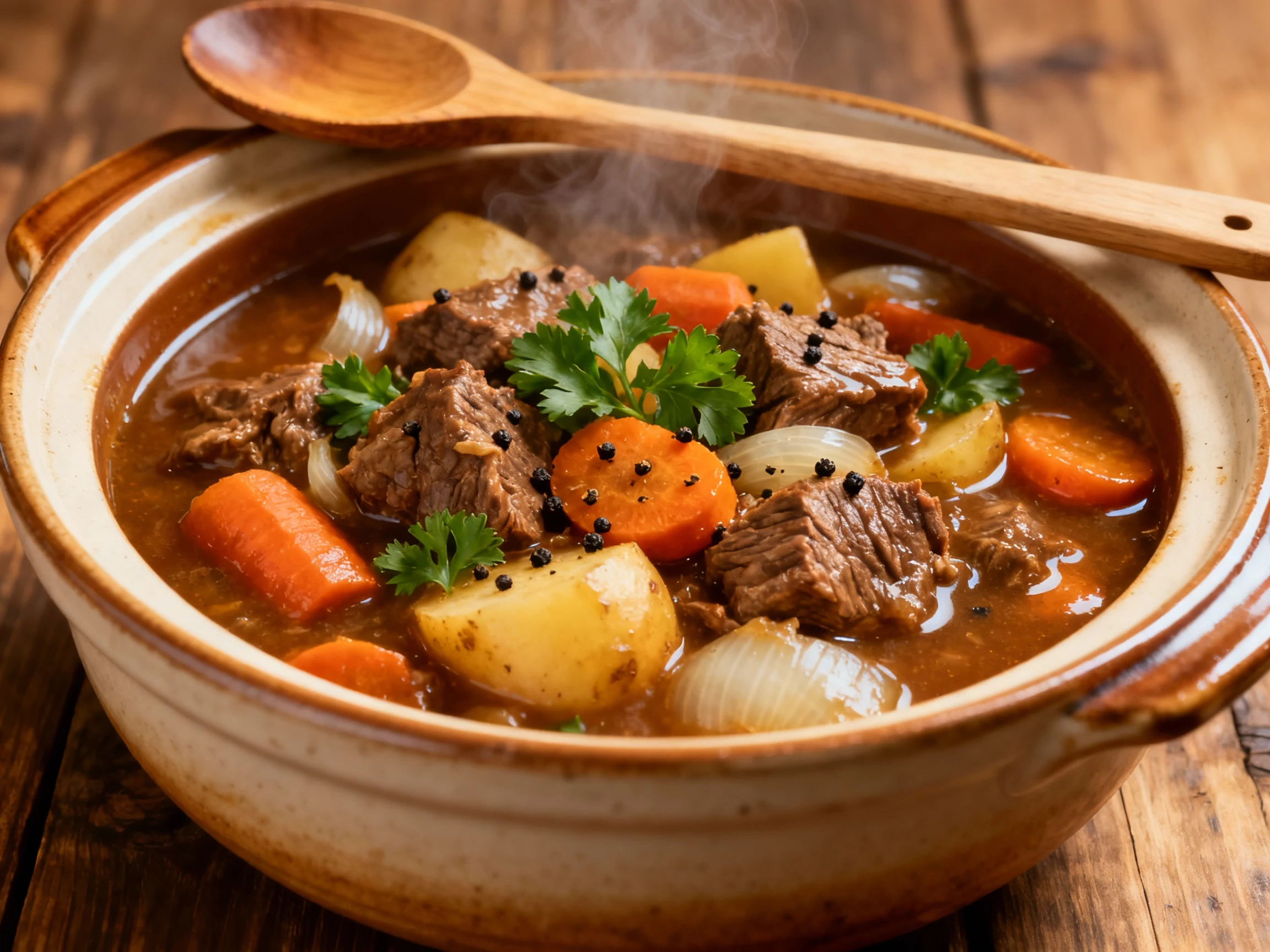
Hawaiian Beef Stew Recipe for Cozy Island Style Comfort Tonight
Weeknight-friendly island comfort food with deep, tomato-ginger flavor, pantry staples, and fall-apart beef—no fancy tools, just one pot.
If your week needs a win, this is it. We’re talking big, bold, tomato-rich broth, fork-tender beef, and hearty veggies that actually taste like they did some gym time. Sear, simmer, and suddenly your kitchen smells like the world’s best plate lunch spot. Make a pot once, eat like royalty for days—because leftovers hit even harder.
Why You’ll Love This Recipe
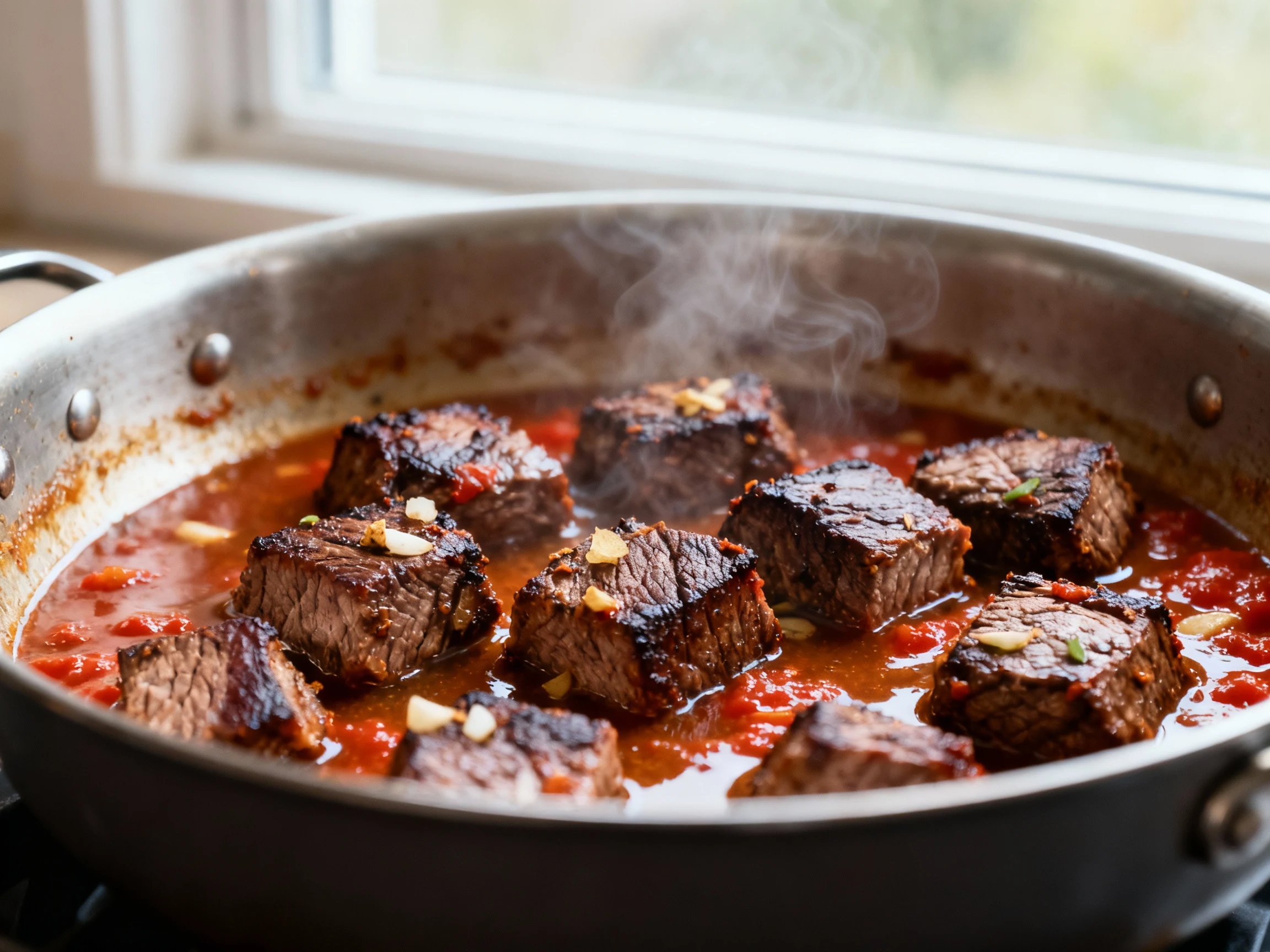
- Serious comfort with minimal effort: A quick sear, a slow simmer, and dinner basically cooks itself.
- Island-style flavor: Tomato, shoyu, garlic, and a whisper of ginger bring that unmistakable local-style vibe.
- Feeds a crowd (or future you): Generous batch, perfect for meal prep, potlucks, or cold-night seconds.
- Budget-friendly: Chuck roast transforms into melt-in-your-mouth greatness without fancy cuts.
- One-pot simplicity: Less mess, more flavor. FYI, your sink is already thanking you.
- Customizable: Swap veggies, tweak seasonings, or thicken to your preferred spoon-coating glory.
What You’ll Need (Ingredients)
- 2.5 lb beef chuck roast, trimmed and cut into 1.5-inch cubes
- 2 tsp kosher salt (or Hawaiian salt), plus more to taste
- 1 tsp freshly ground black pepper
- 2 tbsp neutral oil (avocado, canola, or vegetable)
- 1 large yellow onion, diced
- 3 cloves garlic, minced
- 1-inch piece fresh ginger, grated (optional but recommended)
- 3 tbsp tomato paste
- 1 can (14.5 oz) diced tomatoes with juices
- 4 cups beef broth (low-sodium preferred)
- 2 tbsp shoyu (soy sauce)
- 1 tbsp Worcestershire sauce (optional, adds depth)
- 1 tbsp brown sugar (optional, balances acidity)
- 2 bay leaves
- 4 medium carrots, peeled and cut into chunky pieces
- 3 medium potatoes (Yukon Gold or russet), peeled and cut into chunks
- 2 celery stalks, sliced
- 1 cup frozen peas (optional, added at the end)
- 2 tbsp cornstarch + 2 tbsp water (optional slurry for thickening)
- Cooked short-grain rice, for serving
- Chopped parsley or green onions, for garnish (optional)
How to Make It – Instructions
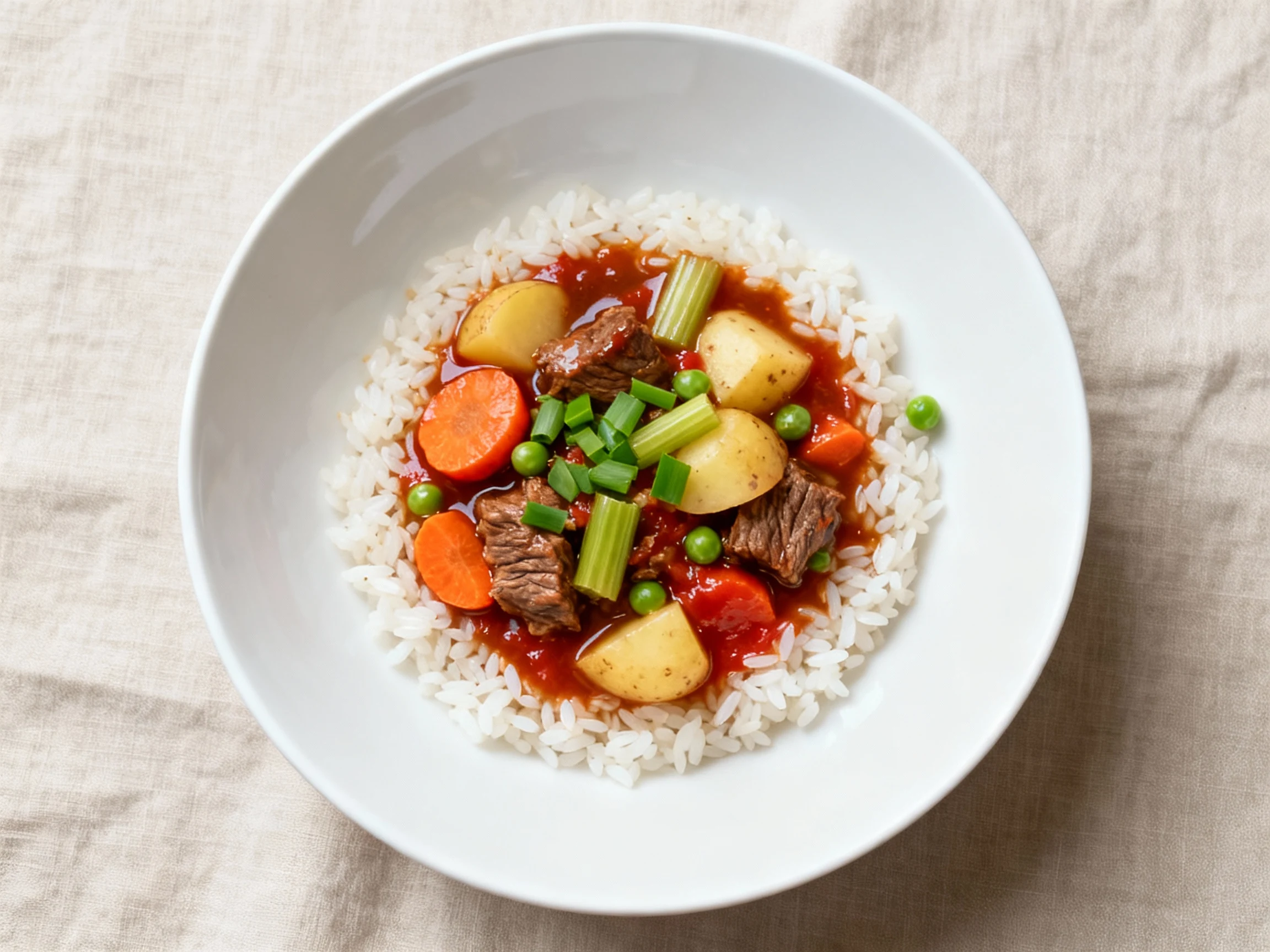
- Season and prep the beef: Pat the beef dry. Toss with 2 tsp salt and 1 tsp pepper. Dry beef = better browning.
- Sear in batches: Heat 2 tbsp oil in a heavy pot over medium-high. Sear beef in 2–3 batches until deeply browned, about 7–8 minutes per batch. Transfer to a bowl; do not crowd the pot.
- Soften aromatics: Drop heat to medium. Add diced onion with a pinch of salt and cook 5 minutes until translucent. Stir in garlic and ginger for 1 minute until fragrant.
- Build the base: Add tomato paste; cook, stirring, for 2 minutes to caramelize slightly. Deglaze with a splash of broth, scraping up browned bits (that’s free flavor).
- Simmer the stew: Return beef and juices. Stir in diced tomatoes, beef broth, shoyu, Worcestershire (if using), brown sugar (if using), and bay leaves. Bring to a gentle simmer.
- Low and slow: Reduce heat to low, cover slightly ajar, and simmer for 60 minutes, stirring occasionally. Keep it barely bubbling—vigorous boiling toughens meat.
- Add veggies: Stir in carrots, potatoes, and celery. Continue simmering until beef is fork-tender and veggies are soft, about 30–40 minutes.
- Adjust and thicken: Remove bay leaves. Taste and adjust salt/shoyu. For a thicker stew, stir in the cornstarch slurry and simmer 2–3 minutes until glossy.
- Finish and serve: Stir in peas during the last 3 minutes (if using). Let stew rest 10 minutes, then ladle over hot rice. Garnish as you like and accept compliments graciously.
How to Store
- Fridge: Cool completely, then store in airtight containers for up to 4 days. It’s even better on day two.
- Freezer: Portion into freezer-safe containers and freeze for up to 3 months. Leave a little headspace for expansion.
- Reheat: Warm gently on the stove over medium-low with a splash of water or broth. Microwaving works, but stir halfway to avoid hot spots.
- Rice tip: Store rice separately. Reheat rice with a sprinkle of water and cover to steam back to life.
- Skim the fat: After chilling, lift off solidified fat for a leaner bowl and cleaner flavor.
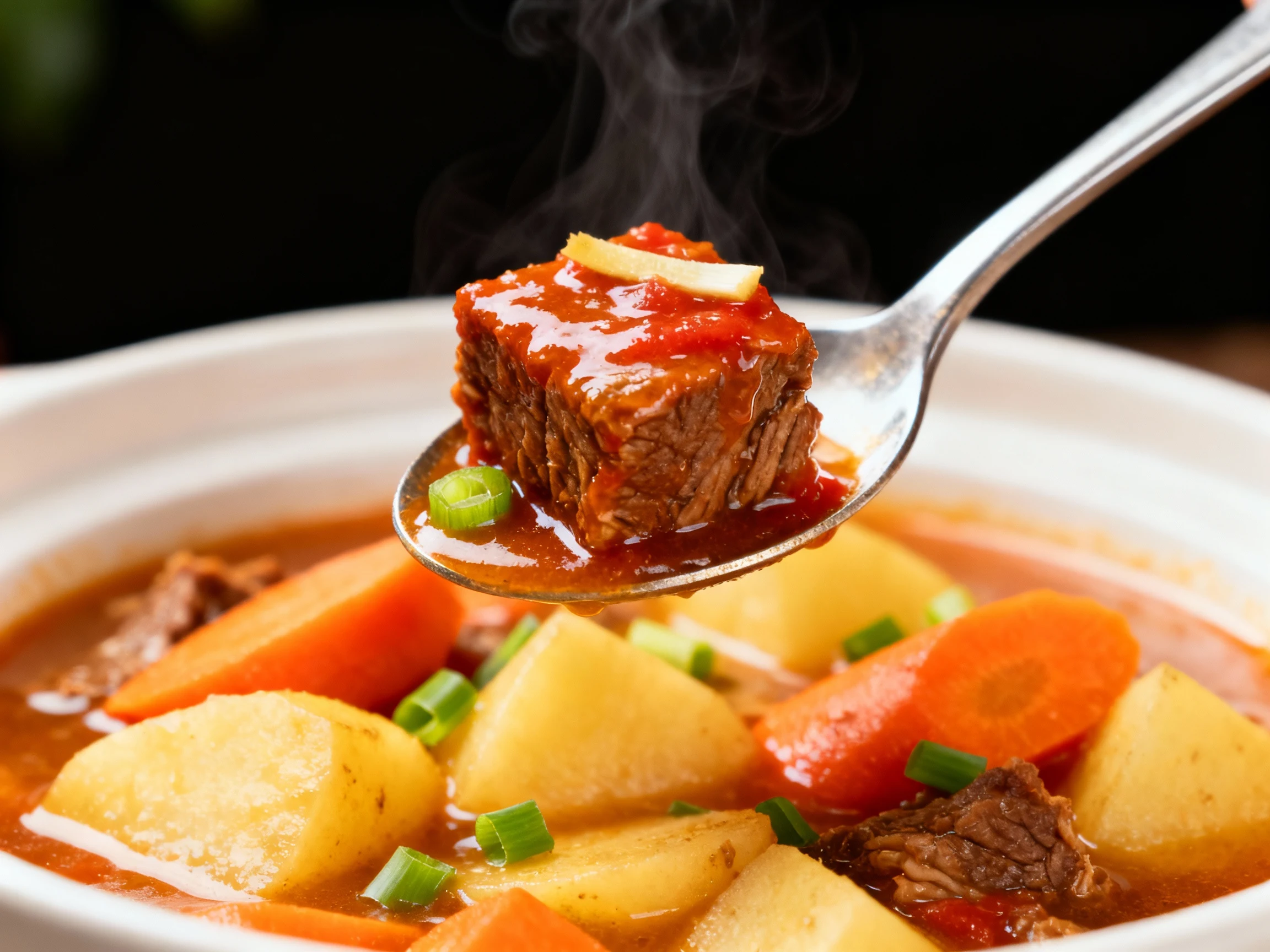
Health Benefits
High-quality protein: Beef provides essential amino acids for muscle repair and satiety. When simmered low and slow, you extract collagen and gelatin that add body and satisfaction.
Vegetable power: Carrots offer beta-carotene (vitamin A), potatoes bring potassium and vitamin C, and celery contributes hydration and antioxidants. Peas add a touch of fiber and plant protein.
Tomato goodness: Cooked tomatoes are rich in lycopene, an antioxidant associated with heart health. The long simmer makes it more bioavailable—science with a spoon.
Smart sodium control: Use low-sodium broth and adjust shoyu to taste. A quick skim of fat and a squeeze of lemon at the end can brighten flavor so you use less salt.
Balanced meal: Over rice, this delivers carbs, protein, and micronutrients in one bowl. Swap part of the rice for extra veggies if you want to lighten it up.
Avoid These Mistakes
- Skipping the sear: Browning builds flavor. A pale stew is a sad stew—TBH, it tastes flat.
- Boiling, not simmering: Aggressive boiling tightens beef fibers and can make veggies mealy. Keep it at a gentle burble.
- Overcrowding the pot: Sear in batches. If meat steams, you miss that Maillard magic.
- Adding potatoes too early: They’ll break down and cloud the stew. Add them in the last 30–40 minutes.
- Heavy-handed thickening: Start with a small slurry. You can always add more; undoing gummy stew is… not fun.
- Under-seasoning: Taste at the end. A splash of shoyu or a pinch of salt wakes everything up.
- Forgetting the rest: Five to ten minutes off heat lets flavors settle and thicken naturally.
Alternatives
- Different cuts: Try boneless short ribs or brisket for extra richness; bottom round works if you extend the simmer.
- Flavor tweaks: Old-school local versions add 2–3 tbsp ketchup for tangy sweetness. You can also toss in a pinch of Hawaiian chili pepper flakes for gentle heat.
- Veg swaps: Sub sweet potatoes for regular potatoes, or add bell peppers in the last 15 minutes for color and crunch.
- Gluten-free: Use tamari instead of shoyu and a GF Worcestershire (or skip it). Cornstarch is naturally GF.
- Lower-carb: Serve over cauliflower rice or skip the rice and add extra vegetables.
- No cornstarch: Reduce uncovered for the last 20 minutes, or lightly mash a few potato pieces to thicken naturally.
- Pressure cooker: Instant Pot on High Pressure 35 minutes, natural release 15 minutes, then add vegetables and pressure 5 minutes more.
- Slow cooker: Sear beef and aromatics first, then cook on LOW 7–8 hours (veggies in for the last 2–3 hours). IMO, searing is non-negotiable.
- Protein twist: For a lighter pot, use boneless skinless chicken thighs and reduce simmer time; for vegetarian, combine mushrooms and jackfruit for meaty texture.
FAQ
What cut of beef works best?
Beef chuck is your MVP—affordable, marbled, and built to get tender with time. Brisket and boneless short ribs are great options if you want a richer finish. Lean cuts like sirloin tend to dry out and stay tough in a long simmer.
Can I make this in an Instant Pot?
Yes. Sauté to sear the beef and aromatics, add liquids, and pressure cook on High for about 35 minutes. Let pressure release naturally for 15 minutes, add the veggies, then cook 5 minutes more; thicken with a slurry if you like.
How do I thicken the stew without cornstarch?
Simmer uncovered to reduce and concentrate. You can also mash a few potato chunks right in the pot to release starch, or make a quick butter-flour paste (beurre manié) and whisk it in at the end.
Is soy sauce traditional in this style of stew?
Local-style versions often include shoyu for savory depth and gentle sweetness. It plays beautifully with tomato and beef, enhancing umami without overpowering. Start with 2 tablespoons and adjust to taste.
Can I make it ahead?
Absolutely. Stew tastes even better the next day as flavors meld. Cool, chill overnight, skim any solidified fat, and reheat gently—perfect for stress-free entertaining.
Why is my beef still tough?
Two likely culprits: not enough time or too vigorous a boil. Keep it at a low simmer and give it another 20–30 minutes; connective tissue needs patience to break down into tenderness.
Should I add pineapple?
It’s not typical in this stew and can swing the flavor toward sweet-sour territory. If you’re craving brightness, try a squeeze of lemon at the end or a spoon of ketchup for tang instead.
What should I serve with it?
Hot short-grain rice is classic, soaking up that savory tomato broth. A side of macaroni salad or a simple green salad makes it a complete plate-lunch experience at home.
Wrapping Up
This pot brings big island comfort with zero drama: seared beef, a tomato-shoyu backbone, and tender veggies swimming in a glossy broth. It’s hearty enough for Sunday family dinner but easy enough for a Tuesday you forgot to plan. Make it once, lock in your simmer-and-win routine, and watch it become the most requested “just make that again” dish in your rotation.
Grab a heavy pot, queue up your favorite playlist, and let the low simmer do the heavy lifting. One bowl in, and you’ll get why this classic keeps showing up on real tables, year after year.
Printable Recipe Card
Want just the essential recipe details without scrolling through the article? Get our printable recipe card with just the ingredients and instructions.