Beef Stew Seasoning That Turns Weeknights Into Comfort Gold
Pantry spice blend for weeknight bowls: faster browning, richer gravy, and repeatable flavor without measuring 12 jars.
You don’t need a culinary degree; you need leverage. One smart blend can give cheap chuck roast the kind of depth that makes people ask for thirds. The secret isn’t a mystery ingredient—it’s the right ratios plus timing that make your pot taste like a restaurant’s. Build a mix once, use it on autopilot, and stop guessing with random pinches. If you want big flavor without fuss, this is how you lock it in.
What Makes This Special
Flavor stacking beats ingredient hoarding. Instead of sprinkling 15 things blindly, you use a balanced base that hits savory, herbal, warm spice, and gentle heat. That framework gives you a stew that tastes layered, not muddy.
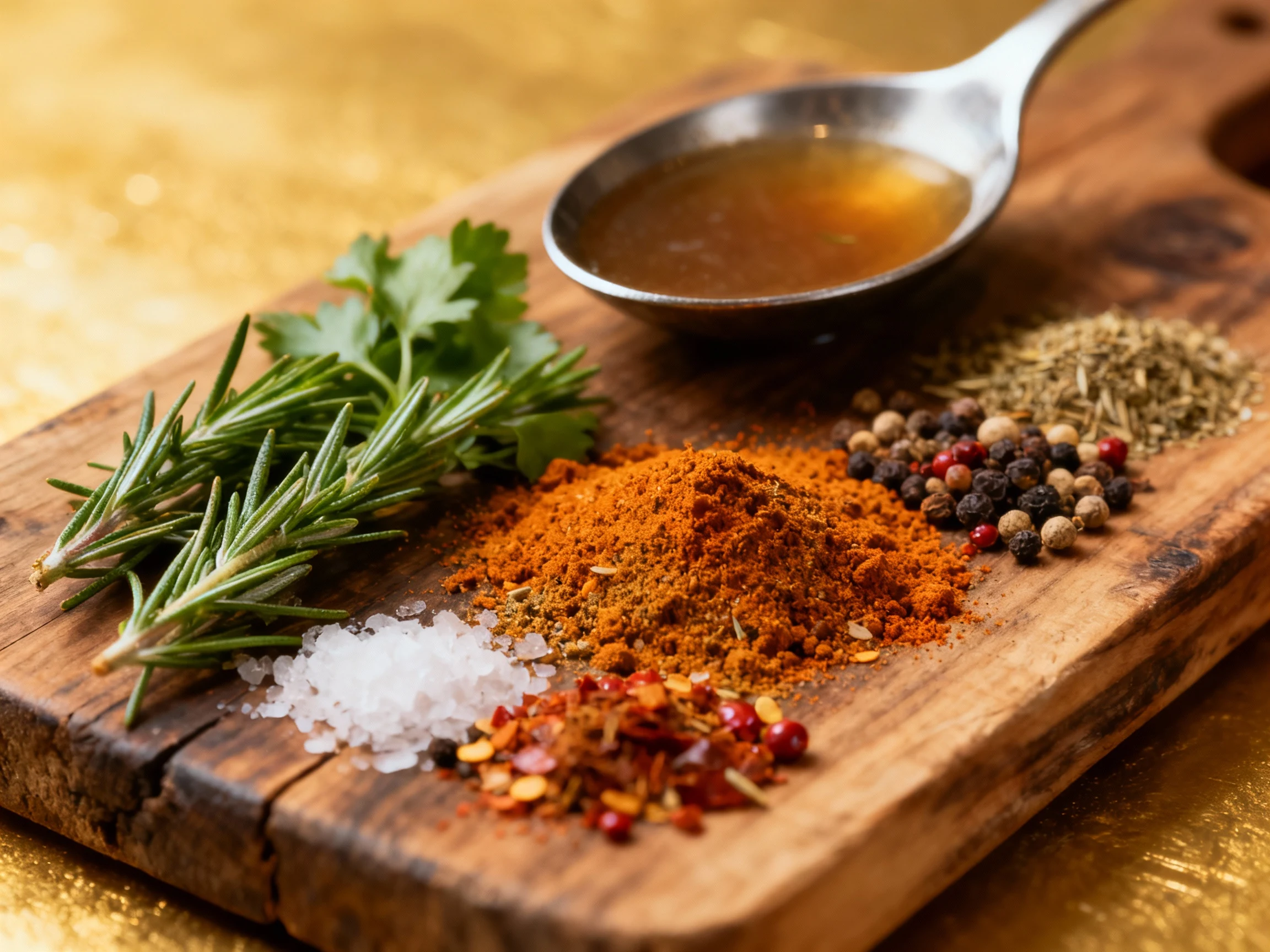
Here’s the simple framework: 4–3–2–1. Think in parts, not chaos—4 parts paprika (sweet + a touch of smoked) for body and color, 3 parts aromatics (garlic + onion) for savory backbone, 2 parts herbs (thyme, oregano, rosemary) for lift, and 1 part warm spice (coriander + allspice) for that “can’t place it but I love it” vibe. Add celery seed for stew-specific depth, and a pinch of heat to wake it up.
Salt strategy matters. You can build salt into the blend for speed or keep it separate for control. I prefer a low-salt blend so you can season the beef and the broth precisely without overshooting. FYI, different salts measure differently, so control beats chaos.
Umami boosters seal the deal. Tomato paste, Worcestershire, soy sauce, mushroom powder—these make the stew taste long-simmered even on a Tuesday. Use them with the blend to push richness without greasiness.
Ingredients Breakdown
For the core spice blend (about 1/2 cup):
- 2 tablespoons sweet paprika
- 1 tablespoon smoked paprika
- 1 tablespoon onion powder
- 1 tablespoon garlic powder
- 2 teaspoons dried thyme
- 2 teaspoons dried rosemary, lightly crushed
- 2 teaspoons dried oregano
- 1½ teaspoons ground black pepper
- 1 teaspoon ground coriander
- 1 teaspoon ground allspice
- 1 teaspoon celery seed, lightly crushed
- 1/2 teaspoon cayenne or red pepper flakes (optional)
- 1/4 teaspoon ground clove (or 1/2 teaspoon cinnamon, optional, for warmth)
- 1 teaspoon brown sugar (optional, balances acidity and bitterness)
- Salt to taste: 1–2 teaspoons fine sea salt or leave salt out and season separately
Umami “cheat codes” (use in the pot, not the jar):
- 2 tablespoons tomato paste
- 1 tablespoon Worcestershire or soy sauce
- 1 tablespoon mushroom powder (or finely chopped dried mushrooms)
- 2 bay leaves (whole, for the simmer)
For a classic pot of stew (6 servings):
- 2½–3 pounds beef chuck, cut into 1½-inch cubes
- 2–3 tablespoons neutral oil (avocado, canola) or beef tallow
- 1 large yellow onion, chopped
- 3 carrots, peeled and chunked
- 2 ribs celery, chunked
- 1 pound potatoes, chunked (Yukon Gold preferred)
- 3 tablespoons all-purpose flour (or use 1 tablespoon cornstarch later)
- 1 cup dry red wine (or dark beer or extra stock)
- 3–4 cups beef stock (low sodium)
- 2 tablespoons tomato paste (from above)
- 1 tablespoon Worcestershire or soy sauce (from above)
- 2 bay leaves (from above)
- Fresh parsley and a splash of vinegar or lemon at the end
Instructions
- Make the blend. In a small bowl, combine all spice blend ingredients. If using salt inside the blend, start at 1 teaspoon and adjust to taste later. Store the rest airtight.
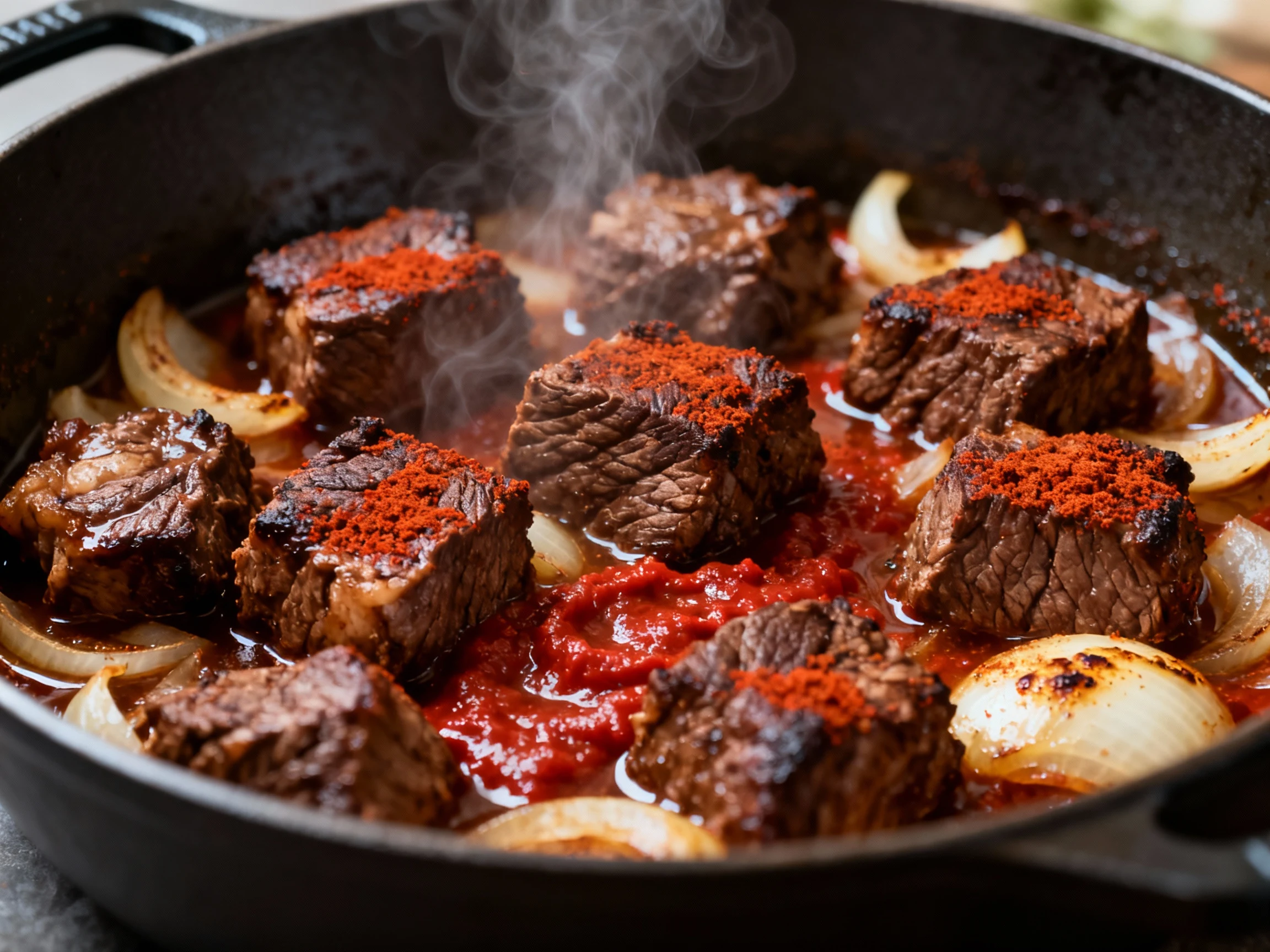
- Season the beef. Pat beef dry. Sprinkle 2–3 teaspoons of the blend per pound of meat plus 1–1½ teaspoons kosher salt per pound if your blend is low-salt. Toss to coat and rest 10–20 minutes while you prep veg.
- Brown like you mean it. Heat oil in a heavy pot until shimmering. Sear beef in batches, not touching, 2–3 minutes per side until deeply browned. Don’t rush; color equals flavor. Remove to a plate.
- Sweat the aromatics. In the same pot, add onion with a pinch of salt. Cook 3–4 minutes, scraping brown bits. Add 1 teaspoon of the blend and the tomato paste; cook 1–2 minutes until the paste turns brick red.
- Deglaze. Pour in red wine. Scrape every last fond bit. Reduce by about half to cook off alcohol and concentrate flavor.
- Build the base. Return beef and juices to the pot. Add stock to barely cover, Worcestershire or soy, bay leaves, and (optional) mushroom powder. Stir. Bring to a simmer.
- Thicken smartly. Whisk flour with a ladle of hot liquid until smooth, then stir it back into the pot. Alternatively, mix 1 tablespoon cornstarch with 2 tablespoons water and add near the end. No floury lumps, please.
- Low and slow. Partially cover and simmer gently until beef is nearly tender, about 60–75 minutes, adjusting heat to keep tiny bubbles—not a rolling boil.
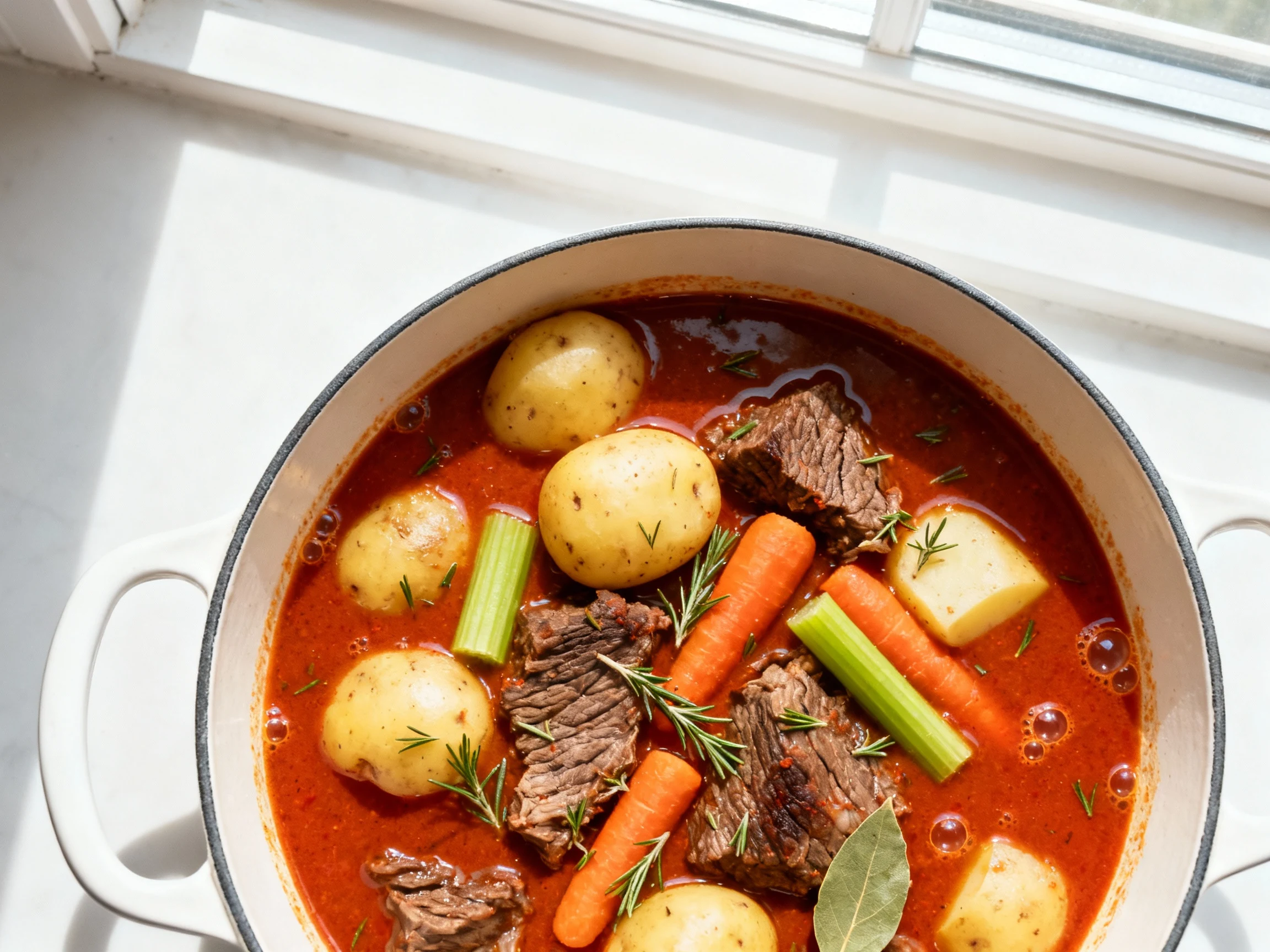
- Add vegetables. Stir in carrots, celery, and potatoes. Sprinkle another 1–2 teaspoons of the blend to season the broth. Simmer until beef is fork-tender and vegetables are soft, about 30–45 minutes.
- Finish and balance. Fish out bay leaves. Taste and adjust salt. Add a splash of red wine vinegar or lemon juice and a handful of chopped parsley. If you like more body, reduce uncovered 5–10 minutes.
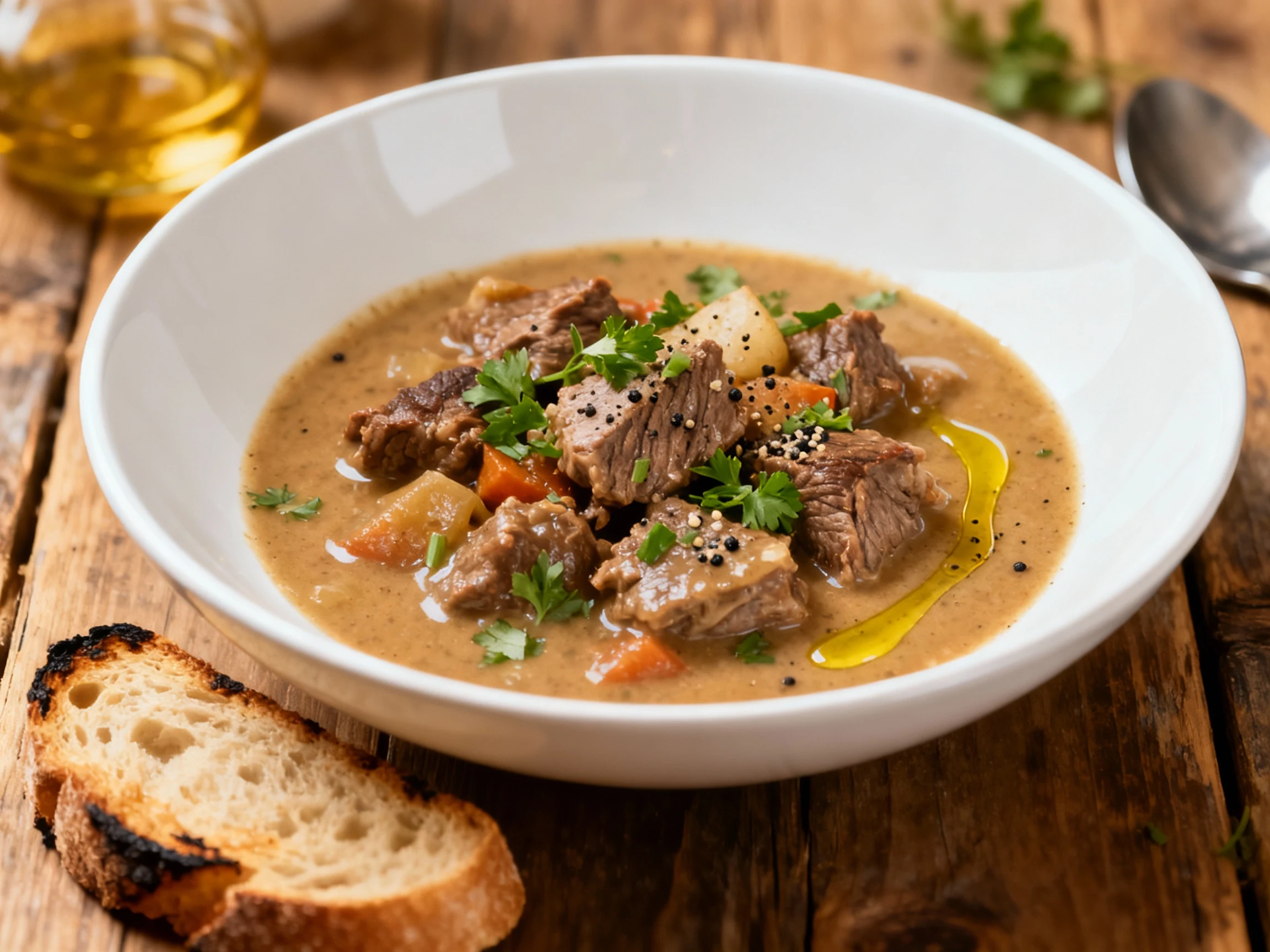
- Rest, then serve. Turn off heat and let the stew sit 10 minutes. The flavors settle, the sauce clings, and yes, it tastes better. Serve with crusty bread like a civilized human.
Instant Pot (pressure cooker) variation: Sear in sauté mode, deglaze, then pressure cook beef + liquid for 35 minutes, quick release, add veg, pressure for 5 minutes, quick release, finish as above.
Slow cooker variation: Sear beef and tomato paste on the stovetop (crucial). Transfer to slow cooker with liquids and half the veg; cook on LOW 7–8 hours. Add remaining veg halfway for better texture. Finish with acid and herbs.
Keeping It Fresh
Store the blend airtight, dark, and dry. Use a glass jar with a tight lid. Light and heat erase potency, so keep it in a cupboard, not over the stove.
Best-by window: Peak flavor for dried spices is 3–6 months. It won’t “go bad,” but it will go boring. Make smaller batches and refresh often.
Label like a pro. Write the blend name, date, and “2 tsp per lb beef” on masking tape. Future you will say thank you. TBH, this single habit upgrades your cooking.
Skip the shaker top. This blend has different particle sizes; a shaker clumps and separates. Spoon it out for even coverage.
Health Benefits
Spice power = antioxidant power. Paprika, thyme, oregano, and rosemary carry polyphenols that support cellular health. Garlic and onion compounds also promote heart health—nice bonus for a comfort classic.
Protein and micronutrients. Beef brings complete protein, iron, zinc, and B12. The stew format adds fiber-rich carrots, celery, and potatoes, which help satiety and recovery.
Smarter sodium. Using a low-salt blend with low-sodium stock gives you control. Season in layers, taste, and stop when it sings—not when the spoon cries.
Better fats, better feels. Use just enough oil to brown. Skim extra fat after the simmer if needed. Olive oil finishes add flavor with a healthier profile, IMO.
What Not to Do
- Don’t burn the spices. Add the blend to oil for 30–60 seconds max. If it smells acrid, you went too far; start over or it’ll taste bitter.
- Don’t crowd the pan. Sear in batches. Steamed beef is sad beef, and no amount of seasoning fixes that.
- Don’t skip the paste step. Toasting tomato paste until dark red adds a roasted note that tastes like hours of simmering.
- Don’t oversalt early. Liquids reduce; salt concentrates. Keep salt modest until the final 10 minutes.
- Don’t dump raw flour. It clumps and tastes chalky. Slurry first or cook it into the paste and onions before adding liquid.
- Don’t forget acidity. A tiny splash of vinegar or lemon at the end brightens everything. Otherwise, your stew can taste flat and heavy.
- Don’t boil hard. Vigorous boiling toughens meat and breaks veg. Gentle simmer = tender bites and glossy sauce.
Recipe Variations
- Guinness Stew: Swap wine for stout. Add 1 teaspoon Dijon and a touch more brown sugar to balance the bitterness.
- Mediterranean Lean: Add lemon zest, extra oregano, and olives at the end. Finish with olive oil and parsley.
- Moroccan-Style: Add 1 teaspoon cumin and 1/2 teaspoon cinnamon, plus dried apricots. Finish with cilantro and toasted almonds.
- Herb-Forward: Reduce paprika by half; add 1 tablespoon herbes de Provence. Keep heat low to protect the delicate notes.
- Smoky Campfire: Increase smoked paprika to 2 tablespoons, add chipotle powder, and finish with a splash of liquid smoke (careful—drops, not glugs).
- Low-Sodium Pro: Omit salt in the blend. Use salt-free stock, boost with mushroom powder and a touch of vinegar for perceived saltiness.
- Carb-Smart: Swap potatoes for rutabaga or turnips. Thicken with a cornstarch slurry instead of flour.
- Vegetable Boost: Add parsnips and mushrooms. The blend still shines; the extra veg adds sweetness and umami.
FAQ
How much seasoning should I use per pound of beef?
Use 2–3 teaspoons of the blend per pound, plus salt if your blend is low-salt. Start conservative, then taste the broth mid-simmer and adjust with another 1–2 teaspoons if needed.
Can I make the blend without salt?
Yes. In fact, I recommend it for control. Season the meat with salt separately, then season the broth near the end so you don’t overshoot as it reduces.
Do fresh herbs work instead of dried?
Use dried for the blend—they hold flavor in storage and stand up to long cooking. Add fresh herbs like parsley or thyme sprigs during the last 10 minutes for a bright finish.
What if my stew tastes bitter?
Likely culprits: burned spices or tomato paste, or too much heat. Fix it with a small pinch of sugar, an extra splash of stock, and a teaspoon of vinegar. Next time, toast spices gently and keep a gentle simmer.
Can I skip the wine?
Absolutely. Use more stock and add 1 teaspoon vinegar or lemon juice near the end. You’ll still get depth from the blend, Worcestershire/soy, and tomato paste.
What’s a good substitute for celery seed?
Use 1/2 teaspoon ground fennel or a pinch of caraway. Different profile, but it keeps that “savory stew” character live and well.
How long does the blend last?
For best flavor, use within 3–6 months. Spices don’t spoil quickly, but they fade. If it doesn’t smell vibrant, it won’t taste vibrant—refresh it.
Should I marinate the beef with the spice mix?
Short rests (15–60 minutes) help the salt diffuse and the spices adhere. Longer than a couple hours doesn’t add much unless you’re using an acidic marinade, which you don’t need here.
Can I use this seasoning on other proteins?
Yes. It’s fantastic on lamb, venison, or mushrooms. For chicken, cut the allspice and clove by half and boost lemon or vinegar at the end.
How do I thicken without flour?
Use a cornstarch slurry (1 tablespoon cornstarch + 2 tablespoons cold water) stirred in during the last 5 minutes, or reduce the stew uncovered to concentrate naturally.
Wrapping Up
You don’t need more ingredients—you need a smarter system. This blend gives you repeatable, high-signal flavor with low effort, whether you’re simmering on Sunday or hustling on Wednesday. Make the jar once, use it by the spoonful, and let the pot do the work. Your weeknights just got cozier, faster, and way more delicious.
Printable Recipe Card
Want just the essential recipe details without scrolling through the article? Get our printable recipe card with just the ingredients and instructions.