Recipes With Stew Meat Beef to Win Busy Weeknights
Make weeknight dinners faster and cheaper with tender, saucy meals using beef stew meat—one-pot tricks, bold flavor, zero stress.
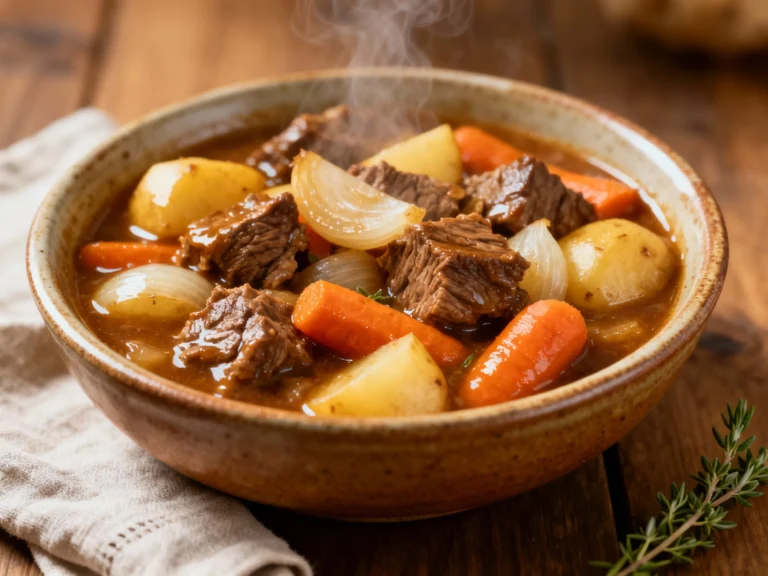
You’ve got 30 minutes before the “What’s for dinner?” chorus starts. You also want food that hits like a restaurant, but doesn’t torch your budget. Enter the humble beef stew meat: small cubes, big upside, and the kind of flavor that makes you look like you put in hours. The playbook below turns tougher cuts into buttery bites with minimal hassle. And yes, we’re squeezing maximum ROI from every minute and every ingredient—because weeknights don’t care how tired you are.
Why You’ll Love This Recipe
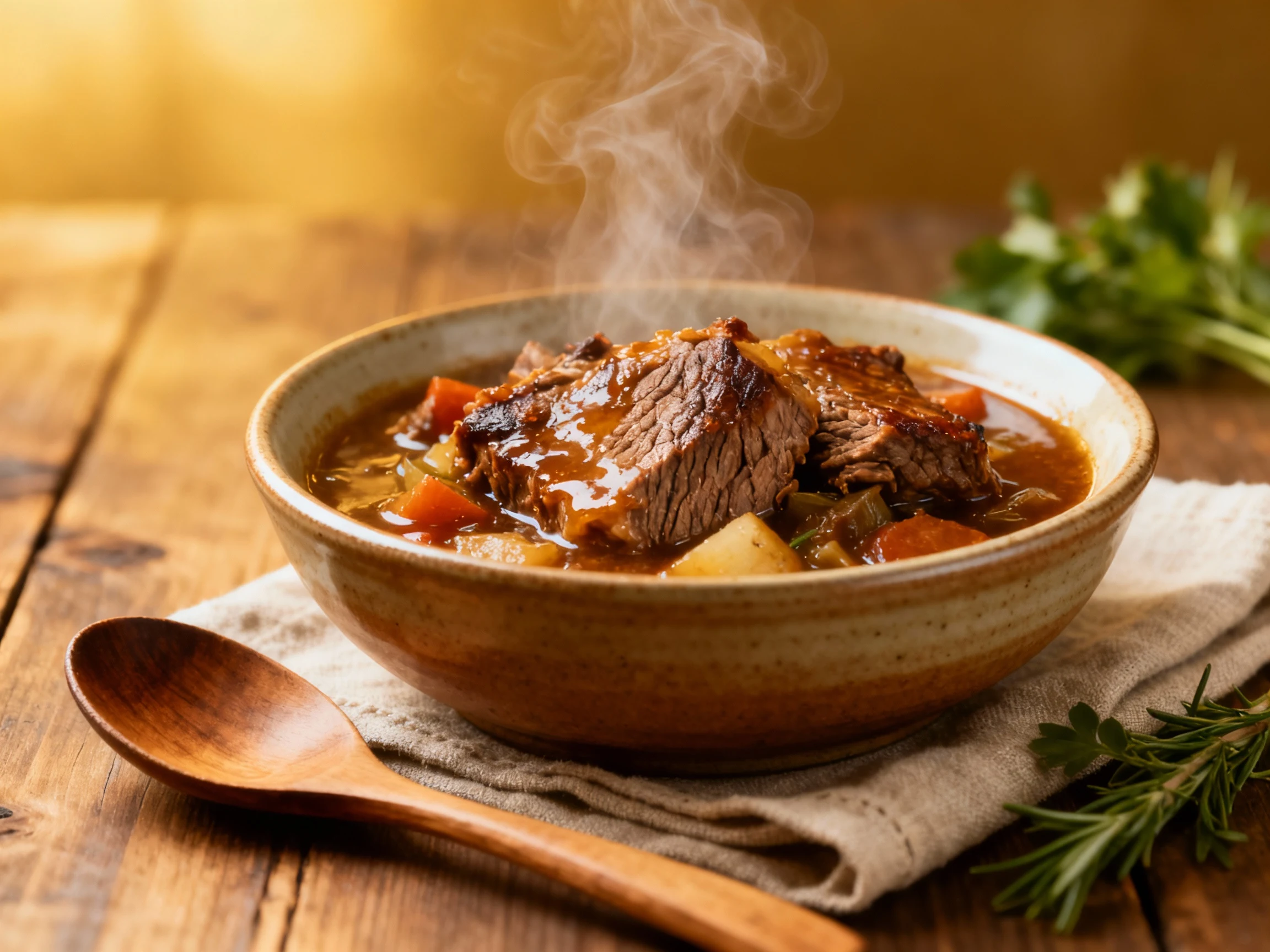
This is your weeknight power move. It’s flexible, forgiving, and built to handle whatever’s in your fridge. Make it once with the method that fits your gear—stovetop, Instant Pot, or slow cooker—and repeat it with new flavors all month.
- High reward, low effort: Browning and a smart braise do the heavy lifting while you multitask.
- Budget-friendly: Stew meat costs less than fancy steaks but delivers serious richness.
- One-pot efficiency: Fewer dishes, fewer headaches, more dinner wins.
- Flexible methods: Stovetop, Instant Pot, or slow cooker—choose your adventure.
- Built-in meal prep: Reheats like a dream and gets even better the next day. FYI: the sauce deepens overnight.
- Family-approved: Comfort vibes with customizable flavor profiles (mild to bold).
Ingredients
- 2 pounds beef stew meat (cut into 1–1.5 inch cubes, trimmed)
- 1.5 teaspoons kosher salt (plus more to taste)
- 1 teaspoon black pepper
- 2 tablespoons olive oil (or avocado oil)
- 1 tablespoon butter (optional, for extra browning flavor)
- 1 large onion, diced
- 3 cloves garlic, minced
- 2 tablespoons tomato paste
- 2 teaspoons smoked paprika (regular paprika works too)
- 1 teaspoon dried thyme (or Italian seasoning)
- 1 bay leaf
- 8 ounces mushrooms, sliced (optional but awesome)
- 2 medium carrots, peeled and sliced
- 1 pound baby potatoes, halved (or 2 cups diced waxy potatoes)
- 1 cup low-sodium beef broth
- 1 cup crushed or diced tomatoes (fire-roasted if you like smoky depth)
- 1 tablespoon Worcestershire sauce
- 1 tablespoon red wine vinegar (or 1/2 cup red wine; optional but clutch for brightness)
- 1–2 teaspoons cornstarch (optional, for quick thickening)
- Fresh parsley, chopped (for garnish)
Substitutions: Use chicken or vegetable broth if needed; swap potatoes for parsnips or turnips; replace mushrooms with bell peppers if you prefer. Grain-free? Skip the cornstarch and simmer longer to reduce.
Let’s Get Cooking – Instructions
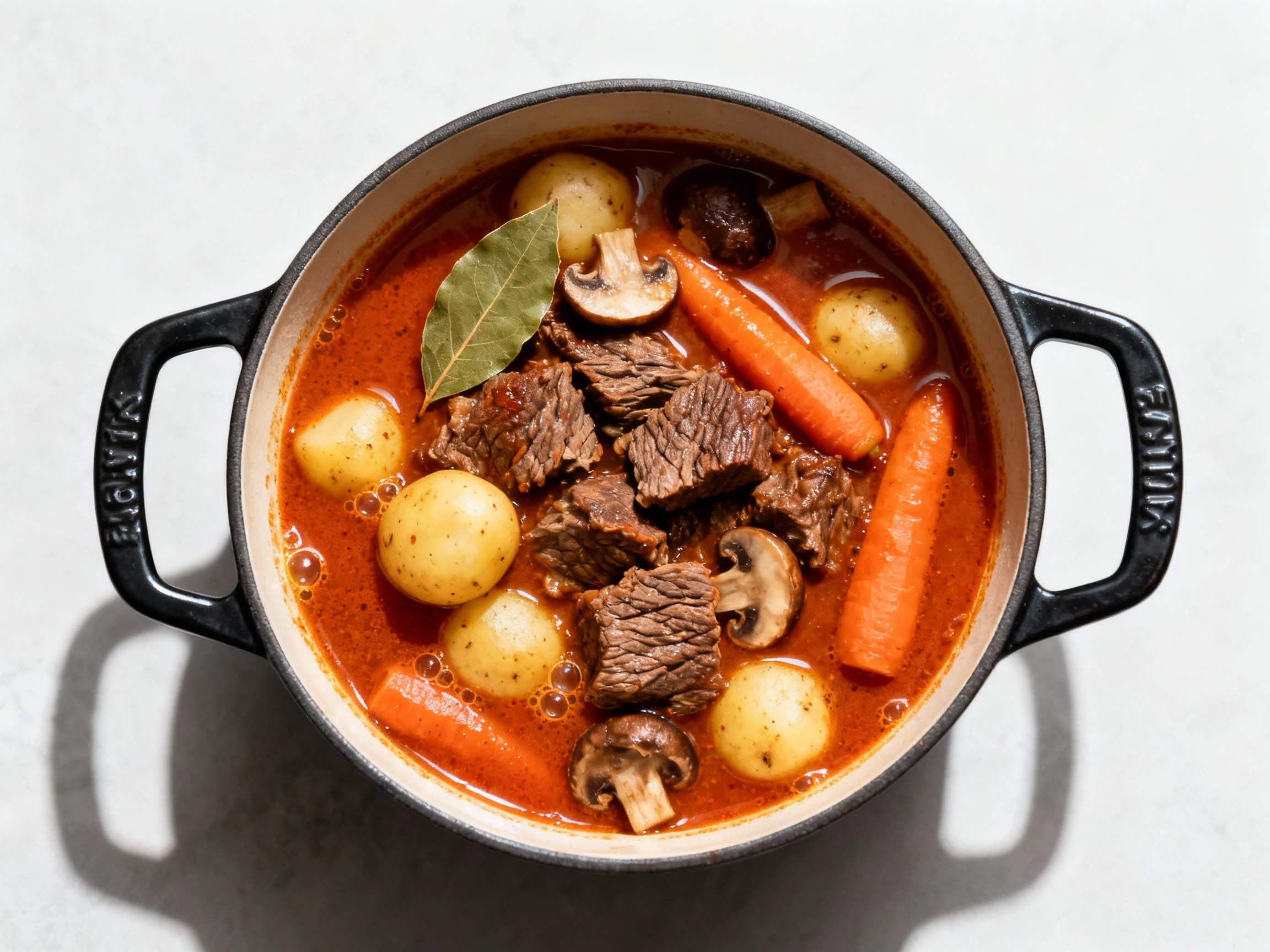
- Prep the beef: Pat the stew meat dry with paper towels. Season with 1 teaspoon salt and the black pepper. Dry meat browns better—moisture is the enemy here.
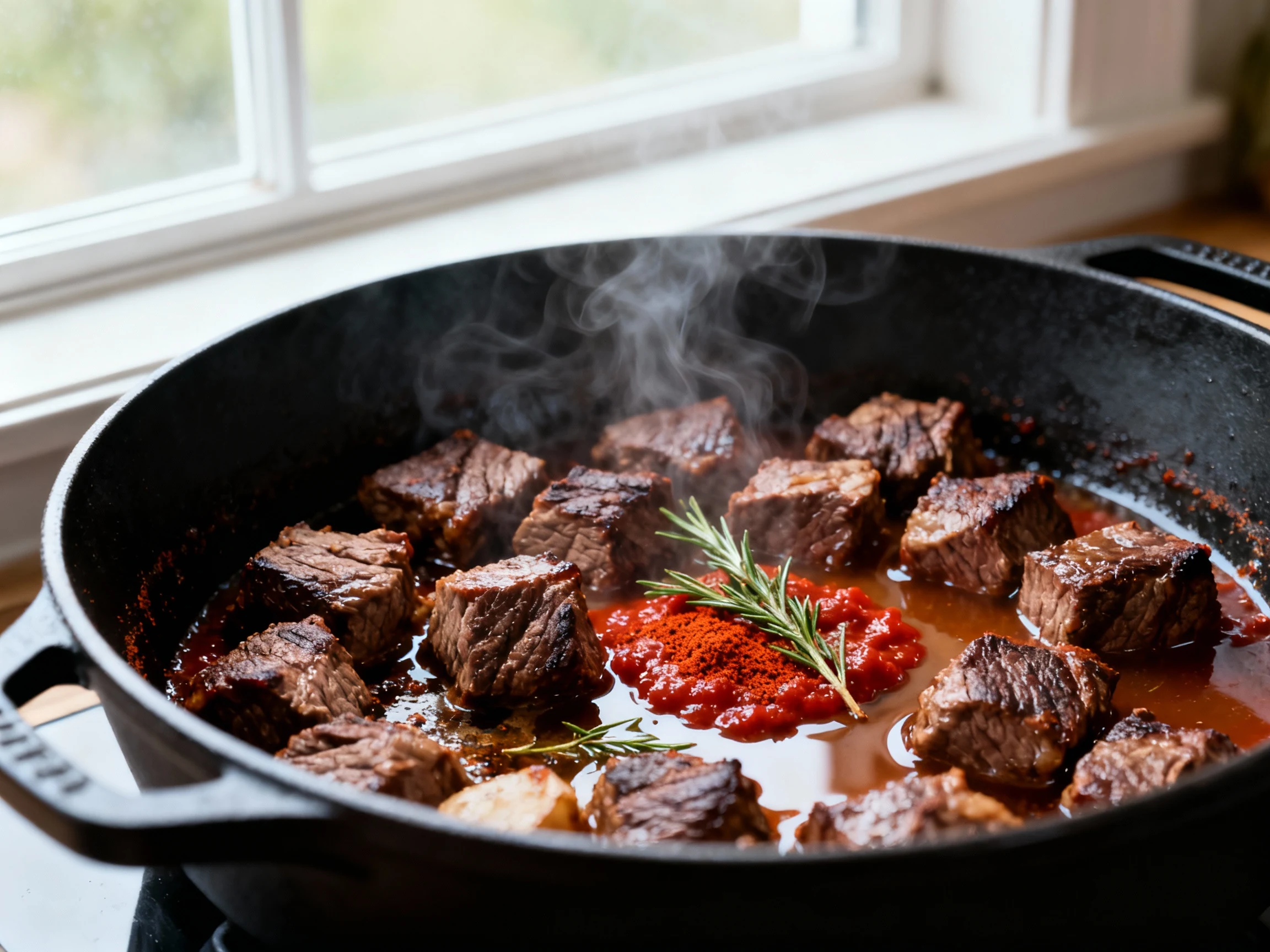
- Brown in batches: Heat the olive oil (and butter, if using) in a heavy pot or Dutch oven over medium-high. Sear half the beef until deeply browned on at least two sides (about 4–5 minutes). Remove to a bowl; repeat with the rest. Don’t overcrowd or you’ll steam, not sear.
- Sweat the aromatics: Reduce heat to medium. Add onion; cook until translucent (3–4 minutes). Stir in garlic and tomato paste; cook 1 minute until the paste darkens slightly. That’s flavor money.
- Season and deglaze: Add paprika, thyme, and bay leaf; stir 30 seconds. Pour in Worcestershire and a splash of broth to deglaze, scraping up brown bits with a wooden spoon. Those bits are liquid gold.
- Add the liquids: Return the beef and juices to the pot. Add remaining broth and tomatoes. Bring to a gentle simmer.
- Add veggies: Stir in mushrooms, carrots, and potatoes. Taste and add the remaining 0.5 teaspoon salt (adjust later if needed).
- Choose your method:
- Stovetop: Cover and simmer on low until beef is fork-tender, 60–75 minutes. Stir occasionally to prevent sticking.
- Instant Pot: Transfer to the IP, set to Manual/Pressure Cook for 35 minutes, natural release 10 minutes, then quick release.
- Slow Cooker: Cook on Low for 6–8 hours or High for 3.5–4.5 hours. Brown the beef first on the stove for best flavor.
- Finish with acid: Stir in red wine vinegar (or the red wine simmered for 5 minutes). That little hit wakes everything up.
- Thicken (optional): Mix cornstarch with 2 tablespoons cold water; stir into the pot and simmer 2–3 minutes until glossy. Alternatively, remove the lid and reduce for 10 minutes.
- Taste and adjust: Add more salt, pepper, or a pinch of brown sugar if the tomatoes are too tangy. Balance is the name of the game.
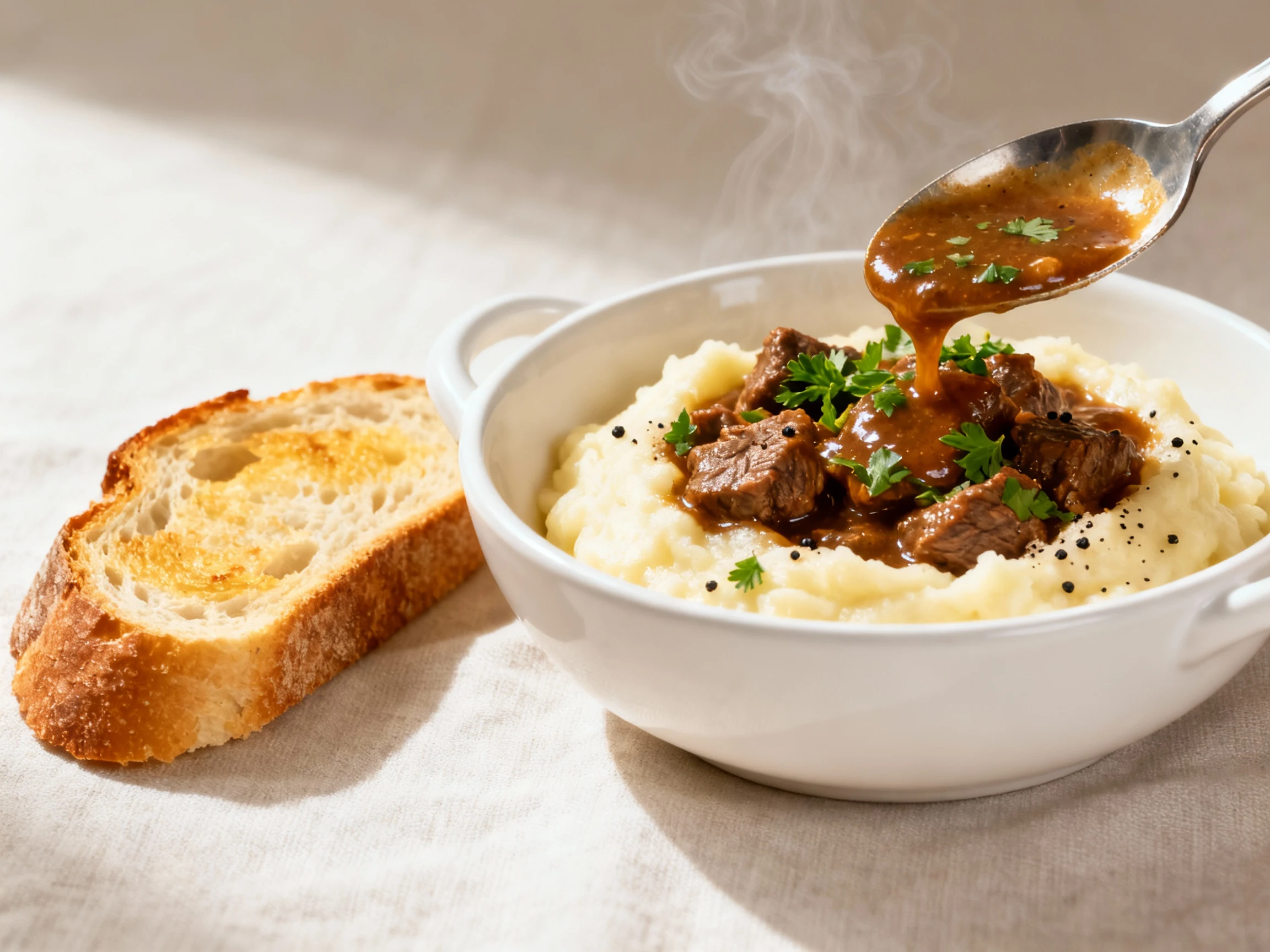
- Serve: Garnish with parsley and ladle into bowls over rice, mashed potatoes, or crusty bread. From “tough cubes” to “buttery bites” in record time.
Storage Tips
- Cool fast: Let the stew cool uncovered for 15–20 minutes, then refrigerate within 2 hours.
- Fridge: Store in airtight containers for 4–5 days. The flavor actually improves by day two.
- Freezer: Freeze up to 3 months. Thaw overnight in the fridge and reheat gently with a splash of broth.
- Reheat smart: Low and slow on the stove works best. Microwave in 60–90 second bursts, stirring between rounds.
- Leftover glow-up: Shred/twist a few beef cubes and make tacos, a baked potato topper, or a grilled cheese dunker. IMO, leftovers are an asset.
Health Benefits
- Protein-rich: Beef stew meat provides high-quality protein for muscle repair and satiety.
- Micronutrient boost: Iron, zinc, and B vitamins support energy and immunity—key for busy schedules.
- Collagen potential: Slow braising helps extract connective tissue, contributing to a richer mouthfeel and gelatin.
- Veggie power: Carrots, onions, and mushrooms add fiber, antioxidants, and complex carbs for balanced fuel.
- Smart swaps: Use low-sodium broth and control salt to keep it heart-friendly without sacrificing flavor.
- Better appetite control: Protein plus fiber equals steady energy and fewer late-night snack raids.
Pitfalls to Watch Out For
- Skipping the sear: Don’t. Browning = depth. A quick sear amplifies flavor and sauce complexity.
- Boiling too hard: A rolling boil toughens meat. Keep it at a gentle simmer for tenderness.
- Overcrowding the pot: Sear in batches or you’ll steam the meat and lose that crust.
- Underseasoning: Taste at the end; tomatoes and broth can dull salt perception. Adjust confidently.
- Adding acid too soon: Vinegar or wine added early can slow tenderizing. Finish with acid at the end.
- Wrong potato choice: Use waxy potatoes (Yukon/baby) to avoid mush. Russets break down fast.
Different Ways to Make This
- Classic Red Wine & Herbs: Swap 1 cup broth for red wine; add rosemary. Luxurious, date-night energy.
- Smoky Paprika & Peppers: Add roasted red peppers and extra smoked paprika; finish with lemon zest.
- Garlic-Mushroom Stroganoff: Stir in 1/2 cup sour cream and a splash of Dijon at the end; serve over egg noodles.
- Tex-Mex Barbacoa Bowls: Add chipotle in adobo, cumin, and oregano; shred beef and serve over rice with lime.
- Ginger-Soy One-Pot: Replace Worcestershire with soy sauce; add ginger and a dash of sesame oil; top with scallions.
- Tomato-Basil Ragù: Go heavy on tomatoes and garlic; finish with torn basil; serve with polenta or pasta.
- Curry-Style Massaman: Stir in mild curry paste and coconut milk; potatoes and peanuts for a cozy twist.
- Beer-Braised: Swap broth for a malty ale; add mustard and brown sugar for a pub-worthy finish.
FAQ
What exactly is stew meat, and is it good quality?
Stew meat is typically cut from tougher, flavorful muscles like chuck or round. It’s perfect for braising, which breaks down collagen and turns it silky. Quality varies—look for well-marbled cubes with consistent size for even cooking.
Do I really need to brown the meat?
Yes. Browning builds complex flavors through the Maillard reaction, giving your sauce backbone and depth. Skipping it can leave your stew tasting flat. If you’re short on time, brown at least half the meat for a noticeable payoff.
How do I keep the meat from turning tough?
Control heat and time. Keep the liquid at a gentle simmer (or pressure cook with natural release), and give it enough time to break down. Toughness usually means it needs more time—not more heat.
Can I use frozen stew meat?
You can, but thawing first is best for even browning. If you must cook from frozen, skip the sear initially, start the braise, then sear small batches in a separate pan and add back in. It’s a workaround, but it delivers flavor.
How do I thicken the sauce without cornstarch?
Reduce uncovered on the stove, mash some potatoes or carrots directly into the sauce, or whisk in a small knob of cold butter off heat for a silky finish. All three options avoid thickeners and still create body.
Can I make this without tomatoes?
Absolutely. Use extra beef broth, a splash of soy sauce, and a little mustard for savoriness. Reduce to desired thickness and add vinegar at the end for brightness.
What’s the best liquid for braising?
Low-sodium beef broth is reliable. For richer flavor, mix broth with red wine or dark beer. The key is enough liquid to partially submerge the meat without drowning it—concentration beats dilution.
How do I meal prep with this?
Make a double batch and freeze portions. Reheat gently and repurpose: spoon over baked sweet potatoes, toss with pasta, stuff into tortillas, or top rice bowls. The sauce is a cheat code for fast next-day meals.
In Conclusion
Stew meat isn’t fancy—but it’s a secret weapon if you treat it right. With a solid sear, smart liquid, and the right finish, you’ll get tenderness and depth that taste like you worked all afternoon. Choose your method, pick a flavor lane, and let the pot do the heavy lifting. Weeknight dinner: handled, with style and zero panic, FYI.
Printable Recipe Card
Want just the essential recipe details without scrolling through the article? Get our printable recipe card with just the ingredients and instructions.