Vietnamese Beef Stew for Busy Nights — Rich Bright Comfort
Weeknight-friendly braise with lemongrass, star anise, and carrots—minimal prep, maximum flavor, and a cozy bowl that tastes like home.
You know that bowl of food that fixes your day in one bite? This is it. Big aromatics, melt-in-your-mouth beef, and that citrusy-lifted broth that makes you think, “Okay, I’m winning.” It’s bold like a restaurant flex, yet simple enough for Tuesday. And when the spoon hits the bowl, your brain goes quiet and your taste buds go loud—exactly how comfort should feel.
Why This Recipe Works
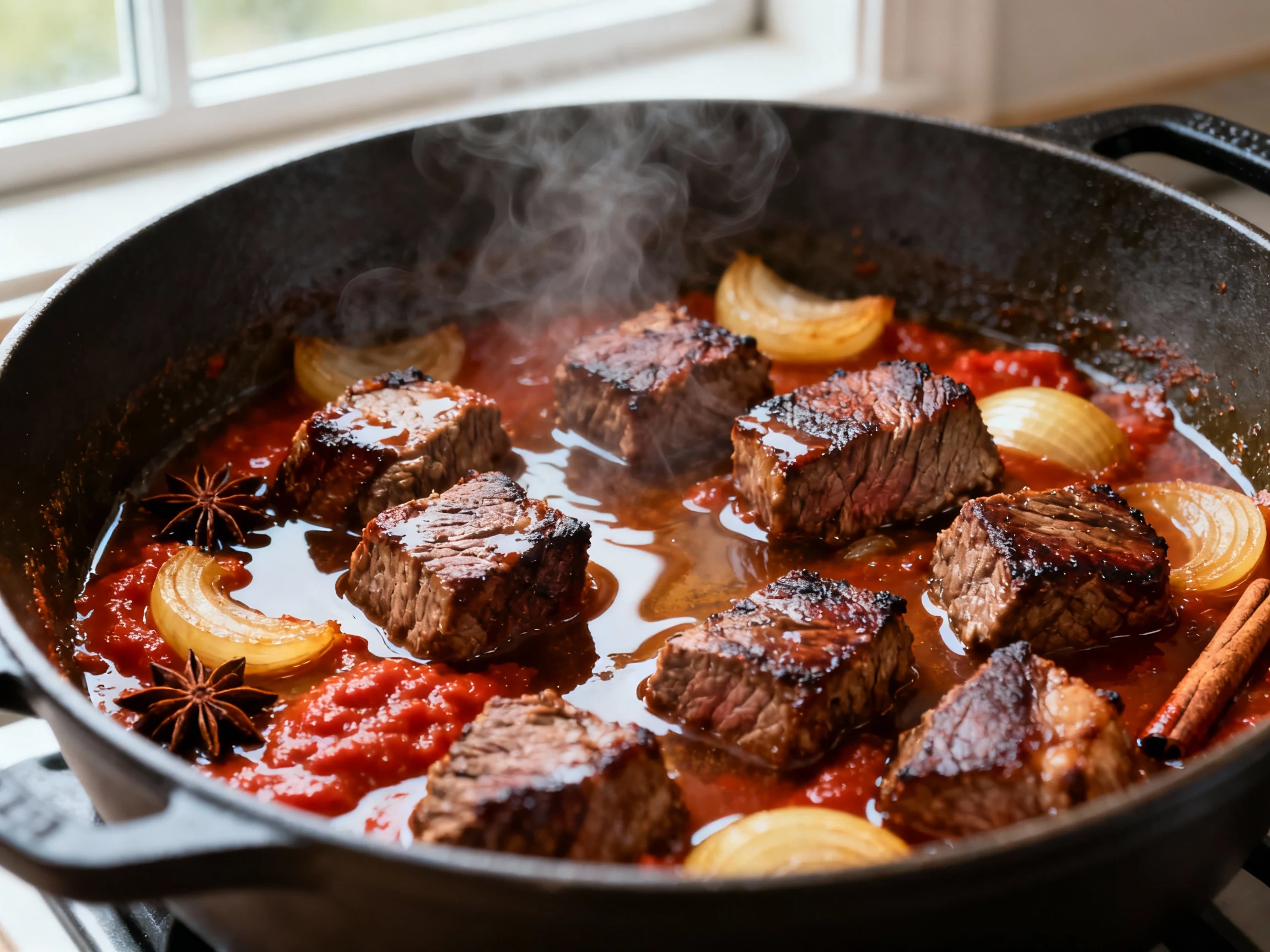
Great stew lives and dies by its aromatics, and we stack them like pros. Lemongrass, star anise, cinnamon, and tomato paste build a deep, fragrant base that’s unmistakably Southeast Asian while staying familiar. We add a little paprika or annatto for color and warmth, so the sauce looks as good as it tastes.
Texture matters. We use beef chuck cut into hefty chunks so it stays juicy after a long simmer. A quick sear builds a crust, locks in flavor, and gives those precious browned bits that transform into pure umami when you deglaze.
Balance is the name of the game. Fish sauce brings savory depth, carrots and daikon add natural sweetness, and a squeeze of citrus at the end makes everything pop. It’s the difference between “pretty good” and “oh wow.”
Finally, we keep the technique friendly. You’ll marinate, sear, and simmer—no culinary gymnastics required. The result? A broth that almost feels buttery, vegetables that stay tender, and beef that yields with a nudge from your spoon.
Ingredients Breakdown
For the Beef and Marinade
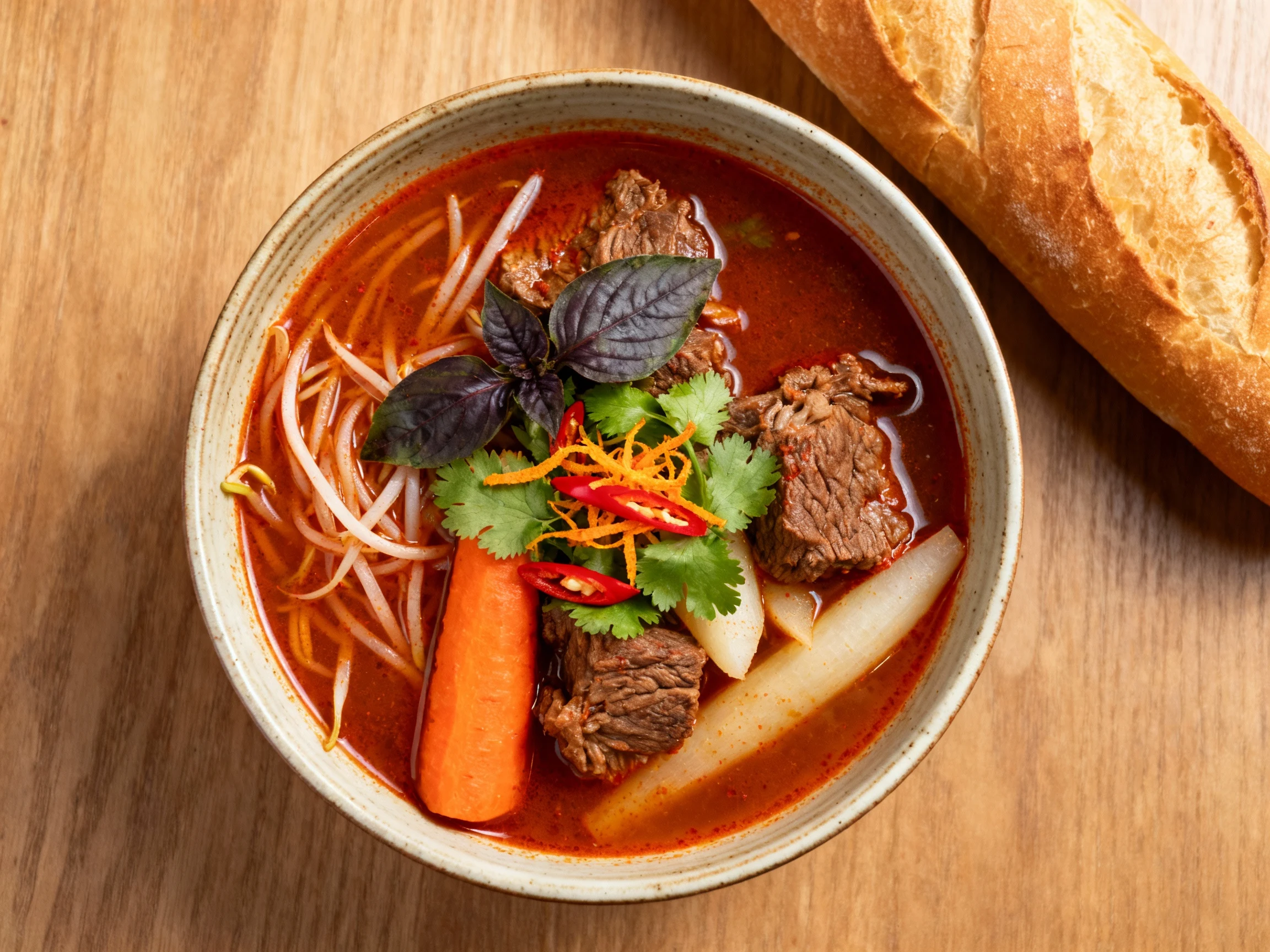
- 2.5 lb beef chuck, cut into 1.5-inch cubes
- 3 stalks lemongrass, white parts only, finely chopped
- 6 garlic cloves, minced
- 1 large shallot, minced
- 2-inch piece ginger, grated
- 2 tbsp fish sauce
- 1 tbsp soy sauce (optional, for extra savoriness)
- 1 tsp five-spice powder (optional but classic)
- 2 tsp paprika or annatto powder (for color)
- 1 tsp brown sugar
- 1.5 tsp kosher salt
- 1 tsp freshly ground black pepper
For the Stew
- 2 tbsp neutral oil (or annatto oil if you have it)
- 2 tbsp tomato paste
- 1 medium yellow onion, thinly sliced
- 1 cinnamon stick
- 3 whole star anise pods
- 2 bay leaves (optional)
- 4 cups beef broth (low-sodium is best)
- 1 cup coconut water or water
- 1 lb carrots, peeled and cut into chunks
- 1 lb daikon radish, peeled and cut into chunks (optional but recommended)
- 1 red chili (Fresno or Thai), sliced (optional for heat)
- 2 tbsp fish sauce (for seasoning at the end)
- 1 tbsp brown sugar (to balance)
- Zest of 1 orange and 1–2 tbsp orange juice or lime juice
- Fresh Thai basil and cilantro, for garnish
- Baguette or rice noodles, for serving
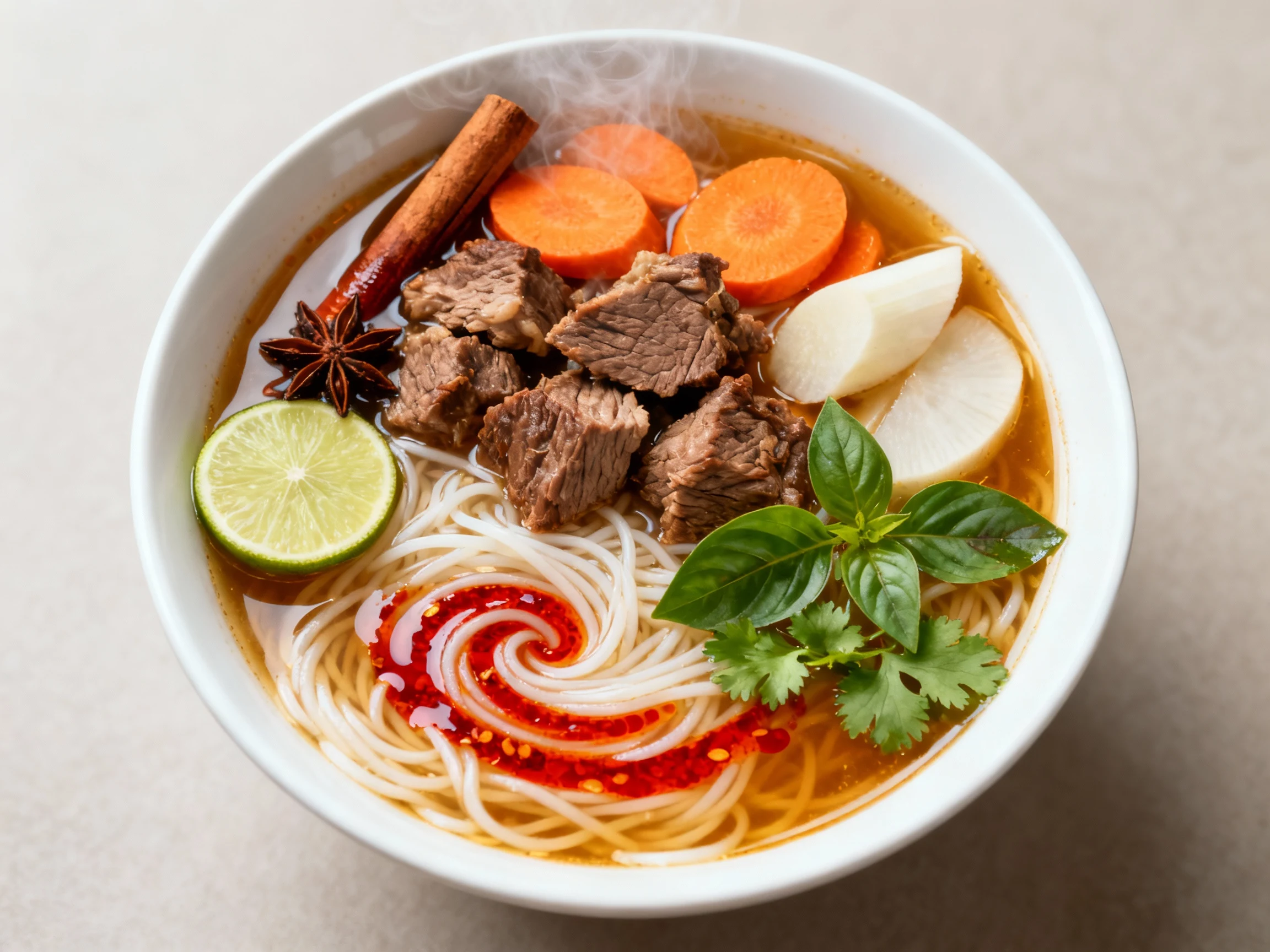
Let’s Get Cooking – Instructions
- Marinate the beef: In a bowl, combine beef, lemongrass, garlic, shallot, ginger, fish sauce, soy sauce, five-spice, paprika/annatto, brown sugar, salt, and pepper. Toss well, cover, and chill for 30 minutes (up to 12 hours for deeper flavor).
- Prep your pot: Heat oil in a heavy Dutch oven over medium-high until shimmering. Work in batches to avoid steaming.
- Sear the beef: Shake off excess marinade and sear the cubes until browned on two sides, 2–3 minutes per side. Transfer to a plate and repeat. Don’t rush—brown equals flavor.
- Build the base: Lower heat to medium. Add onion and sauté until golden and sweet, about 5 minutes. Stir in tomato paste and cook 1–2 minutes until it darkens slightly.
- Deglaze: Pour in a splash of broth, scrape up all the browned bits like they owe you money, then add cinnamon, star anise, and bay leaves.
- Load the liquid: Return beef to the pot. Add the rest of the broth and coconut water. Liquid should just cover the beef; top up with water if needed.
- Simmer strong: Bring to a gentle boil, then reduce to low. Cover and simmer 60 minutes, checking occasionally. The kitchen should smell unfairly amazing.
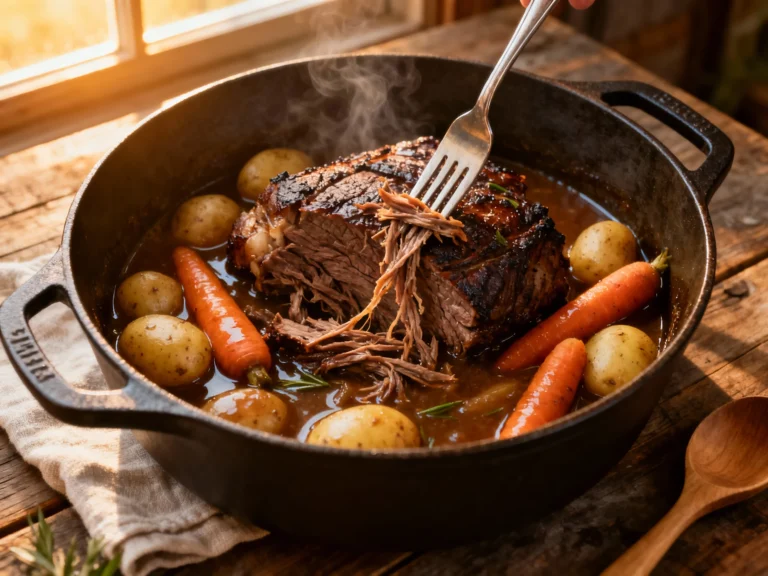
- Add the veg: Stir in carrots, daikon, and chili. Simmer another 30–40 minutes, uncovered, until beef is fork-tender and vegetables are silky.
- Finish the flavor: Stir in fish sauce, brown sugar, orange zest, and juice. Taste and adjust salt, sweetness, and acidity. You’re the boss here.
- Skim and shine: Skim any excess fat. If you want a slightly thicker broth, mash a few carrot pieces into the liquid or simmer 5–10 minutes more.
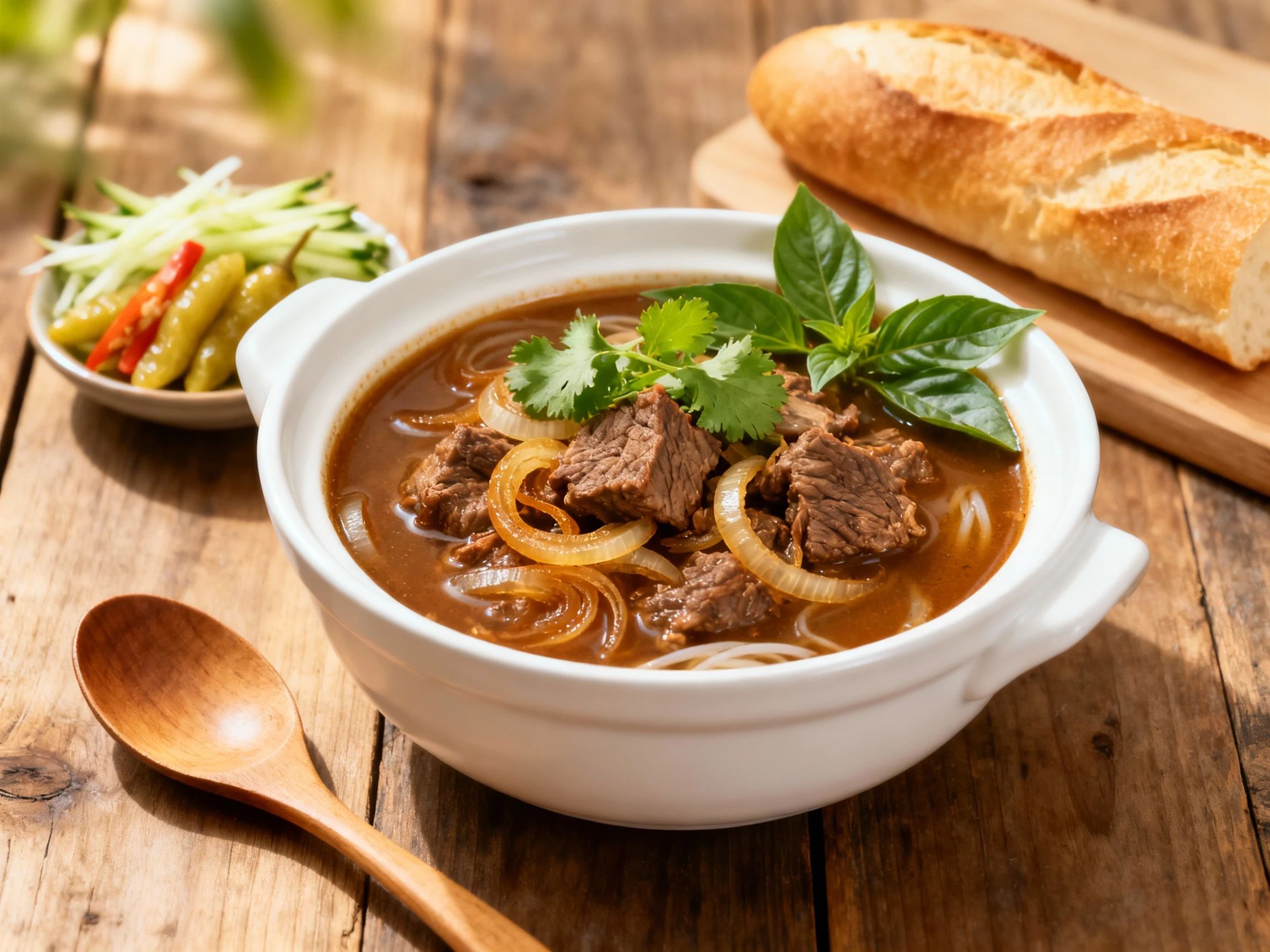
- Serve: Ladle into bowls. Garnish with Thai basil and cilantro. Serve with warm baguette or over rice noodles for that slurp-and-sigh moment.
- FYI: If the stew tastes “flat,” it’s usually missing a splash of fish sauce or citrus. Add, stir, taste, grin.
Preservation Guide
Let the stew cool to room temperature, then store it in airtight containers. It gets even better overnight as the flavors settle in and mingle. That’s not leftovers—that’s strategy.
Fridge: Keeps well for 4 days. Reheat gently on the stovetop over medium-low, adding a splash of water or broth as needed.
Freezer: Freeze in portioned containers for up to 3 months. Leave headspace to prevent burst lids, because cleaning frozen stew from the freezer is not a hobby.
Reheat like a pro: Thaw in the fridge overnight, then warm on the stove. Stir in fresh herbs and a squeeze of lime or orange just before serving to revive brightness.
Nutritional Perks
- Protein power: Beef chuck packs satisfying protein that keeps you full and happy.
- Collagen and comfort: Slow simmering breaks down connective tissue for that silky, body-coating broth.
- Veg-forward bonuses: Carrots and daikon bring fiber, vitamins A and C, and natural sweetness without dumping sugar.
- Antioxidant boost: Tomato paste and spices contribute lycopene and polyphenols—small things that make a big difference.
- Flavor smart: Fish sauce delivers umami, so you can keep overall sodium reasonable while maintaining depth.
If you track macros, one hearty serving (about 12 oz stew with veg) will land roughly in the 450–600 calorie range depending on your beef cut and how much bread or noodles you add. Adjust broth, sugar, and starchy sides to fit your goals.
Avoid These Mistakes
- Skipping the sear: You lose the crust and the flavor foundation. Sear like you mean it.
- Crowding the pot: Overloading turns searing into steaming. Work in batches and keep the heat up.
- Forgetting balance: Taste at the end. If it’s dull, add citrus or a dash of fish sauce. If it’s too salty, a pinch of sugar and splash of water help.
- Rushing the simmer: Low and slow turns tough into tender. Impatience turns dinner into a jaw workout.
- Overcooking the veg: Add carrots and daikon after the beef softens, not at the beginning. Mushy carrots are a crime.
- Not skimming fat: A little sheen is nice; an oil slick is not. Skim for a clean, elegant broth.
Different Ways to Make This
- Instant Pot: Sear on sauté, pressure cook 35 minutes with broth and spices, quick release, add veg, then pressure cook 5 more minutes. Finish with citrus and fish sauce.
- Slow Cooker: Sear beef on the stovetop, transfer to slow cooker with aromatics and broth, cook 6–8 hours on low. Add veg for the last 2 hours.
- No coconut water: Use all beef broth or a mix with water. The stew still shines.
- Spicy version: Add chili oil, extra fresh chilies, or a spoon of chili crisp at the end. Proceed at your own risk (and joy).
- Noodle shop style: Serve over rice noodles, top with herbs and lime wedges, and sip the broth like you paid for it downtown.
- Baguette dunker: Classic move—tear, dunk, devour. IMO, this maximizes broth-to-bread happiness.
- Plant-friendly: Swap beef for firm tofu and meaty mushrooms. Shorten the simmer and use vegetable broth. Different, but still a vibe.
FAQ
What cut of beef works best?
Beef chuck is ideal because it has enough marbling to stay juicy and tender after a long simmer. Brisket or boneless short rib also work beautifully. Lean cuts dry out, so save those for something quick.
How long should I marinate the beef?
Thirty minutes is solid for weeknights, but up to 12 hours unlocks deeper flavor. If you go longer, keep it chilled and covered. Don’t add acidic citrus to the marinade—save that for finishing.
Can I skip fish sauce?
You can, but the stew loses some savory depth. Substitute with a splash of soy sauce plus a little anchovy paste for a similar vibe. If you’re avoiding fish entirely, bump the umami with miso and mushrooms.
Do I have to use daikon?
Nope, but it adds gentle sweetness and that tender, brothy bite. If you can’t find daikon, use more carrots or add potatoes in the last 20 minutes so they don’t disintegrate.
How do I thicken the broth?
Traditionally, the broth stays silky and drinkable. If you prefer thicker, mash a few carrot chunks into the pot, simmer uncovered for 5–10 minutes, or stir in a teaspoon of cornstarch slurry. Keep it light so you don’t muddy the flavor.
What should I serve with it?
Warm baguette is classic and perfect for dunking. Rice noodles make it a full bowl with slurpable joy. Steamed jasmine rice is a great third option if you want easy comfort.
Can I make it ahead?
Yes, and you should. The flavors deepen overnight, making day-two bowls borderline unfair. Reheat gently and refresh with herbs and a squeeze of orange or lime.
Is the stew spicy?
By default, it’s aromatic more than fiery. Add sliced chilies or chili oil if you want heat. Keep it customizable so everyone at the table can find their sweet spot.
Wrapping Up
This stew gives you big, layered flavor without turning your kitchen into a science lab. You’ll stack aromatics, sear with confidence, and simmer your way to a broth that hugs back. When you ladle it up with baguette or noodles, the only real question is who gets the last spoonful—so make extra and dodge the drama. TBH, cozy doesn’t get smarter than this.
Printable Recipe Card
Want just the essential recipe details without scrolling through the article? Get our printable recipe card with just the ingredients and instructions.