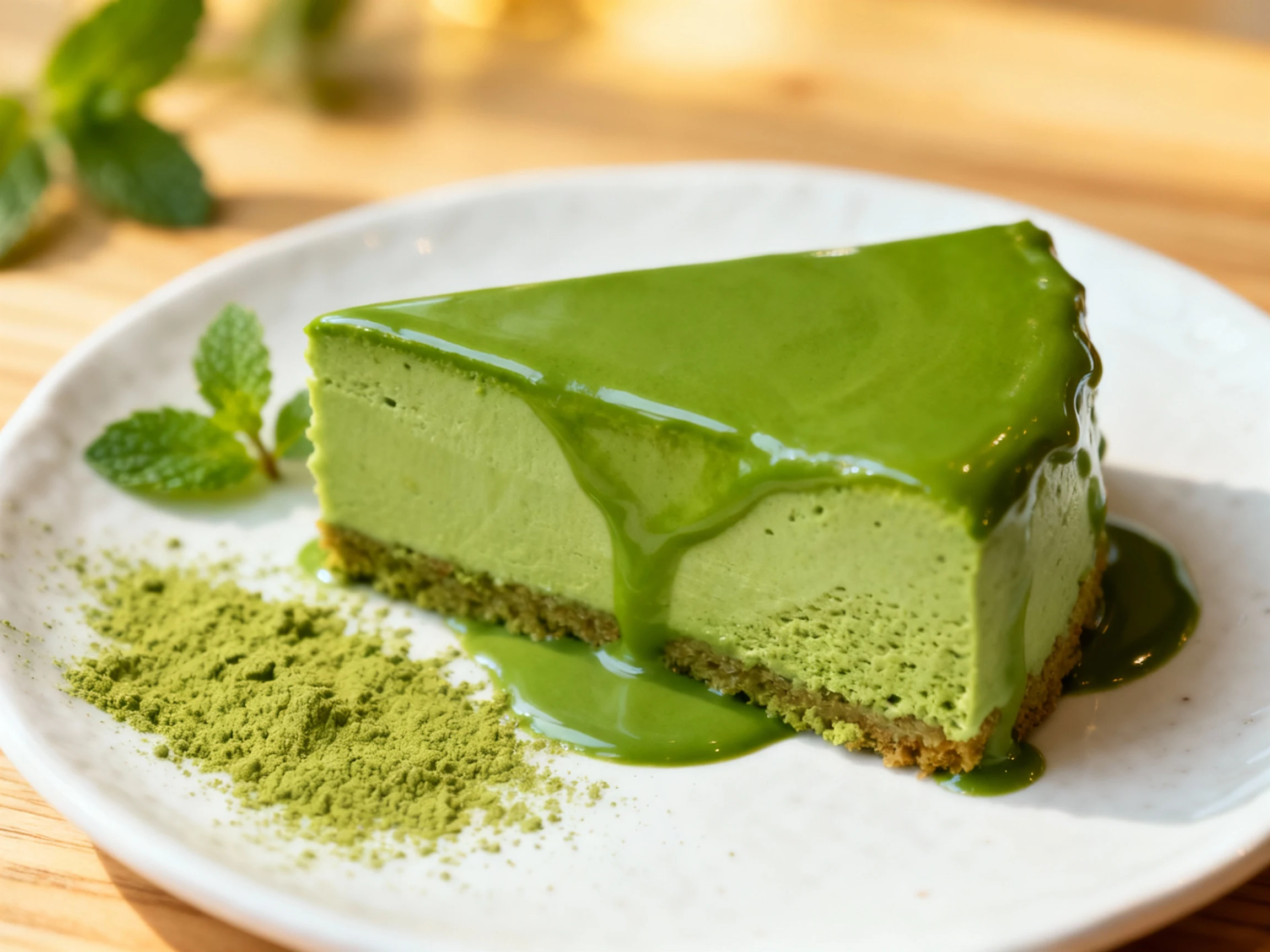
Matcha Green Tea Recipes to Energize Your Day—simple Wins
Quick, feel-good ideas for mornings and mid-afternoons: simple lattes, smoothies, and snacks that boost focus, flavor, and calm—no jitters.
You want caffeine that’s smooth, focus that sticks, and flavor that actually tastes like a treat—not a chore. That’s where matcha steps in with its stealth combo of energy and calm. Think rich latte foam, refreshing smoothies, and snack-worthy bites you can whip up faster than your coffee order. No complicated gear, no barista training. Just a tiny green upgrade that pays off every single day.
What Makes This Special
These recipes cut through the noise and deliver the most important thing: consistent, clean energy that doesn’t wreck your nerves. Matcha’s combo of caffeine and L-theanine gives you a level head and laser focus—your brain will notice. You’ll also get big flavor with simple ingredients, fast steps, and zero fuss.
Want flexibility? You’ll build a matcha base once, then spin it into lattes, smoothies, overnight oats, and snacks. It’s modular, budget-friendly, and frankly, more fun than another stale coffee routine. Consider this your green toolkit.
What Goes Into This Recipe – Ingredients
Core Matcha Base
- 1–2 teaspoons ceremonial-grade matcha powder (bright green, smooth, low bitterness)
- 2 ounces hot water (about 175°F / 80°C; not boiling)
Latte Essentials
- 8 ounces milk (dairy or plant-based like oat, almond, or coconut)
- 1–2 teaspoons sweetener (maple syrup, honey, simple syrup, or vanilla)
- Ice (for iced latte)
Smoothie Add-Ins
- 1 frozen banana or 1 cup frozen mango
- 1 cup milk or yogurt (regular or dairy-free)
- 1 tablespoon nut butter (optional for creaminess)
Snack + Breakfast Boosters
- Rolled oats (for overnight oats)
- Chia seeds, shredded coconut, or cacao nibs
- Dates or nut butter (for energy bites)
- Dark chocolate (chips or melted for drizzle—yes, we’re adults)
Flavor Balancers
- Pinch of sea salt (boosts sweetness, rounds bitterness)
- Vanilla extract or paste
- Citrus (lemon zest or a squeeze of lime for a bright twist)
The Method – Instructions
- Sift the matcha. Use a fine-mesh sieve to sift 1–2 teaspoons matcha into a bowl or mug. This prevents clumps and gives you a silky result. Yes, sifting matters.
- Add hot water, not boiling. Pour about 2 ounces of water at 175°F/80°C over the matcha. Boiling water scorches and turns your cup bitter—no thanks.
- Whisk to froth. Using a bamboo whisk (chasen) or a handheld frother, whisk in quick “M” motions for 20–30 seconds until it’s slightly foamy. No whisk? A small jar with a tight lid works—shake like you mean it.
- Choose your path. You now have a matcha base. Turn it into:
- Hot Latte: Warm 8 ounces milk, add sweetener and a pinch of salt, then pour over matcha base. Whisk or froth to blend.
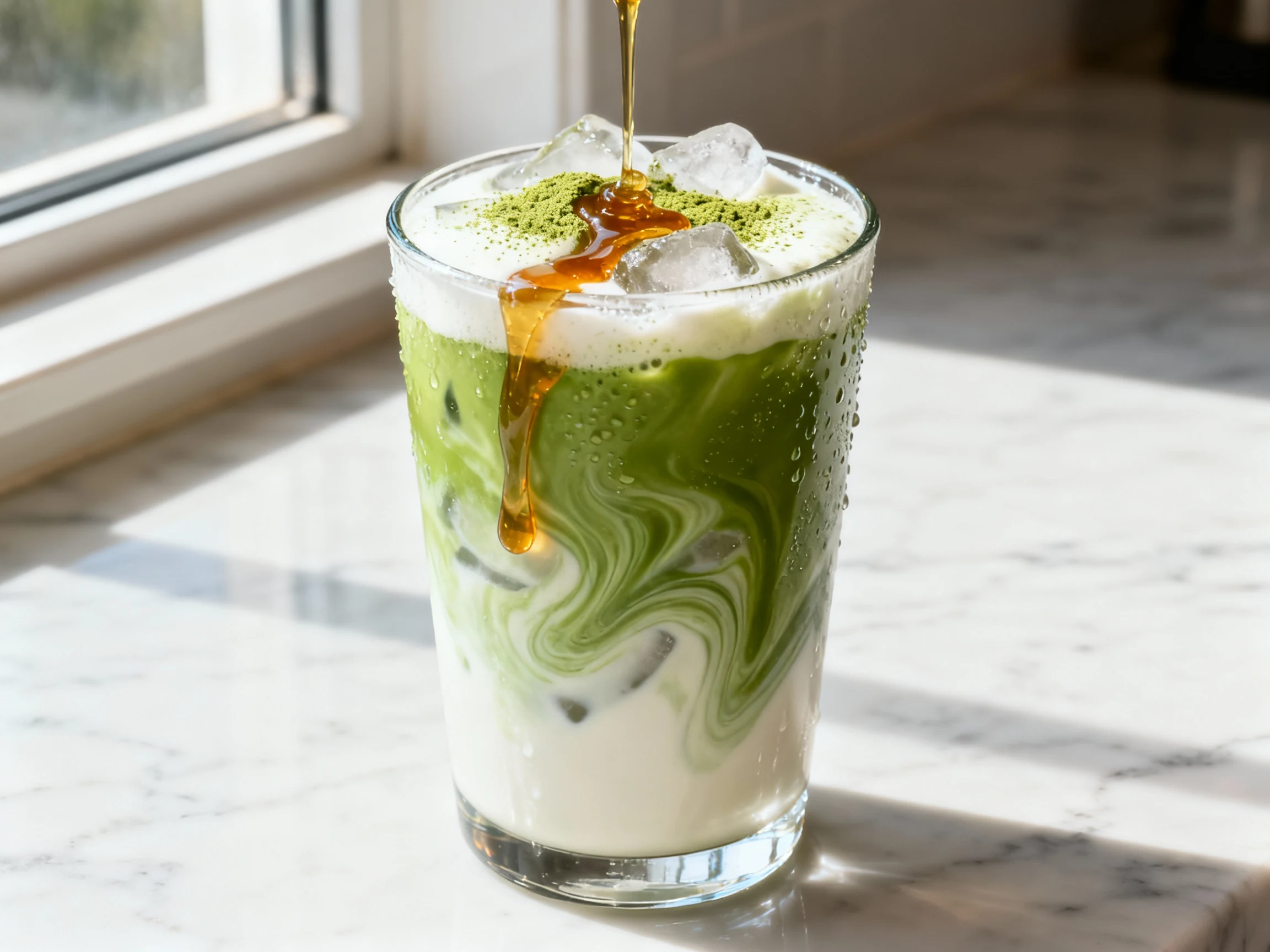
- Iced Latte: Fill a glass with ice, add matcha base, then cold milk and sweetener. Stir, sip, smile.
- Smoothie: Blend matcha base with frozen fruit, milk or yogurt, and optional nut butter. Aim for thick, spoonable bliss.
- Overnight Oats: Mix matcha base with 1/2 cup oats, 1 tablespoon chia, 3/4 cup milk, sweetener, and vanilla. Chill overnight.
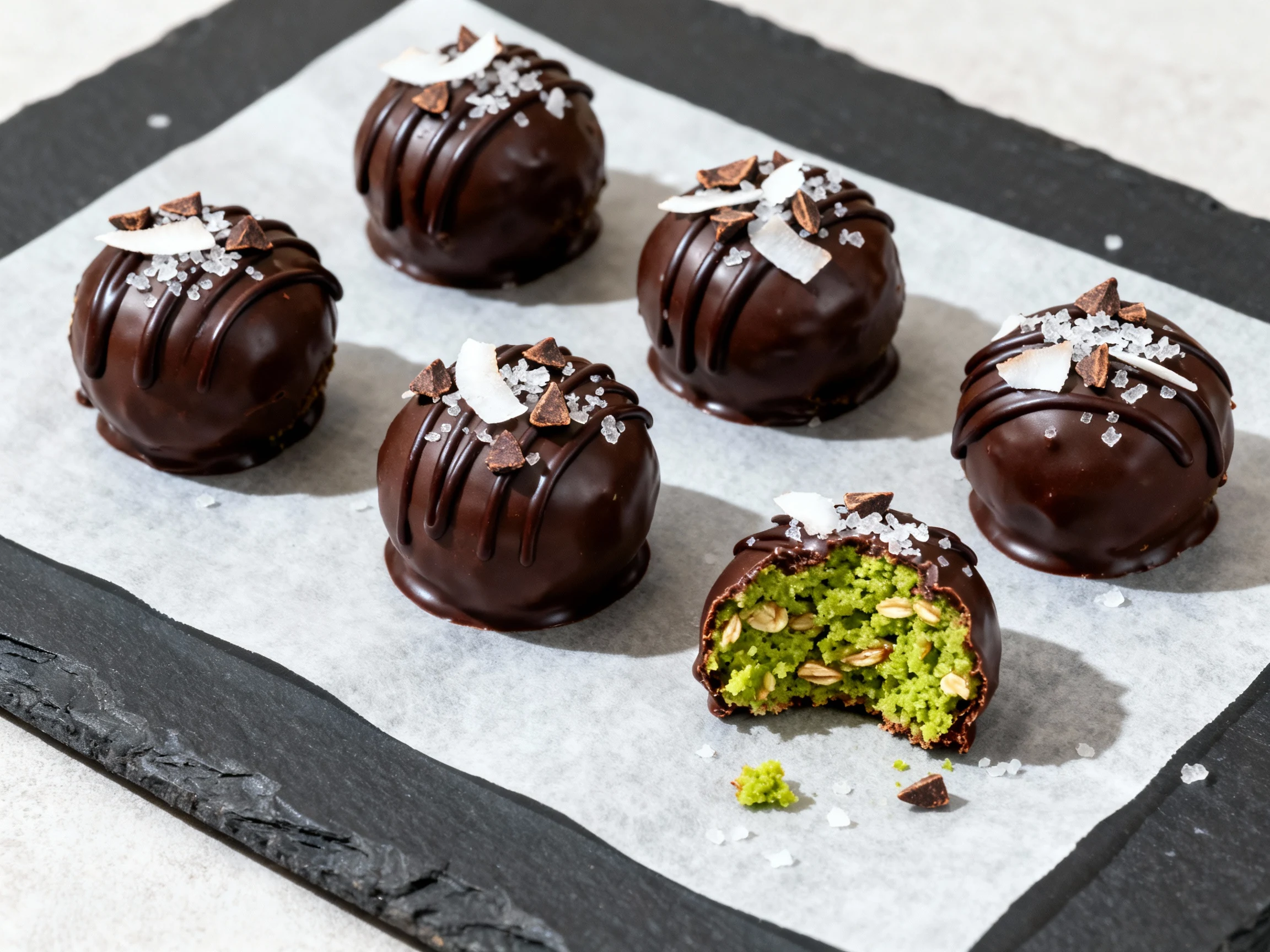
- Energy Bites: Process 1 cup oats, 8 pitted dates, 2 tablespoons nut butter, 1–2 teaspoons matcha, pinch of salt. Roll into bites; chill.
- Taste, then tweak. Add a touch more sweetener, vanilla, or citrus if it needs brightness. Matcha changes by brand, so trust your palate, not the package.
- Finish strong. Top lattes with a dusting of matcha or cocoa. Add coconut or cacao nibs to oats. Drizzle energy bites with dark chocolate if you’re feeling fancy (you are).
Storage Instructions
Matcha powder: Store in an airtight, opaque container in a cool spot. Keep it dry and away from light. For max freshness, stash in the fridge or freezer and scoop with a clean, dry spoon.
Matcha base: Refrigerate covered for up to 24 hours. Whisk again before using; separation is normal. Don’t boil it later—just warm gently.
Prepared lattes: Iced versions hold up 1 day in the fridge. Hot lattes are best fresh; reheating can dull flavor.
Smoothies: Blend fresh for peak texture. If you must, refrigerate up to 12–24 hours and shake before drinking. Or prep freezer packs (fruit + milk) and add matcha when blending.
Overnight oats: Keep in the fridge for 3–4 days. Stir before eating; add a splash of milk if too thick.
Energy bites: Airtight container in the fridge for 1 week or freeze for 1–2 months. Defrost in the fridge overnight.
Health Benefits
Matcha delivers EGCG antioxidants that support cellular defense and recovery. Translation: green goodness that’s more than buzz. You also get L-theanine, which promotes calm and focus—like putting noise-canceling headphones on your brain.
The caffeine in matcha absorbs slower than coffee thanks to those catechins, giving you sustained energy without the crash. That’s why it shines for morning meetings and mid-afternoon slumps. FYI, you’ll likely feel productive and civilized at the same time—rare combo, right?
Plus, matcha is just versatile. Blend it into protein, fiber, and healthy fats (think oats, yogurt, nuts), and you build meals that keep you fuller longer. Let your snacks start carrying their weight.
Don’t Make These Errors
- Using boiling water. It scorches matcha and amplifies bitterness. Keep it at ~175°F/80°C.
- Skipping the sift. Clumpy matcha equals grainy texture. Sift for smooth sips.
- Cheap, dull matcha. If it’s brownish or muddy, flavor will disappoint. Choose bright green, ceremonial-grade powder.
- Over-sweetening. Sugar bulldozes delicate notes. Start small; add salt or vanilla to balance instead of dumping syrup.
- Wrong milk choice. Some milks curdle or mute flavor. Oat and dairy whole milk foam well; almond is thinner but still fine.
- Ignoring ratios. Matcha is potent. For drinks, 1–2 teaspoons is plenty; for snacks, 1 teaspoon per batch goes far.
- Lazy whisking. A quick 20-second froth makes all the difference. Your arm can handle it, IMO.
Variations You Can Try
- Vanilla Iced Matcha Latte: Matcha base + cold oat milk + 1 teaspoon vanilla + 1–2 teaspoons maple. Ice, stir, done.
- Coconut Cream Hot Latte: Matcha base + warm coconut milk + pinch salt + honey. Extra rich and dessert-adjacent.
- Mango Matcha Smoothie: Matcha base + 1 cup frozen mango + 3/4 cup yogurt + 1/2 cup milk. Blend thick; add lime zest for pop.
- Banana-Nut Butter Shake: Matcha base + frozen banana + 1 tablespoon almond butter + milk. Comforting and legit filling.
- Matcha Overnight Oats: Matcha base + oats + chia + milk + vanilla + maple. Top with coconut flakes and berries.
- Chocolate-Dipped Energy Bites: Oats + dates + nut butter + matcha + salt. Roll, chill, dip in melted dark chocolate. Try not to eat all at once.
- Lemon Lift: Add lemon zest and a squeeze of lemon to any latte. Bright, bakery-style vibes with almost zero effort.
- Protein Boost: Add 1 scoop vanilla protein to smoothies or oats. Balance with extra milk for texture.
FAQ
Which matcha grade should I use for drinks and snacks?
Ceremonial-grade is best for lattes and smoothies because it’s smoother and less bitter. For baking or energy bites, premium culinary-grade works and costs less. Look for vibrant green color and minimal astringency.
Can I make good matcha without a bamboo whisk?
Yes. A handheld milk frother or a small jar with a lid (shake vigorously) does the trick. Sift first, then froth for 20–30 seconds. You’ll get a respectable foam without buying specialty gear.
How do I stop my matcha from tasting bitter?
Use cooler water (~175°F), sift the powder, and whisk well. Balance with a pinch of salt or a splash of vanilla. If flavor still feels sharp, try a better-quality matcha—color and freshness matter.
Is matcha gluten-free and dairy-free?
Matcha itself is gluten-free and dairy-free. Choose gluten-free add-ins (oats labeled GF) and plant milks if needed. Always check labels on flavored syrups or protein powders.
How much caffeine is in a serving?
About 60–80 mg per teaspoon of matcha, depending on brand and preparation. Thanks to L-theanine, the energy feels smoother than coffee. If you’re sensitive, start with 1/2–1 teaspoon.
Can I drink matcha in the evening?
You can, but it’s still caffeine. Most people prefer morning or early afternoon. If nighttime is your jam, try decaf green blends or keep it very light—sleep is not optional, TBH.
What’s the best milk for foam?
Whole dairy milk and barista oat milk foam beautifully. Almond milk is thinner, and coconut is rich but can separate. Froth separately, then pour over the matcha base for better texture.
How long does matcha powder stay fresh?
Unopened, matcha lasts several months. Once opened, aim to use within 60–90 days for peak flavor. Keep it airtight, away from light, and cool. Refrigeration helps preserve color and aroma.
The Bottom Line
These matcha green creations turn routine into a small ritual—fast, flavorful, and focused. Build the matcha base, remix it into lattes, smoothies, and snacks, and enjoy clean energy without the chaos. Smart ingredients, simple steps, repeatable wins. Your mornings and mid-afternoons just got an upgrade—no barista required.
Printable Recipe Card
Want just the essential recipe details without scrolling through the article? Get our printable recipe card with just the ingredients and instructions.