Salmon Glaze Recipes That Turn Weeknight Fish Into Showstoppers
Sticky-sweet, savory, and spicy glazes for weeknights and date nights, ready in 15 minutes, with pantry swaps and grill or oven tips.
You don’t need a $30 entrée or a culinary diploma to make salmon taste like it came from a buzzy bistro. You need a killer glaze, a hot pan, and ten minutes. The right combo of sweet, salt, acid, and heat gives you glossy, caramelized fish that steals the plate. Even better, you can build it from what’s already in your pantry. If your weeknight dinner feels boring, this fixes it fast—no excuses.
What Makes This Recipe So Good
- Fast and foolproof: The formula works in a skillet, oven, broiler, grill, or air fryer. Dinner in 15 minutes? Yep.
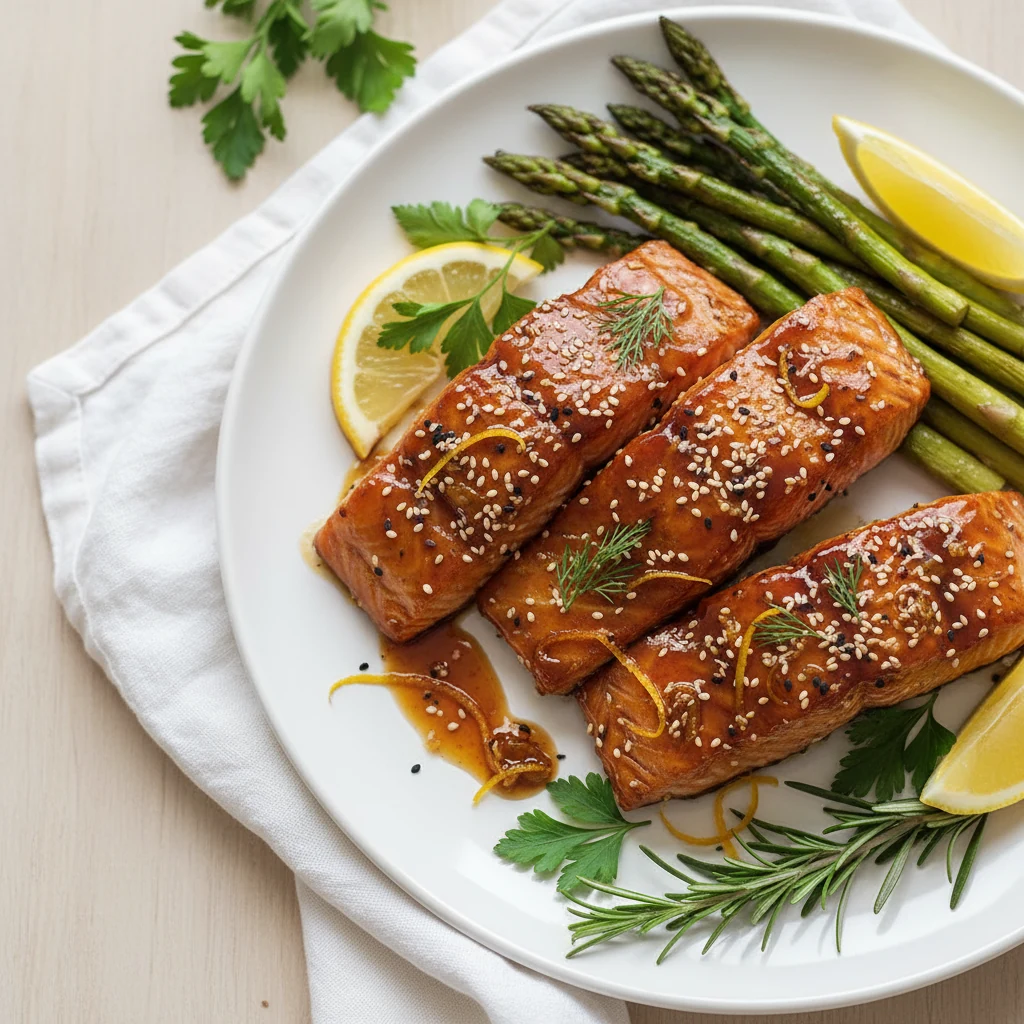
- Restaurant-level shine: A quick reduction creates that lacquered finish you see on chef-y plates—minus the chef price.
- Flexible flavors: Honey-garlic, maple-Dijon, teriyaki, miso-ginger, chili-lime, gochujang—pick your mood and run with it.
- Balanced by design: Use the simple 4-part framework: sweet + salty/umami + acid + heat (plus aromatics and a touch of thickener).
- Better nutrition, big flavor: Salmon brings omega-3s, protein, and satisfaction. Your taste buds and brain both win.
- Scales for crowds: Make one glaze or a mini “glaze bar” for guests. Choose-your-own-adventure salmon? Yes please.
Ingredients Breakdown
Base Salmon
- 4 salmon fillets (about 6 oz each), skin-on if possible
- 1 tablespoon neutral oil (avocado, canola, or grapeseed)
- 1 teaspoon kosher salt (reduce to 3/4 tsp if using regular table salt)
- 1/2 teaspoon black pepper
- Optional for serving: lemon wedges, sliced scallions, sesame seeds, fresh herbs
Glaze Variations (Choose One Per 4 Fillets)
Honey Garlic Soy
- 1/4 cup honey
- 3 tablespoons low-sodium soy sauce (or tamari)
- 2 tablespoons rice vinegar
- 3 cloves garlic, minced
- 1 teaspoon fresh ginger, grated
- 1 teaspoon cornstarch (optional for extra gloss)
- 1/2–1 teaspoon red pepper flakes (optional)
Maple Dijon
- 1/4 cup pure maple syrup
- 2 tablespoons Dijon mustard
- 1 tablespoon apple cider vinegar or lemon juice
- 1 tablespoon soy sauce (or tamari)
- 1 teaspoon minced garlic
- 1/2 teaspoon black pepper
Teriyaki-Style
- 1/4 cup soy sauce (or tamari)
- 2 tablespoons brown sugar
- 2 tablespoons mirin (or 1 tbsp brown sugar + 1 tbsp water)
- 1 tablespoon rice vinegar
- 1 teaspoon fresh ginger, grated
- 1 teaspoon cornstarch
- 1 teaspoon sesame oil
Miso Ginger Sesame
- 1 1/2 tablespoons white miso paste
- 2 tablespoons honey or maple syrup
- 1 tablespoon soy sauce (or tamari)
- 1 tablespoon rice vinegar
- 1 teaspoon fresh ginger, grated
- 1 teaspoon sesame oil
- 1–2 tablespoons water to thin as needed
- 1 teaspoon cornstarch (optional)
Chili Lime
- 1/4 cup honey
- Zest + juice of 1 lime (about 2 tablespoons juice)
- 1–2 teaspoons chili paste or sriracha
- 1 tablespoon soy sauce (or fish sauce for extra umami, use 1–2 tsp)
- 1 clove garlic, minced
Brown Sugar Bourbon
- 3 tablespoons brown sugar
- 2 tablespoons bourbon
- 2 tablespoons soy sauce
- 1 tablespoon Worcestershire sauce
- 1 tablespoon apple cider vinegar
- 1 teaspoon Dijon mustard
- 1 clove garlic, minced
- 1 teaspoon cornstarch
Gochujang Sesame
- 2 tablespoons gochujang
- 2 tablespoons honey (or maple)
- 1 tablespoon soy sauce (or tamari)
- 1 tablespoon rice vinegar
- 1 teaspoon sesame oil
- 1 clove garlic, minced
- 1 teaspoon fresh ginger, grated
- 1–2 tablespoons water to thin as needed
- 1 teaspoon cornstarch (optional)
Orange Rosemary
- 1/3 cup orange juice
- 1 teaspoon orange zest
- 2 tablespoons honey
- 1 tablespoon soy sauce
- 1 teaspoon fresh rosemary, finely chopped
- 1 teaspoon cornstarch
Instructions
- Prep the salmon: Pat fillets very dry with paper towels. Season both sides with salt and pepper. Dry surface = better sear and better glaze cling.
- Whisk your glaze: In a small bowl, stir together your chosen glaze ingredients until smooth. If using cornstarch, mix it in now to avoid lumps.
- Choose your cooking method: You can go skillet for crisp edges or oven/broiler for set-and-forget simplicity. Both finish with a glossy glaze.
- Skillet method: Heat a large nonstick or stainless skillet over medium-high. Add oil. Place salmon in the pan, skin-side down if skin-on. Sear 3–4 minutes until the sides turn opaque halfway up. Flip and cook 2–3 minutes more.
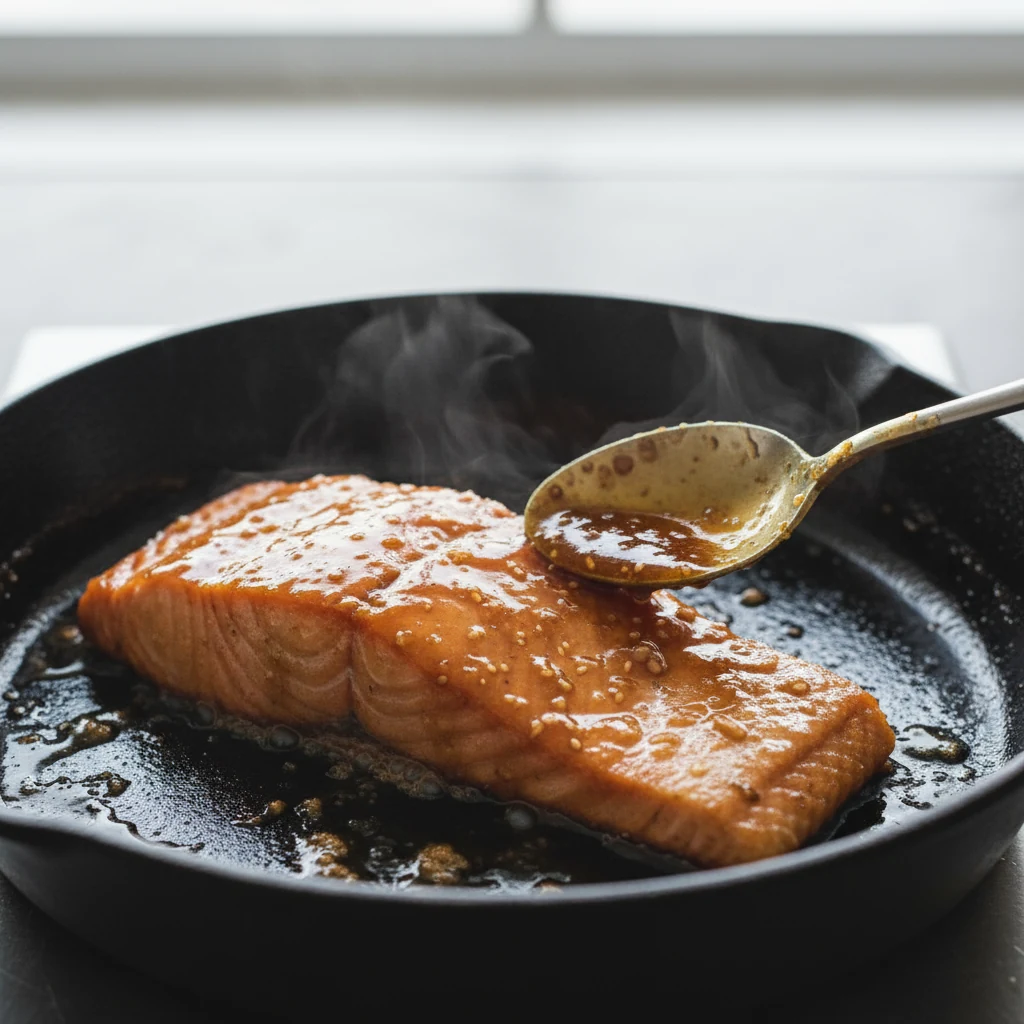
- Glaze and reduce (skillet): Pour in the glaze around the salmon. It should bubble quickly. Tilt the pan and spoon the thickening glaze over the fillets for 1–2 minutes, until glossy and syrupy. Pull from heat.
- Oven/broiler method: Preheat oven to 425°F. Place salmon on a lined sheet. Brush with half the glaze. Roast 7–9 minutes (thicker pieces may need 10). Switch to broil, brush with remaining glaze, and broil 1–2 minutes to caramelize.
- Check doneness: Aim for an internal temp of 125–130°F for medium and maximum juiciness. The flesh should flake but stay glossy. It’ll carry over a couple degrees after you pull it—don’t overshoot.
- Finish and serve: Spoon any extra glaze from the pan or sheet over the salmon. Top with sesame seeds, scallions, or herbs. Add lemon wedges if you like a bright pop.
- Optional reduction: If the glaze still looks thin, transfer it to a small saucepan and simmer 1–2 minutes until it clings to a spoon. Then brush it on like a pro.
How to Store
- Cooked salmon: Cool completely, then store in airtight containers for 3–4 days in the fridge.
- Glaze (uncooked): Keep in a jar in the fridge for 2 weeks (3–5 days if it contains fresh herbs or citrus zest). Stir before using.
- Freeze: Portion salmon with a little glaze in freezer-safe bags for up to 2 months. Thaw overnight in the fridge.
- Reheat without drying: Warm gently at 300°F for 8–10 minutes, or microwave at 50% power in short bursts. Add a teaspoon of water and cover to keep it moist.
- Meal prep tip: Store glaze separately and brush on after reheating to restore shine and flavor, IMO the texture is better.
Benefits of This Recipe
- Speed: Ten minutes on the stove, maybe twelve in the oven. The clock can relax now.
- Versatility: One method, infinite flavor profiles. Your pantry is basically a flavor lab.
- Nutrition: High-quality protein plus omega-3 fatty acids that support heart and brain health.
- Entertaining-friendly: Prep the glaze earlier, cook salmon right before guests arrive, accept compliments like you trained for this.
- Budget win: Transform affordable fillets into something that tastes splurge-y. FYI, that’s the best kind of kitchen magic.
- Diet-flexible: Easy to make gluten-free, dairy-free, and even refined-sugar-free with simple swaps.
Common Mistakes to Avoid
- Not drying the fish: Moisture fights browning. Pat dry like you mean it.
- Adding glaze too early: Sugar burns. Sear first, then add glaze or finish under the broiler.
- Overcrowding the pan: Cramming fillets steams them. Use a big pan or cook in batches.
- Skipping the reduction: Watery glaze won’t cling. Reduce until it coats a spoon and looks shiny.
- Overcooking: Pull at 125–130°F. Salmon keeps cooking off heat. Don’t chase dryness, it’s not a prize.
- Too salty: Use low-sodium soy, especially if your glaze has miso, fish sauce, or Worcestershire. Taste and adjust.
- Cold pan syndrome: Heat the pan first for a proper sear. A hot pan = crisp skin and better texture.
- Using old fish: Fresh, mild-smelling fillets matter. No glaze saves fish that’s past its prime, TBH.
Alternatives
- Sweeteners: Swap honey with maple syrup, brown sugar, agave, or date syrup (for refined-sugar-free).
- Salty/umami: Use tamari (GF), coconut aminos (milder), miso paste, fish sauce (sparingly), or Worcestershire.
- Acid: Rice vinegar, apple cider vinegar, lemon, lime, or orange juice. Citrus zest adds aroma without thinning.
- Heat: Chili flakes, sriracha, gochujang, chipotle, or cayenne. Start small, you can always add more.
- Aromatics: Garlic, ginger, scallions, shallots, rosemary, thyme—use what you’ve got.
- Other proteins: The glazes love trout, cod, shrimp, chicken thighs, or tofu. Adjust cook times accordingly.
- Cooking methods: Grill (oil grates, medium-high, 3–4 min/side), air fry (390°F, 8–10 min), or poach then glaze in a pan.
- Diet tweaks: Go gluten-free with tamari; go low-sugar with allulose or monk fruit; go dairy-free by default (these glazes already are).
FAQ
Can I use frozen salmon?
Yes. Thaw overnight in the fridge or under cold running water in sealed packaging. Pat very dry before cooking to ensure a good sear and proper glaze adhesion. Frozen fillets often carry extra moisture—drying is your secret weapon.
Do I need to marinate the salmon first?
Nope. The glaze reduces and clings during cooking, so you get intense flavor fast. If you want a mild marinade effect, brush on a little glaze 15 minutes before cooking and save the rest for the finish.
Should I leave the skin on?
Skin-on helps keep moisture in and makes flipping easier. Cook skin-side down first to crisp it. If you prefer skinless, no problem—just use a nonstick pan and avoid moving the fish until it releases easily.
How do I know when the salmon is done?
Use a thermometer and aim for 125–130°F for moist, medium salmon. No thermometer? Gently press the top—if it flakes in big, glossy layers and looks slightly translucent in the center, you’re there.
Can I grill this?
Absolutely. Preheat to medium-high and oil the grates. Grill skin-side down 3–4 minutes, flip, and brush on glaze. Grill 2–3 minutes more, then brush again off heat to avoid burning the sugars.
How do I make it gluten-free?
Use tamari or coconut aminos instead of soy sauce, and check your Worcestershire or other condiments. Everything else is naturally gluten-free in these glazes.
What sides pair best?
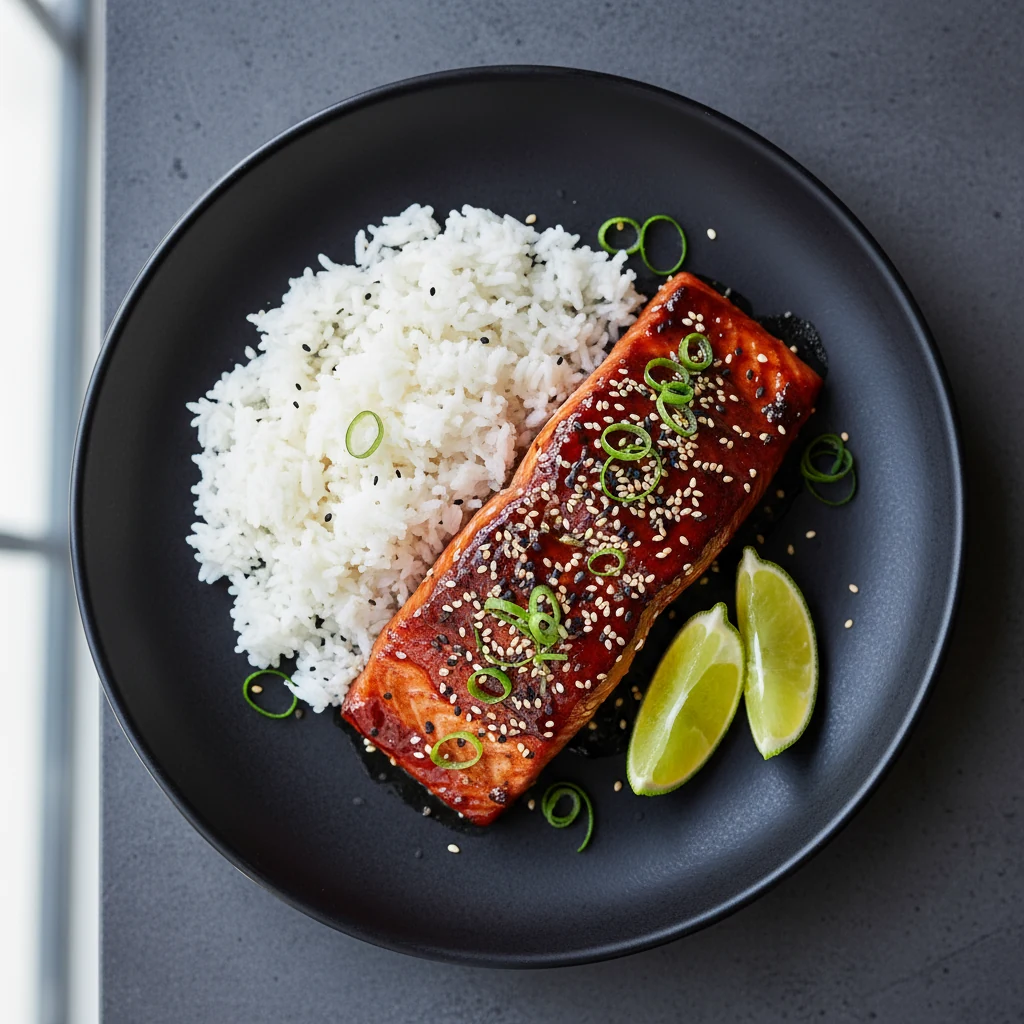
Go bright and simple: lime rice, garlicky green beans, sesame broccoli, roasted sweet potatoes, or a crunchy slaw. The glaze brings big flavor, so sides can stay minimal and fresh.
Can I make it in the air fryer?
Yes. Air fry at 390°F for 6 minutes, brush on glaze, then cook 2–4 minutes more until glossy and just cooked through. For thick glazes, warm them first so they brush on smoothly.
The Bottom Line
Great salmon doesn’t require a complicated recipe—just a smart glaze and good heat. Use the sweet + salty/umami + acid + heat formula, cook to 125–130°F, and finish glossy. Pick a flavor lane—honey-garlic, maple-Dijon, teriyaki, miso, chili-lime, gochujang, orange-rosemary—and you can’t go wrong. Keep it fast, keep it bold, and watch dinner go from “meh” to “whoa” in one bite.
Printable Recipe Card
Want just the essential recipe details without scrolling through the article? Get our printable recipe card with just the ingredients and instructions.