Chicken Tenderloin Recipes to Win Weeknights in 20 Minutes
Fast, juicy, budget-friendly ideas with pantry spices; learn one master method plus crunchy, saucy, and grilled variations for every craving.
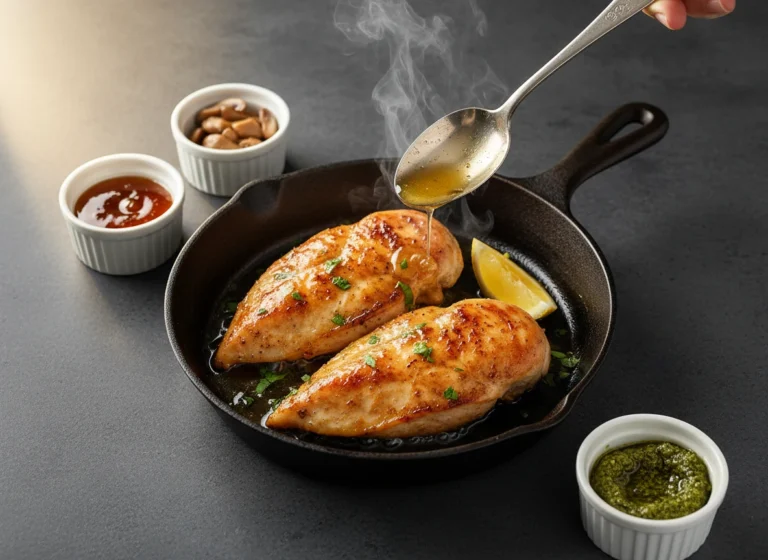
If dinner takes more than 20 minutes on a weeknight, it’s competing with your sanity. That’s why tenderloins are my favorite cheat code: small size, big flavor, zero drama. You get restaurant-level texture without a culinary degree or a sink full of dishes. The plan here is simple: one master technique that nails juiciness every time, then three killer variations so boredom never even gets invited. Save time, save money, and still eat like you meant to plan this all week. Sounds like a flex because it is.
What Makes This Special
Chicken tenderloins are already primed for success. They’re lean, quick-cooking, and naturally tender, so you can hit that sweet spot of seared outside and juicy inside in minutes. You don’t need fancy marinades or nine-step breading; a little salt, a hot pan, and smart timing do the heavy lifting.
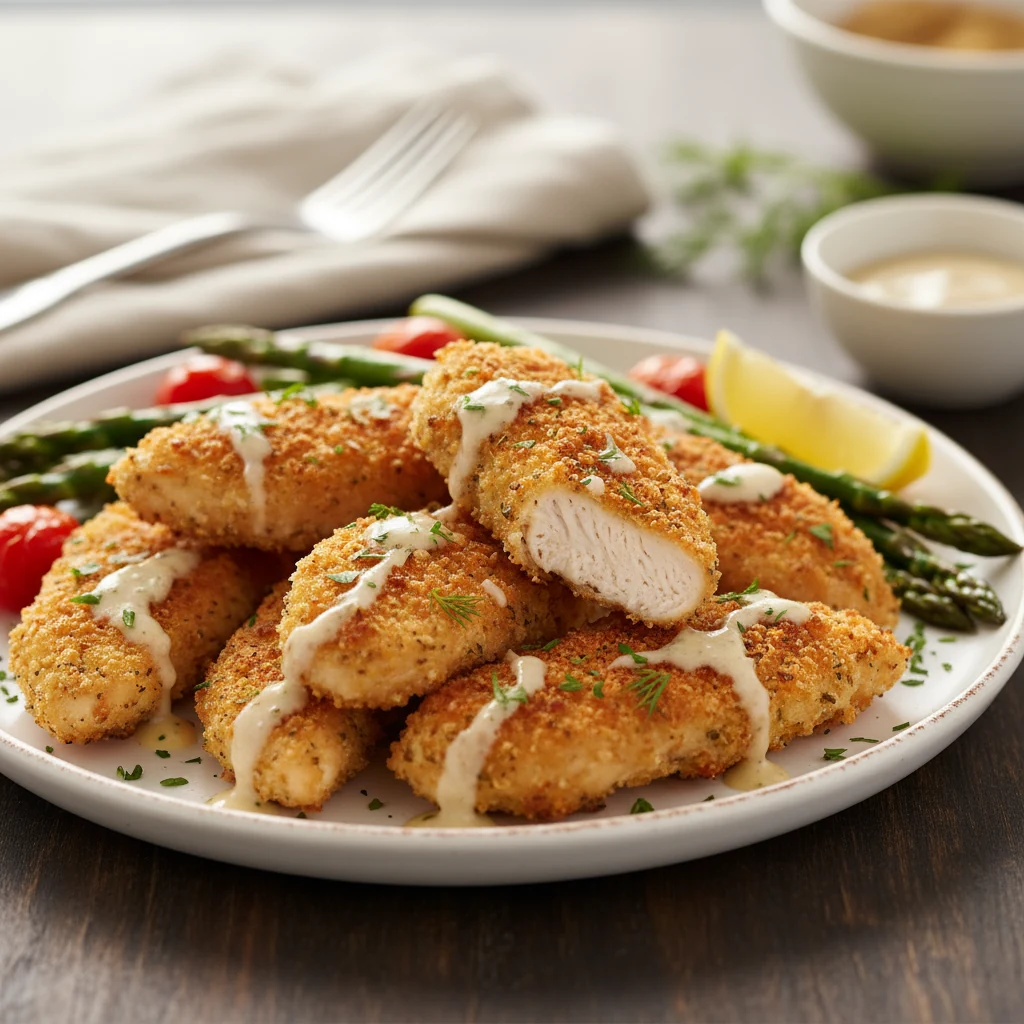
This guide gives you a master method that works for any flavor profile. Then we stack it with three go-to variations: crispy oven tenders for that nugget energy, skillet garlic-butter for date-night vibes, and honey-lime grilled for smoky-sweet summer feels. You’ll cover crunchy, saucy, and bright—all with pantry staples.
And because results matter, I’ll show you how to lock in moisture, season correctly, and avoid the usual traps that turn a great idea into dry chicken sadness. FYI: your leftovers will also be elite.
Ingredients
Base Tenderloins (Master Method, serves 4)
- 1.5 lb chicken tenderloins, patted dry
- 1 tsp kosher salt (use 3/4 tsp if using fine salt)
- 1 tsp smoked paprika
- 1/2 tsp garlic powder
- 1/2 tsp onion powder
- 1/2 tsp black pepper
- 1/4 tsp cayenne (optional)
- 1 tbsp olive oil (plus more for cooking)
- 1 tbsp lemon juice + zest of 1/2 lemon
Crispy Oven Tenders (Variation A)
- 1 cup buttermilk (or 3/4 cup milk + 1 tbsp lemon juice)
- 1 tsp hot sauce (optional)
- 1 cup panko crumbs
- 1/2 cup fine breadcrumbs
- 1/2 cup grated Parmesan
- 1 tsp paprika
- 1/2 tsp garlic powder
- 1/2 tsp kosher salt + 1/4 tsp black pepper
- Oil spray or 2 tbsp neutral oil
Skillet Garlic-Butter Tenders (Variation B)
- 2 tbsp butter
- 1 tbsp olive oil
- 4 cloves garlic, minced
- 1/4 cup chicken stock
- 1 tbsp lemon juice
- 2 tbsp chopped parsley
Honey-Lime Grilled Tenders (Variation C)
- 2 tbsp honey
- Zest + juice of 2 limes
- 1 tbsp soy sauce (or coconut aminos)
- 1 tbsp olive oil
- 1/2 tsp chili flakes (optional)
Optional Dips & Extras
- Ranch, chipotle mayo, BBQ sauce, or yogurt-garlic dip
- Lime wedges, extra parsley, or chopped scallions
Let’s Get Cooking – Instructions
Master Method: Fast, Juicy Tenderloins
- Season smart. In a bowl, toss tenderloins with salt, paprika, garlic powder, onion powder, black pepper, cayenne, olive oil, and lemon zest/juice. Let sit 10–15 minutes while you heat the pan.
- Preheat for sear. Heat a large stainless or cast-iron skillet over medium-high until hot, then add 1–2 tbsp oil.
- Sear one side. Place tenderloins in a single layer. Don’t crowd; work in batches if needed. Sear 2–3 minutes without moving until browned.
- Flip and finish. Flip and cook another 2–3 minutes. If very thick, reduce heat to medium and cook 1–2 minutes more.
- Check temp. Internal temperature should hit 160–165°F at the thickest part. A quick thermometer removes guesswork.
- Rest briefly. Transfer to a plate and rest 3 minutes. Residual heat finishes the job and keeps juices inside.
- Sauce or not. Serve as-is, or toss in garlic-butter (see below) or a squeeze of lemon.
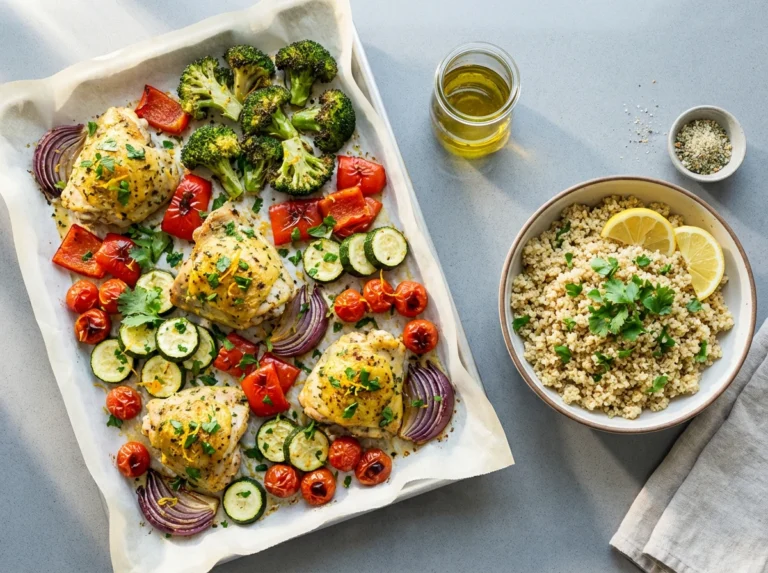
- Serve. Pair with salad, rice, or roasted veggies. Leftovers make lunches look suspiciously intentional.
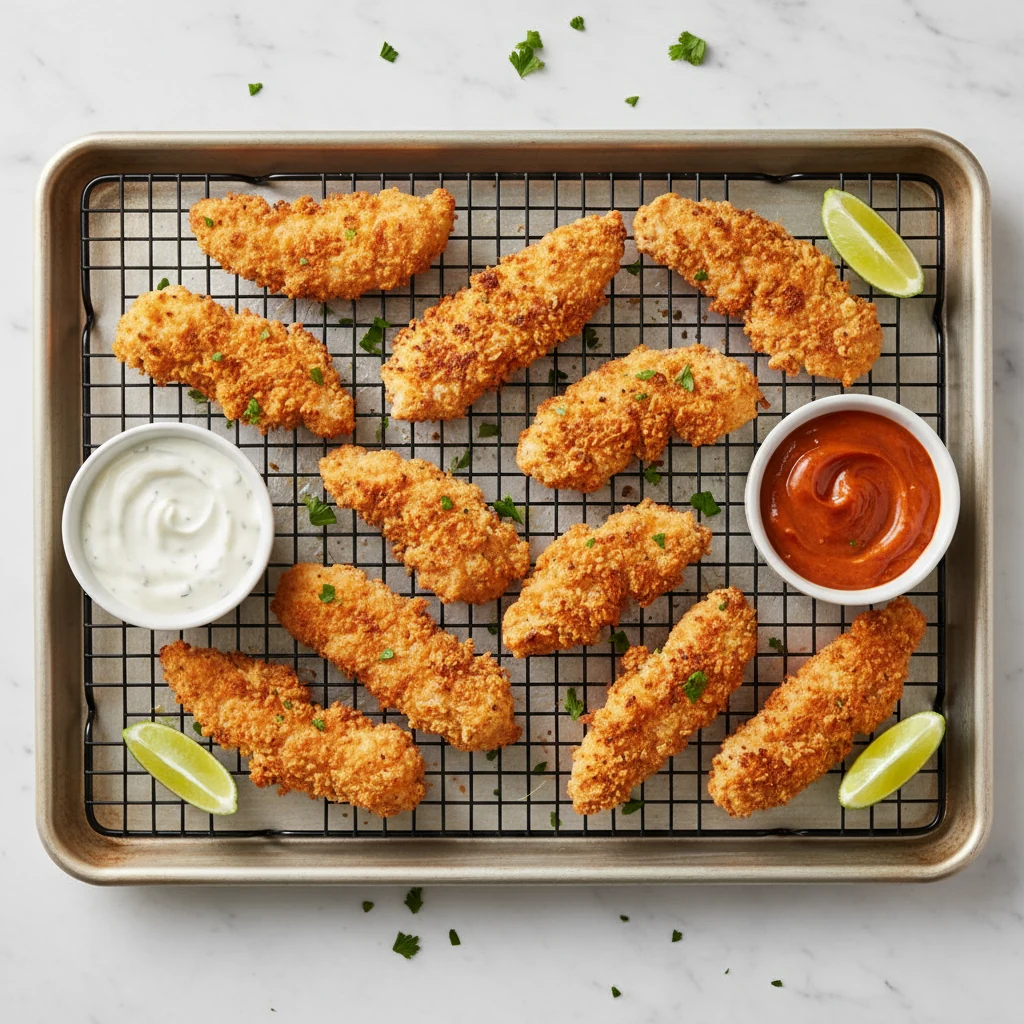
Variation A: Crispy Oven Tenders
- Marinate. Mix buttermilk and hot sauce; add tenderloins and chill 20–30 minutes (up to 8 hours).
- Prep coating. Combine panko, fine breadcrumbs, Parmesan, paprika, garlic, salt, and pepper in a shallow bowl.
- Bread. Shake excess buttermilk, then press each piece into crumbs to coat. Place on an oiled rack set over a sheet pan.
- Bake hot. Spray tops with oil. Bake at 425°F for 12–15 minutes, flipping once at 8 minutes. They’re done at 165°F with golden edges.
- Crunch hack. For extra crisp, broil 1–2 minutes at the end. Watch closely—your broiler has trust issues.
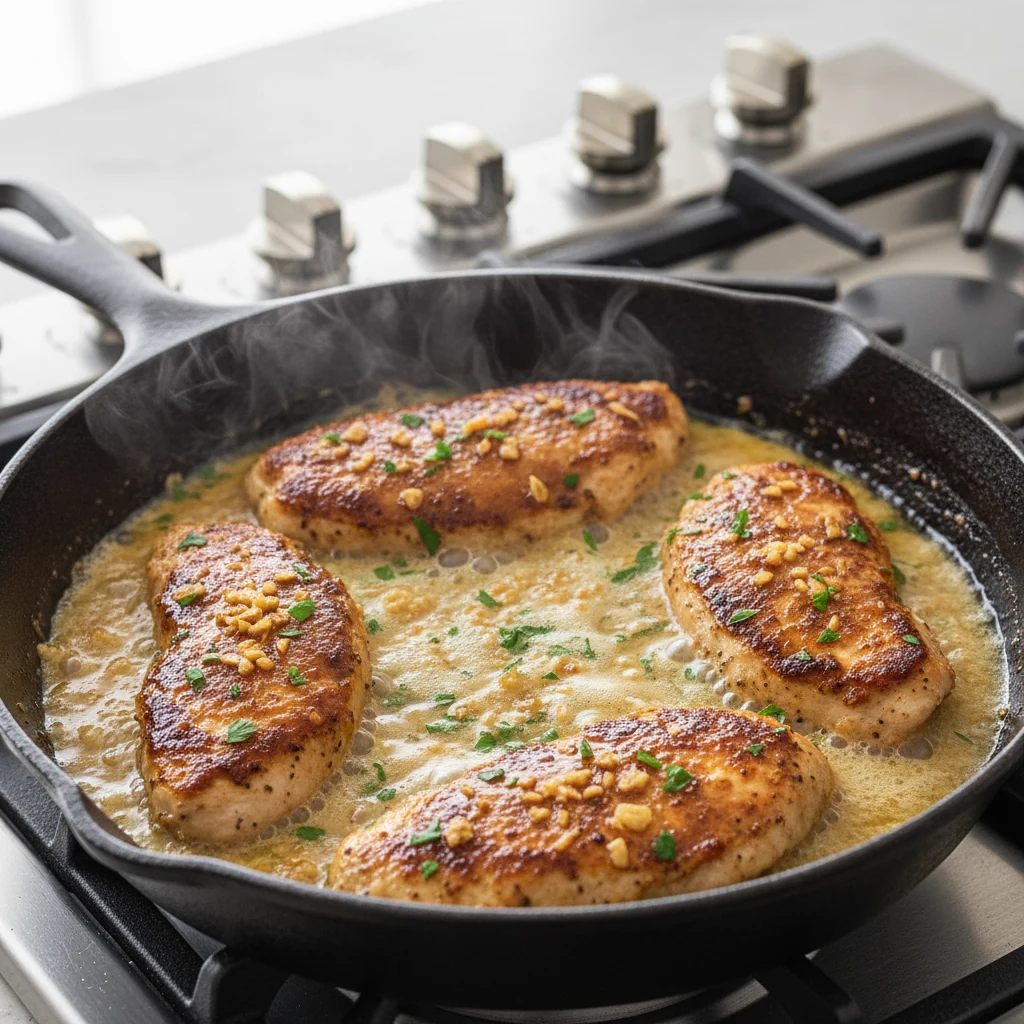
Variation B: Skillet Garlic-Butter
- Cook base. Make the master method through the rest step.
- Butter sauce. In the same pan over medium, add olive oil and butter. When foamy, add garlic; cook 30–45 seconds until fragrant.
- Deglaze. Pour in stock and lemon juice. Scrape brown bits; simmer 1 minute to thicken slightly.
- Coat. Return tenderloins and toss in sauce 30–60 seconds. Finish with parsley. Serve immediately.
Variation C: Honey-Lime Grilled
- Marinate briefly. Whisk honey, lime zest/juice, soy sauce, olive oil, and chili flakes. Toss with tenderloins; marinate 15–30 minutes.
- Grill hot. Preheat grill or grill pan to medium-high. Oil grates. Grill 2–3 minutes per side to 165°F.
- Glaze. Brush with reserved marinade during the final minute (boil any leftover marinade first). Rest 3 minutes and serve with lime wedges.
Keeping It Fresh
Store cooked tenderloins in an airtight container up to 4 days in the fridge. For freezing, wrap tightly and freeze up to 2 months. Thaw overnight for best texture.
Reheat gently to keep them juicy: in a skillet with a splash of stock over medium-low for 3–5 minutes, or in a 300°F oven for 8–10 minutes. For crispy tenders, re-crisp in a 400°F oven or air fryer for 5–7 minutes.
Batch-cooking tip: season and cook two pounds on Sunday, then rotate flavors during the week with quick sauces—BBQ, pesto, teriyaki, or garlic-yogurt. Your future self will send a thank-you note.
What’s Great About This
- Speed: From fridge to plate in 15–20 minutes.
- Consistency: The method protects against dryness, so results stay predictable.
- Versatility: One base recipe, unlimited flavors. IMO, that’s the ultimate weeknight hack.
- Budget-friendly: Tenderloins cook faster than breasts, saving time and energy costs.
- Meal-prep gold: Reheat well, play nice in bowls, wraps, salads, and kids’ lunches.
Pitfalls to Watch Out For
- Overcrowding the pan: Steaming = pale, soggy chicken. Cook in batches for a real sear.
- Skipping the rest: Those 3 minutes keep juices inside. Patience pays.
- No thermometer: Guessing leads to “mystery meat.” 165°F is your safety and juiciness sweet spot.
- Cold-from-fridge cooking: Ice-cold chicken cools the pan and overcooks outside. Give it 10 minutes at room temp.
- Too much sugar on high heat: Sweet marinades burn fast; add them late or reduce heat.
- Wet breading: For crispy tenders, press crumbs on firmly and hit with oil spray. FYI: dry crumbs = sad crunch.
Mix It Up
- Buffalo Boss: Toss seared tenders with melted butter + hot sauce; serve with celery and blue cheese.
- Lemon Pepper: Finish with lemon zest, cracked pepper, and a dab of butter.
- Teriyaki Sesame: Glaze with teriyaki; top with toasted sesame and scallions.
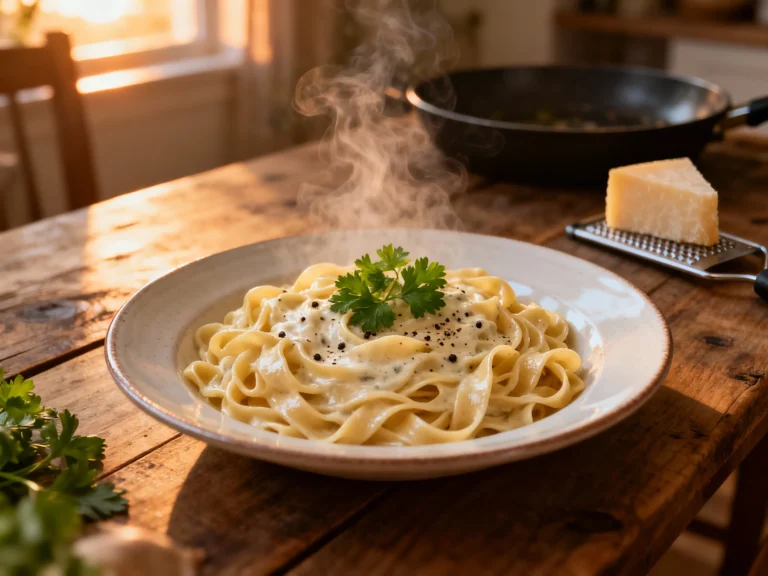
- Cajun Alfredo: Season with Cajun spice; slice over creamy pasta with Parmesan.
- Taco Night: Chili-lime rub; slice into tortillas with pico, avocado, and crema.
- Mediterranean Bowl: Oregano, garlic, and lemon; serve with couscous, cucumber, tomato, and tzatziki.
- Herb Garden: Basil, parsley, and thyme with a splash of white wine in the pan.
FAQ
What’s the difference between tenderloins and breasts?
Tenderloins are a small strip of muscle under the breast. They’re thinner, cook faster, and stay tender with less effort. Breasts are larger and can dry out if you cook them the same way; tenderloins are your weeknight-friendly MVP.
Can I air fry these?
Absolutely. For seasoned (not breaded) tenderloins, air fry at 400°F for 6–8 minutes, flipping halfway. For breaded tenders, spray generously with oil and air fry at 400°F for 10–12 minutes until crisp and 165°F inside.
How do I keep them from drying out?
Use a hot pan, don’t overcook, and rest the meat. A quick marinade with salt + acid + oil helps. Most important: pull them at 160–165°F and rest. A minute too long in the pan is the difference between juicy and “meh.”
Can I cook from frozen?
You can, but you lose sear quality. If you must, bake at 400°F for 20–25 minutes, flipping halfway, until 165°F. For best flavor and texture, thaw first in the fridge overnight.
What can I use instead of buttermilk for crispy tenders?
Mix milk with lemon juice or vinegar (1 cup milk + 1 tbsp acid) and rest 5 minutes. Or use plain yogurt thinned with water until it’s pourable. The goal is gentle acidity to tenderize and help crumbs stick.
Are these gluten-free?
The master method is naturally gluten-free if your spices are clean. For crispy tenders, swap in gluten-free panko or crushed rice cereal. Also check soy sauce (use tamari) and any bottled sauces.
How long should I marinate?
For the base, 10–30 minutes is enough because tenderloins are small. Acidic marinades (citrus, vinegar) shouldn’t go beyond 2–3 hours or the texture can get mushy. Longer isn’t automatically better—effective is better.
What internal temperature should I aim for?
The USDA recommends 165°F for chicken. Pulling at 160–163°F and resting to climb to 165°F keeps juices in and hits the safety mark. A fast-read thermometer is worth its weight in drama avoided.
My Take
People overcomplicate chicken because they think complexity equals flavor. With tenderloins, precision beats complexity—hot pan, bold seasoning, and the right finish. Build your base, then swing from crunchy to saucy to citrusy depending on the day. TBH, this is the most practical path to eating well when life refuses to slow down. Keep the method, remix the vibes, and your weeknight “problem” becomes your favorite habit.
Printable Recipe Card
Want just the essential recipe details without scrolling through the article? Get our printable recipe card with just the ingredients and instructions.