Slow Juicer Recipes That Boost Energy and Taste Amazing
Quick, cold-pressed combos for busy mornings that skyrocket energy, trim sugar, and deliver big flavor with minimal prep and zero fuss.
Want more energy without shelling out $12 a bottle? Make it at home in five minutes and still flex the flavor. Cold press is like a slow-money printer for nutrients—quiet, efficient, and weirdly satisfying. Your 3 p.m. slump? Consider it handled. And your taste buds? They’re getting a promotion.
What Makes This Special
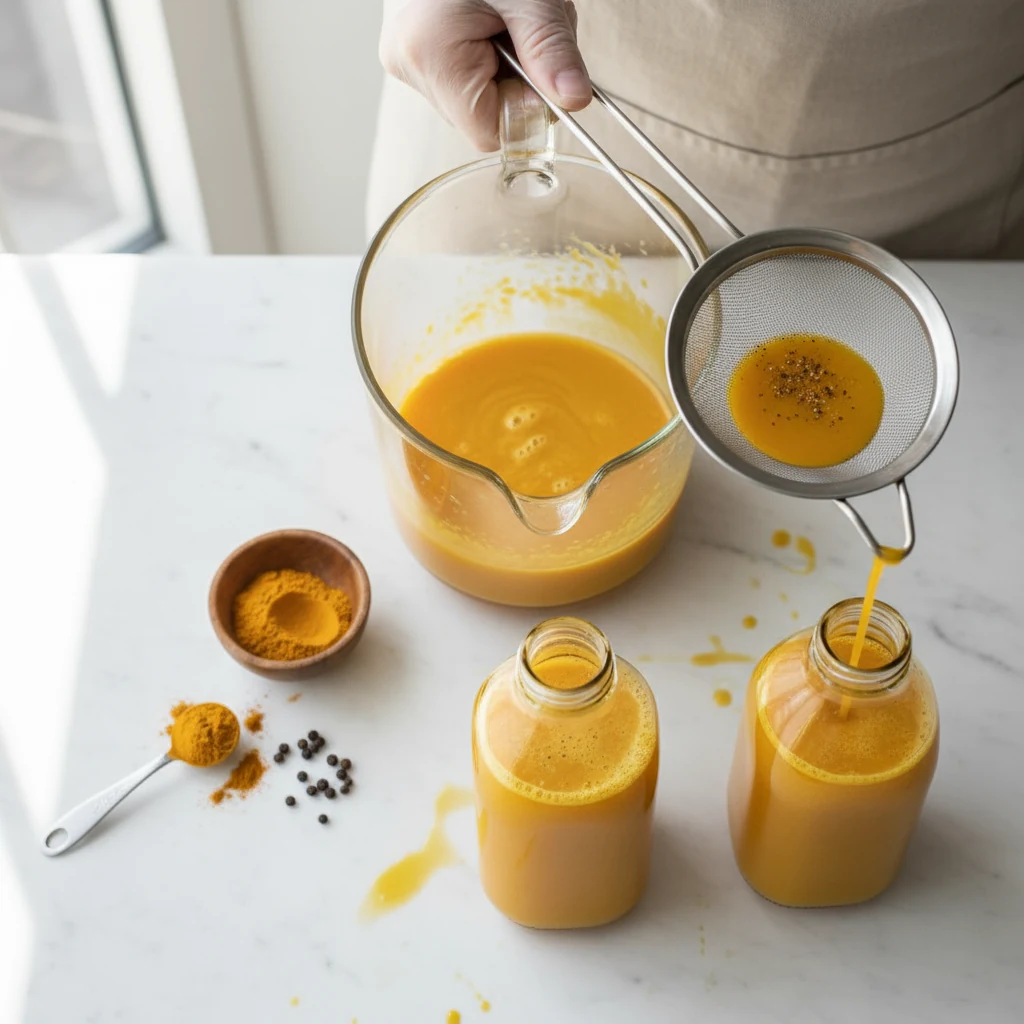
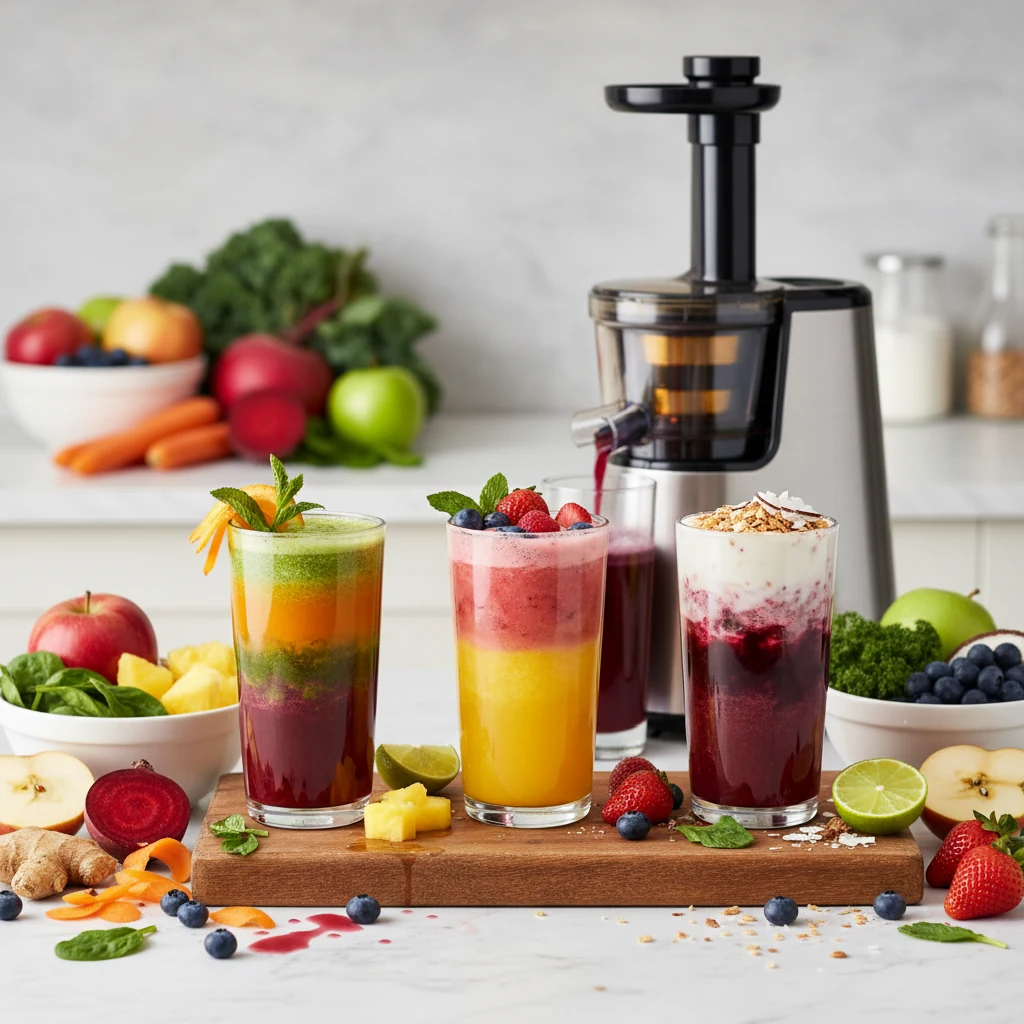
Most smoothies feel heavy; cold-pressed juice tastes clean and bright. A masticating machine spins slow, extracts more, and keeps heat low so nutrients don’t ghost you. You’ll get higher yield, less foam, and longer-lasting freshness. Plus, it’s quiet enough to juice at dawn without waking the house—unless your celery is extra crunchy.
These blends prioritize fast prep, smart flavor pairing, and lower sugar without going all kale-no-joy. You’ll also find swaps and budget-friendly tricks so you aren’t hunting obscure fruits or importing turmeric from Narnia. FYI: every recipe is built for 1–2 servings, easy to scale.
Shopping List – Ingredients
1) Green Glow Starter
- 1 large cucumber
- 2 celery stalks
- 1 green apple
- 1 packed cup spinach
- 1/2 lemon, peeled
- 1/2 inch fresh ginger
2) Sunrise Carrot-Orange
- 4 carrots
- 2 oranges, peeled
- 1/2 inch fresh turmeric
- Pinch black pepper (stir in post-juicing)
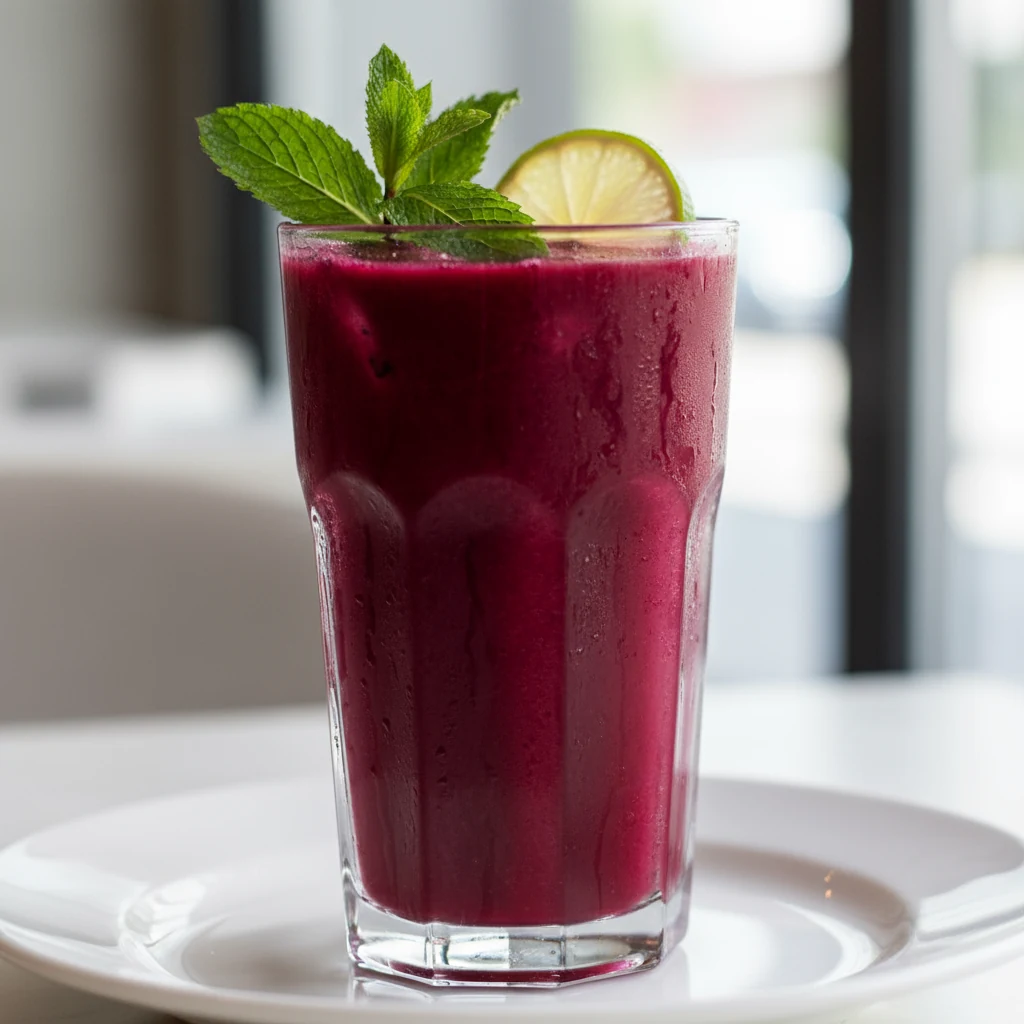
3) Beetroot Power-Up
- 1 medium beet, scrubbed
- 1 red apple
- 1/2 lime, peeled
- 6–8 fresh mint leaves
4) Pineapple Digestif
- 2 cups pineapple chunks
- 1/2 large cucumber
- 1/2 small fennel bulb
- 1/2 lime, peeled
- 4–6 mint leaves
5) Watermelon Hydrator
- 3 cups watermelon, rind removed
- 6–8 strawberries, hulled
- 4 basil leaves
6) Spiced Pear Gut Calm
- 2 ripe pears
- 1 celery stalk
- 1/2 inch ginger
- 1/4 small fennel bulb
- 1/4 lemon, peeled
7) Savory Gazpacho Sipper
- 2 ripe tomatoes
- 1/2 red bell pepper
- 1/3 cucumber
- 1 celery stalk
- 1/4 jalapeño (optional)
- 1/2 lime, peeled
- Small handful parsley
- Pinch sea salt (stir in post-juicing)
8) Apple Pie Sipper
- 2 sweet apples
- 1 ripe pear
- 1/4 lemon, peeled
- 1/4 teaspoon ground cinnamon (stir in post-juicing)
9) Citrus Immunity Kick
- 1 grapefruit, peeled
- 1 orange, peeled
- 1/2 lemon, peeled
- 1/2 inch ginger
- Pinch cayenne (optional, stir in)
10) Leafy Green Matchmaker
- 1 kiwi, peeled
- 2 cups romaine or kale (destemmed if kale)
- 1/2 cucumber
- 1 green apple
- 1/2 lime, peeled
The Method – Instructions
- Wash smart, prep smarter. Scrub produce under cold water. Peel citrus, rough skin (like pineapple), and any waxed peels. Trim beet tops and remove strawberry hulls. Chop into pieces that fit your chute with minimal force; the machine should pull, not you push.
- Stack for flow. Alternate soft and firm items for steady extraction. Example: cucumber → spinach → apple → lemon → ginger. Sandwich herbs (mint, basil, parsley) between juicy produce so they don’t ghost your juice.
- Juice at a steady pace. Feed pieces slowly. For fibrous items (celery, kale), let the auger finish before adding more. If your juicer includes a coarse and fine strainer, use fine for lighter textures and coarse for thicker, nectar-like sips.
- Finish like a pro. Stir the juice in the collecting jug to unify layers. Add spices (cinnamon, cayenne, black pepper) or a pinch of sea salt after juicing. Taste and adjust acid with a squeeze of lemon or sweetness with a half apple.
- Serve or store. Drink immediately for max aroma and vitamin pop. For later, fill bottles to the brim to reduce air. Chill within 10 minutes and keep cold.
- Clean without drama. Run a cup of water through the juicer to push out leftovers. Disassemble and rinse screens right away—dried pulp is basically cement. A soft brush saves your sanity, IMO.
Preservation Guide
Cold-pressed juice holds better than high-speed blends, but it’s still fresh produce in a bottle. Store in airtight, opaque containers to reduce light and oxygen exposure. Refrigerate at 34–38°F (1–3°C).
General rule: 24–72 hours depending on ingredients. Greens and herbs fade faster (24–36 hours). Root and citrus blends often keep 48–72 hours. If it smells off or looks fizzy, don’t negotiate—toss it.
To slow browning, include lemon or lime. For bulk prep, freeze juice in silicone trays and thaw overnight in the fridge. Shake before serving; separation is normal, drama is not.
Health Benefits
- Higher nutrient retention: Low-heat extraction reduces oxidation, helping preserve vitamin C, polyphenols, and enzymes.
- Hydration plus phytonutrients: Produce like cucumber, watermelon, and citrus hydrate while delivering antioxidants and flavonoids.
- Digestive support: Ginger, fennel, and mint can calm bloat and support gastric motility. Your jeans will thank you.
- Anti-inflammatory edge: Turmeric, berries, and leafy greens offer compounds linked to reduced inflammation markers.
- Gentle on blood sugar: Pairing greens and citrus with minimal sweet fruit keeps the glycemic load reasonable. Balance > sugar rush.
- Easy variety: Rotating colors means rotating nutrients—greens for folate, orange for beta-carotene, reds for betalains, etc.
Pitfalls to Watch Out For
- All-fruit overload: Delicious, sure, but it can spike sugar. Anchor blends with cucumber, celery, greens, or citrus.
- Wrong order in the chute: Feeding all soft items first can clog the screen. Alternate textures for smoother flow.
- Overpacking herbs: Too much parsley or basil tastes like lawn clippings. Start with a few leaves and scale up.
- Skipping the peel rules: Peel citrus, pineapple, and kiwis. Don’t juice stone pits or hard mango cores—your auger has limits.
- Letting it sit warm: Juice oxidizes at room temp. Chill fast or drink now. Your vitamins don’t like waiting.
- Ignoring fiber: Juice isn’t a fiber bomb. Balance your day with salads, whole fruit, or reuse pulp in cooking.
Recipe Variations
- Green Glow Starter: Swap spinach for kale; add 1/2 kiwi for tang; throw in cilantro if you’re brave.
- Sunrise Carrot-Orange: Add 1/4 pineapple for a tropical lift; sub turmeric with 1/2 inch ginger if that’s what you’ve got.
- Beetroot Power-Up: Replace apple with pear for softer sweetness; a pinch of cocoa nibs stirred in gives earthy depth (no, not weird).
- Pineapple Digestif: Use green apple instead of fennel if you’re anti-anise; add coconut water post-press for electrolytes.
- Watermelon Hydrator: Swap strawberries for raspberries; add 1/2 lime for a sherbet vibe.
- Spiced Pear Gut Calm: Add 1/8 teaspoon ground cardamom; sub fennel with 1/4 cucumber for milder flavor.
- Savory Gazpacho Sipper: Toss in 1/4 avocado blended in after juicing for silk; replace parsley with cilantro.
- Apple Pie Sipper: Nutmeg pinch is lovely; ginger is optional if you like a little sass.
- Citrus Immunity Kick: Sub grapefruit with blood orange when in season; add turmeric and black pepper for a golden boost.
- Leafy Green Matchmaker: Upgrade with 1/4 green bell pepper; add 1/2 stalk celery for extra minerals.
FAQ
Can I make these with a centrifugal juicer?
Yes, but expect more foam, slightly lower yield, and faster oxidation. Chill the produce and strain the juice through a fine mesh for a cleaner texture. If possible, drink within 12–24 hours.
Do I need to peel everything?
Peel citrus, pineapple, kiwi, and any waxed or bitter peels. Don’t juice pits or hard cores (peaches, cherries, mango). Thin skins like apples, cucumbers, and pears are fine if well washed.
How do I reduce foam and separation?
Use a fine strainer, juice slowly, and include firm items like apples or carrots. Stir the final juice and chill immediately. A quick pass through a nut-milk bag makes it ultra-smooth, TBH.
What’s the best time to drink juice?
Whenever you’ll actually drink it. Morning is great for hydration and micronutrient absorption. Pre-workout for quick carbs; post-meal if you’re using low-sugar blends as a palate refresher.
Can I add protein or extras?
Yes—stir in unflavored collagen, pea protein, or electrolytes after juicing. Chia seeds can thicken and add fiber; let sit 10 minutes. Spices like cinnamon, cayenne, and turmeric play nice, too.
What should I do with the pulp?
Use it in veggie fritters, broth, muffins (apple/carrot pulp is gold), or compost it. You can also mix savory pulp with eggs for quick breakfast bites. Waste less, brag more.
How do I clean the juicer fast?
Run a cup of water through, then disassemble and rinse immediately. Use the brush on the screen before anything dries. For sticky stains (turmeric), soak with a splash of diluted vinegar.
Can kids drink these blends?
Absolutely—just keep the ginger, jalapeño, and cayenne light. Favor lower-sugar blends with cucumber, berries, and citrus. Introduce new flavors slowly to avoid “ew” faces at the table.
How much juice is a serving?
About 8–12 ounces is a sensible serving. Pair with protein or healthy fats in your meal for balance. More is not always better—quality and variety win.
Wrapping Up
If you want clean energy, bold flavor, and zero afternoon crash, these mixes deliver. Keep your base light, your acids bright, and your spice game confident. Prep once, bottle two or three, and your week basically high-fives you. Your juicer isn’t a gadget—used right, it’s a lifestyle upgrade, FYI.
Printable Recipe Card
Want just the essential recipe details without scrolling through the article? Get our printable recipe card with just the ingredients and instructions.