Ham and Bean Soup Recipes Instant Pot — Cozy Fast Foolproof
Weeknight-friendly, smoky ham and creamy beans in under an hour—budget-wise, freezer-friendly, and wildly comforting with minimal prep.
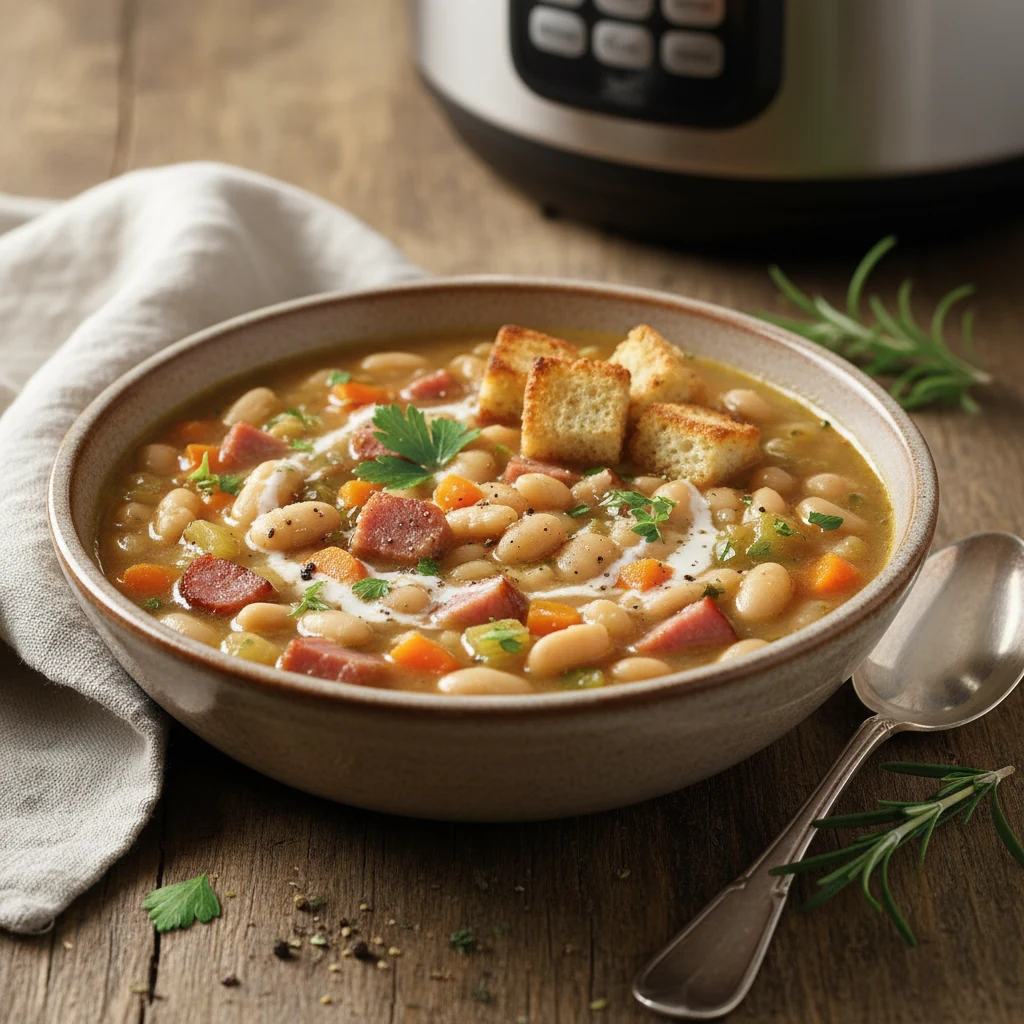
You want a bowl that punches above its weight: cheap ingredients, elite flavor, minimal effort. This delivers. Smoky ham, creamy beans, and a rich broth that tastes like it simmered all day—without you babysitting a pot. The pressure cooker does the heavy lifting while you do literally anything else. And when that lid pops? Dinner that feels like a hug and eats like a meal.
Why This Recipe Works
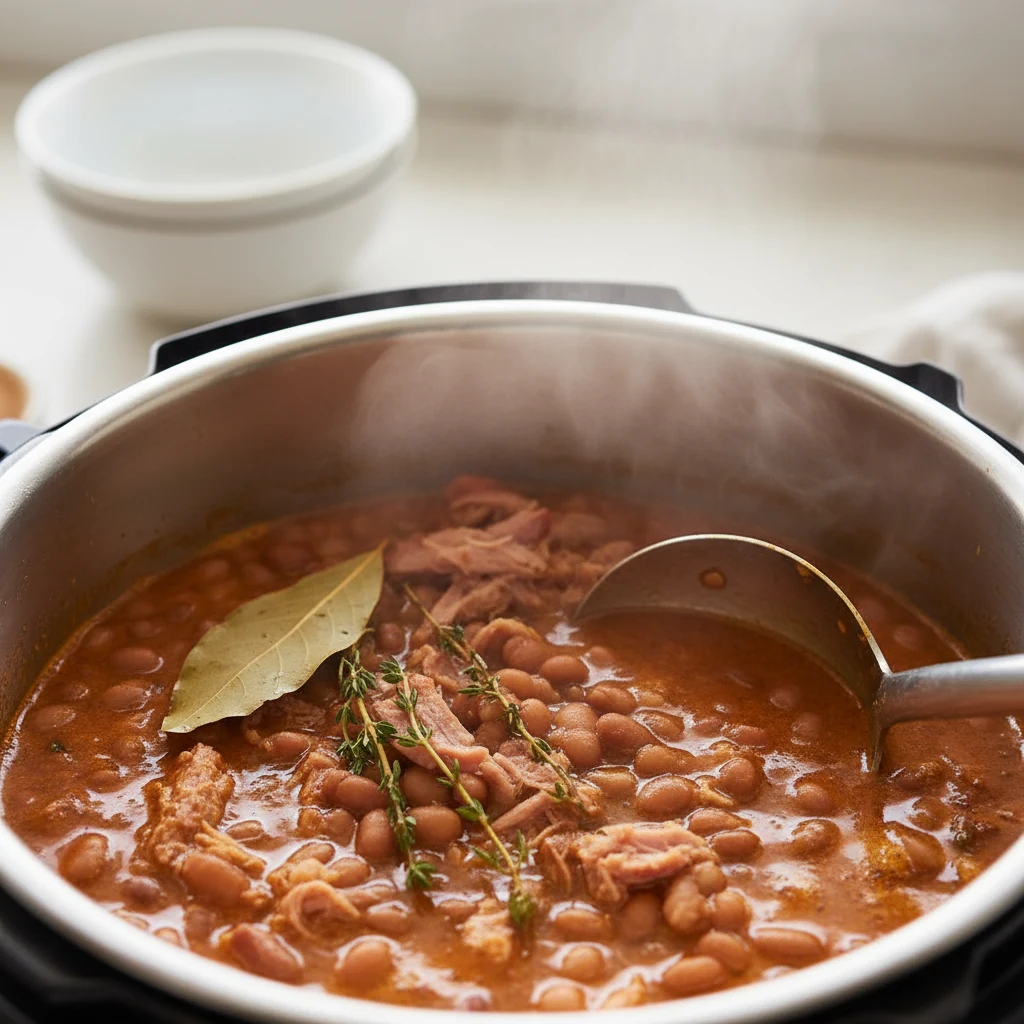
Pressure cooking turns dried beans into buttery-soft morsels in a fraction of the time, no soaking required. The sealed environment traps flavor, pulling smoky richness from a ham bone or hock into every spoonful. Sautéing aromatics first builds a savory foundation, then a quick mash at the end gives the soup body—no cream needed. Translation: deep flavor, hands-off cooking, reliable results, and zero drama (well, unless you count the applause).
Another perk? It’s naturally hearty and budget-friendly. A humble pound of beans and a leftover ham bone become a pot of comfort that feeds a crowd. FYI, the Instant Pot keeps textures consistent, so you get creaminess without the mush that can happen on the stovetop.
What Goes Into This Recipe – Ingredients
- 1 lb (about 2 cups) dried navy or great northern beans, rinsed and picked over
- 1 smoked ham hock or leftover ham bone (about 1–1.5 lb), with some meat attached if possible
- 1–1.5 cups diced cooked ham (optional, for meatier soup)
- 1 tbsp olive oil
- 1 large yellow onion, diced
- 2 carrots, diced
- 2 celery ribs, diced
- 4 garlic cloves, minced
- 1 bay leaf
- 1 tsp dried thyme (or 4 sprigs fresh)
- 1 tsp smoked paprika (optional but recommended)
- 1/2 tsp freshly ground black pepper
- 6 cups low-sodium chicken broth (or 4 cups broth + 2 cups water)
- 1 tbsp apple cider vinegar (or lemon juice), added at the end
- Salt to taste (add at the end; ham brings salt)
- Optional add-ins after pressure cooking: 1–2 cups chopped kale or spinach, a pinch of red pepper flakes, chopped parsley
Let’s Get Cooking – Instructions
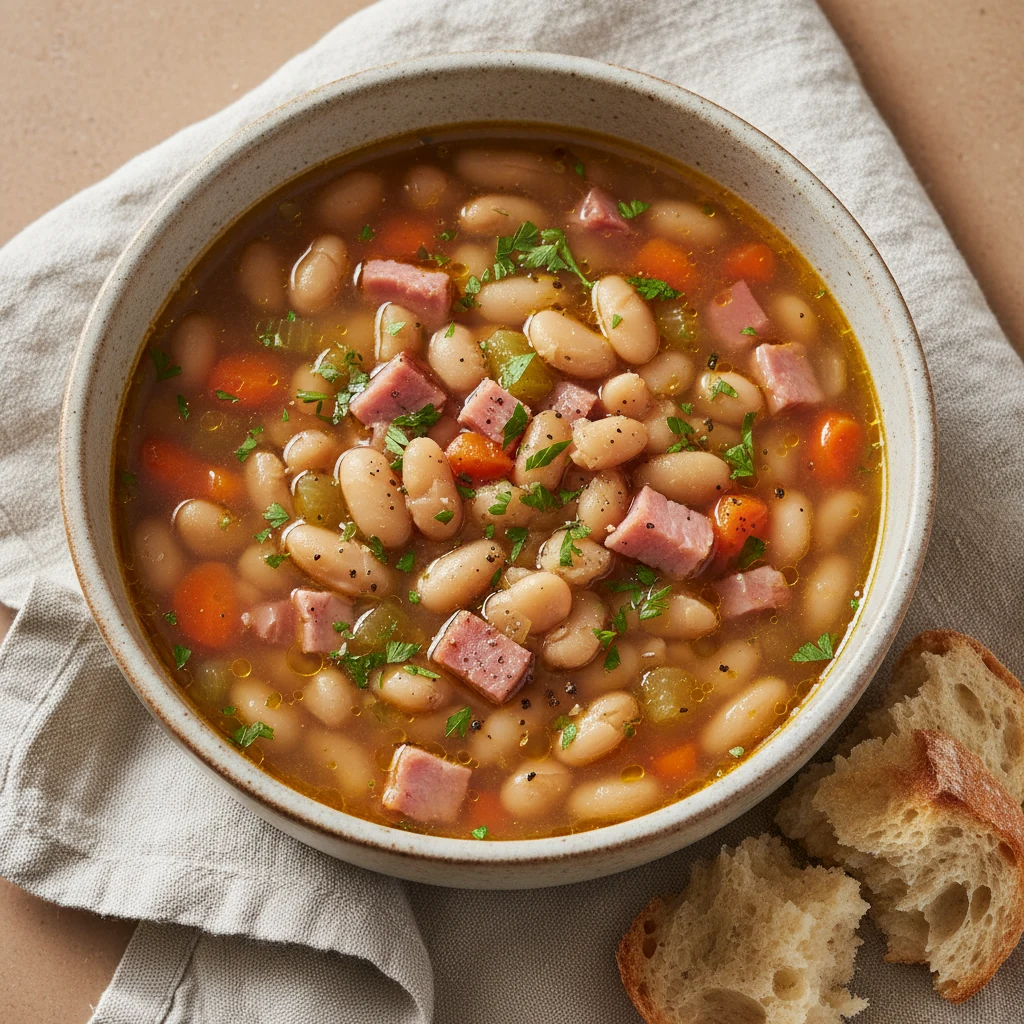
- Prep the beans. Rinse and pick through the beans, discarding debris. No soaking required. If you do soak 8–12 hours, reduce pressure time (see Step 6).
- Sauté the aromatics. Set the Instant Pot to Sauté (Normal). Add olive oil, onion, carrot, and celery. Cook, stirring, 4–5 minutes until softened. Add garlic and cook 30 seconds until fragrant.
- Deglaze thoroughly. Pour in 1 cup of the broth and scrape the bottom with a wooden spoon to lift any browned bits. No stuck bits = no burn notice.
- Load the pot. Add beans, ham hock or bone, diced ham (if using), bay leaf, thyme, smoked paprika, black pepper, and the remaining broth. Stir gently and ensure you do not exceed the pot’s 2/3 max fill line when cooking beans.
- Seal and set. Lock the lid, set the valve to Sealing, and select Pressure Cook (High).
- Pressure cook. For unsoaked beans: set to 35 minutes. For soaked beans: set to 15 minutes. At higher elevations, add 5 minutes.
- Natural release. Let pressure release naturally for 15 minutes, then quick-release the rest. Open the lid away from you because steam + face = bad combo.
- Finish the soup. Remove the ham hock/bone. Pull off any meat, discard skin and bone, and return shredded meat to the pot.
- Thicken to taste. For a creamier texture, mash 1–2 cups of the soup with a ladle against the side of the pot or pulse briefly with an immersion blender. Don’t overdo it unless you want bean puree (no judgment).
- Brighten and season. Stir in vinegar or lemon juice. Taste and add salt as needed—start with 1/4–1/2 tsp and adjust. Add greens now if using and let them wilt for 2–3 minutes.
- Serve. Ladle into bowls and finish with parsley and extra black pepper. Great with crusty bread or a simple side salad.
How to Store
Cool the soup quickly—don’t let it linger in the danger zone. Transfer to shallow containers within 2 hours of cooking. Refrigerate for 3–4 days, and expect it to thicken as the starches set.
For freezing, portion into airtight containers or freezer bags, leaving 1 inch of headspace. Freeze for up to 3 months. IMO, freezing without added greens gives the best texture; stir fresh greens into reheated portions.
Reheating is easy: on the stovetop over medium, add a splash of water or broth and simmer until hot, about 8–10 minutes. Microwave in bursts, stirring every minute. Adjust seasoning after reheating—beans love to drink up salt.
Health Benefits
Beans are fiber powerhouses. A hearty bowl delivers lots of soluble and insoluble fiber, which supports gut health, satiety, and steady energy. That fiber also helps blunt blood sugar spikes—great news for anyone chasing better glycemic control.
Between the ham and beans, you’re looking at a solid hit of protein for recovery and fullness. Add in potassium, iron, folate, and magnesium, and this humble soup starts to look like a quiet overachiever. If you cook with a ham bone or hock, you’ll extract collagen and minerals into the broth for extra body and nutrition.
Concerned about sodium? Smart. Use low-sodium broth, add salt only at the end, and lean on acidity (that splash of vinegar) to wake up flavors without more salt. Want it leaner? Trim visible fat from the ham or swap in smoked turkey parts for a lighter profile—TBH, you’ll still get that lovely smokiness.
Pitfalls to Watch Out For
- Burn notice blues. Failing to deglaze after sautéing or adding thick ingredients under the beans can trigger the dreaded message. Scrape well and keep ingredients thin and brothy before sealing.
- Over-salting. Ham is salty. Add salt after pressure cooking. Use low-sodium broth to keep control.
- Old beans = tough beans. If your bag has been lurking in the pantry since last year, they might resist softening. Buy fresh, or add 1/4 tsp baking soda to the pot (it helps with hard water and older beans).
- Overfilling the pot. Beans foam and expand. Keep under the 2/3 line or you risk sputters and messy releases.
- Impatient release. Slamming to quick release can cause vigorous bubbling. Give it 15 minutes of natural release, then feather the valve open slowly.
- Too thin or too thick. Beans thicken as they cool. If too thick, add hot broth or water. If too thin, mash some beans or simmer on Sauté for 5–10 minutes.
Mix It Up
- Southwest vibes: Add 1 tsp ground cumin, 1 tsp dried oregano, and a can of mild green chiles after pressure cooking. Finish with lime and cilantro.
- Tuscan twist: Swap thyme for rosemary, stir in chopped kale post-cook, and finish with lemon zest and a drizzle of olive oil.
- Cajun comfort: Brown sliced andouille with the aromatics, add a Cajun seasoning blend (to taste), and garnish with scallions. A few okra slices stirred in at the end add body.
- Vegetarian route: Skip ham. Use vegetable broth, bump smoked paprika to 2 tsp, add a strip of kombu or a splash of liquid smoke (1/4 tsp), and stir in a spoonful of white miso at the end.
- Different beans: Cannellini or pinto are excellent. For larger beans, add 5–10 minutes to pressure time.
- Extra creamy: Mash more beans or stir in 1/2 cup evaporated milk or cream after pressure cooking. Don’t pressure-cook dairy—add it at the end.
- Veg boost: After pressure cooking, add diced potatoes (1-inch) and simmer on Sauté 8–10 minutes until tender, or fold in baby spinach until wilted.
FAQ
Do I need to soak the beans first?
No. The pressure cooker handles unsoaked beans beautifully. Use 35 minutes on High plus 15 minutes natural release. If you prefer soaking (8–12 hours), reduce the pressure time to 15 minutes and keep the same natural release.
Can I use canned beans instead of dried?
Yes, but adjust the method. Sauté aromatics, add ham/bone and broth, and pressure cook 10 minutes to extract flavor. Quick-release, add 4 cans drained beans, and simmer on Sauté for 5–10 minutes. This prevents canned beans from blowing out under pressure.
What if I don’t have a ham hock or bone?
Use diced smoked ham and boost smokiness with 1/4–1/2 tsp liquid smoke (added at the end). Smoked turkey legs or wings are a great lean substitute, too.
How do I avoid a burn notice?
Deglaze after sautéing, keep tomatoes and thickeners out until after pressure cooking, and maintain at least a 1:3 beans-to-liquid ratio by volume. For this recipe: 2 cups beans to 6 cups liquid = on point.
How long does the whole process really take?
Plan on 75–90 minutes door-to-door: sautéing (10 minutes), time to pressure (10–15), pressure cook (35 or 15), and natural release (15). Your active time is about 15 minutes.
Is this gluten-free?
Yes, as long as your broth and ham are gluten-free. Check labels on broths, seasonings, and smoked meats to be safe.
Can I double the recipe?
Yes, in an 8-quart cooker, as long as you stay under the 2/3 fill line. Keep the pressure cook time the same; it might take longer to come to pressure and to release naturally.
How do I thicken the soup without cream?
Mash a couple ladles of beans against the pot or give it a few quick immersion-blender pulses. Simmer on Sauté to reduce if needed. Vinegar at the end sharpens flavors so it “tastes thicker,” too.
Can I make this on the stovetop or slow cooker?
Stovetop: simmer soaked beans with the ham bone 1.5–2 hours until tender, then finish as directed. Slow cooker: Low 7–9 hours (or High 4–5) with soaked beans; sauté aromatics first for best flavor.
How can I make it spicy?
Add red pepper flakes to taste, a minced jalapeño with the aromatics, or stir in 1–2 tsp chipotle in adobo after pressure cooking. Balance the heat with a splash of extra vinegar.
The Bottom Line
This is comfort food with a business plan: low cost, big flavor, high yield. The pressure cooker turns pantry staples and a humble ham bone into a rich, satisfying soup that stores and freezes like a champ. It’s flexible enough for Tuesday night, impressive enough for a casual crowd, and resilient to tweaks.
Get the aromatics right, deglaze like you mean it, and let pressure do the rest. One pot, minimal fuss, maximum cozy—exactly what dinner should be. Now go make a batch you’ll brag about later (because you will, and you should).
Printable Recipe Card
Want just the essential recipe details without scrolling through the article? Get our printable recipe card with just the ingredients and instructions.