Classic Bolognese & Béchamel Lasagna — Big Flavor Low Stress
Old-school meat ragù meets silky white sauce for restaurant vibes at home. Great for make-ahead meals, cozy Sundays, and guaranteed seconds.
Here’s the truth: if you can brown meat, simmer a pot, and stack layers neatly, you can cook like a trattoria pro. This lasagna doesn’t ask for fancy tricks—just patience, salt, and a little swagger. The payoff? Deep, savory flavor that tastes like you spent a semester in Bologna. You’ll shock your dinner table, you’ll impress yourself, and you’ll probably plan leftovers before the first bite lands. Spoiler: you’ll want bigger pans.
What Makes This Special
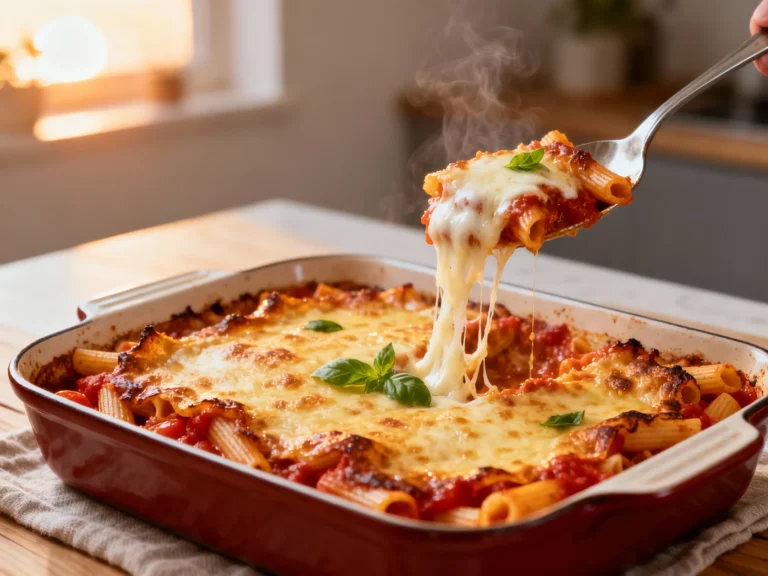
Most lasagnas drown you in cheese to hide weak sauce. This one flexes flavor with two powerhouses: a slow-simmered Bolognese and a glossy béchamel. The ragù brings umami and richness; the béchamel adds silk and balance. Together they create layers that slice clean, taste layered, and feel like a hug with good posture.
Real magic happens in the pot. When you brown the soffritto until sweet, deglaze with wine, then add milk to mellow acidity, you get depth that store-bought jars can’t touch. Long simmering breaks down collagen and fat into a sauce that coats noodles without puddles. Yes, it takes time. No, it’s not hard.
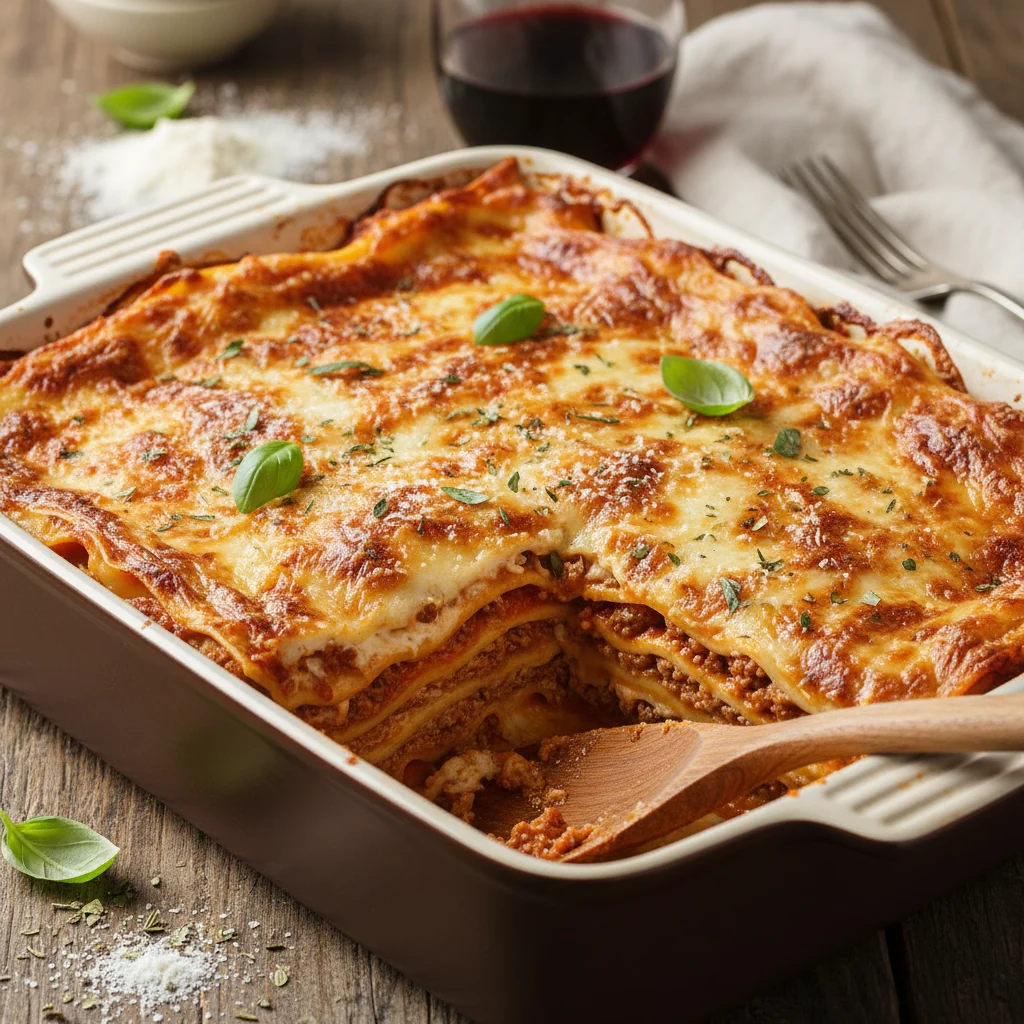
The texture is elite. Sheets of pasta absorb sauces; béchamel ties everything together; Parmigiano melts and crisps where it counts. The result is sliceable, not sloppy, with layers that hold structure and a top that crackles in all the right ways. FYI, this is the version that makes people whisper “wow” between bites.
Ingredients Breakdown
For the Bolognese Ragù (makes about 6 cups)
- 2 tbsp olive oil
- 2 tbsp unsalted butter
- 1 large onion, finely diced
- 2 medium carrots, finely diced
- 2 celery ribs, finely diced
- 3 oz pancetta, minced (or bacon), optional but excellent
- 1 lb ground beef, 80–85% lean
- 1/2 lb ground pork (or veal)
- 1/4 cup tomato paste
- 1 cup dry red wine
- 1 cup whole milk
- 1 28-oz can crushed tomatoes (San Marzano if possible)
- 1 cup low-sodium beef or chicken stock
- 1 bay leaf
- Salt and black pepper, to taste
For the Béchamel (White Sauce)
- 6 tbsp unsalted butter
- 6 tbsp all-purpose flour
- 4 cups whole milk, warmed
- 1/4 tsp freshly grated nutmeg
- Salt and white pepper, to taste
For Assembly
- 1 lb fresh lasagna sheets (or no-boil dried sheets; see instructions)
- 1 1/2 cups finely grated Parmigiano Reggiano
- Olive oil or butter, for greasing
- Optional: 8 oz low-moisture mozzarella, shredded (non-traditional, but melty)
Cooking Instructions
- Start the flavor base. Heat olive oil and butter in a large heavy pot over medium heat. Add onion, carrots, and celery with a big pinch of salt. Cook, stirring, until vegetables soften and sweeten, about 10–12 minutes.
- Add pancetta. Stir in pancetta and cook until it renders and just begins to crisp, about 5 minutes. If skipping pancetta, move on—no stress.
- Brown the meats properly. Increase heat to medium-high. Add beef and pork, breaking into small bits. Season with salt and pepper. Cook until browned with some crispy edges, 8–10 minutes. Don’t rush; browned bits = flavor.
- Tomato paste time. Clear a space in the pot, add tomato paste, and cook until brick red and caramelized, 2–3 minutes.
- Deglaze with wine. Add red wine. Scrape up browned bits. Reduce by half, about 3–4 minutes.
- Milk makes it mellow. Stir in milk and simmer until slightly reduced, 5–7 minutes. This tames acidity and tenderizes the meat.
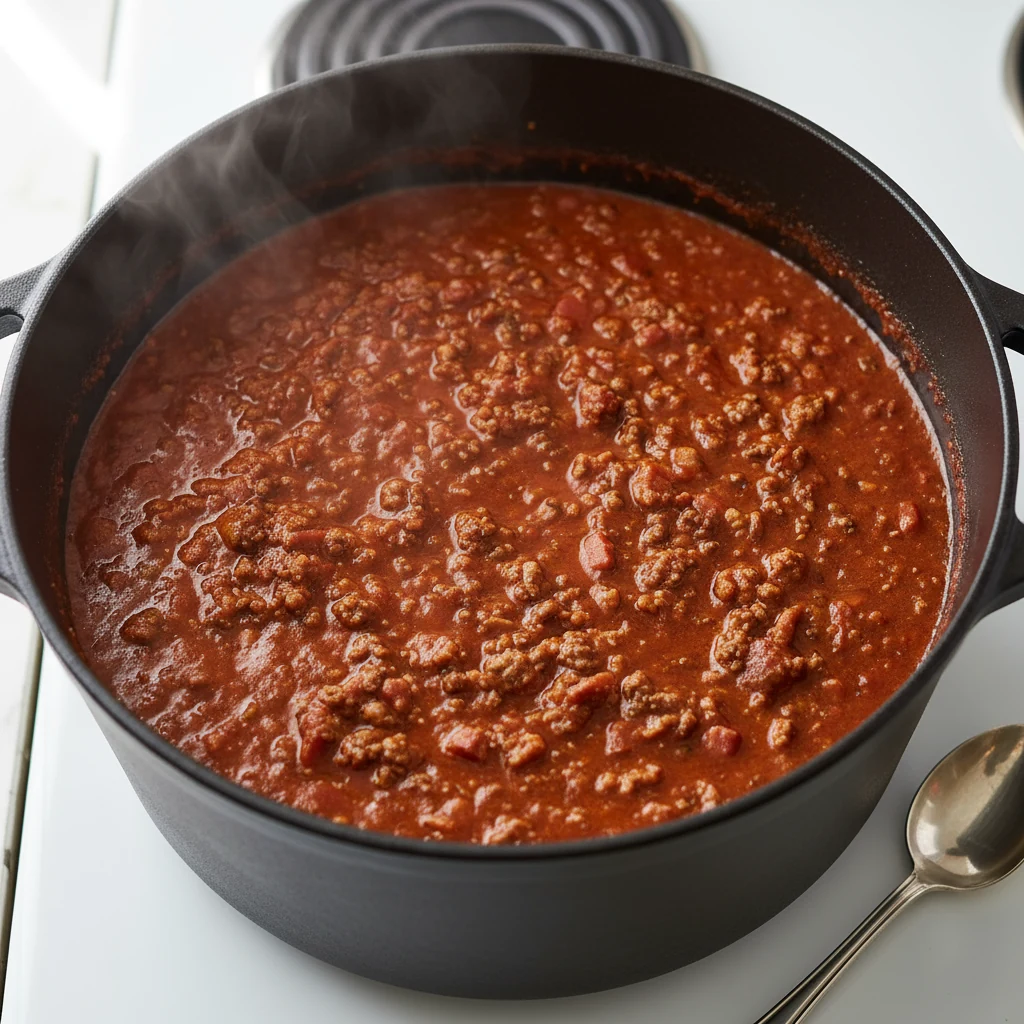
- Add tomatoes and stock. Stir in crushed tomatoes, stock, and bay leaf. Bring to a gentle simmer. Partially cover and cook low and slow for 2–3 hours, stirring occasionally. Add splashes of water if it gets too thick.
- Finish the ragù. Remove bay leaf. Adjust salt and pepper. The sauce should be thick, spoon-coating, and glossy. If it tastes “sharp,” simmer 15 minutes more.
- Make the béchamel. In a saucepan, melt butter over medium heat. Whisk in flour and cook, stirring, for 2 minutes to form a blond roux (no color).
- Whisk in warm milk. Slowly stream in warm milk, whisking constantly to avoid lumps. Bring to a gentle simmer; cook until smooth and slightly thick, 6–8 minutes. Season with salt, white pepper, and nutmeg. It should nap a spoon.
- Prep pasta. If using fresh sheets, no pre-cook needed. If using dried no-boil, you can use as-is or give a quick dip in hot water for 30 seconds to jump-start hydration. If using standard dried sheets, boil in salted water until very al dente, 5–6 minutes; drain and lightly oil to prevent sticking.
- Heat the oven. Preheat to 375°F/190°C. Grease a 9×13-inch baking dish with butter or oil.
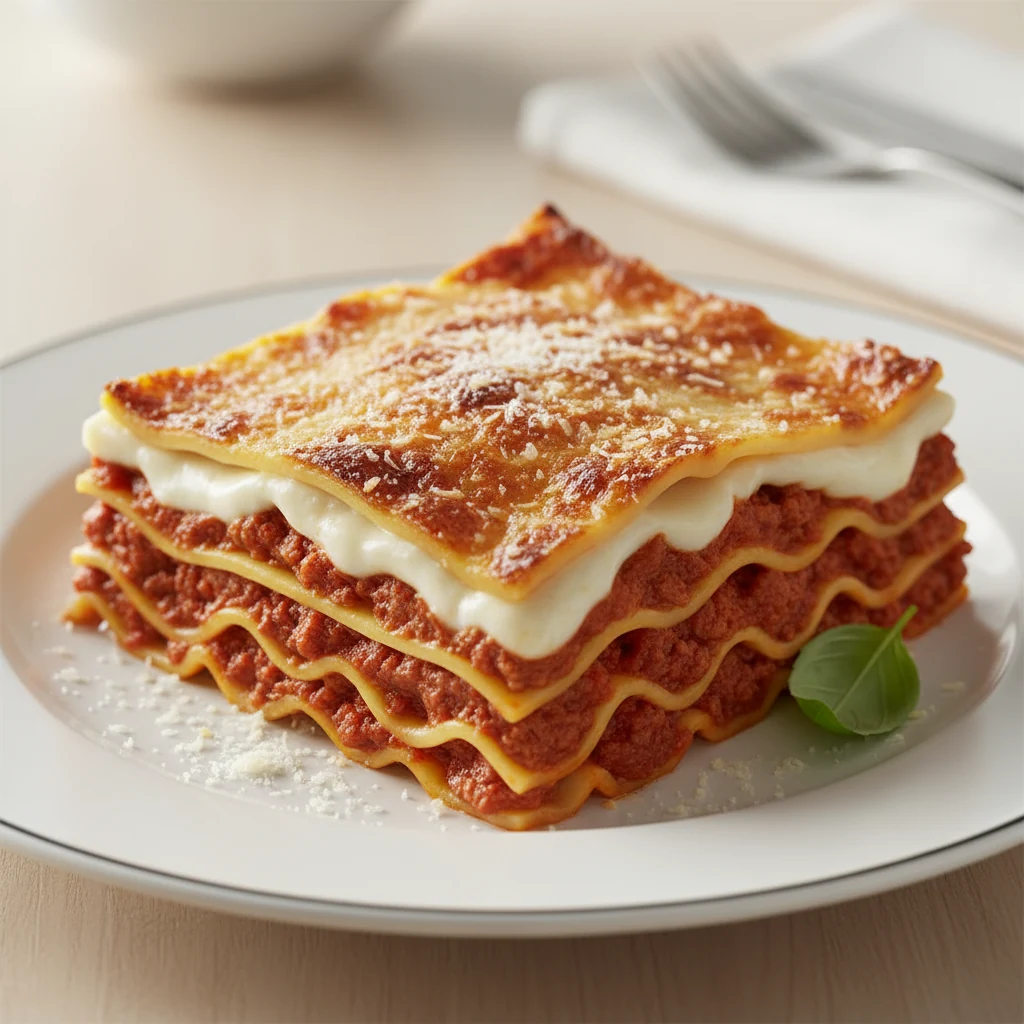
- Layer strategically. Spread a thin layer of béchamel on the bottom (prevents sticking). Add a single layer of pasta. Spoon on a thin but even layer of ragù. Dot or spread béchamel over it. Sprinkle a light layer of Parm (and mozzarella if using). Repeat layers until you reach the top, finishing with béchamel and Parm.
- Aim for 4–5 pasta layers. Don’t overstuff the middle. Thin, repeat layers deliver the “wow” cross-section and the best texture.
- Bake covered, then uncovered. Cover the dish loosely with foil (tent so it doesn’t stick). Bake 25 minutes, then uncover and bake another 20–25 minutes until bubbling and golden-brown speckles appear.
- Rest before slicing. Let the lasagna rest 20–30 minutes before cutting. This sets the layers and prevents the tragic “lava slide.” Slice with a sharp knife; serve with extra Parm.
Keeping It Fresh
Make-ahead: Build the entire pan up to 24 hours ahead. Cover tightly and refrigerate. Add 10–15 minutes to the covered bake time when cooking from cold.
Storage: Wrap leftovers airtight. They’ll hold for 4 days in the fridge. Reheat covered at 300°F/150°C until warmed through, about 20–25 minutes, then uncover 5 minutes for a little top sizzle.
Freezing: Freeze whole or in portions, tightly wrapped, for up to 3 months. Thaw overnight in the fridge, then reheat as above. Pro move: freeze in individual squares for lunch-box hero status.
Moisture insurance: If reheating slices look dry, spoon on a tablespoon of warm milk or stock before covering. It’s like a quick spa treatment for pasta.
Health Benefits
- Protein and iron: The meat ragù delivers complete proteins and iron to keep energy steady and cravings quiet.
- Calcium boost: Milk in the béchamel plus Parmigiano means serious calcium for bones that don’t squeak.
- Lycopene win: Tomatoes offer lycopene, an antioxidant that loves to party with healthy fats for better absorption.
- Portion-friendly: Because it’s rich and satisfying, a moderate slice hits the spot. You don’t have to eat half the pan (unless you want to).
- Smart swaps: Use leaner meats, whole milk in moderation, and add extra soffritto to sneak in more vegetables without losing flavor.
- Sodium control: Home-cooked over jarred sauce means you manage salt. Your future self will thank you, IMO.
What Not to Do
- Don’t rush the browning. Gray meat equals flat flavor. Get color before you move on.
- Don’t skip the milk. It softens acidity and enriches the ragù. It’s classic for a reason.
- Don’t go sauce-heavy in one layer. Thin, even layers prevent sloppy slices.
- Don’t drown it in mozzarella. This style sings with béchamel and Parm; mozzarella is optional, not mandatory.
- Don’t bake from cold without extra time. You’ll get cold centers and shattered dreams. Add minutes.
- Don’t cut right away. Resting sets the architecture. Your patience gets rewarded.
- Don’t use watery tomatoes. If your brand is thin, simmer longer or add a spoon of tomato paste.
- Don’t overcook pasta. Slightly underdone sheets will finish in the oven and keep structure.
Mix It Up
- Spinach pasta sheets: Add a subtle earthiness and a nice color contrast for presentation points.
- Mushroom upgrade: Sauté 12 oz chopped cremini/shiitake with thyme and fold into the ragù for umami on umami.
- Spicy kick: Stir a teaspoon of Calabrian chili paste into the ragù. It wakes up the richness without hijacking it.
- Herb brightness: Finish the béchamel with a tablespoon of chopped parsley or basil for a fresh top note.
- Gluten-free route: Use GF lasagna sheets and make béchamel with a 1:1 gluten-free flour blend. Texture stays legit.
- Lighter dairy: Use 2% milk for béchamel and half the butter. It’s still silky; no flavor police will show up.
- Dairy-free béchamel: Olive oil + oat milk, a pinch of nutritional yeast, and nutmeg. Shockingly good, TBH.
- All-beef purist: Skip pork and pancetta and lean into beef plus an extra spoon of butter for roundness.
FAQ
Do I need mozzarella for this style of lasagna?
No. The traditional version leans on béchamel and Parmigiano for creaminess and savoriness. Mozzarella is optional if you want extra melt, but keep it light so it doesn’t drown the balance.
Fresh pasta, no-boil, or standard dried—what’s best?
Fresh sheets give the most tender, luxurious bite. No-boil is convenient and works well if your sauces are slightly looser. Standard dried is great too—just undercook it so it finishes in the oven without getting mushy.
How do I prevent a watery lasagna?
Simmer the ragù until thick and glossy, and cook the béchamel to a nappe consistency (lightly coats a spoon). Don’t overload any single layer with sauce, and let the finished lasagna rest 20–30 minutes before cutting.
Can I make the components ahead of time?
Absolutely. Ragù keeps for 4 days in the fridge and freezes like a champ for 3 months. Béchamel holds 3 days refrigerated; rewarm gently with a splash of milk to loosen before assembling.
What wine should I use in the sauce?
Dry red with good acidity: Sangiovese, Montepulciano, or a modest Chianti. If red isn’t handy, a dry white works better than skipping entirely.
What’s the ideal baking temperature and time?
Bake at 375°F/190°C, covered for 25 minutes, then uncovered 20–25 minutes. You want bubbling edges and golden top speckles without scorching.
How many layers should I aim for?
Four to five pasta layers deliver the right balance of sauce-to-pasta ratio and structural integrity. Thin layers repeated often beat chunky layers every time.
My Take
This is the lasagna that turns a regular night into a minor event, without demanding you babysit it for hours. The steps are simple, the techniques are timeless, and the flavor is outrageous in the best way.
When people ask why it tastes different, the answer is boring and brilliant: brown well, simmer long, layer thin, rest before slicing. Do that, and you’ll build a reputation as “that lasagna person.” Which, in my book, is elite status—no membership fee required.
Printable Recipe Card
Want just the essential recipe details without scrolling through the article? Get our printable recipe card with just the ingredients and instructions.