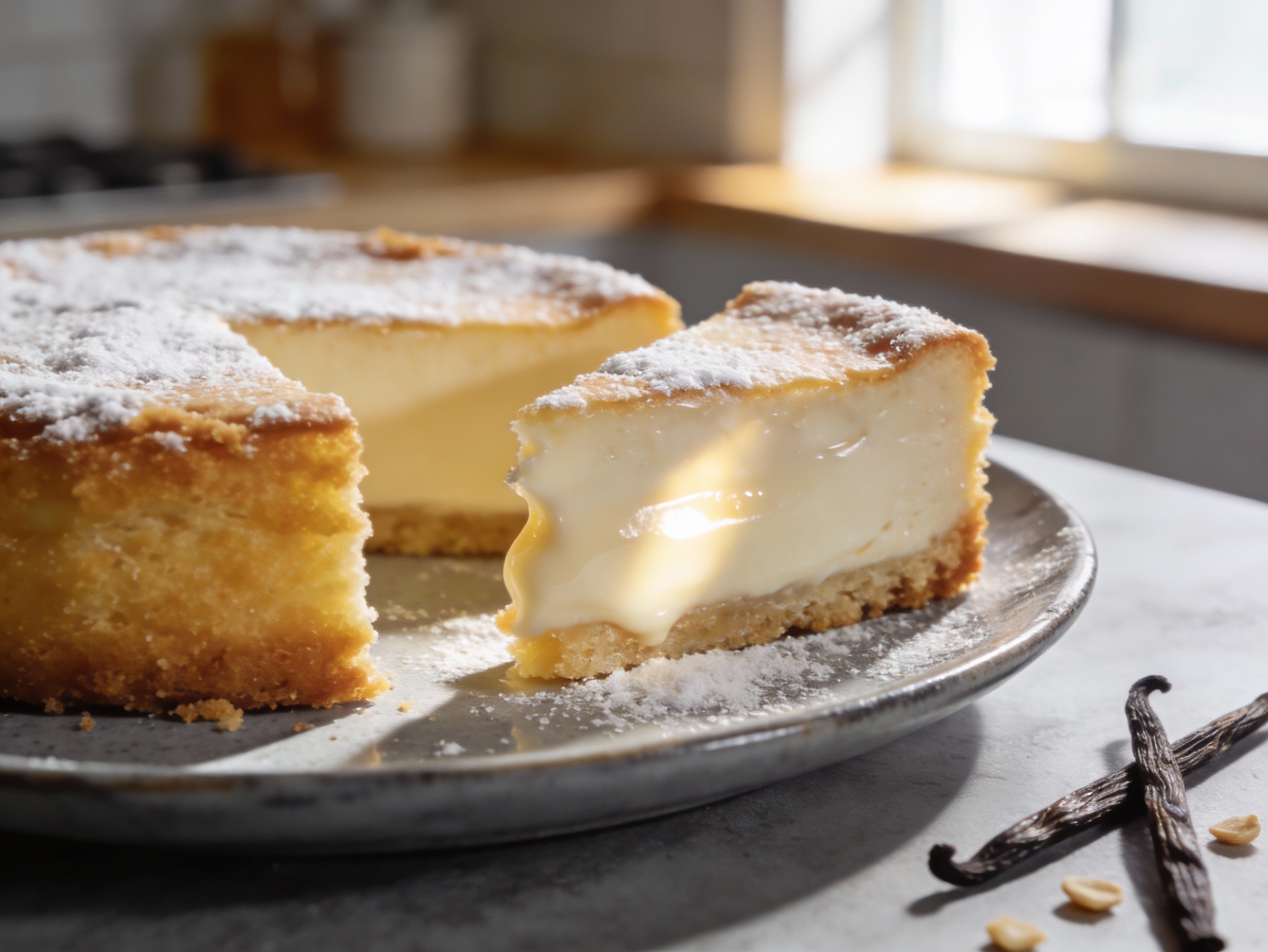
Custard Cake Recipes That Taste Like Bakery Magic
Make a silky, tender cake with a glossy custard layer—easy steps, simple pantry staples, and results that look way fancier than they are.
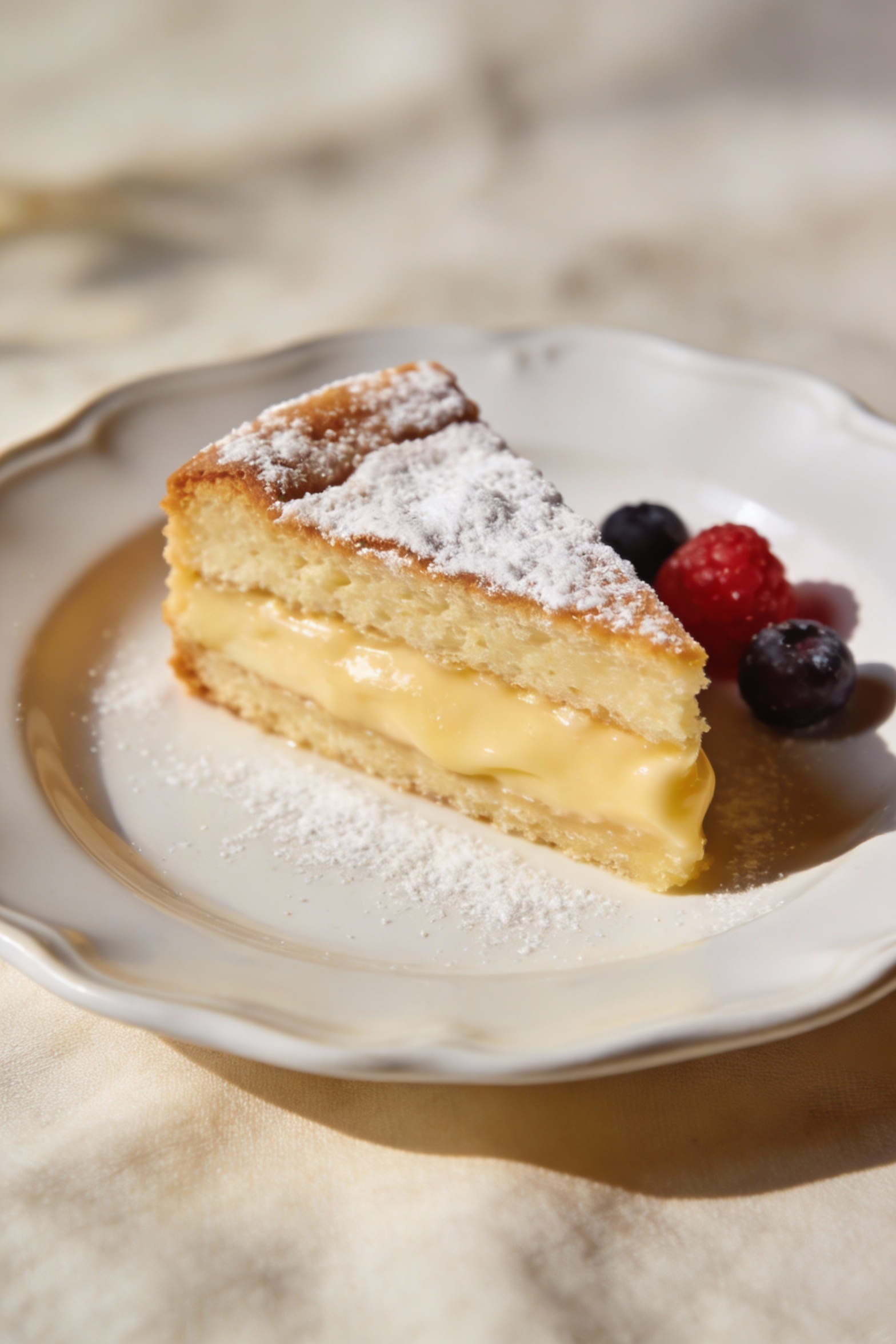
You want a dessert that makes people assume you “bake.” Not dabble—bake. This cake does that with one unfair advantage: a rich custard layer that turns basic batter into a show-off slice. It’s soft, creamy, and somehow still light enough to justify a second piece. And yes, it’s the kind of recipe that makes your kitchen smell like you’ve got your life together.
Here’s the deal: you’ll make one straightforward batter, pour it over a quick custard, and bake until the top turns golden and confident. No weird techniques. No mystery ingredients. Just smart ratios, a little patience, and a pan that doesn’t betray you.
Why This Recipe Works
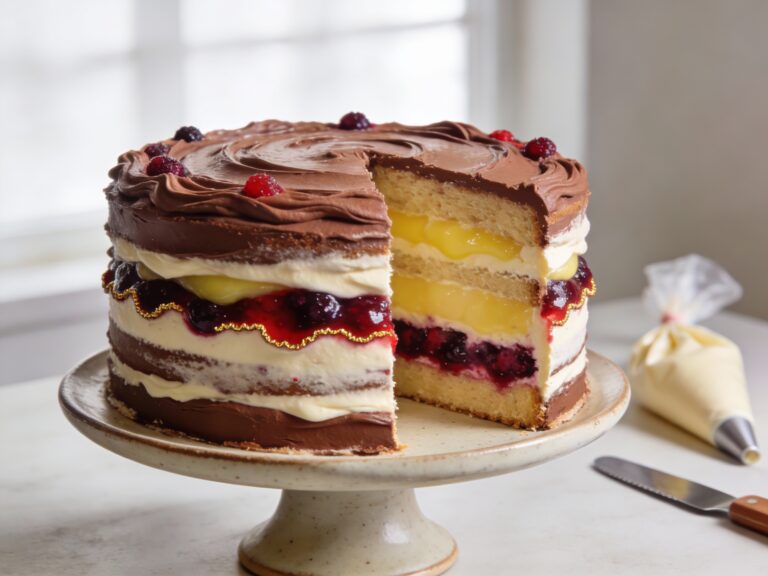
Two textures, one bake is the whole flex here. The custard sets into a creamy layer while the cake rises above it, so every bite hits soft, smooth, and buttery at once. It feels like you did something complicated, but you didn’t.
Gentle heat keeps the custard silky instead of scrambled. A moderate oven and a water bath (optional but powerful) help the center set without turning rubbery. You get clean slices that still melt on the tongue.
Balanced sweetness makes it addictive, not exhausting. The vanilla-forward custard brings richness, while a lightly sweet cake keeps the whole thing from tasting like sugar shouting into a megaphone. IMO, this is the sweet spot for “one more bite.”
Ingredients
- For the custard layer: 2 cups whole milk
- 1/2 cup granulated sugar
- 3 large egg yolks
- 3 tablespoons cornstarch
- 2 tablespoons unsalted butter
- 2 teaspoons vanilla extract
- 1/4 teaspoon fine salt
- For the cake layer: 1 1/2 cups all-purpose flour
- 1 1/2 teaspoons baking powder
- 1/4 teaspoon fine salt
- 1/2 cup unsalted butter, softened
- 3/4 cup granulated sugar
- 2 large eggs
- 1/2 cup sour cream (or plain Greek yogurt)
- 1/3 cup whole milk
- 1 teaspoon vanilla extract
- Optional finish: powdered sugar for dusting
- Optional flavor boost: 1 teaspoon lemon zest or 1/2 teaspoon almond extract
Instructions
-
Prep your pan and oven. Heat the oven to 350°F (175°C). Grease and line a 9-inch springform pan or a deep 9-inch round cake pan with parchment on the bottom.
-
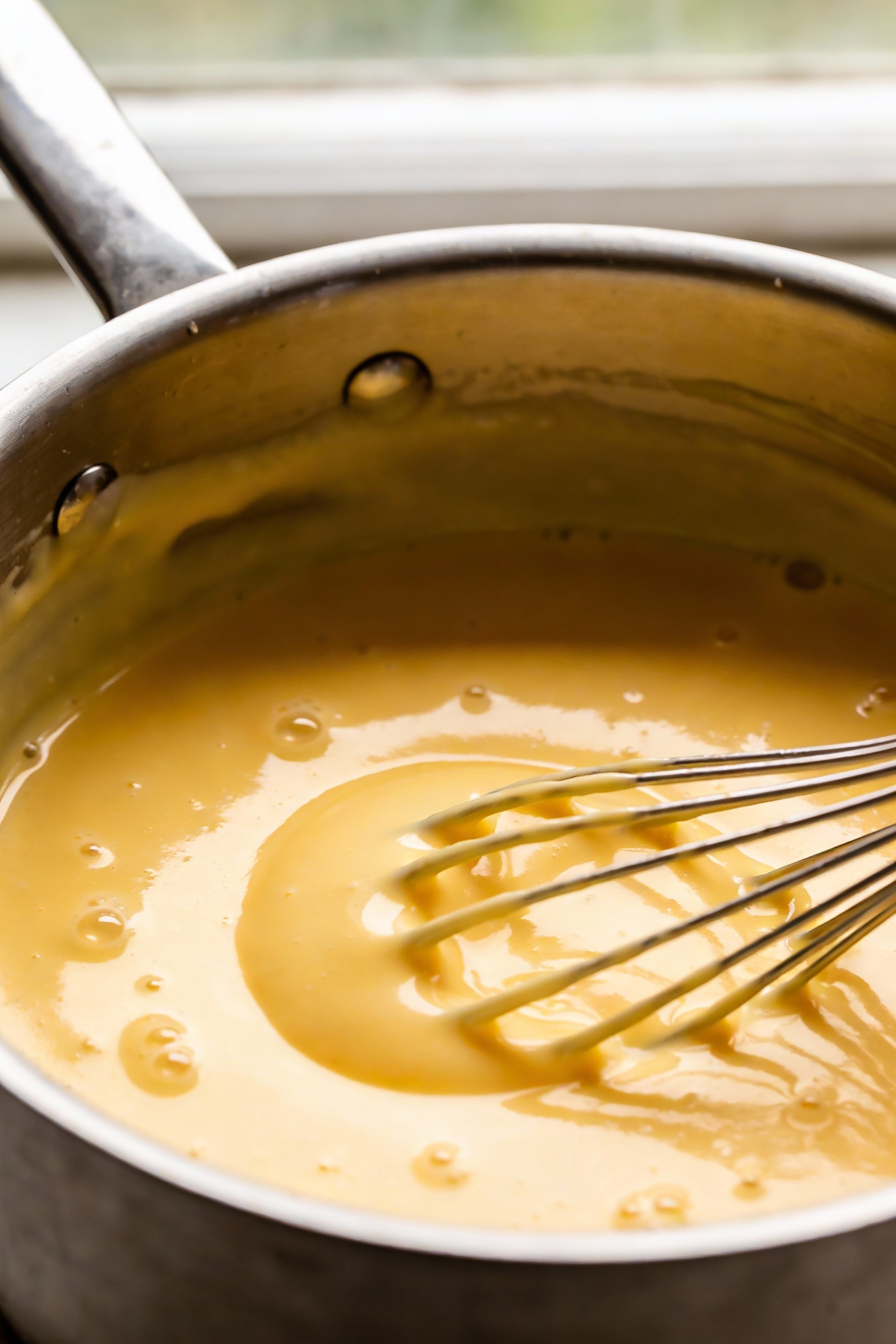
Start the custard. In a saucepan, whisk milk, sugar, cornstarch, salt, and egg yolks until smooth. Put it over medium heat and whisk constantly.
-
Thicken like you mean it. Keep whisking until it bubbles and turns glossy and thick, about 4 to 6 minutes. If it looks lumpy for a second, whisk harder and it’ll behave.
-
Finish the custard. Take off heat. Whisk in butter and vanilla until smooth. Pour into a bowl and press plastic wrap directly on the surface to prevent a skin.
-
Mix dry ingredients. In a bowl, whisk flour, baking powder, and salt. Set aside.
-
Cream butter and sugar. Beat softened butter and sugar until pale and fluffy, about 2 to 3 minutes. This traps air for a lighter crumb, so don’t speed-run it.
-
Add eggs and flavor. Beat in eggs one at a time, then add vanilla. Scrape the bowl so nothing hides on the sides like it pays rent.
-
Add sour cream and milk. Mix in sour cream, then milk. The batter should look smooth and rich, not curdled and chaotic.
-
Combine wet and dry. Add the dry ingredients and mix just until you stop seeing flour. Overmixing turns tender cake into a gym workout.
-
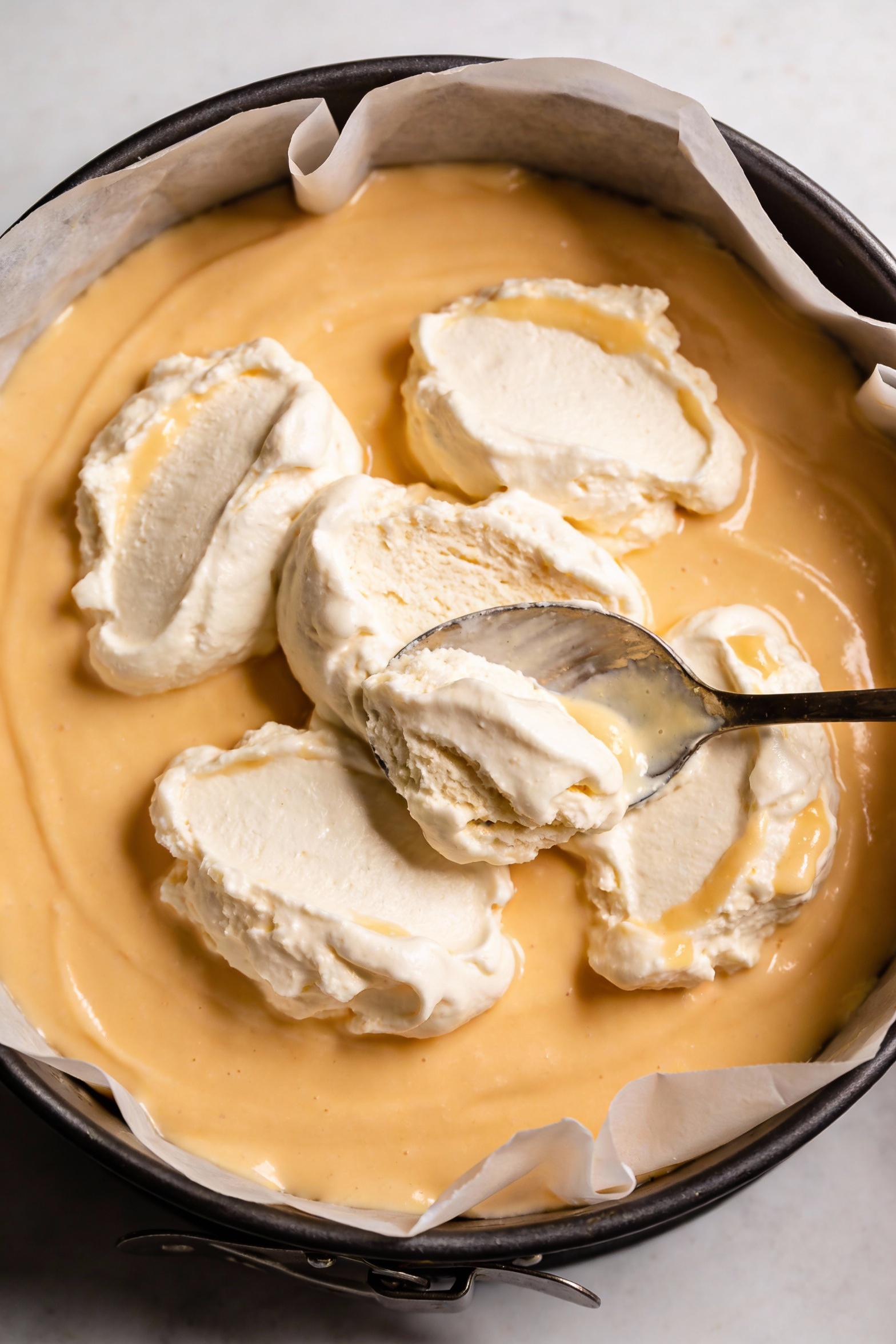
Layer it up. Spread the warm (not hot) custard into the prepared pan. Spoon cake batter over the custard in gentle dollops, then spread carefully to cover.
-
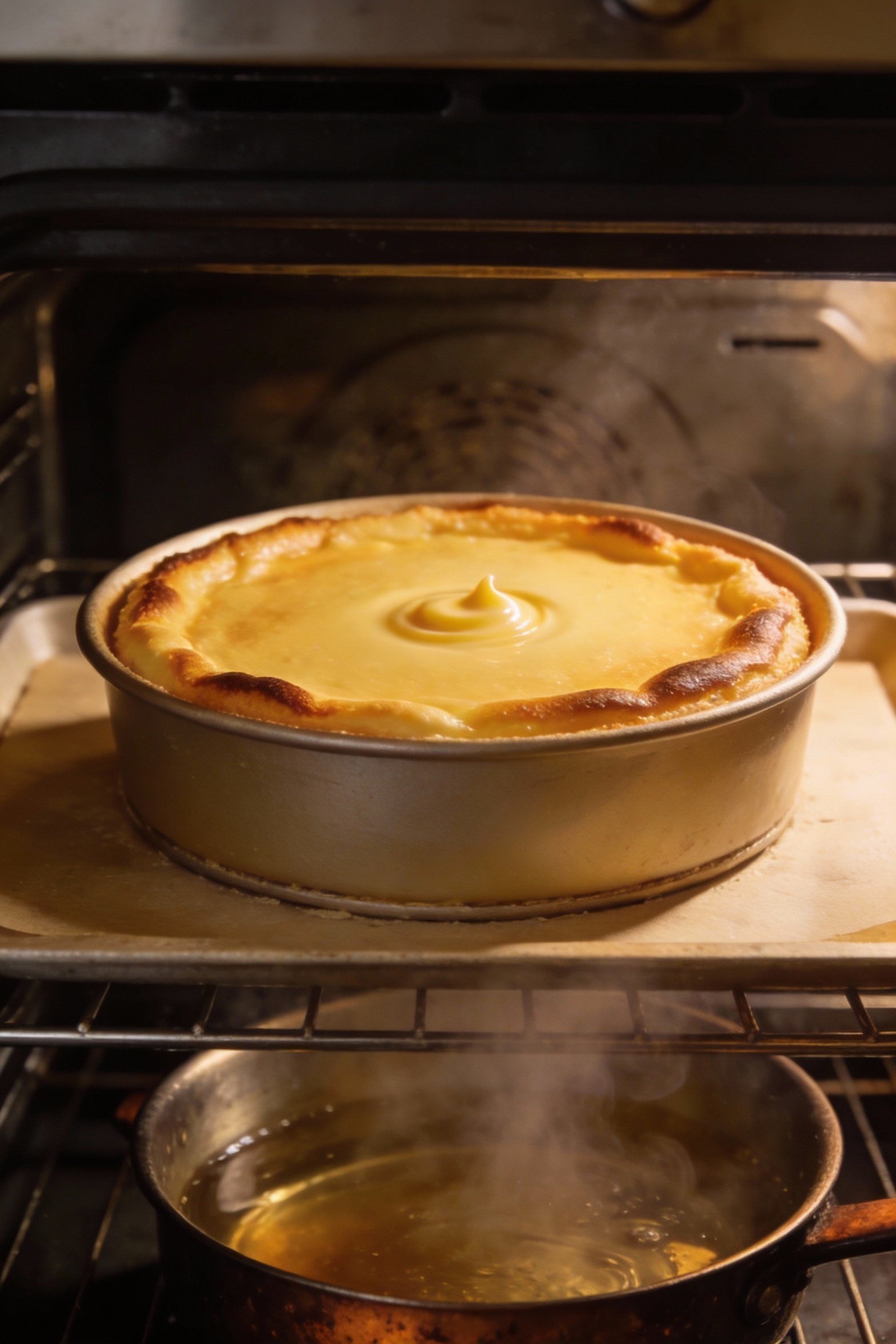
Optional water bath insurance. Place the pan on a baking sheet. For extra-silky custard, set a roasting pan with hot water on the lower rack while baking. It adds moisture and stability, FYI.
-
Bake until set. Bake 45 to 55 minutes, until the top is golden and the center jiggles slightly like a confident cheesecake. A toothpick should come out with a few moist crumbs, not wet batter.
-
Cool slowly. Cool in the pan for 30 minutes, then run a knife around the edge. Chill for at least 2 hours before slicing so the custard sets cleanly.
-
Serve like a pro. Dust with powdered sugar, slice, and enjoy the moment where everyone suddenly gets quiet.
Storage Instructions
Refrigerate leftover cake in an airtight container for up to 4 days. The custard layer likes the cold, and the texture actually gets more sliceable after the first night.
For best freshness, press parchment or plastic wrap against any cut surfaces to prevent drying. If you store slices, keep them in a single layer so the custard doesn’t get smushed into a sad, creamy mess.
You can freeze it, but expect a slight texture change in the custard. Wrap individual slices tightly, then freeze up to 2 months. Thaw overnight in the fridge and accept that it will still taste great even if it looks less photogenic.
Health Benefits
This dessert won’t replace your multivitamin, but it’s not pure chaos either. Eggs and dairy bring protein, calcium, and fat-soluble vitamins that help with satiety and flavor. Yes, flavor matters for mental health.
If you use Greek yogurt instead of sour cream, you’ll bump protein and add a little tang that balances sweetness. You can also reduce sugar slightly without wrecking the structure, because the custard already delivers richness.
Portion control becomes easier because it tastes complete. One slice feels like two desserts in one, so you’re less likely to chase satisfaction with “just another cookie.”
Avoid These Mistakes
- Boiling the custard too hard: Keep it at a steady simmer. Aggressive heat can scramble yolks and turn smooth custard into a science project.
- Pouring scorching custard into the pan: Let it cool a few minutes so it doesn’t melt the butter in the batter on contact.
- Overmixing the cake batter: Mix just until combined. Overmixing builds gluten and makes the cake dense and less tender.
- Skipping the chill time: Warm custard slices messy. Chill it so the layers set and you get that clean, bakery-style cut.
- Using a shallow pan: This cake needs depth. A shallow pan risks overflow and uneven baking, which is not the vibe.
Different Ways to Make This
Once you nail the base version, you can remix it endlessly. Keep the structure the same and change the flavor, topping, or add-ins. The goal stays simple: tender cake plus silky custard, no drama.
- Lemon vanilla: Add lemon zest to both custard and batter, and finish with a light lemon glaze.
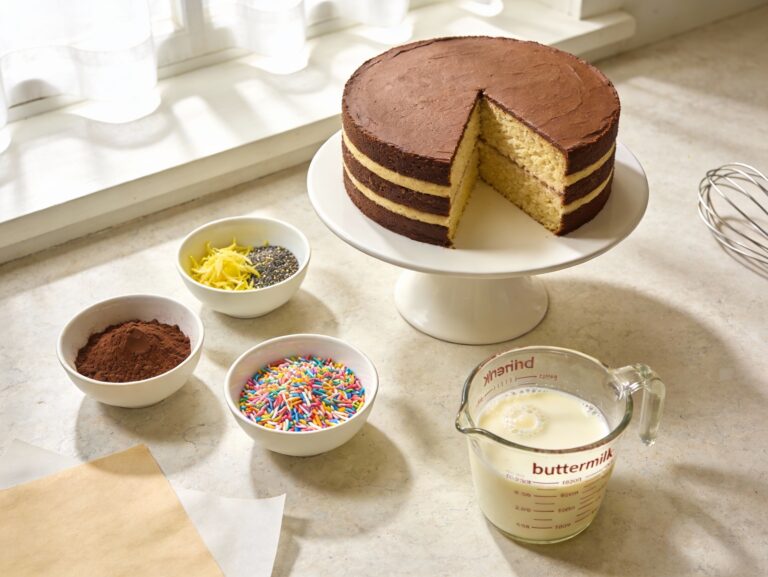
- Chocolate custard: Whisk 3 tablespoons cocoa powder into the custard and add 1/2 cup mini chocolate chips to the batter.
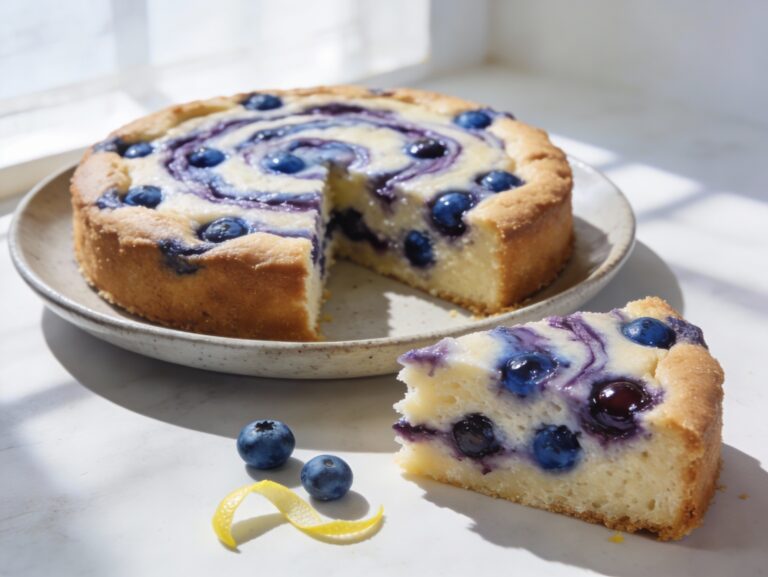
- Berry ripple: Spoon a few tablespoons of thick berry jam over the custard and swirl gently before adding the batter.
- Coconut version: Replace 1/2 cup milk with coconut milk and top with toasted coconut after baking.
- Cinnamon sugar top: Sprinkle cinnamon and sugar over the batter before baking for a crackly, churro-adjacent finish.
- Mini cakes: Bake in a lined muffin tin for 18 to 22 minutes and chill before serving for perfect grab-and-go portions.
FAQ
Can I make this cake ahead of time?
Yes, and you probably should. Make it the day before, chill overnight, and slice when it’s fully set. The flavor deepens and the custard firms up, which means prettier slices and less kitchen stress.
Do I need a springform pan?
No, but it helps. A deep round pan works if you line the bottom and grease the sides well. If you use a standard cake pan, let it chill thoroughly and lift slices carefully.
How do I know the custard is thick enough on the stove?
Look for a glossy, pudding-like texture that holds whisk trails for a moment. It should bubble gently and feel noticeably thicker than heavy cream. If it still looks thin, keep whisking for another minute.
Why did my custard layer sink or mix into the cake?
This usually happens when the custard is too hot or too loose, or when the batter gets poured aggressively. Let the custard cool slightly and spoon batter on top in dollops, then spread gently.
Can I use low-fat milk?
You can, but whole milk gives the best texture and flavor. Lower-fat milk can make the custard less rich and a bit more prone to weeping. If you must, consider adding an extra teaspoon of butter to compensate.
What’s the best way to serve it?
Serve chilled or slightly cool for the cleanest layers. Add powdered sugar, fresh berries, or a spoonful of whipped cream. Or eat it straight from the fridge like you “just need a little bite,” sure.
Wrapping Up
This cake delivers the kind of “how did you do that?” reaction people save for fancy bakeries. You get a plush vanilla cake on top, a creamy custard underneath, and a slice that looks like effort even when it wasn’t.
Make it once as written, then start customizing like you own a pastry case. Keep the method, respect the chill time, and you’ll have a reliable crowd-pleaser that earns you repeat requests. The best part? You can smile and pretend it was hard.
Printable Recipe Card
Want just the essential recipe details without scrolling through the article? Get our printable recipe card with just the ingredients and instructions.