Cake Filling Recipes That Make Any Cake Taste Bakery-level
Master creamy, fruity, and chocolatey layers that slice clean, stay stable, and turn basic cakes into party-ready showstoppers.
You can bake a decent cake and still get roasted at the table. Why? Because dry layers with no personality feel like eating sweet cardboard.
The filling is the moment of truth: it’s where flavor lives, where texture pops, where people go back for “just a sliver.”
And here’s the best part: you don’t need fancy tools or a pastry degree. You need a few reliable formulas that don’t ooze out the sides like a comedy sketch.
This guide gives you the fillings that work, the ones that travel, and the ones that make your friends ask, “Where did you buy this?”
Why You’ll Love This Recipe
Because you get a lineup of fillings that cover every vibe: silky, tangy, rich, light, and fruity. You can mix and match them with vanilla, chocolate, lemon, spice, or funfetti without overthinking it.
Each option focuses on stability, so your layers stay stacked instead of sliding into a tragic cake landslide. IMO, the best fillings taste bold but still slice clean.
You’ll also learn the small moves that make big results: when to chill, how to thicken, and how to build a “dam” so nothing escapes.
Shopping List – Ingredients
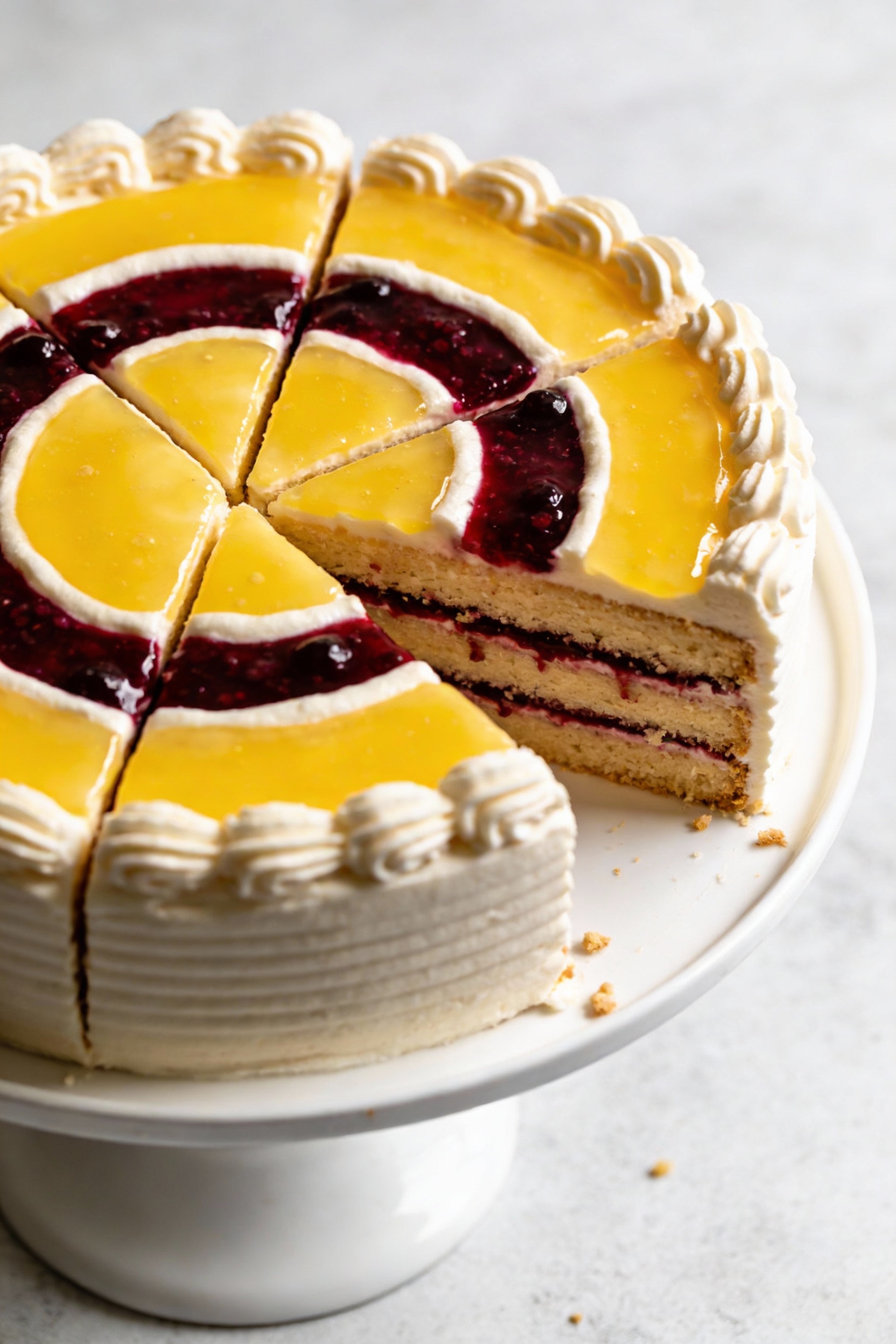
Pick one or two fillings to start, then build your pantry from there. Most of these overlap, so you won’t end up with a cabinet full of one-time ingredients.
- Unsalted butter
- Cream cheese
- Powdered sugar
- Granulated sugar
- Brown sugar
- Heavy cream
- Whole milk
- Vanilla extract
- Salt
- Cocoa powder (Dutch-process if possible)
- Semisweet chocolate (chips or chopped bar)
- White chocolate (optional)
- Sweetened condensed milk (for quick caramel)
- Egg yolks (for custards/curds)
- Cornstarch
- All-purpose flour (for ermine-style filling)
- Fresh lemons (or limes)
- Berry jam or preserves
- Fresh or frozen berries
- Gelatin powder (optional for extra stability)
- Peanut butter (optional)
- Instant espresso powder (optional)
- Shredded coconut (optional)
- Chopped nuts (optional)
The Method – Instructions
Use this list like a menu: choose a filling, follow its steps, and pair it with your cake. When stacking, keep layers chilled and use a frosting “dam” around the edge for softer fillings.
-
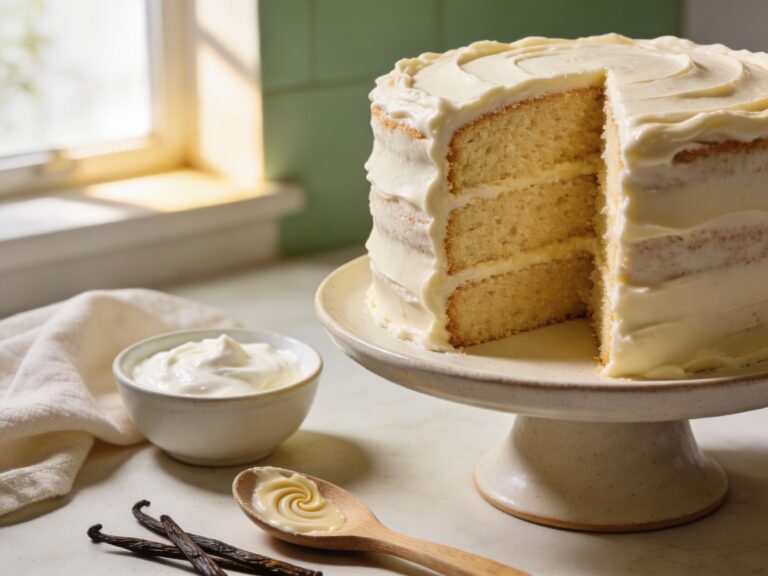
Vanilla buttercream filling (classic and sturdy). Beat butter until fluffy, add powdered sugar, a pinch of salt, vanilla, and a splash of cream. Whip 2 to 3 minutes until pale and smooth, then chill 10 minutes if it feels too soft.
-
Cream cheese filling (tangy and crowd-pleasing). Beat cream cheese and butter until smooth, then add powdered sugar and vanilla. Keep it cold; cream cheese turns runny if you warm it up like it’s sunbathing.
-
Whipped chocolate ganache (rich but sliceable). Heat cream just to steaming, pour over chopped chocolate, rest 2 minutes, then whisk smooth. Cool until thick like pudding, then whip until lighter and spreadable.
-
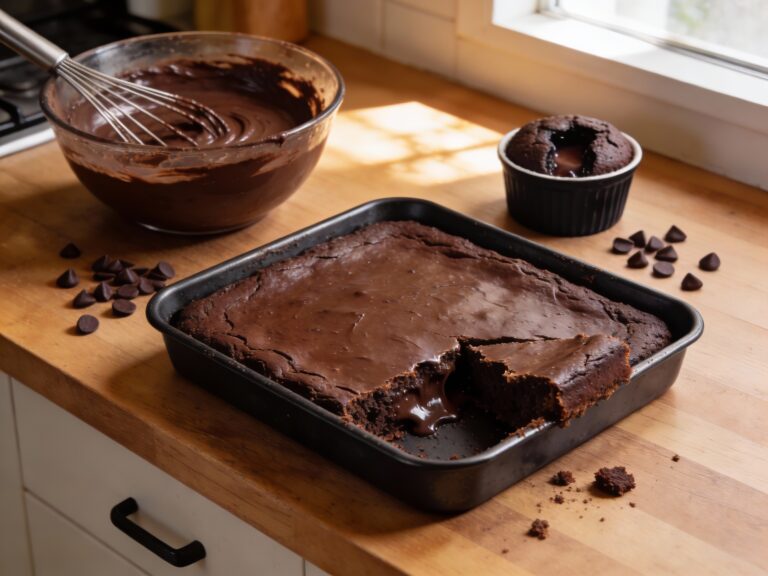
Chocolate fudge filling (intense, not shy). Melt butter, chocolate, and a bit of cocoa with cream, then stir in powdered sugar and a pinch of salt. Chill 20 to 30 minutes so it spreads without dripping down the cake like gossip.
-
Ermine frosting filling (light, not too sweet). Whisk flour and milk over medium heat until it becomes a thick paste, then cool fully. Beat butter and sugar, then add the cooled paste and whip until silky.
-
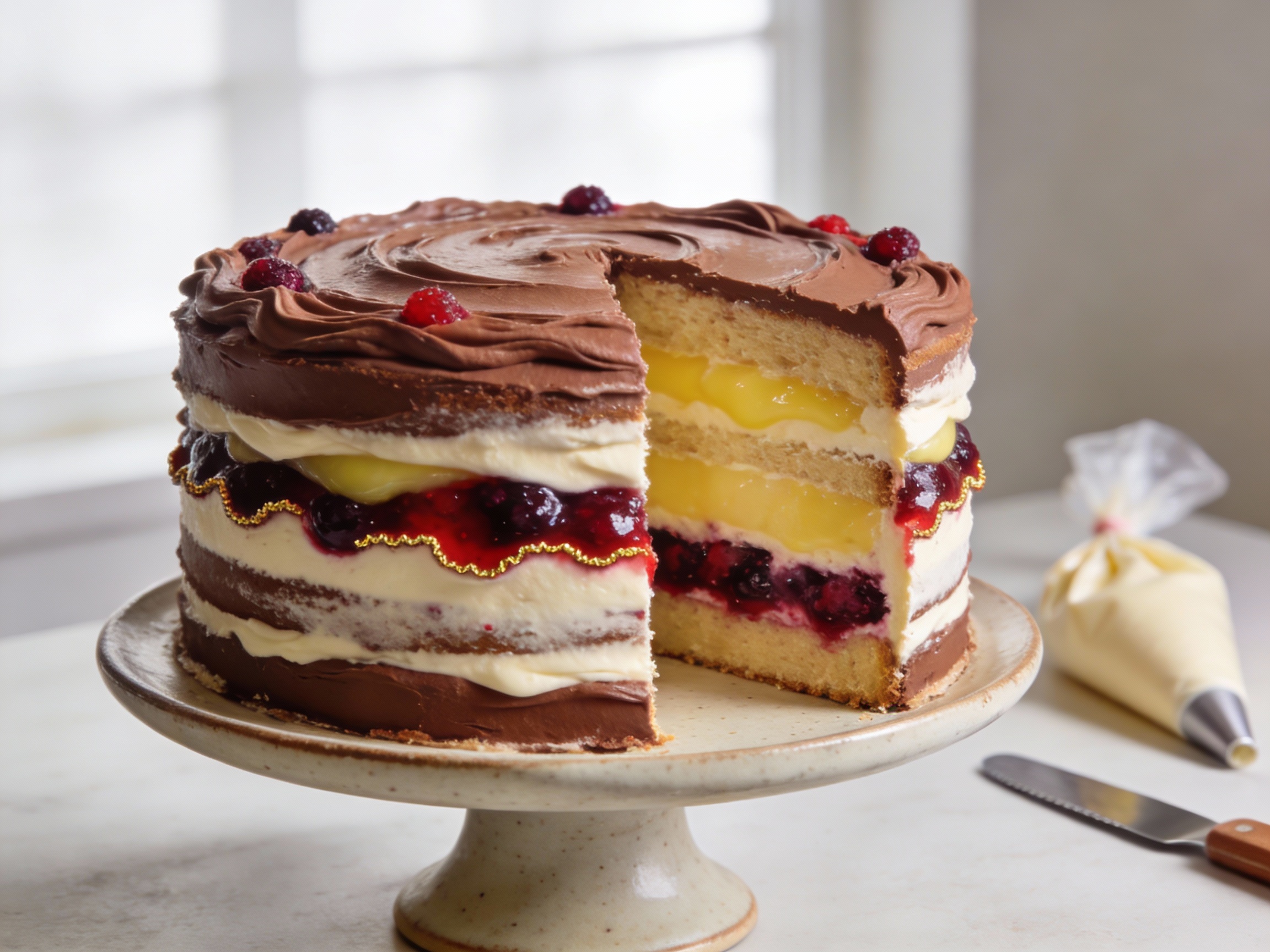
Lemon curd filling (bright and punchy). Whisk yolks, sugar, lemon juice, zest, and a pinch of salt over gentle heat until thick enough to coat a spoon. Strain, then whisk in butter; chill until set.
-
Berry compote filling (fruit-forward, not watery). Simmer berries with sugar and a squeeze of lemon until juicy, then thicken with a cornstarch slurry. Cool completely before using, unless you want your cake to absorb it like a sponge.
-
Jam-and-cream layer (fastest “wow”). Spread a thin layer of jam, then top with buttercream or stabilized whipped cream. The cream keeps the jam from soaking in and turning your layers into sticky muffins.
-
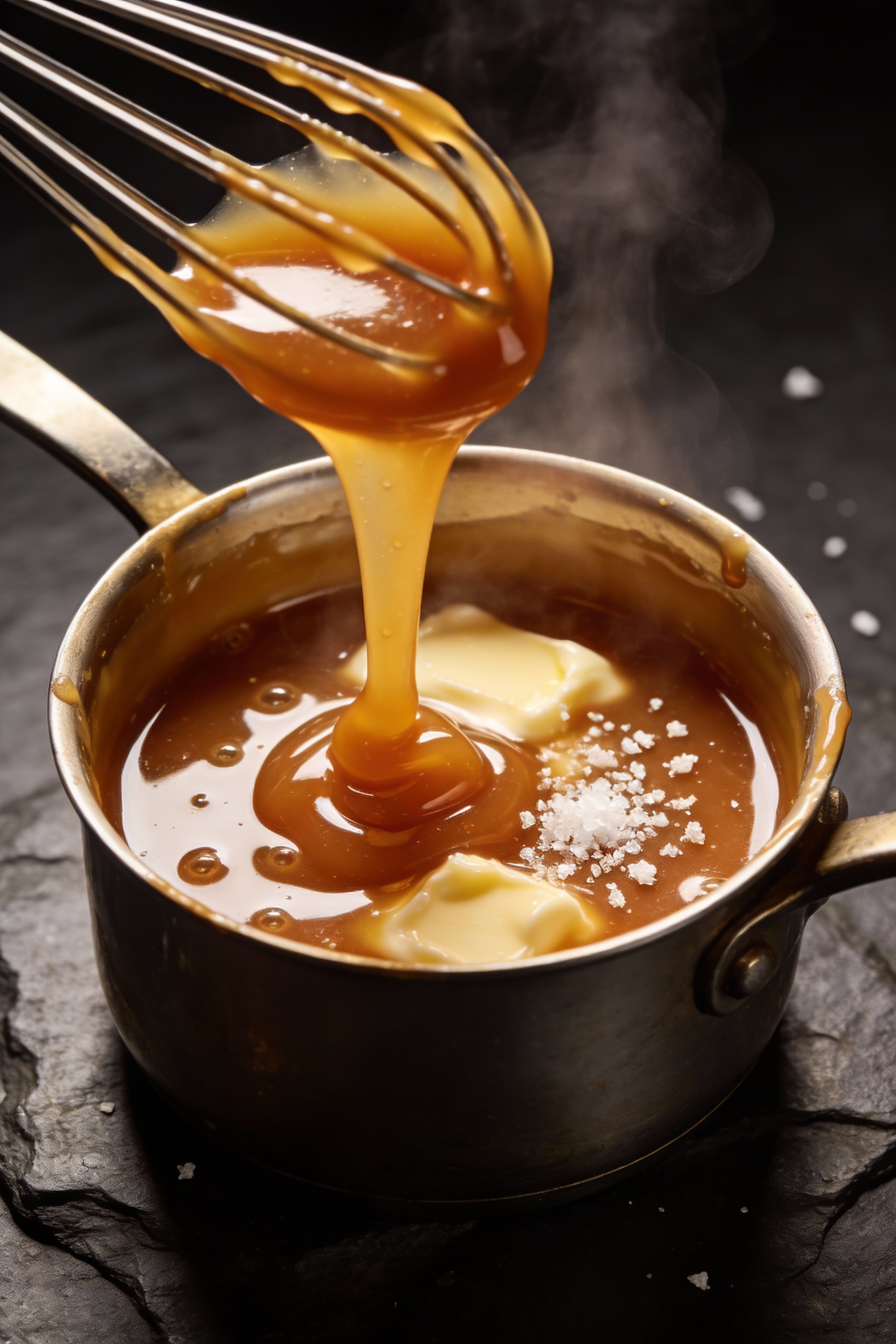
Salted caramel filling (sweet, salty, addictive). Cook sugar until amber, whisk in warm cream and butter, then add salt. Cool to a thick drizzle, and always use a frosting dam because caramel loves chaos.
-
Quick dulce de leche filling (zero-stress caramel vibe). Simmer sweetened condensed milk in a water bath per safe directions, or buy canned dulce de leche. Mix with a little buttercream for a thicker, more stack-friendly spread.
-
Peanut butter filling (sweet-salty power move). Beat peanut butter with butter, powdered sugar, vanilla, and a splash of cream. Add a pinch of salt and a tiny bit of espresso powder if you want it to taste “grown up.”
-
Cookies-and-cream filling (crunch meets creamy). Fold crushed chocolate sandwich cookies into buttercream or whipped ganache right before assembling. Don’t add them hours early unless you enjoy soggy cookie sadness.
-
Stabilized whipped cream filling (light, but behaves). Whip cold cream with powdered sugar and vanilla to soft peaks, then add bloomed, melted gelatin (or a stabilizer) and whip to firm peaks. Use immediately and keep chilled.
-
Coconut cream filling (tropical, not bland). Fold shredded coconut into cream cheese filling or ermine frosting, then add a tiny pinch of salt to keep it from tasting like sweet snow. Chill before layering for clean edges.
-
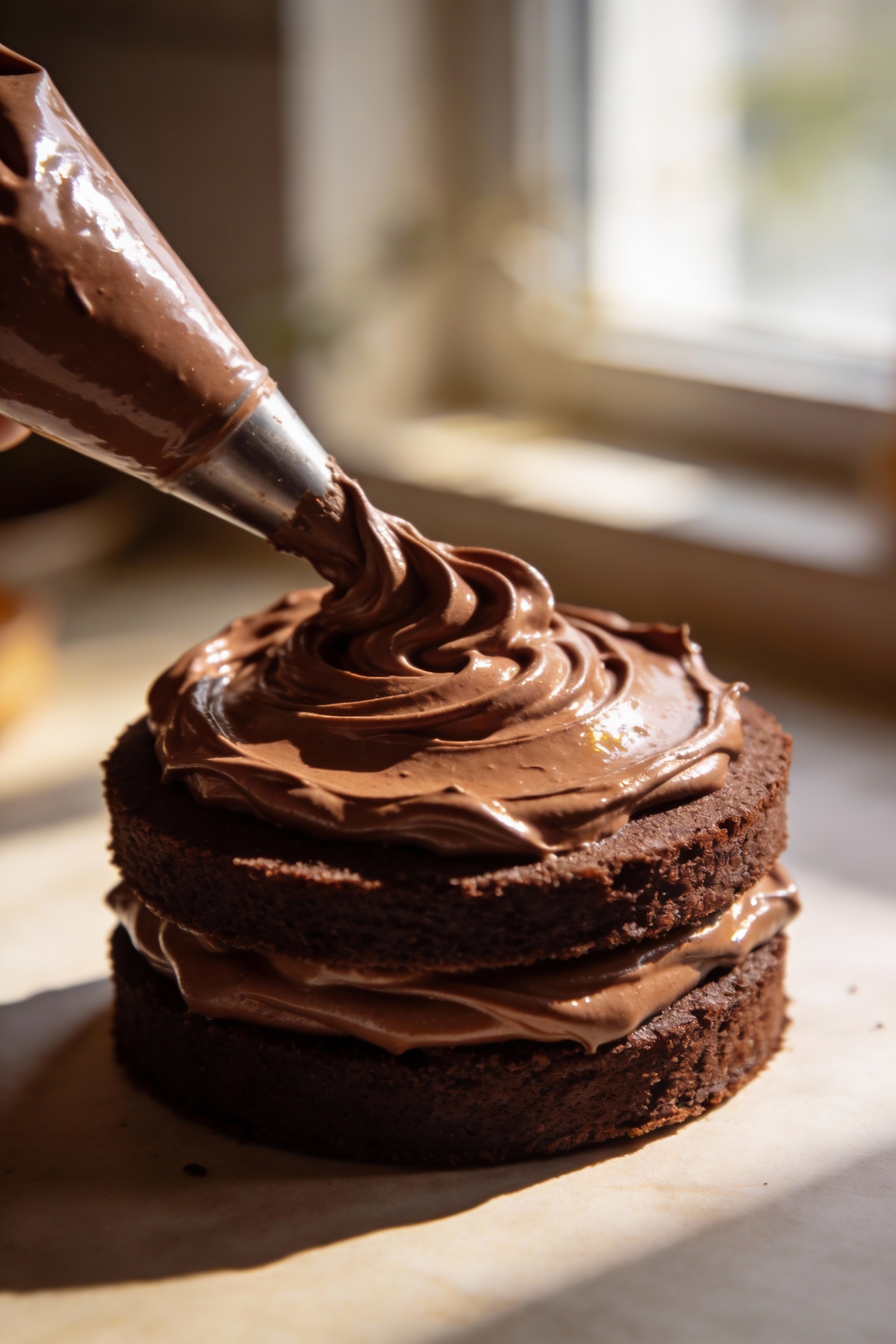
Assembly rule: build a dam and keep it cold. Pipe a ring of buttercream around the edge of each layer, spread filling inside the ring, then stack. Chill the whole cake 20 to 30 minutes before frosting the outside.
Keeping It Fresh
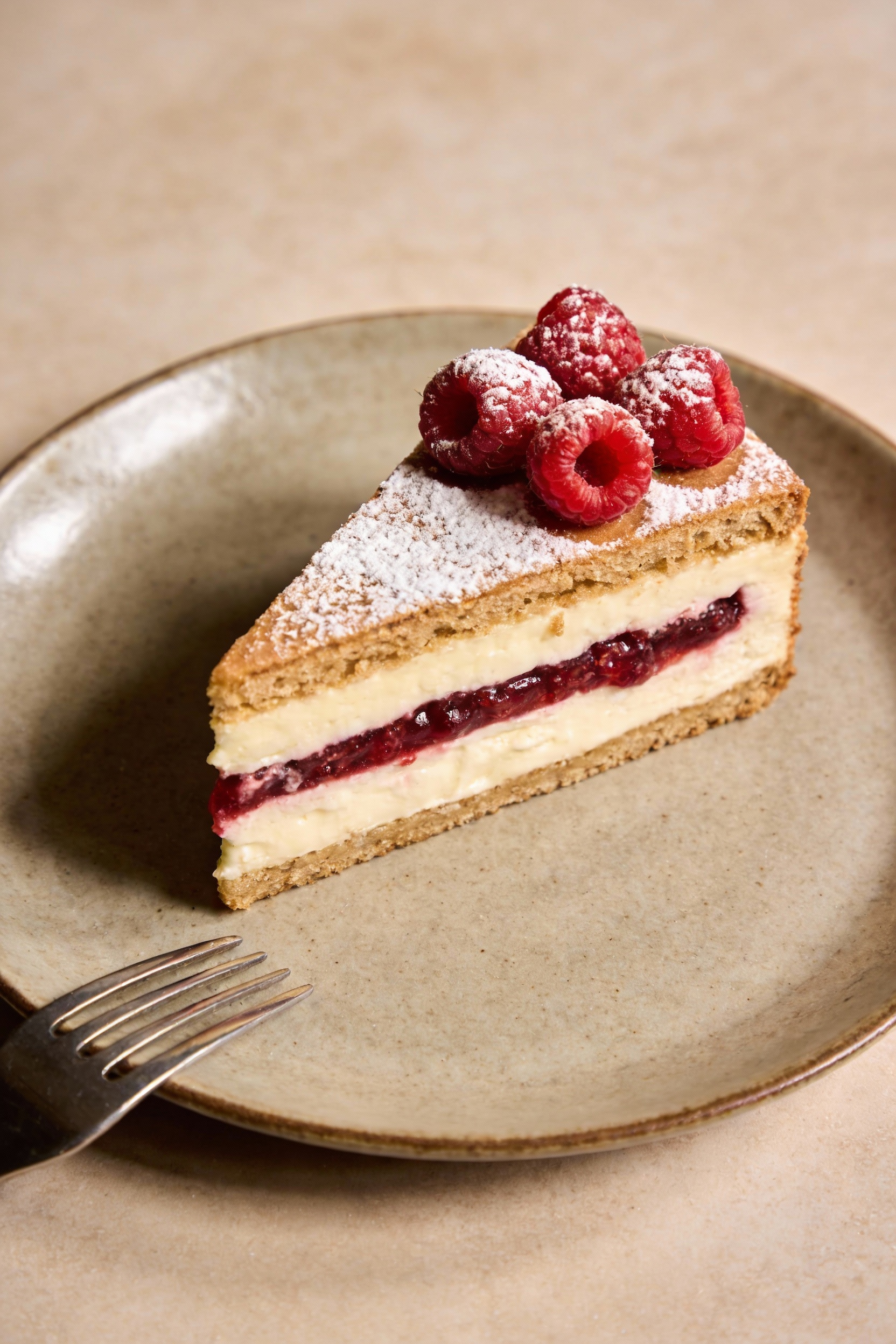
Most buttercream-based fillings hold well at cool room temperature for a short window, but they shine when chilled first. Store filled cakes in the fridge, then let slices sit 15 to 30 minutes so the texture softens and flavors wake up.
Fruit fillings and curds need refrigeration, no debate. If you’re traveling, pack the cake in a sturdy box and keep it cool; your car’s backseat is not a proofing drawer, FYI.
Leftover filling stores great: buttercream and cream cheese filling keep 3 to 5 days refrigerated, ganache about a week, curd 1 to 2 weeks. Freeze buttercream and ganache up to 2 months; thaw overnight and re-whip.
Nutritional Perks
Let’s not pretend cake filling is a wellness supplement, but you can still find a few wins. Fruit-based fillings add real fruit compounds and acidity that balances sweetness, so you often need less sugar to feel satisfied.
Using cream, eggs, and dairy adds protein and fat, which makes each bite feel richer and more filling. Translation: you serve smaller slices and people still feel like they got the good stuff.
Nuts, peanut butter, and coconut add texture plus minerals, and they pair well with less-sweet frostings like ermine. Your taste buds get variety instead of a sugar monologue.
Common Mistakes to Avoid
Most filling disasters come from three things: too warm, too thin, or too much. Fix those and your cake stops acting like it’s trying to escape.
- Skipping the chill time: Warm filling spreads easily, then slides later. Chill until spreadable but stable.
- Overfilling layers: More filling sounds smart until it squeezes out. Use a thin, even layer and stack gently.
- No frosting dam: Soft fillings need a barrier, especially curd, compote, and caramel.
- Using watery fruit: Cook fruit down and thicken it, or it soaks into cake and causes slipping.
- Whipping ganache too early: If it’s warm, it won’t whip; it’ll sulk. Cool until thick first.
- Not tasting for salt and acid: A pinch of salt or a squeeze of lemon can turn “meh” into “more please.”
Mix It Up
Once you have a few base fillings, you can remix them endlessly without learning new techniques. Think of it like playlists: same structure, different mood.
- Mocha ganache: Add espresso powder to warm cream before melting chocolate.
- Orange-chocolate: Add orange zest to ganache or buttercream, then pair with chocolate cake.
- Berry-cheesecake: Cream cheese filling plus a thin berry compote layer inside a dam.
- Lemon-raspberry: Lemon curd with fresh raspberries, then a light buttercream dam.
- Caramel-pecan: Salted caramel with toasted pecans folded into buttercream for crunch.
- Strawberries and cream: Stabilized whipped cream with sliced strawberries patted dry.
If you want ultra-clean slices, choose fillings that set firm: whipped ganache, ermine, thick curd, or buttercream. For soft, dreamy layers, use stabilized whipped cream and keep the cake cold until serving.
FAQ
What is the most stable cake filling for stacking?
Buttercream and whipped chocolate ganache win for stability because they set firm when chilled and don’t weep. Ermine frosting also stacks beautifully while staying less sweet.
How do I stop filling from leaking out the sides?
Pipe a thick buttercream dam around the edge of each layer, then spread filling only inside that ring. Chill the stacked cake before you add the final frosting coat so everything locks in place.
Can I use jam straight from the jar?
Yes, but use a thin layer and pair it with buttercream or stabilized whipped cream to prevent soaking. If the jam is very loose, simmer it briefly to thicken, then cool completely.
Which fillings need refrigeration?
Cream cheese fillings, whipped cream fillings, lemon curd, and fruit compotes should stay refrigerated. Buttercream and ganache can sit briefly at cool room temperature, but they keep best chilled.
Can I make fillings ahead of time?
Absolutely. Make buttercream, ganache, curd, and compote 1 to 3 days ahead, store covered in the fridge, and re-whip buttercream or ganache if needed before assembling.
What filling goes best with chocolate cake?
Whipped ganache, peanut butter filling, salted caramel, and berry compote all shine with chocolate. For contrast, try a bright filling like raspberry or a tangy cream cheese layer.
How thick should a cake filling layer be?
Aim for a thin, even layer that’s about the thickness of a couple of stacked coins, then adjust based on stability. If you can see it bulging at the edge, you already did too much.
Final Thoughts
A great cake doesn’t beg for compliments; it forces them. Nail your filling and suddenly your cake tastes intentional, not accidental.
Start with one stable option like buttercream or whipped ganache, then add a bright layer like curd or berry compote when you want that bakery-style contrast. Keep it cool, use a dam, and don’t overfill unless you enjoy living dangerously.
Now pick a flavor combo, slice it clean, and act surprised when people ask for the recipe. You earned it.
Printable Recipe Card
Want just the essential recipe details without scrolling through the article? Get our printable recipe card with just the ingredients and instructions.