Homemade Cake Recipes: Quick Wins for Bakery-level Cakes
Fast bakery-level results using simple techniques, everyday tools, and budget ingredients—ideal for birthdays, potlucks, and cravings.
You want a cake that tastes like it came from a pro bakery, but you’ve got weeknight energy and a guest arriving in an hour. Here’s the play: use smart ratios, zero-fuss methods, and a couple of flavor cheats that punch way above their weight. The difference between “meh” and “wow” cake isn’t talent—it’s five tiny decisions stacked in your favor. Do that, and your kitchen turns into a dessert factory that runs on autopilot.
Why This Recipe Works
This cake uses a hybrid creaming method: first, you beat butter and sugar for air, then add a splash of oil for moisture insurance. Butter gives rich flavor and structure; oil keeps the crumb tender even the next day.
We alternate dry and wet ingredients to control gluten. That means the cake stays soft instead of tough. Using buttermilk or sour cream adds acidity to lift the crumb and keep it plush—your fork glides through instead of dragging.
The vanilla baseline is deliberately simple so you can go chocolate, citrus, or spice with minimal effort. Balanced leavening (baking powder + baking soda) ensures the cake rises evenly without doming like a volcano.
What You’ll Need (Ingredients)
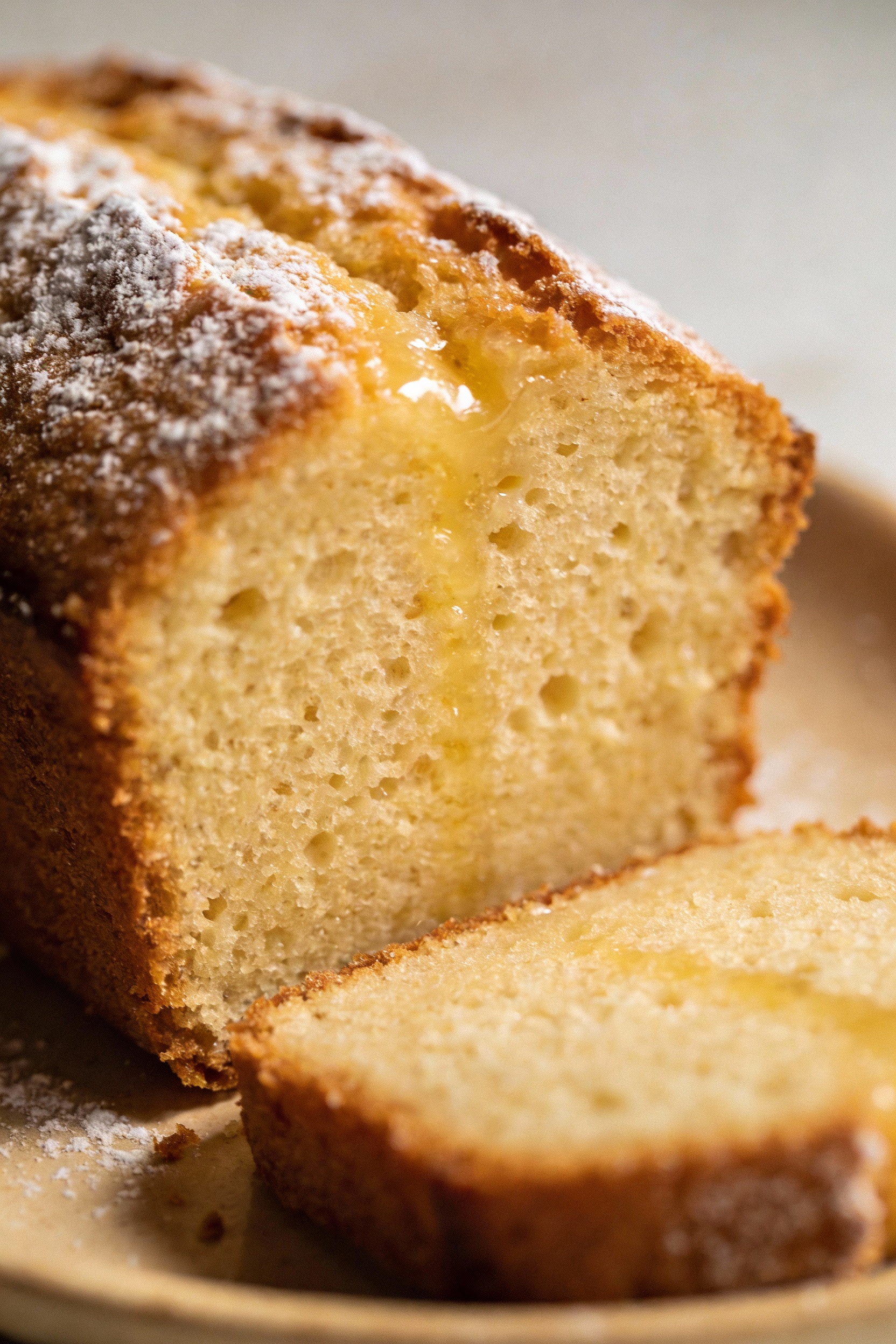
For the Cake
- 2 cups (240 g) cake flour; or 2 cups (240 g) all-purpose flour minus 2 tbsp, plus 2 tbsp cornstarch
- 1 1/2 tsp baking powder
- 1/2 tsp baking soda
- 1/2 tsp fine sea salt
- 1 cup (200 g) granulated sugar
- 1/2 cup (113 g) unsalted butter, softened
- 1/4 cup (50 g) neutral oil (canola or light olive)
- 3 large eggs, room temperature
- 1 cup (240 ml) buttermilk; or 3/4 cup (180 ml) sour cream + 1/4 cup (60 ml) milk
- 2 tsp pure vanilla extract
Optional Add-Ins
- 1–2 tsp citrus zest (lemon, orange) for brightness
- 2–3 tbsp Dutch-process cocoa + 1 tbsp milk (for chocolate)
- 1/2 tsp espresso powder (boosts chocolate flavor)
- 1/2 cup (75 g) mix-ins: mini chocolate chips, toasted nuts, or dried fruit (fold gently)
Tools
- 9-inch round pan or 8-inch square pan, lined and greased
- Stand mixer or handheld mixer (a whisk works in a pinch)
- Mixing bowls, spatula, and measuring tools (a kitchen scale is a win)
- Cooling rack
Instructions
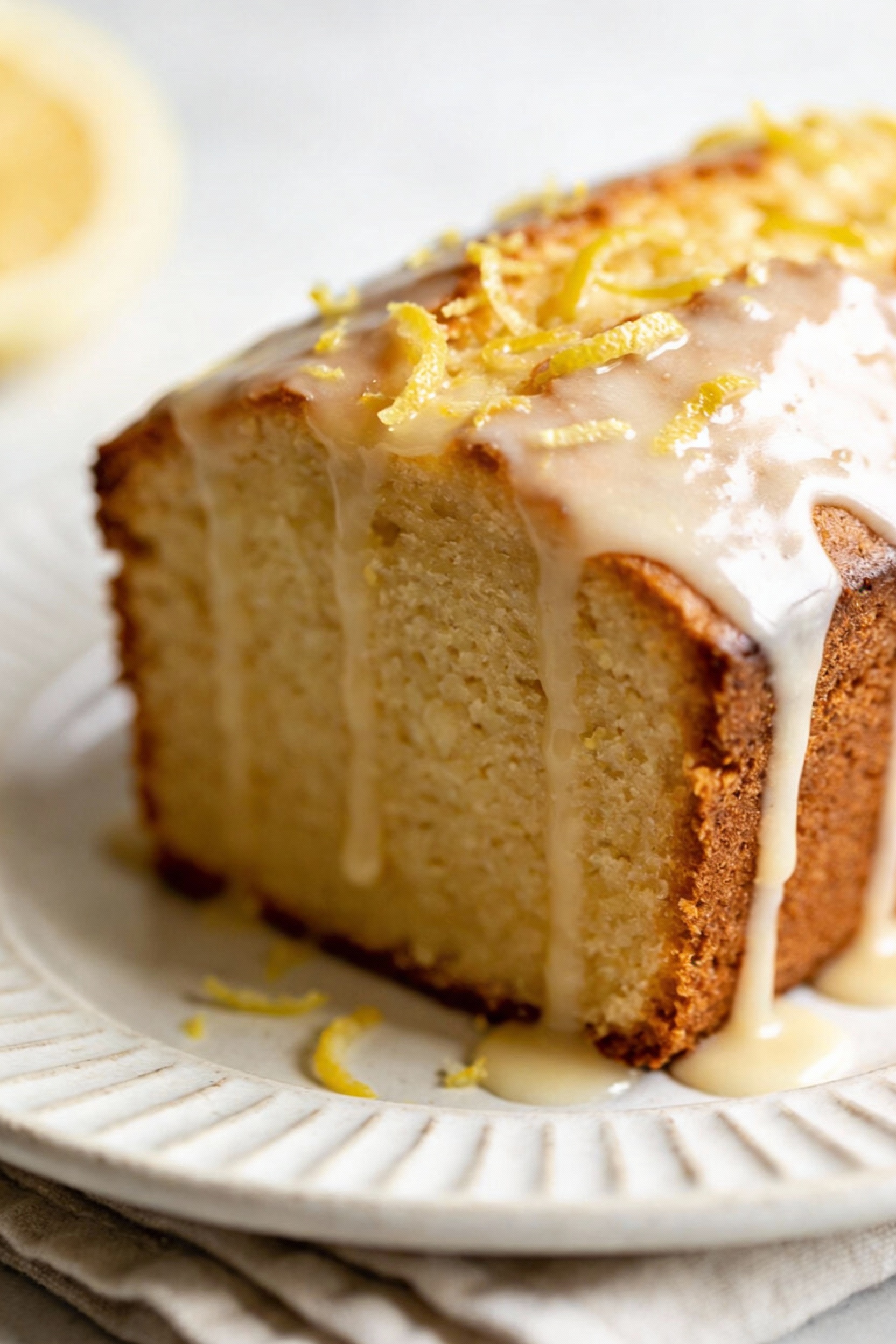
- Preheat your oven to 350°F (175°C). Grease and line your pan with parchment. No parchment? Grease, then dust with flour and tap out the excess.
- Whisk dry ingredients: flour, baking powder, baking soda, and salt. Set aside. This preps your leavening so it distributes evenly.
- Cream butter and sugar on medium-high until light and fluffy, 2–3 minutes. Add the oil and beat for 30 seconds until glossy. You’re building air and insurance.
- Add eggs one at a time, mixing on low until each is fully incorporated. Stir in vanilla. If the mixture looks slightly curdled, don’t panic; the flour will fix it.
- On low speed, add half the dry ingredients. Pour in all the buttermilk (or sour cream mixture). Add the remaining dry ingredients. Mix just until combined. Stop the mixer while streaks of flour are still visible; finish folding by hand.
- If using optional add-ins (zest, cocoa, chips), fold them in gently. For the chocolate version, whisk cocoa with 1 tbsp milk to form a paste before adding.
- Scrape batter into your pan, smooth the top, and tap the pan once on the counter to release big air bubbles. Don’t hard slam it—this isn’t a wrestling match.
- Bake 25–35 minutes, depending on pan and oven. The top should be golden, edges pull slightly, and a toothpick comes out with a few moist crumbs (not wet batter).
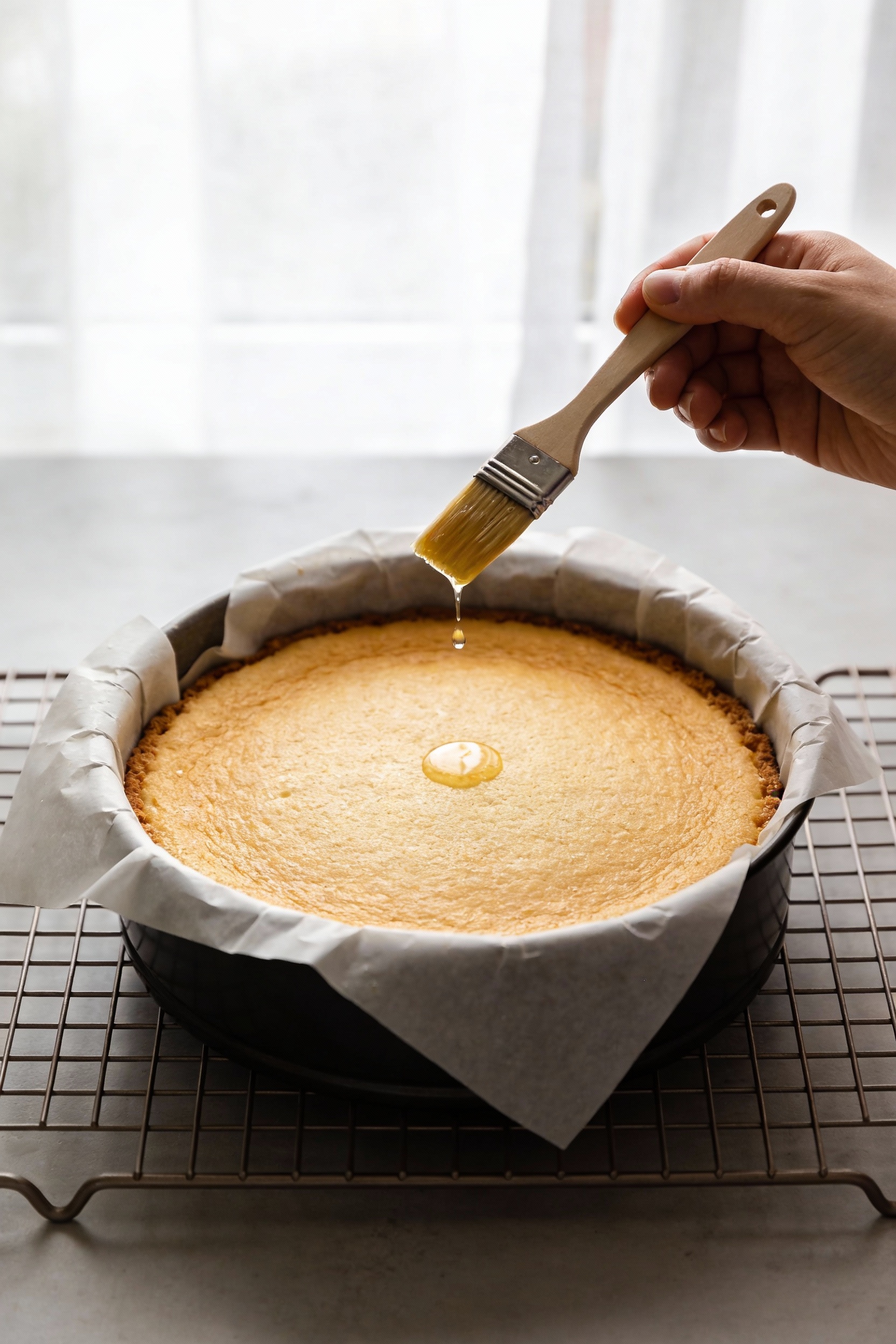
- Cool in the pan for 10 minutes, then transfer to a rack. If you want extra moisture insurance, brush the warm cake with a light syrup (equal parts sugar and hot water).
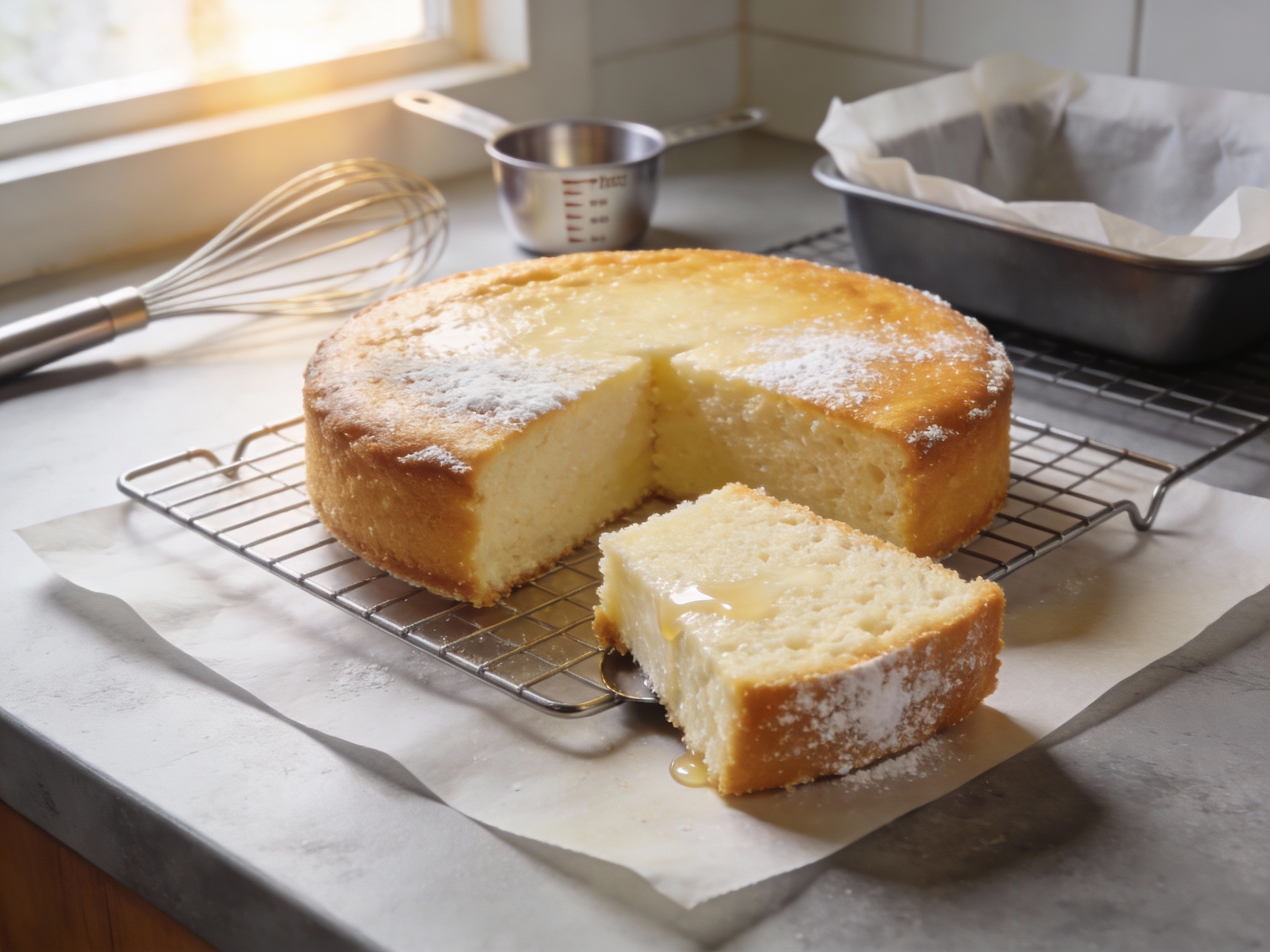
- Frost when cool, or dust with powdered sugar for a minimalist flex. Slice, serve, and accept compliments gracefully—or don’t. Your call.
Preservation Guide
Unfrosted cake keeps covered at room temperature for 2–3 days. Use a cake dome or press wrap directly against the cut surface to block airflow. Refrigeration dries cake fast, so only chill if it’s filled with dairy-heavy frosting.
For frosted cakes, store at cool room temp if safe; otherwise refrigerate in a sealed container and let it come to room temp before serving. Thirty minutes on the counter revives texture.
Freezing works like magic: wrap whole layers tightly in plastic, then foil, and freeze up to 2 months. Thaw wrapped at room temp for 1–2 hours, then frost. Slices can be wrapped individually for instant dessert on demand.
Day-two rescue trick: warm a slice for 10–15 seconds in the microwave and add a tiny drizzle of simple syrup or cream. It tastes fresh-baked without the drama.
Why This Is Good for You
You control ingredients and sugar, so there’s no mystery stabilizers or cloying frostings. A simple homemade cake uses real butter, eggs, and dairy that deliver flavor without a laundry list of additives.
Customization means your cake actually fits your life: lower sugar, whole-grain swaps, or dairy-free tweaks if needed. No compromise, just smart choices that still taste like a treat.
There’s also the sanity factor. Baking gives you a quick win, and sharing a slice creates instant community. IMO, a dessert that sparks connection is its own health benefit.
Avoid These Mistakes
- Cold ingredients = broken batter. Bring eggs, butter, and dairy to room temp for smooth emulsification.
- Overmixing = tough crumb. Mix until combined, then stop. Gluten doesn’t need an arm workout.
- Wrong pan prep. Grease + line for clean release. Scraping a stuck cake is heartbreak city.
- Baking blind. Ovens lie. Use visual cues and a toothpick—not just a timer.
- Cutting too soon. Let it cool. Slicing a hot cake tears the crumb and makes frosting slide like an avalanche.
- Fridge abuse. Refrigeration dries cake. Store at room temp unless dairy-heavy frosting demands chilling.
- Skipping salt. A pinch sharpens sweetness and boosts flavor. It doesn’t make your cake “salty,” FYI.
Mix It Up
Flavor Swaps
- Chocolate: Add 3 tbsp Dutch cocoa + 1 tbsp milk to the batter; frost with chocolate ganache.
- Lemon: Zest 1 lemon into sugar before creaming; finish with a lemon glaze (powdered sugar + lemon juice).
- Spice: Add 1 tsp cinnamon + 1/4 tsp nutmeg; top with brown sugar cream cheese frosting.
- Almond: Swap 1 tsp vanilla for almond extract; garnish with toasted slivered almonds.
Texture Upgrades
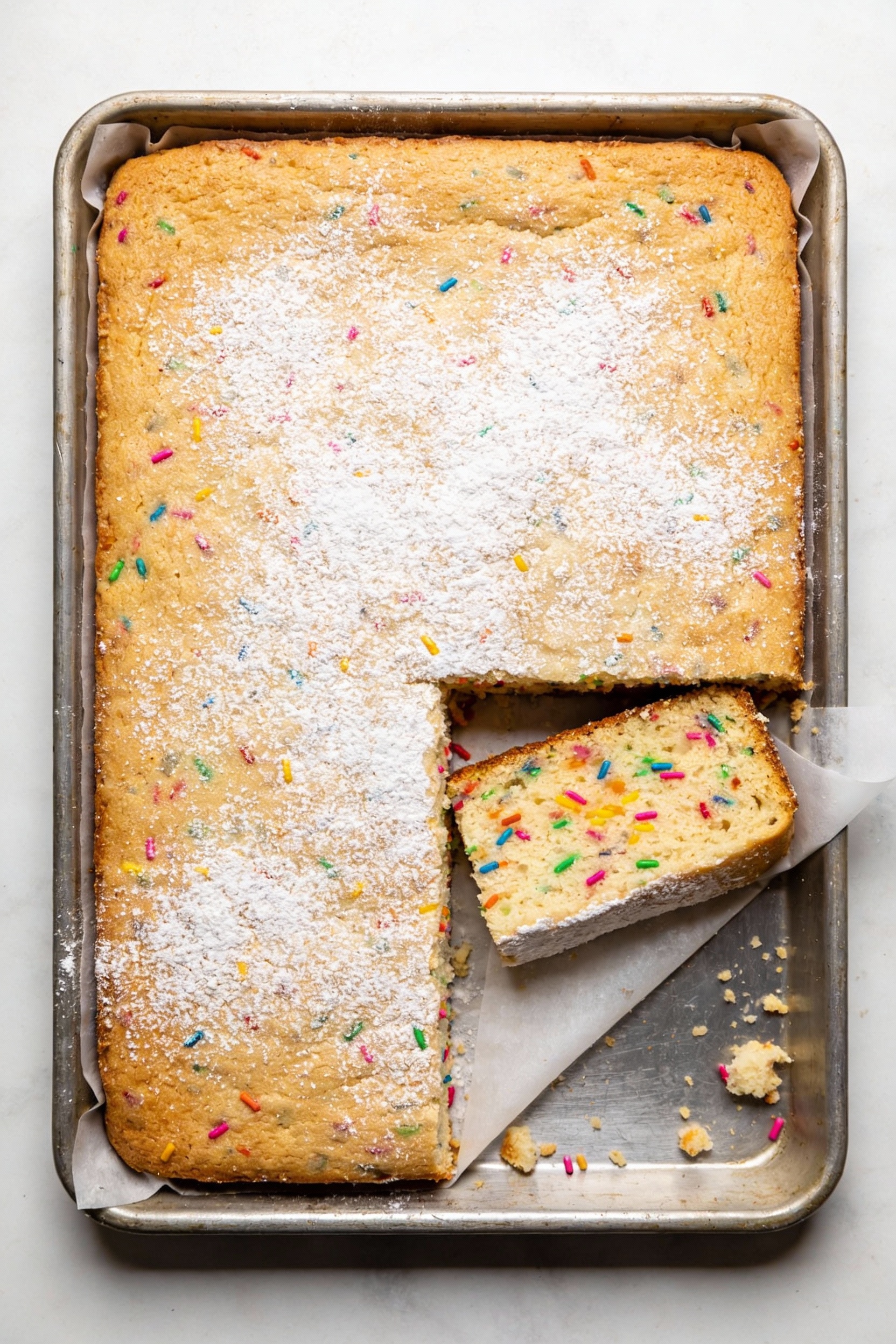
- Funfetti: Fold in 1/3 cup rainbow sprinkles. Use jimmies to prevent color bleed.
- Crunch factor: Add 1/2 cup chopped toasted pecans or hazelnuts to the batter.
- Fruit pop: Fold in 1/2 cup blueberries tossed in a teaspoon of flour to minimize sinking.
Filling Moves
- Jam center: Split cooled layers and add a thin layer of raspberry or apricot jam.
- Custard vibe: Spread pastry cream (chilled) between layers for a bakery-classic finish.
- Whipped cream: Stabilize with a touch of powdered sugar; keep chilled if using.
Diet-Friendly Tweaks
- Dairy-free: Use plant milk + 1 tsp vinegar (for buttermilk effect), and swap butter for refined coconut oil or vegan butter.
- Gluten-conscious: Replace flour with a 1:1 gluten-free blend; add 1 tbsp milk if batter seems thick.
- Lower sugar: Reduce sugar by 15% and add an extra 1/2 tsp vanilla to keep flavor vivid.
FAQ
Can I use all-purpose flour instead of cake flour?
Yes. Substitute 2 cups all-purpose flour minus 2 tbsp, then add 2 tbsp cornstarch. This mimics cake flour’s lower protein so the crumb stays tender.
Why is my cake dense or gummy?
Usually it’s overmixing or too much liquid. Keep mixing to a minimum once flour goes in, and measure accurately. Also, check your leaveners—baking powder older than 6–9 months loses power.
How do I keep cakes moist for days?
Use a combo of butter + oil, add a tangy dairy (buttermilk or sour cream), and consider brushing the warm cake with simple syrup. Store covered at room temp; the fridge is a last resort.
Can I bake this as cupcakes or a sheet cake?
Absolutely. For cupcakes, bake 16–20 minutes. For a 9×13 sheet cake, bake 28–35 minutes. Same batter, just different pans and timing.
What if I only have salted butter?
It works. Cut added salt in the recipe to a tiny pinch or skip it altogether. Taste the batter for balance; salted butter varies by brand.
Should I weigh ingredients or use cups?
Weighing is more consistent, especially for flour. If using cups, fluff your flour, spoon into the cup, and level with a knife to avoid compressing it.
Can I make it dairy-free or gluten-free?
Yes. Swap in plant milk + 1 tsp vinegar for buttermilk, and use vegan butter or refined coconut oil. For gluten-free, use a 1:1 blend and add a splash of extra liquid if the batter looks thick.
How do I know when it’s done without overbaking?
Look for a golden top, edges slightly pulling from the pan, and a toothpick with a few moist crumbs. If the center jiggles, give it a few more minutes. Trust your eyes over the clock, FYI.
Final Thoughts
Stack tiny advantages—room-temp ingredients, hybrid fat, smart mixing—and you get a cake that tastes like it cost $8 a slice. Start with the vanilla base, then remix with chocolate, citrus, or spice and call it your signature. Keep the process simple, protect moisture, and you’ll have a go-to dessert that never lets you down. Your guests will think you bought it; you’ll know you engineered it.
Printable Recipe Card
Want just the essential recipe details without scrolling through the article? Get our printable recipe card with just the ingredients and instructions.