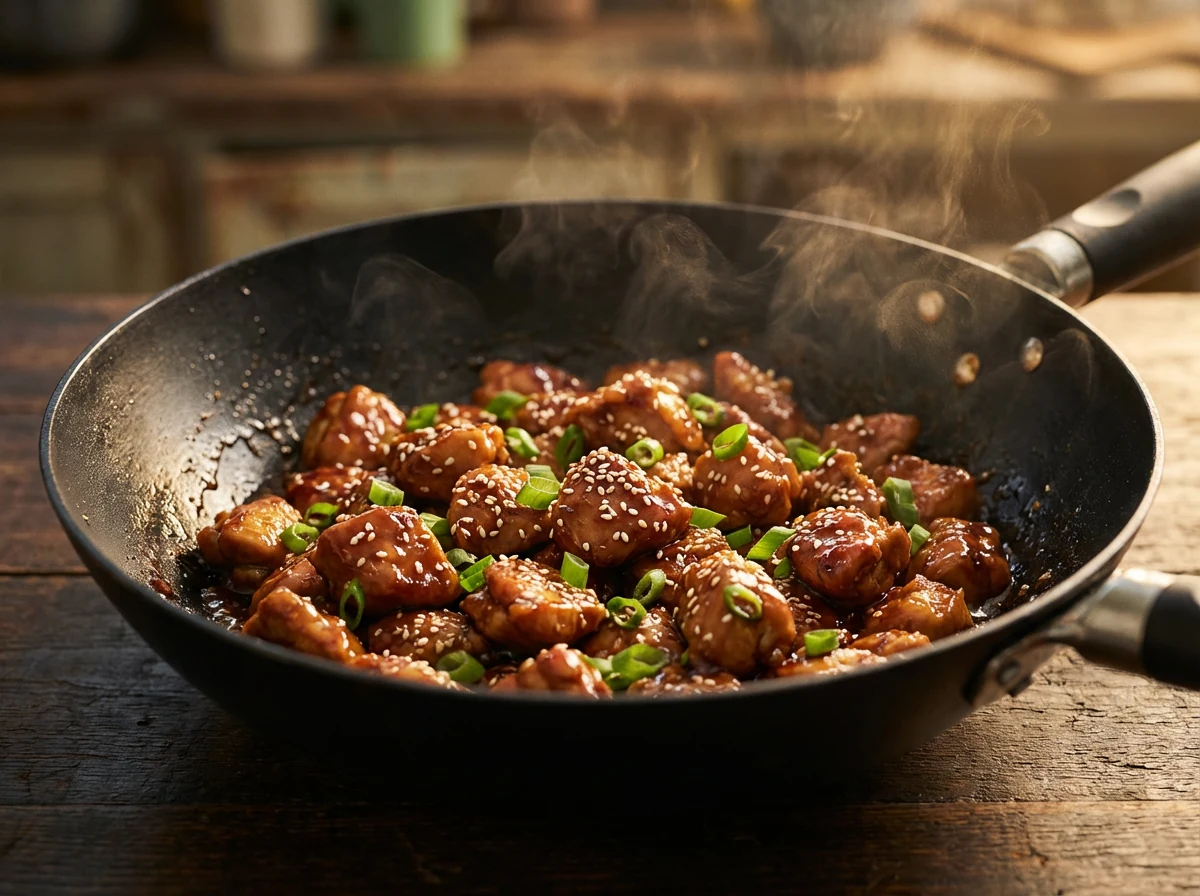
Asian Chicken Recipes That Win Weeknights With Big Flavor
A one-pan, 30-minute sticky-salty-sweet chicken dinner that stretches your budget, nails meal prep, and crushes takeout cravings.
You don’t need a culinary degree or a 20-ingredient shopping list to get restaurant-level flavor at home. You need a smart sauce, high heat, and a plan that actually works on a Tuesday. This is the blueprint: juicy chicken, glossy glaze, and punchy aromatics that hit all the notes—savory, sweet, tangy, and a touch of heat. Knock it out in half an hour, spend less than takeout, and eat like you planned it. Because you did.
Why This Recipe Works
Balanced sauce = big flavor. Soy sauce brings umami, brown sugar (or honey) gives caramelization, rice vinegar brightens, and a little chili paste adds heat. Ginger and garlic round it out with that addictive aroma.
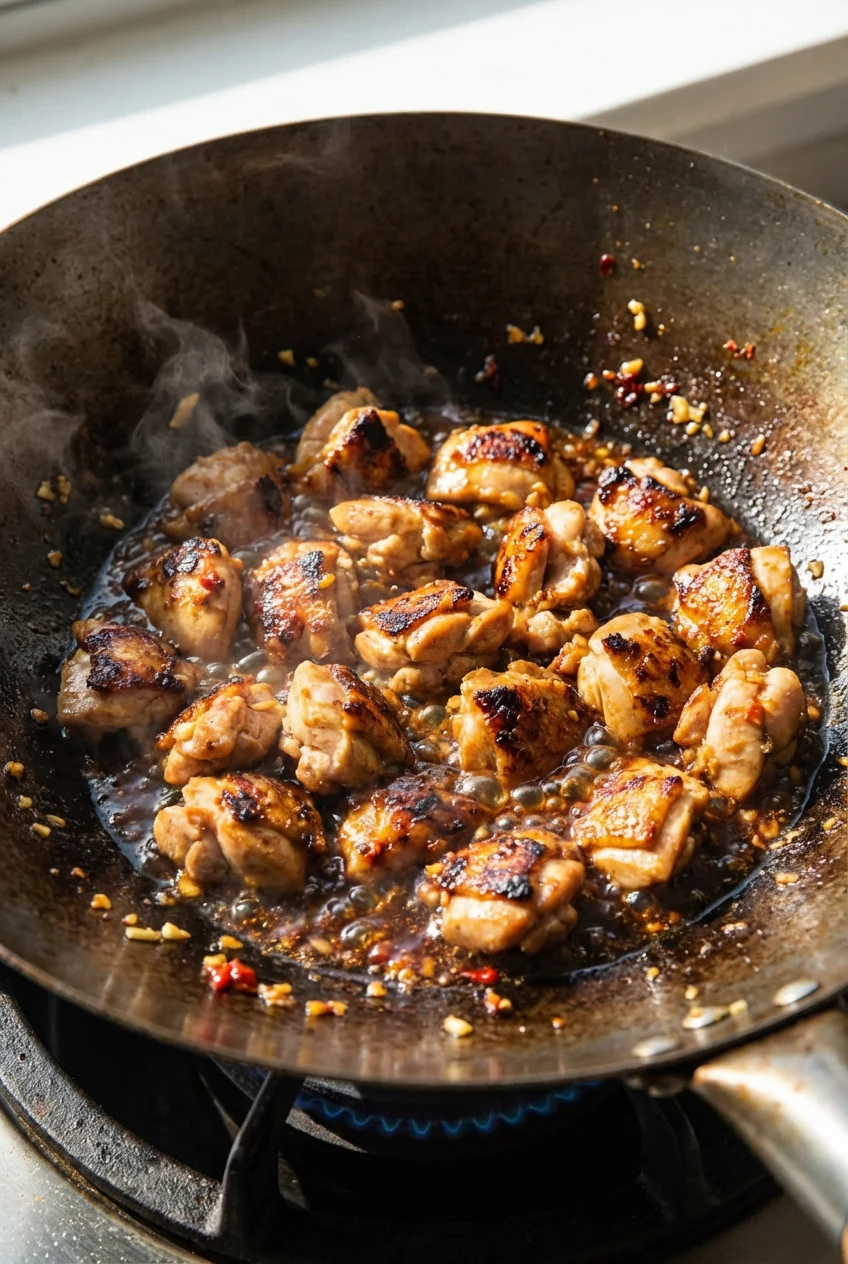
High-heat sear for juicy meat. Quick browning locks in moisture and builds the fond (those browned bits) that melt into the sauce for extra depth. No sad, pale chicken on our watch.
Cornstarch slurry for that glossy finish. A quick mix of cornstarch and water turns a thin sauce into a clingy glaze in minutes. It coats every bite without turning gummy.
Flexible by design. Thighs or breasts, stovetop or sheet-pan, mild or spicy—you can pivot based on what’s in your pantry and who’s at the table (FYI, kid-friendly mode is easy).
Ingredients Breakdown
- 2 lb boneless, skinless chicken thighs (or breasts). Thighs stay juicier, but either works.
- 1/3 cup low-sodium soy sauce for savory depth.
- 2 tbsp oyster sauce for extra umami (optional but recommended).
- 3 tbsp brown sugar or honey for caramelization and sweetness.
- 2 tbsp rice vinegar (or lime juice) to balance the sweet-savory notes.
- 4 cloves garlic, minced for aromatic punch.
- 1 tbsp fresh ginger, grated for bite and brightness.
- 1–2 tbsp chili paste (sambal oelek, gochujang, or sriracha), to taste.
- 1 tsp toasted sesame oil for nutty aroma.
- 1/3 cup water or chicken stock to help the sauce reduce without burning.
- 2 tsp cornstarch + 2 tsp water to make a slurry that thickens the sauce.
- 1–2 tbsp neutral oil (canola, avocado) for searing.
- 2 cups quick-cooking veg (broccoli florets, bell peppers, snap peas), optional.
- 2–3 scallions, thinly sliced, for garnish.
- 1 tbsp sesame seeds, for garnish (optional but pretty).
- Steamed rice or noodles, for serving.
Cooking Instructions
- Prep the chicken. Trim and cut chicken into bite-size pieces (about 1-inch). Pat very dry with paper towels. Dry chicken browns better—nonnegotiable.
- Mix the sauce. In a bowl, combine soy sauce, oyster sauce, brown sugar/honey, rice vinegar, garlic, ginger, chili paste, sesame oil, and water/stock. Stir until the sugar dissolves.
- Quick marinate. Toss chicken with 1/4 cup of the sauce and let sit 10–15 minutes while you heat the pan. Reserve the rest of the sauce.
- Heat the pan. Set a large skillet or wok over medium-high heat. Add neutral oil and swirl until shimmering.
- Sear in batches. Add half the chicken in a single layer. Cook 2–3 minutes per side until browned and nearly cooked through. Remove to a plate and repeat with remaining chicken.
- Optional veggies. Add broccoli, peppers, or snap peas to the hot pan with a splash of water. Stir-fry 2–3 minutes until crisp-tender. Push to the edges.
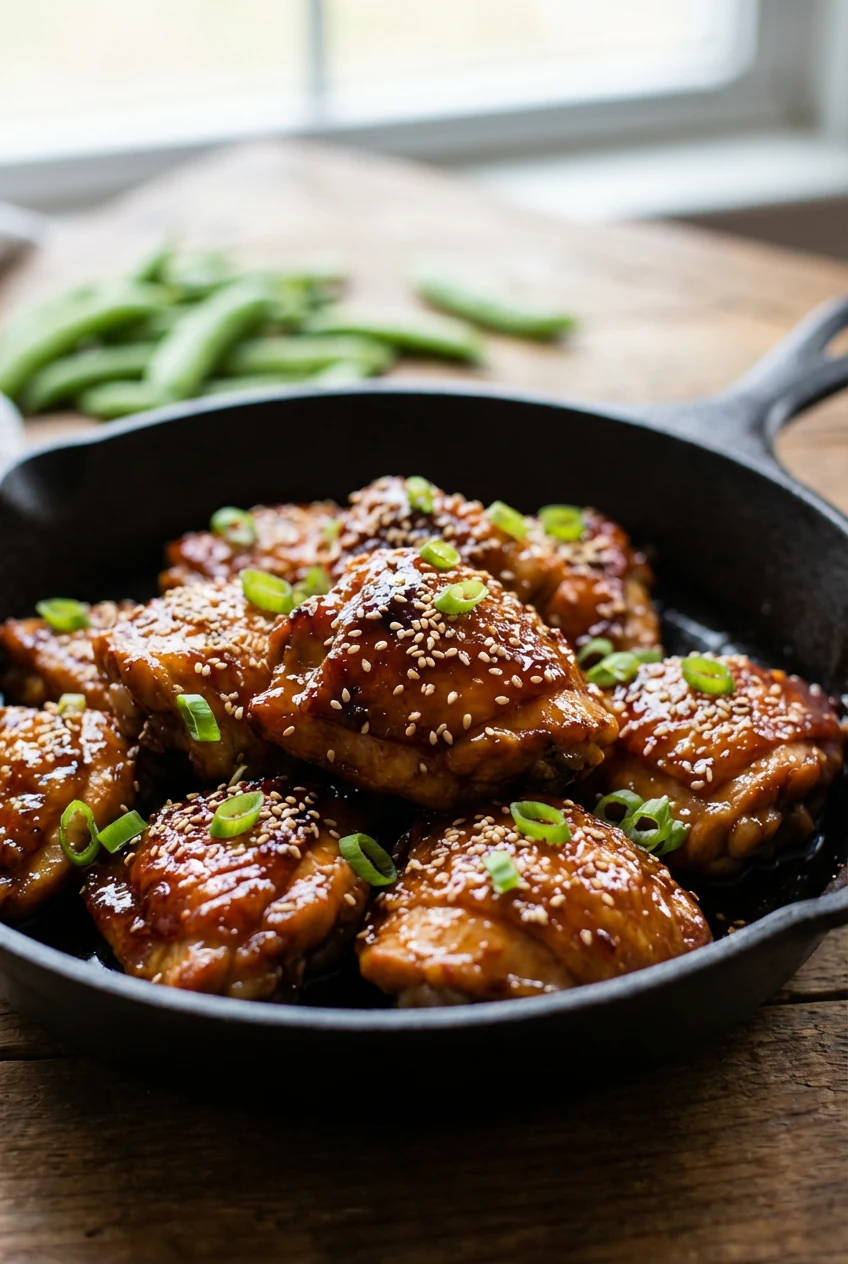
- Deglaze and glaze. Return all chicken to the pan. Pour in the reserved sauce. Bring to a lively simmer, scraping up browned bits.
- Thicken. Stir cornstarch and water together, then drizzle into the bubbling sauce, stirring constantly. Cook 1–2 minutes until glossy and clingy.
- Taste and adjust. Need heat? Add more chili paste. Too salty? Splash more vinegar or water. Too tangy? A teaspoon of sugar balances it out.
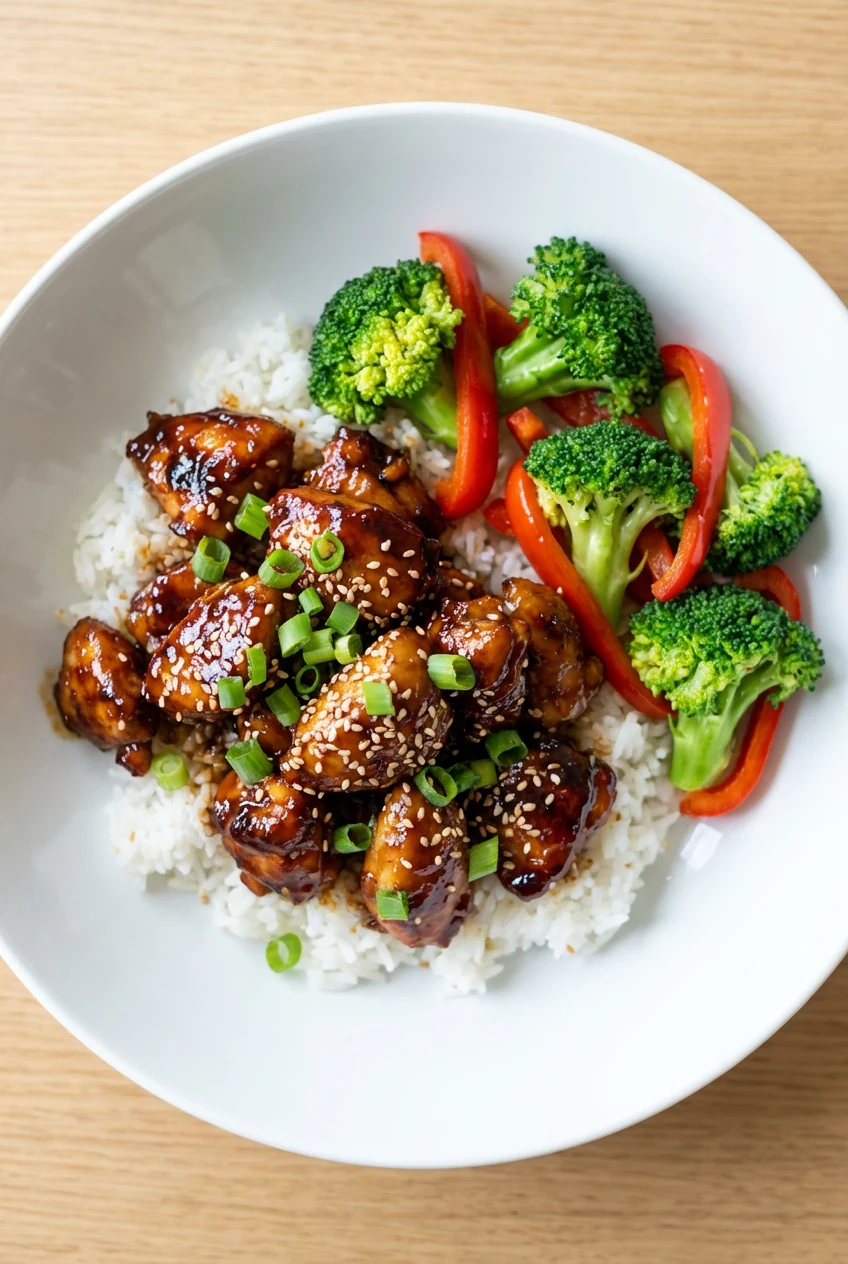
- Finish and serve. Kill the heat. Sprinkle scallions and sesame seeds. Rest 2 minutes so juices settle, then serve over hot rice or noodles.
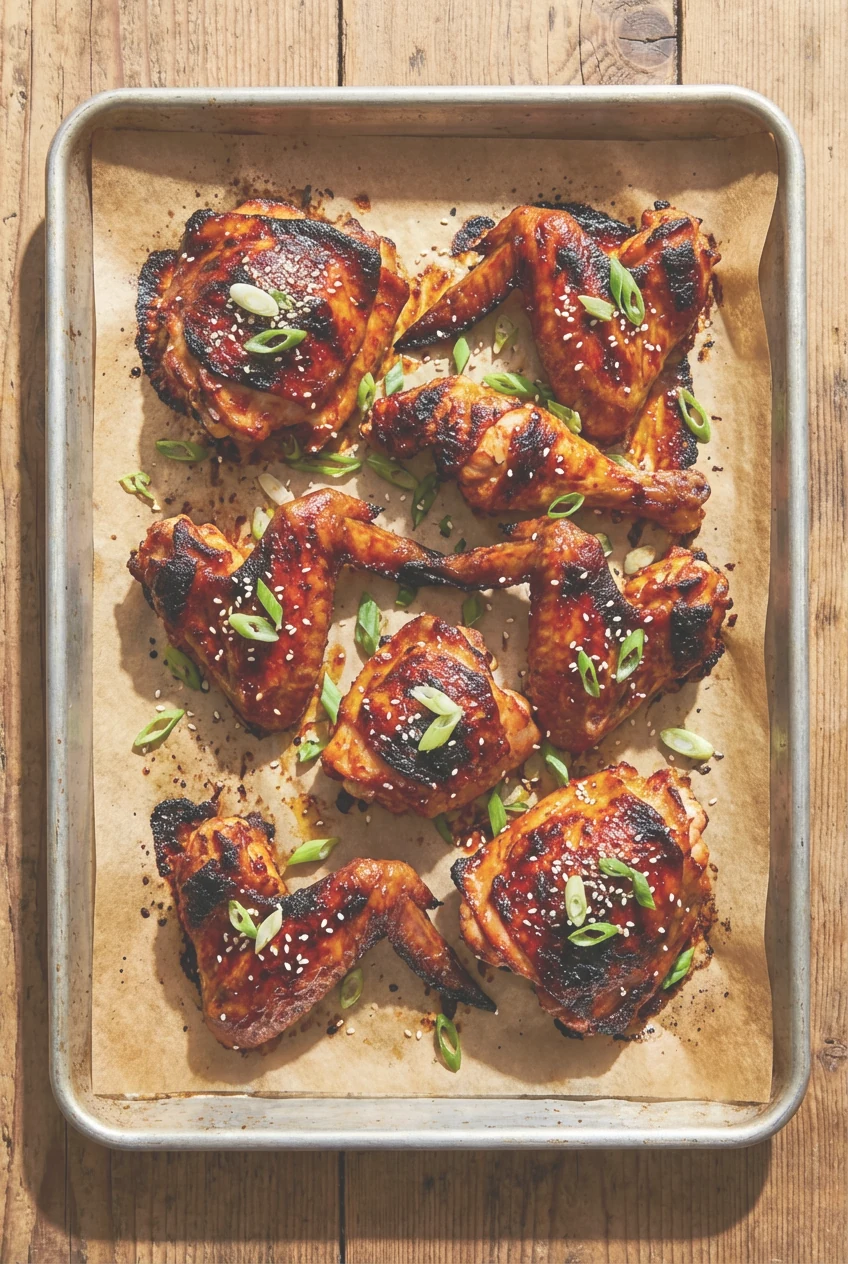
- Alternative: sheet-pan. Toss chicken with sauce (save 1/4 cup for glazing). Roast on a lined sheet at 450°F (232°C) for 12–15 minutes. Brush with reserved sauce, then broil 2 minutes for caramelized edges.
- Alternative: air fryer. Cook marinated chicken at 400°F (204°C) for 8–10 minutes, shaking halfway. Warm the sauce in a skillet and toss the cooked chicken to coat.
Storage Tips
- Fridge: Store cooled chicken and sauce in an airtight container up to 4 days. Keep rice separate to avoid sogginess.
- Freezer: Portion into freezer bags or containers for up to 3 months. Thaw overnight in the fridge.
- Reheat: Skillet over medium with a splash of water to loosen the glaze. Microwave works in a pinch—stir every 30–45 seconds.
- Meal prep: Add veggies that reheat well (broccoli, carrots, green beans). Avoid delicate greens that wilt into sadness.
Nutritional Perks
- High in protein: About 30–35g per serving, depending on portion size and cut.
- Better sugar control: You choose the sweetener and amount—typically 3 tbsp split across multiple servings.
- Lower sodium option: Use low-sodium soy sauce and taste as you go. A little vinegar makes flavors pop without more salt.
- Anti-inflammatory boost: Ginger and garlic bring antioxidants and gut-friendly benefits. Your taste buds and microbiome both win.
- Smart fats: Minimal oil, plus sesame oil for flavor not bulk. IMO, that’s efficiency.
- Rough estimate per serving: ~360 calories (chicken + sauce, no rice), 32g protein, 12g fat, 28g carbs. Actual numbers vary by ingredients.
Pitfalls to Watch Out For
- Overcrowding the pan. If pieces touch, they steam, not sear. Work in batches for caramelized edges.
- Burning the sauce. Sugars scorch if heat is too high without enough liquid. Keep it at a lively simmer, not a raging boil.
- Overcooking breast meat. Breasts dry out fast. Pull them as soon as they hit 165°F (74°C).
- Salty overload. Regular soy plus oyster sauce can be intense. Use low-sodium soy and add salt at the very end only if needed.
- Gummy sauce. Dumping cornstarch straight into the pan equals lumps. Always make a slurry and add slowly while stirring.
- Soggy leftovers. Store sauce and rice separately. Reheat chicken in a skillet for best texture, not directly on rice.
Different Ways to Make This
- Teriyaki-style: Swap brown sugar for mirin (3 tbsp) and add 1 tbsp sake if available. Keep ginger, skip chili for a mellow sweetness.
- Orange-glazed: Add 1/2 cup fresh orange juice, 1 tsp zest, and a pinch of chili flakes. Tangy, bright, and kid-approved.
- Thai basil twist: Use fish sauce (1 tbsp) with soy, add 1 tbsp lime juice, and finish with a big handful of Thai basil. Heat via sliced chiles.
- Korean-inspired: Use gochujang (2 tbsp), soy, honey, and a splash of toasted sesame oil. Garnish with sesame seeds and scallions.
- Lemongrass-ginger: Add 1 tbsp minced lemongrass to the aromatics, swap rice vinegar for lime, and keep it light on sugar.
- Coconut curry: Replace water/stock with 1/2 cup coconut milk, add 1–2 tsp red curry paste, and finish with lime.
- Garlic-pepper: Go heavy on garlic (6–8 cloves), add 1 tsp black pepper, and keep it less sweet for a savory, peppery finish.
- Grilled: Marinate pieces for 30 minutes. Thread onto skewers and grill over medium-high, 3–4 minutes per side. Brush with sauce to finish.
- Slow cooker: Add chicken and sauce, cook on LOW 3–4 hours. Thicken on stovetop after with a slurry. Great for meal prep.
- Veg-forward: Bulk up with mushrooms, bok choy, or green beans. Keep the sauce ratio the same so flavor doesn’t get diluted.
FAQ
Can I use chicken breasts instead of thighs?
Yes. Cut into even chunks, sear hot and fast, and pull at 165°F. Breasts cook quicker, so keep a close eye to avoid dryness.
How do I make this gluten-free?
Swap soy sauce for tamari or certified gluten-free soy. Double-check your oyster sauce and chili paste labels to be safe.
Is baking a good option?
Absolutely. Roast at 450°F for 12–15 minutes (small pieces) and broil to caramelize. Brush with extra sauce near the end for shine.
Can I prep the marinade ahead?
Yes. Mix the sauce up to 5 days ahead and refrigerate. For food safety, marinate chicken up to 24 hours max.
How spicy is this?
It’s customizable. Start with 1 tbsp chili paste for mild, add more for heat lovers. You can also serve chili oil at the table to keep peace.
What if I don’t have oyster sauce?
Use a little hoisin or add 1/2 tsp fish sauce for umami. Or skip it—just bump soy by a teaspoon and add a pinch more sugar.
No rice vinegar—what’s the move?
Use apple cider vinegar or lime juice. Avoid balsamic here; it’s too sweet and muddy.
Can I double the recipe?
Yes, but sear in multiple batches so the chicken browns properly. Then combine everything to glaze at the end. Overcrowding = steamy, pale chicken.
How can I thicken without cornstarch?
Simmer longer to reduce, or use arrowroot (same amount) mixed with cold water. Potato starch works too for a glossy finish.
How do I keep the chicken juicy?
Pat dry, sear hot and fast, and don’t overcook. Rest for a couple minutes before serving so juices redistribute. Simple moves, big payoff.
Can I cook this from frozen?
For best sear, thaw first. In a pinch, cook frozen pieces covered until thawed, drain excess liquid, then proceed to sear and glaze. Not ideal, but doable (FYI).
Wrapping Up
This is your new weeknight power move: quick sear, bold sauce, glossy finish, done. The base stays simple so you can pivot—sweet teriyaki tonight, spicy gochujang tomorrow, maybe a citrusy twist on Friday. Keep a few pantry staples on hand and you’ll always have a plan that beats takeout on speed, price, and flavor. Now set the table, grab the chopsticks, and flex that one-pan magic.
Printable Recipe Card
Want just the essential recipe details without scrolling through the article? Get our printable recipe card with just the ingredients and instructions.