90-second Coconut Flour Mug Cake (microwave) for Instant Joy
Gluten-free, single-serve cake in under two minutes—fluffy, moist, and macro-friendly with pantry staples. Zero fuss, all reward.
You’re 90 seconds away from dessert that doesn’t wreck your macros or your sink. This tiny cake hits that “I-need-something-sweet-now” craving without a sugar crash or a 12-step cleanup. Coconut flour does the heavy lifting, the microwave does the sprinting, and you get the win. Want a treat that feels indulgent but behaves like a weeknight snack? Say less.
The Secret Behind This Recipe
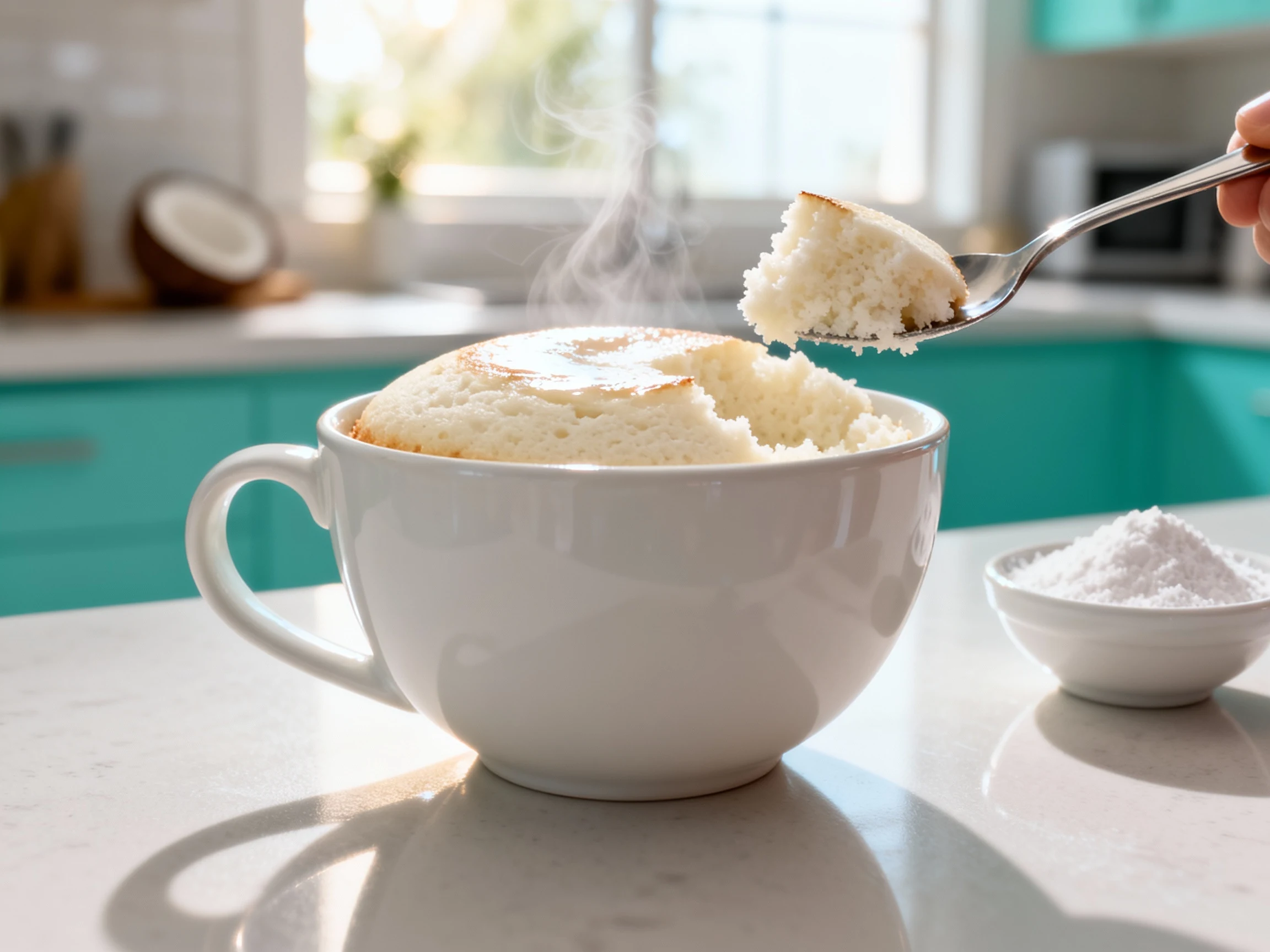
Coconut flour is ultra-absorbent, which means it delivers a fluffy, tender crumb without gluten and without needing a ton of flour. It soaks up liquid fast, so a small amount goes a long way and keeps the cake moist rather than dense. The egg provides structure and protein, while a splash of fat gives you that bakery-level softness. Microwave heat sets it in under two minutes—because patience is for sourdough, not mug cakes.
The trick is hydration and balance: enough liquid to bloom the coconut flour, a touch of fat for tenderness, and the right leavening to lift. Resting the batter for 30 seconds before cooking lets the flour fully hydrate. That’s the not-so-secret sauce behind a mug cake that tastes like you baked it on purpose.
What Goes Into This Recipe – Ingredients
- 2 tablespoons coconut flour, sifted
- 1 tablespoon granulated sweetener (sugar, coconut sugar, or erythritol/monk fruit)
- 1 large egg
- 2 tablespoons milk of choice (dairy or unsweetened almond milk)
- 1 tablespoon melted coconut oil or unsalted butter
- 1/4 teaspoon baking powder
- 1/2 teaspoon vanilla extract
- A pinch of fine salt
- Optional add-ins: 1 tablespoon unsweetened shredded coconut, 1 tablespoon dark chocolate chips, a pinch of cinnamon, or lemon zest
- Optional toppings: Greek yogurt, whipped cream, berries, or a drizzle of melted chocolate
How to Make It – Instructions
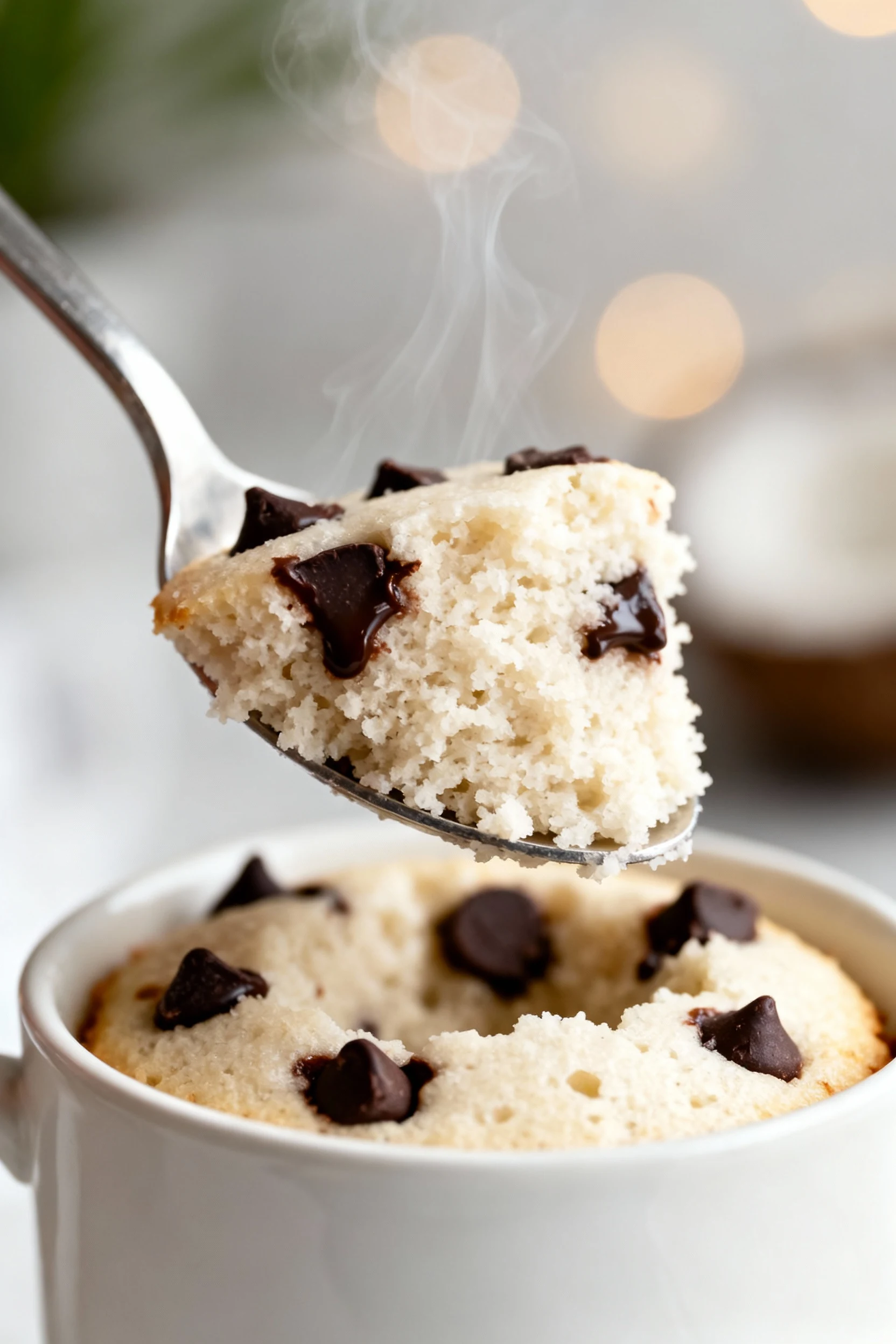
- Prep your mug. Use a 12–14 oz, wide, microwave-safe mug and lightly grease the inside (a swipe of coconut oil or butter).
- Mix dry ingredients. In the mug, whisk coconut flour, sweetener, baking powder, and salt until no lumps remain.
- Add wet ingredients. Mix in the egg, milk, melted coconut oil/butter, and vanilla until smooth. Scrape the sides so everything combines.
- Let the batter rest for 30–45 seconds. This quick pause allows the coconut flour to hydrate for a better texture—worth it.
- Microwave for ~90 seconds. Cook on high for about 90 seconds in a 1000W microwave. If yours runs hot, start at 70–80 seconds, then add 10-second bursts. The top should look set but slightly glossy.
- Cool briefly and finish. Let it stand 60 seconds (carryover heat finishes the center). Add toppings if you like and dig in.
Preservation Guide
This is a single-serve flex, but sometimes you want to save a bite for later. Cool completely, then cover the mug with plastic wrap or invert the cake onto a plate and wrap it tightly.
- Refrigerator: Keeps well for up to 2 days. Reheat 10–15 seconds in the microwave with a damp paper towel over the top to restore moisture.
- Freezer: Wrap in foil or an airtight bag for up to 1 month. Thaw in the fridge, then warm gently in the microwave.
- Topping tip: Add a spoon of yogurt or a splash of milk after reheating if the crumb feels dry.
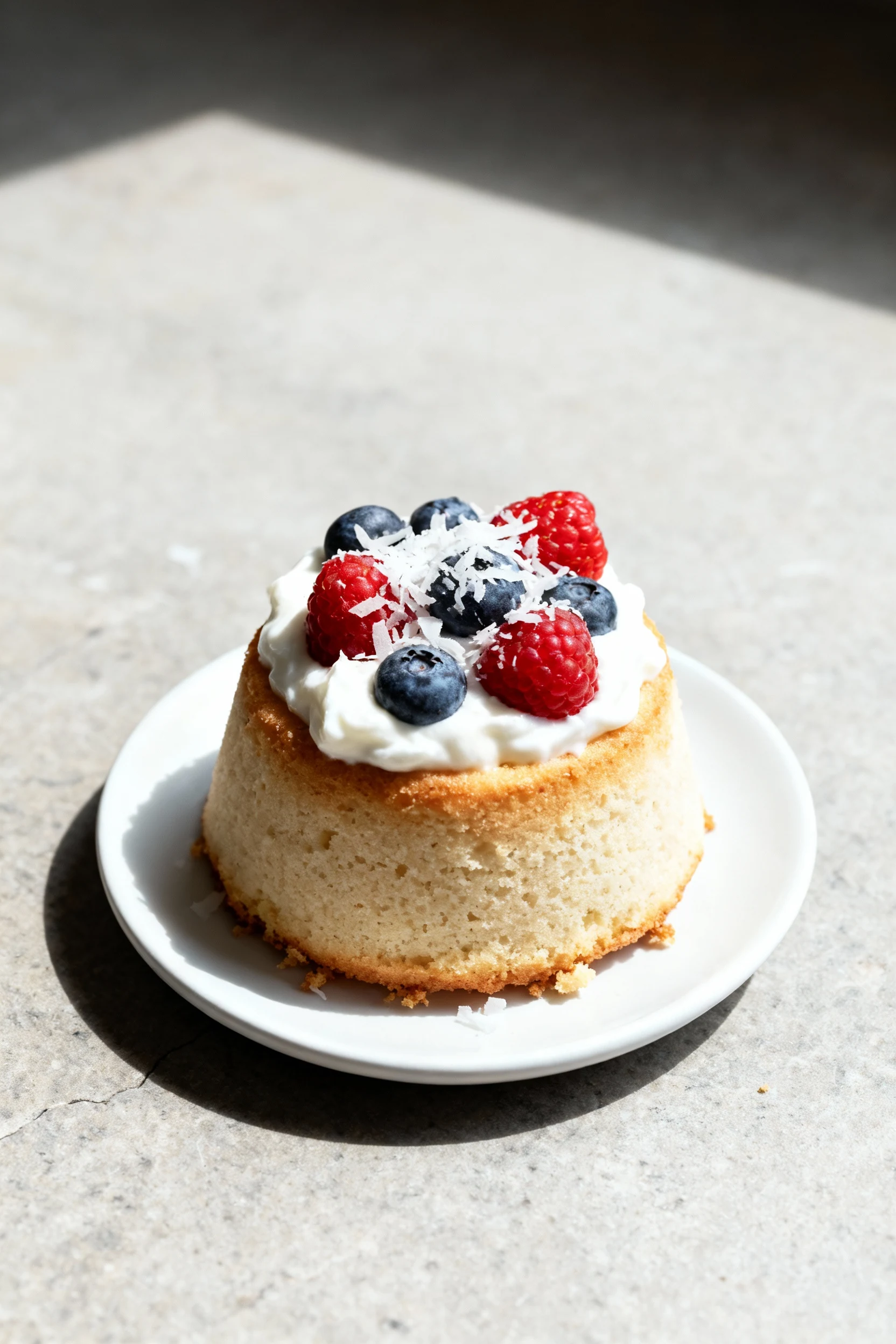
Nutritional Perks
Coconut flour boasts high fiber and fewer net carbs than traditional flours, so this cake stays light on the carb tally. The egg adds quality protein and structure, while a tablespoon of coconut oil or butter brings satisfying fats that keep hunger in check.
Using a zero-calorie sweetener keeps things macro-friendly. Expect roughly 280–330 calories, 10–12g protein, 6–8g net carbs, and 20–24g fat, depending on your sweetener and fat choice. FYI, swapping butter for coconut oil shifts the flavor from bakery-style to tropical.
Common Mistakes to Avoid
- Overloading coconut flour: It’s super absorbent. More flour equals a dry sponge. Stick to 2 tablespoons.
- Skipping the rest: That 30–45 second pause lets the batter hydrate. No rest, no fluff.
- Microwaving too long: Overcooking leads to rubbery cake. Start at 70–80 seconds if your microwave is powerful, then add in short bursts.
- Using a narrow mug: A tight mug cooks unevenly with a gooey core and dry edges. Go wide.
- Forgetting the fat: No oil or butter = sad, chewy crumb. Keep the tablespoon of fat.
- Chunky add-ins without adjustments: Wet add-ins (like fresh berries) can make the center mushy. Add 10–15 more seconds if needed.
Different Ways to Make This
- Chocolate Dream: Add 1 tablespoon cocoa powder and a few chocolate chips; increase milk by 1 teaspoon to balance.
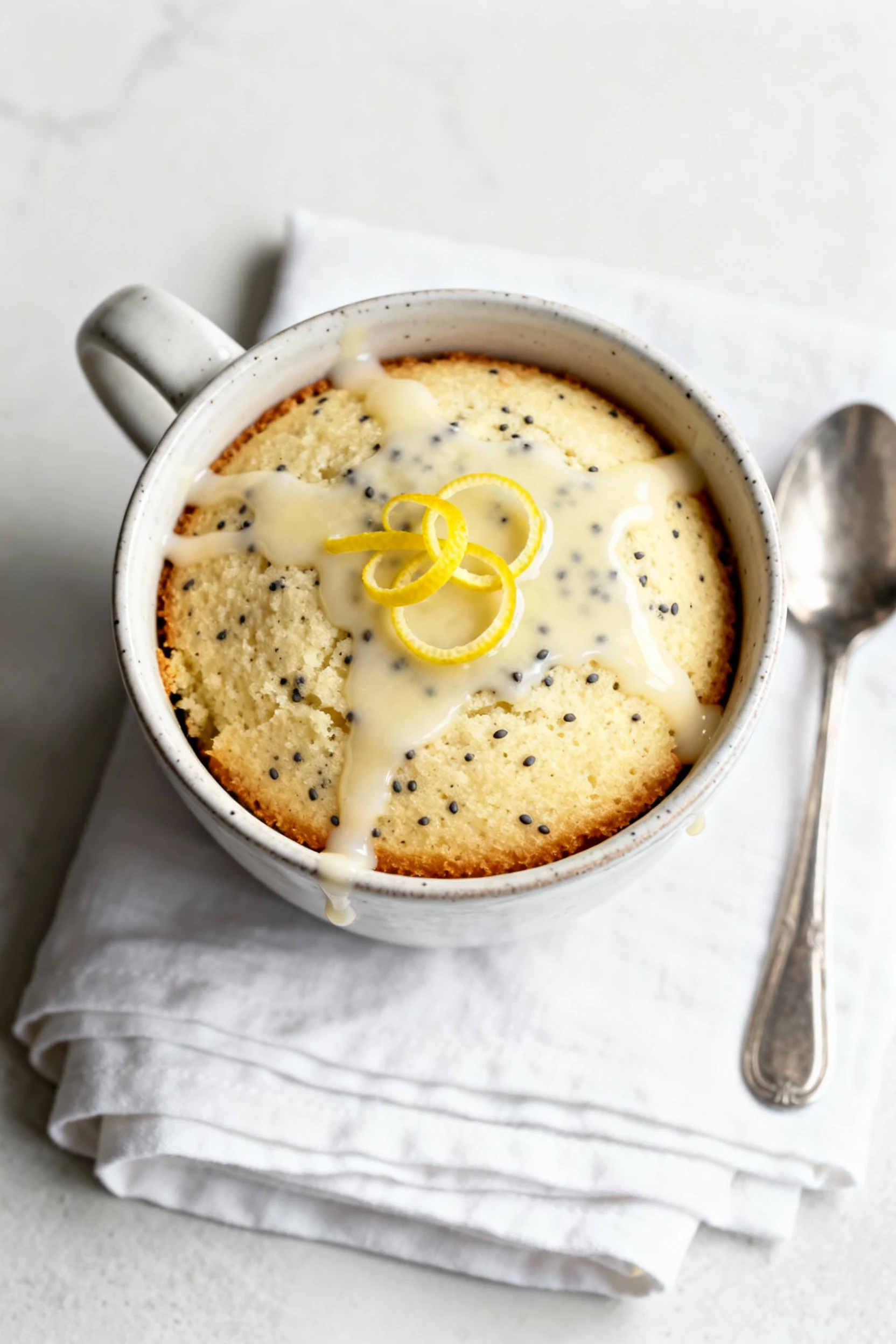
- Lemon Poppy: Stir in 1 teaspoon lemon zest and 1/4 teaspoon poppy seeds; finish with a tiny lemon glaze.
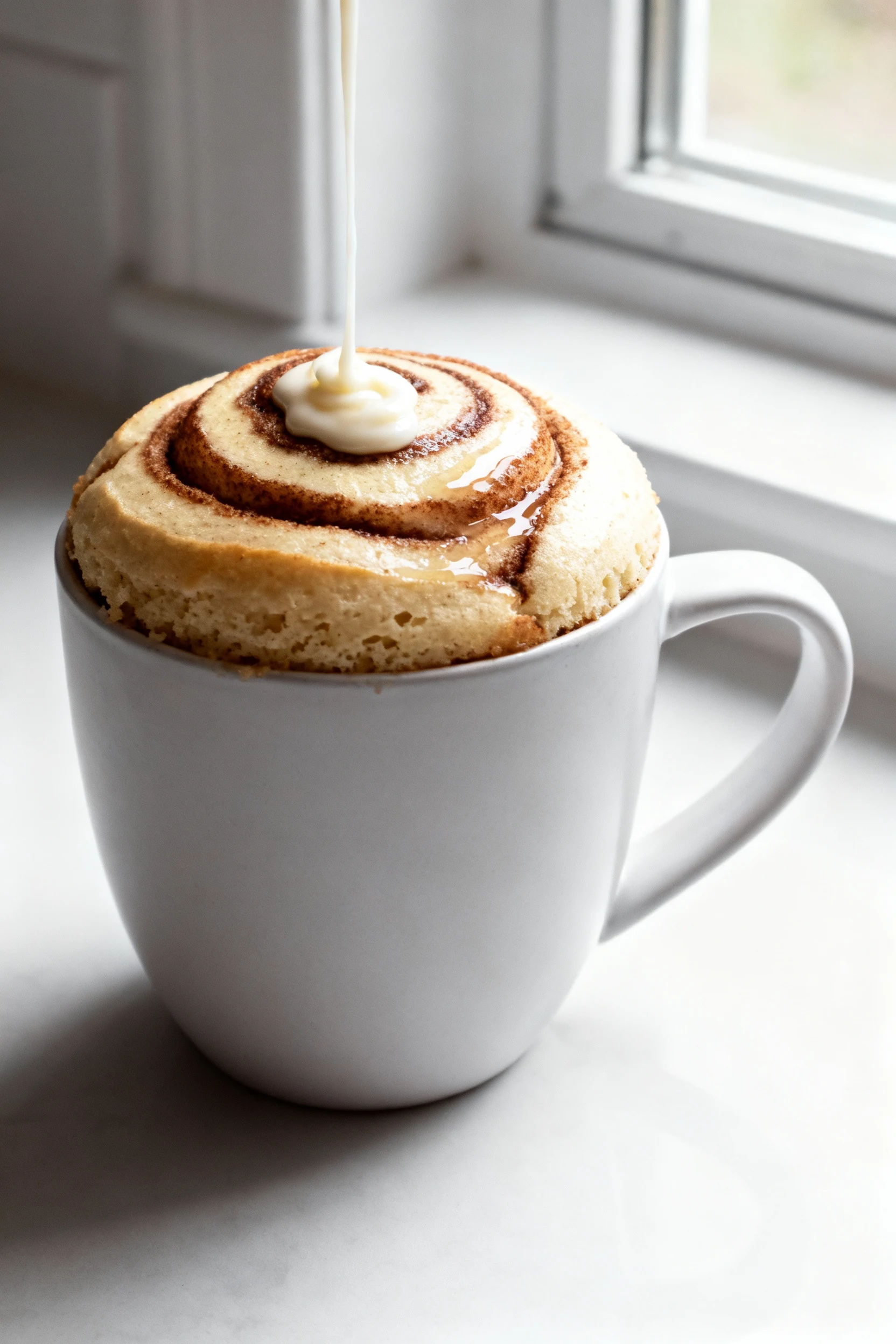
- Cinnamon Roll Swirl: Marble in 1/2 teaspoon cinnamon mixed with 1 teaspoon sweetener; top with a quick cream cheese drizzle.
- Birthday Confetti: Fold in 1 teaspoon rainbow sprinkles and use vanilla yogurt as a frosting hack.
- Protein Boost: Add 1 tablespoon vanilla whey; increase milk by 1 tablespoon and cook 10–15 seconds longer. BTW, whey firms the texture.
- Keto-Friendly: Use erythritol or monk fruit, unsweetened almond milk, and coconut oil; skip chocolate chips or use sugar-free.
- Dairy-Free: Choose almond or coconut milk and coconut oil. Same timing, same fluff.
- Mocha Moment: Mix in 1 teaspoon instant espresso and a few dark chocolate bits for coffee-shop vibes.
FAQ
Can I bake this in an oven instead of using a microwave?
Yes. Bake in a small ramekin at 350°F (175°C) for 12–15 minutes until set in the center. It won’t be “90 seconds,” but the texture is a little cakier and still awesome.
Why did my mug cake turn out dry?
Likely too much coconut flour or too little liquid, or you nuked it into oblivion. Measure accurately, rest the batter, and cook in short bursts if unsure.
Can I make it egg-free?
You can try a flax egg (1 tablespoon ground flax + 3 tablespoons water, rested 5 minutes). The cake will be a bit denser, but still tasty.
Can I use almond flour instead of coconut flour?
Nope, they don’t swap 1:1. Almond flour isn’t as absorbent. If you must, you’ll need 3–4 times more almond flour and different liquid ratios—basically a new recipe.
What size mug works best?
Use a wide 12–14 oz mug. A smaller or tall, narrow mug cooks unevenly and can overflow. A bowl-shaped mug is ideal.
How do I know it’s done?
The top should be set with a slight sheen, and a toothpick in the center should come out with a few moist crumbs, not wet batter. Carryover heat finishes the last 5%.
Can I double the recipe?
Yes, but cook in a microwave-safe bowl and increase the time to 2.5–3 minutes. Or make two mugs separately for more even results.
Do I have to sift the coconut flour?
It helps. Coconut flour clumps easily, and sifting means a smoother batter and better rise. If you skip it, whisk thoroughly to break up lumps.
My Take
IMO, this mug cake is the ultimate weeknight cheat code—fast, satisfying, and surprisingly “real cake” in the crumb department. Coconut flour plays nice when you hydrate it and give it a moment to rest. The microwave does the speed-run, and you get warm cake before your streaming app suggests the next episode.
Keep a couple of add-in ideas in your back pocket and this becomes a repeatable ritual: one bowl, one minute, one smile. Dessert shouldn’t require a project plan; it should be easy, delicious, and ready now. This one checks the boxes—with sprinkles if you’re feeling extra.
Printable Recipe Card
Want just the essential recipe details without scrolling through the article? Get our printable recipe card with just the ingredients and instructions.